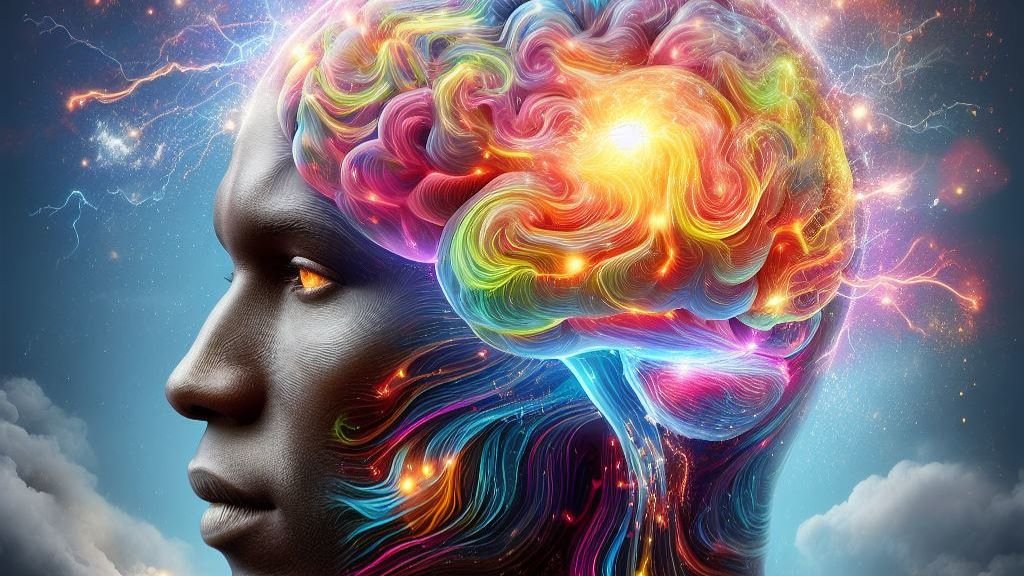

Every now and then, science drops a theory that sounds like it escaped from a sci‑fi movie. The idea that your thoughts, your memories, your deepest sense of “me” might actually come from a higher dimension is one of those theories. It’s wild, a bit unsettling, and strangely comforting all at once.
In the last few years, a growing number of physicists, neuroscientists, and philosophers have been quietly exploring versions of this idea. They’re not saying consciousness is magic, and they’re not throwing out the brain. Instead, they’re asking a bold question: what if the brain is more like a receiver or projector, and consciousness is the deeper, multidimensional signal behind it?
The Bold Claim: Consciousness As a Higher-Dimensional Field
The core claim some scientists are flirting with sounds almost mystical at first glance: consciousness might not be produced by the brain alone, but instead emerge from, or even reside in, a higher-dimensional reality that our brains tap into. In simple terms, your mind wouldn’t be just “in your head,” it would be partly rooted in a deeper structure of the universe. Think of it like a three-dimensional shadow on a wall that comes from a four-dimensional object you can’t fully see.
While this might sound like philosophy dressed up as physics, it’s being discussed seriously in some corners of theoretical science. Researchers who work on higher-dimensional models, such as those inspired by string theory and certain approaches in quantum gravity, already treat extra dimensions as mathematically reasonable. Extending that framework to ask whether consciousness could be linked to such dimensions isn’t mainstream, but it isn’t pure fantasy either. It sits in that uncomfortable middle ground where science, speculation, and imagination rub awkwardly against each other.
Why Our Usual Brain-Only Models Feel Incomplete
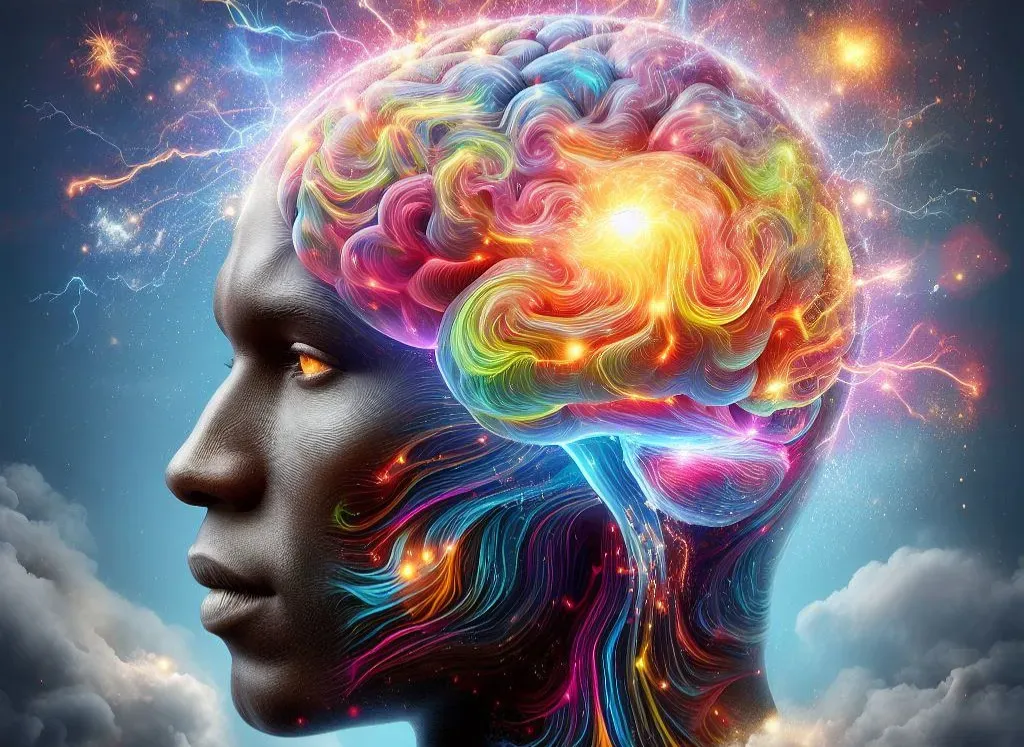
Traditional neuroscience has made real progress explaining aspects of consciousness: vision, memory, language, and attention can all be linked to specific networks and firing patterns in the brain. But when it comes to the raw, subjective feeling of being you – the taste of coffee, the ache of heartbreak, the simple “I am” – the explanations start to thin out. Many scientists openly admit there’s still a stubborn gap between brain activity and lived experience.
This gap is often called the “hard problem” of consciousness: how physical processes in the brain give rise to subjective experience at all. For some researchers, this problem hints that our current picture of reality might be missing a layer. Just like people once tried to explain electricity without knowing about electrons, we might be trying to explain consciousness without recognizing the deeper structure it comes from. That suspicion is what keeps the higher-dimensional idea from being dismissed outright.
How Higher Dimensions Enter the Conversation
Higher dimensions are not just science fiction tropes; they appear naturally in advanced physics. Some theories posit that the universe may have more than three dimensions of space, but the extra ones could be curled up, hidden, or expressed in ways we don’t directly notice. If that’s true, then what we see as reality could be just a slice of something larger and more complex. Our three-dimensional world might be like a flat map of a very curved planet.
Within this framework, a few scientists have loosely suggested that consciousness could be tied to structures that extend into these extra dimensions. The idea is that the brain’s electrical and quantum processes might interface with these deeper layers, shaping the flow of experience. Even if this turns out to be wrong, it’s a way of trying to connect subjective experience to the same fabric of reality that physics already uses to explain matter, forces, and energy, instead of treating consciousness as an afterthought.
Neuroscience Meets Geometry: The Brain’s Hidden Complexity
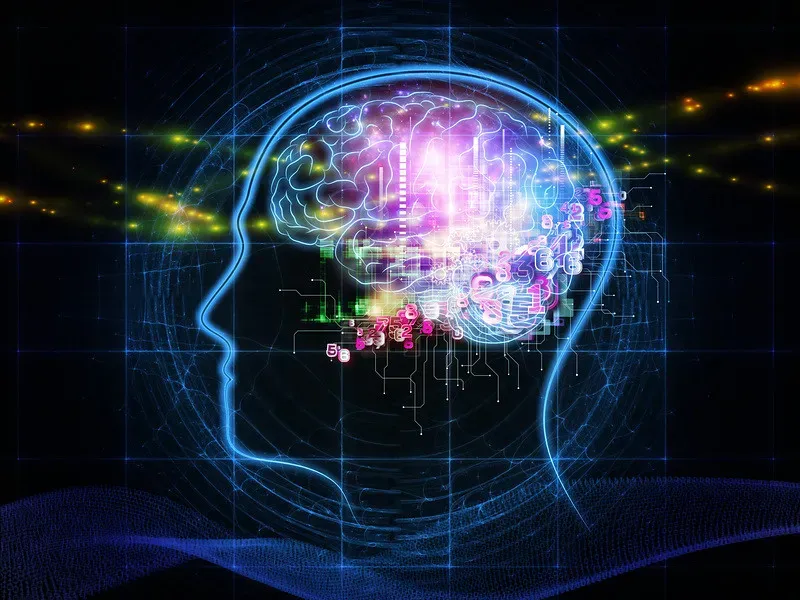
One of the more intriguing developments in recent years comes from applying advanced mathematics, especially topology and geometry, to brain activity. Some researchers have used tools from algebraic topology to analyze how neurons fire together in groups, and they’ve found patterns that can be described using shapes in higher dimensions. In other words, brain activity sometimes organizes itself in ways that look like multi-dimensional structures, not just simple networks.
This doesn’t prove that consciousness comes from a higher dimension, but it does show that the brain is capable of forming incredibly rich, layered patterns that are easier to describe with higher-dimensional math. It’s like discovering that your city’s traffic maps are best understood using a complex 3D model rather than a flat street plan. For those who like the higher-dimensional consciousness hypothesis, this geometric complexity feels like a small but encouraging nudge in their direction.
Quantum Theories of Mind and the Higher-Dimensional Twist
Quantum theories of consciousness have been controversial for decades, often dismissed as overreaching or vague. Still, the basic motivation is simple enough: quantum physics describes reality at its most fundamental, and it behaves in strange ways that don’t fit everyday intuition. Superposition, entanglement, and the role of observation raise questions about how mind and matter interact, even if most physicists keep consciousness out of the formal equations.
Some speculative models imagine that conscious experience might arise when certain quantum processes in the brain interact with deeper layers of spacetime, potentially including extra dimensions. In this view, consciousness isn’t just a by-product of neurons firing; it’s what happens when the brain aligns, however briefly, with more fundamental patterns of reality. That sounds grand, maybe too grand, and the experimental support is shaky at best so far. Yet the idea persists, partly because no simpler explanation has convincingly closed the book on what consciousness truly is.
Why This Idea Feels Both Comforting and Unsettling
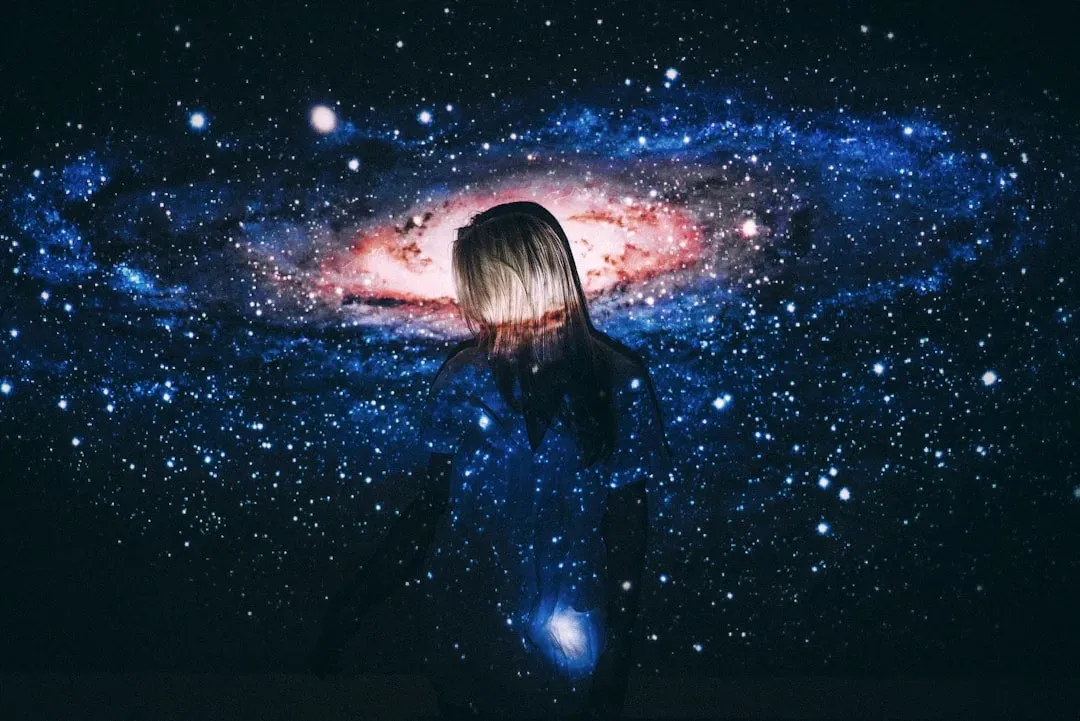
If consciousness really does connect to a higher dimension, it would completely change how we see ourselves. The thought that your awareness isn’t fully confined to the meat inside your skull, but linked to a deeper structure of the universe, can feel strangely hopeful. It hints that your mind might be woven into the same hidden architecture that shapes galaxies, particles, and the flow of time. There’s an almost spiritual undertone to that, even if the language stays strictly scientific.
At the same time, it’s a bit unnerving. If your consciousness is tied to higher-dimensional processes, what does that mean for free will, identity, or death? Are you a stable self, or just a fleeting pattern in a larger field? The idea can make you feel very small and oddly enormous at the same time, like realizing you’re a single wave that’s still somehow part of the entire ocean. Whether you find that beautiful or terrifying probably depends on the day you hear it.
From Speculation to Science: What Could Actually Be Tested?
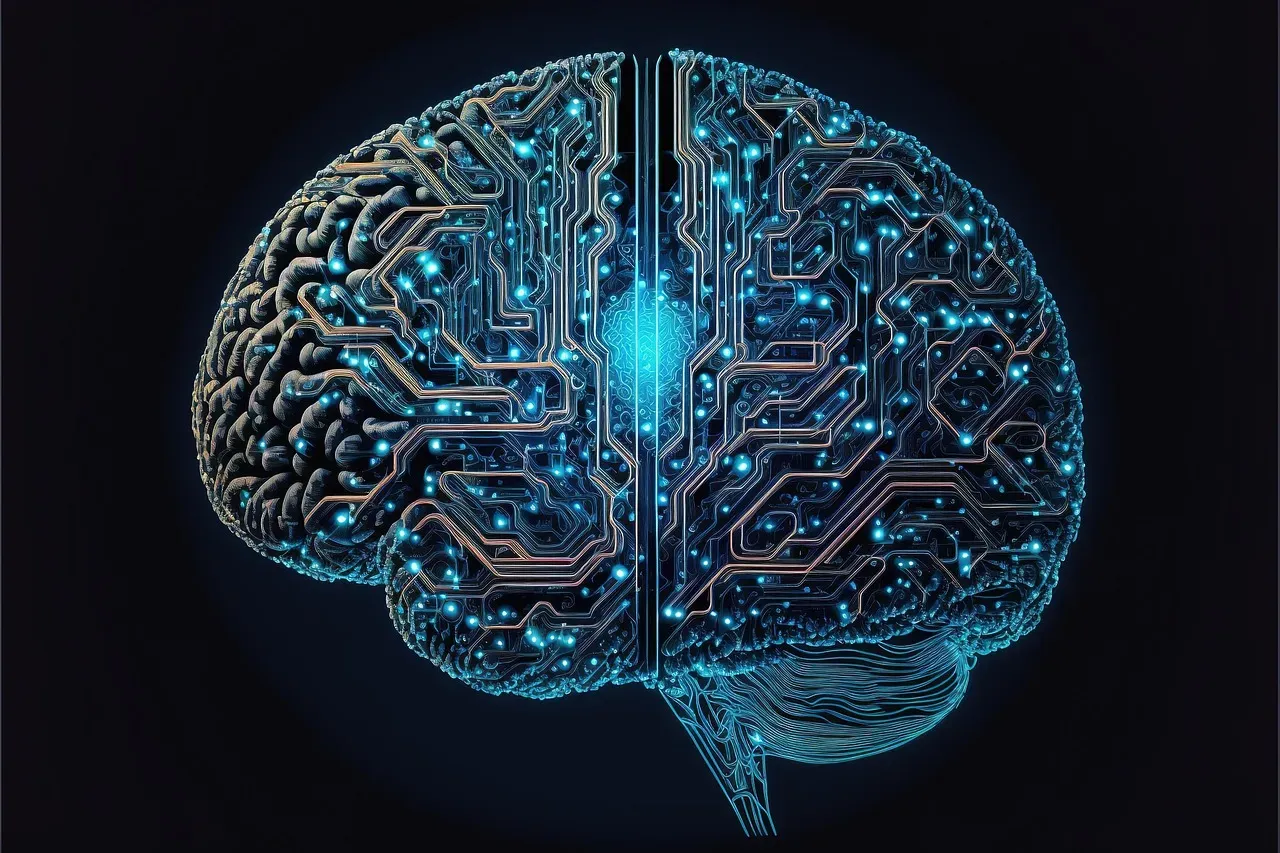
For all its appeal, a theory that consciousness comes from a higher dimension has to eventually face the one thing that matters in science: testability. Some researchers propose looking for subtle signatures in brain activity that can’t be explained by standard models, or exploring whether certain mathematical descriptions of consciousness line up better with higher-dimensional frameworks. Others suggest that improved quantum experiments or new brain imaging tools might reveal patterns that either support or rule out these ideas.
We’re not there yet, and it’s entirely possible that future evidence will show consciousness can be fully explained within ordinary physics and three-dimensional space. But it’s also possible that these bold, higher-dimensional theories will push researchers to design better experiments, sharper models, and new ways of thinking about the mind. Either way, the simple act of taking the question seriously keeps us from pretending we’ve already solved a mystery that still stares us in the face every time we wake up in the morning.
A Universe That Might Be More Conscious Than We Think
Right now, the claim that human consciousness comes from a higher dimension sits in a gray zone between visionary and speculative. It’s not accepted mainstream science, but it’s not pure fantasy either. It draws on real gaps in our understanding of the mind and on serious work in physics and mathematics, even if the bridge between them is still mostly theoretical. As long as those gaps remain, ideas like this will keep resurfacing, asking us to widen our view of what reality might be.
Whether consciousness turns out to be a higher-dimensional phenomenon or something stranger we haven’t even named yet, the search itself changes how we see ourselves. It forces us to confront the possibility that our minds are not small, isolated bubbles but expressions of a deeper order in the universe. Maybe one day we’ll look back at our current theories the way we now look back at maps that once left out entire continents. Until then, it’s worth asking yourself: if your consciousness did reach into a higher dimension, would you really be surprised?