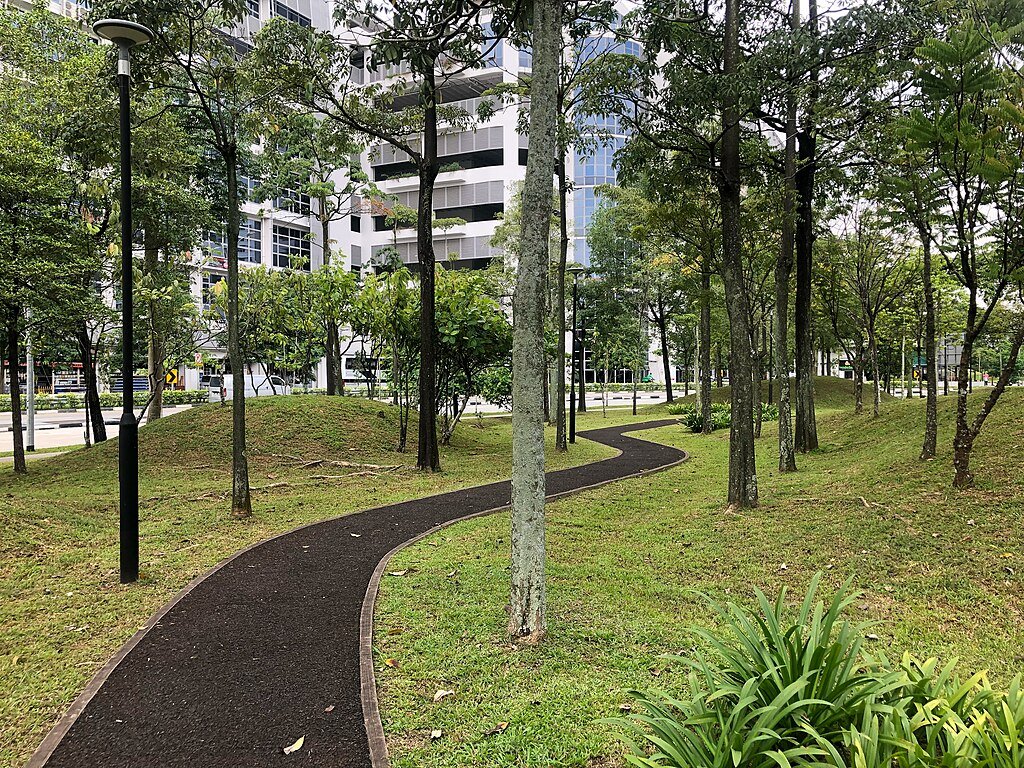

In the bustling concrete jungles of modern cities, a quiet revolution is sprouting. Urban green spaces, those pockets of peace nestled between towering buildings, are more than just aesthetic enhancements—they are vital to our health. These areas of grass, trees, and flowers offer sanctuary not only to wildlife but also to city dwellers seeking refuge from the fast-paced urban life. This article explores how these green havens nurture both our minds and bodies, highlighting their transformative power in improving overall health.
The Psychological Benefits of Urban Green Spaces
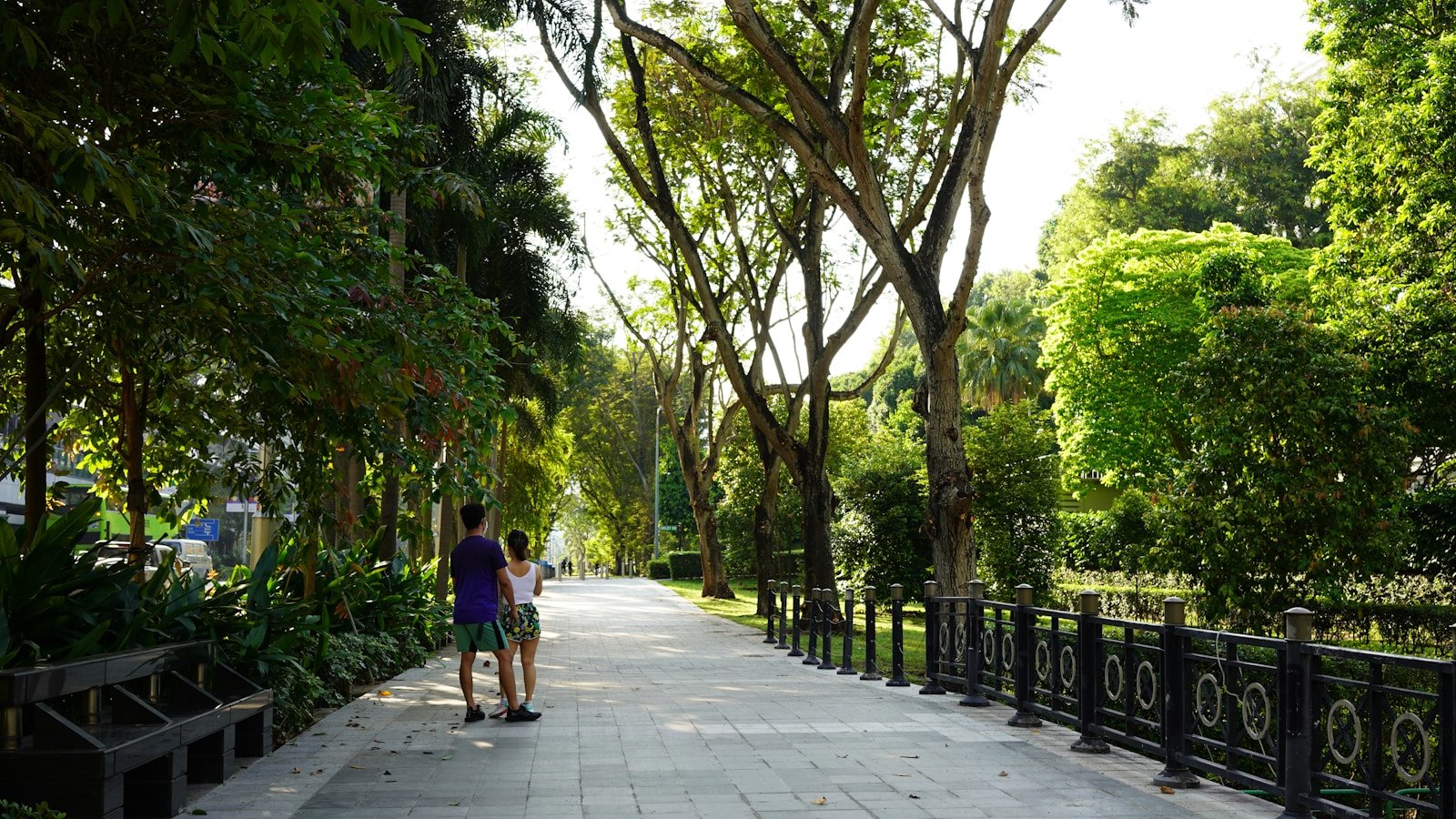
Urban green spaces have been shown to significantly enhance mental well-being. Being in nature or even having a view of greenery has been linked to reduced stress, anxiety, and depression. The act of walking through a park or sitting on a bench surrounded by trees can foster a sense of peace and relaxation, offering a break from urban stressors like noise and pollution.
Green Spaces and Enhanced Mood
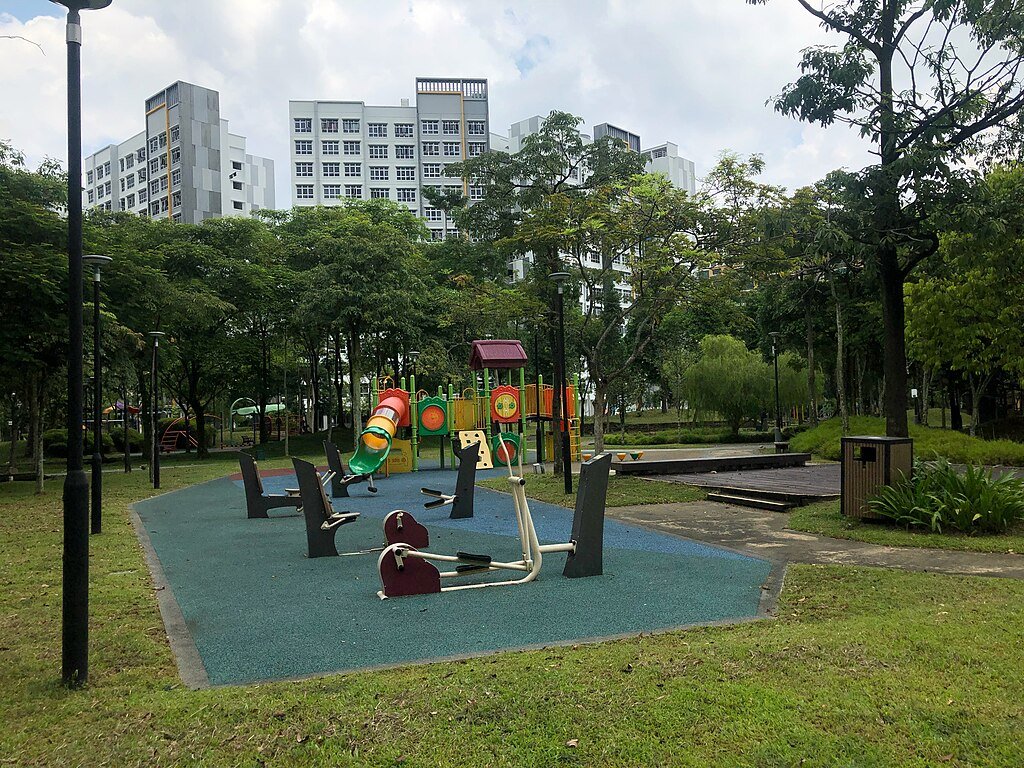
Spending time in urban green environments can lift your spirits. The visual appeal of natural elements is inherently soothing, which can lead to improved moods. Researchers have found that just a short daily walk in a green space can lead to more substantial, lasting feelings of happiness and satisfaction.
Promoting Social Interaction and Community

Parks and green spaces often act as communal hubs where people gather for various social activities. These interactions foster a sense of community and belonging, which are crucial components of mental health. Whether it’s a morning jogger’s chat or a community event in the park, these spaces nurture social ties among urban residents.
Aiding Cognitive Function

Exposure to green spaces has been associated with improved attention span and cognitive function, particularly in children and the elderly. Studies suggest that nature helps in restoring attention, which can be constantly undermined by urban stimuli. Regular interaction with nature can enhance creativity and problem-solving skills, contributing to healthier mental capacities.
Physical Health Benefits of Urban Green Spaces
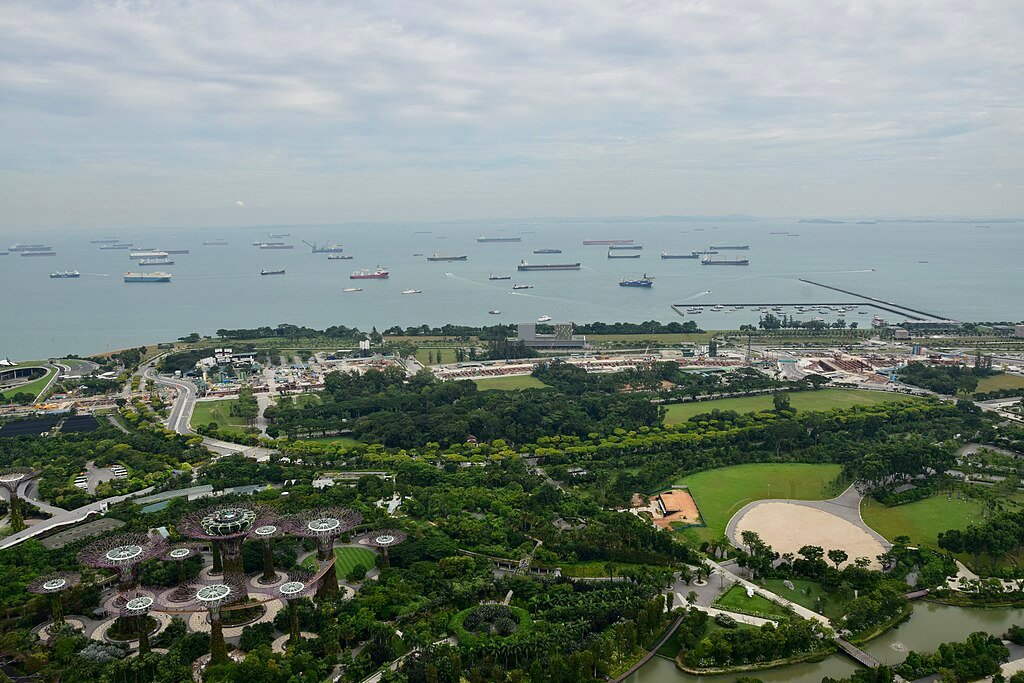
Beyond the mental benefits, urban green spaces are crucial in promoting physical health. They encourage physical activity by providing a safe and appealing environment for exercise. Whether it’s jogging, cycling, or practicing yoga, these activities are vital in combating sedentary lifestyle-related ailments.
Reducing Obesity and Related Diseases
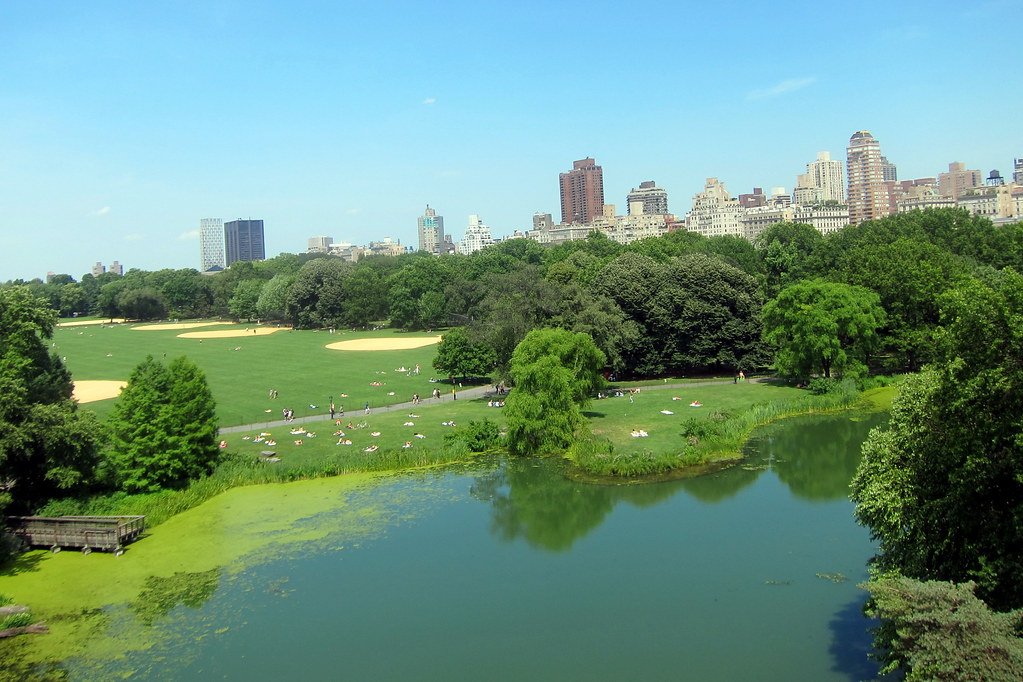
With easy access to parks and green spaces, city dwellers are more likely to engage in physical activities. Regular exercise facilitated by these spaces helps reduce the risk of obesity, cardiovascular diseases, and type 2 diabetes. The presence of these areas makes a healthier lifestyle more accessible and appealing.
Improving Air Quality
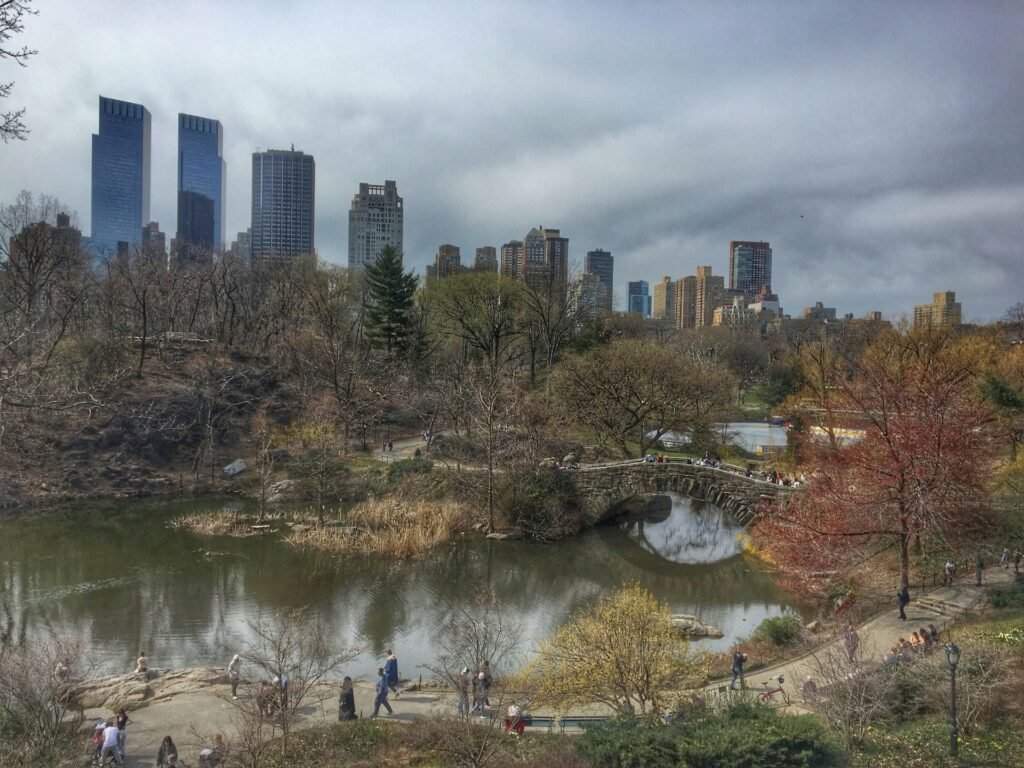
Trees and plants in urban green spaces contribute significantly to improving air quality. They act as natural air filters, removing pollutants and providing cleaner air for city inhabitants. Better air quality directly impacts respiratory health and can reduce the incidence of asthma and other respiratory issues.
Lowering Urban Heat

Green spaces play a crucial role in mitigating the urban heat island effect. By offering shaded areas and through the natural process of evapotranspiration, plants help in cooling urban temperatures. This cooling effect can reduce heat-related illnesses and the overall discomfort associated with urban heat peaks.
Enhancing Biodiversity
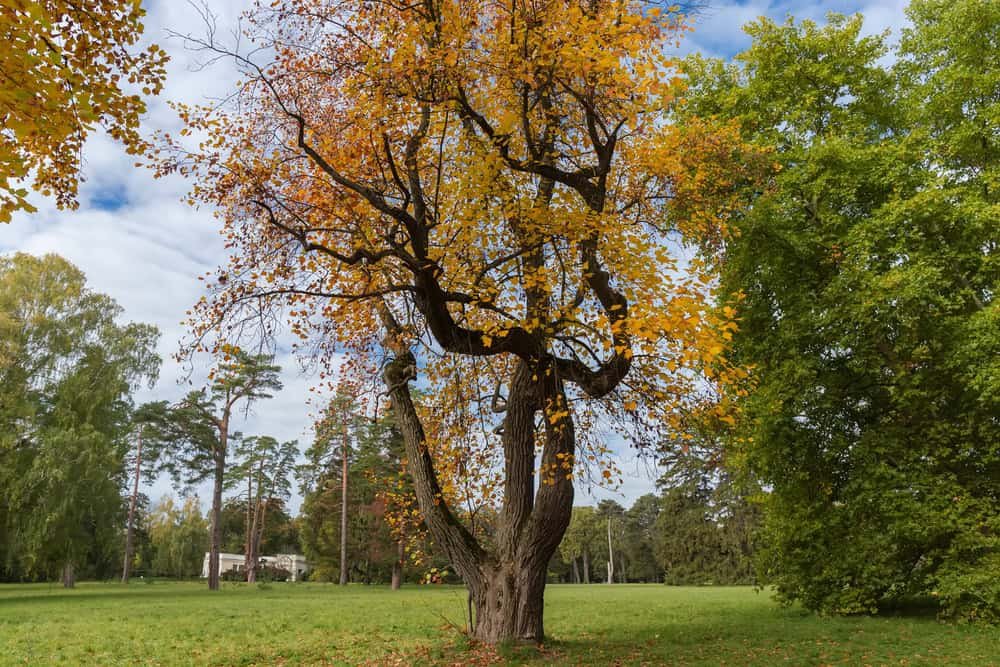
Urban green spaces support biodiversity by providing habitats for various species of plants and animals. This biodiversity is crucial for maintaining ecological balance, which in turn supports human health. The presence of diverse species enhances the ecological health of urban areas, indirectly benefiting human inhabitants.
Designing for Accessibility and Inclusiveness
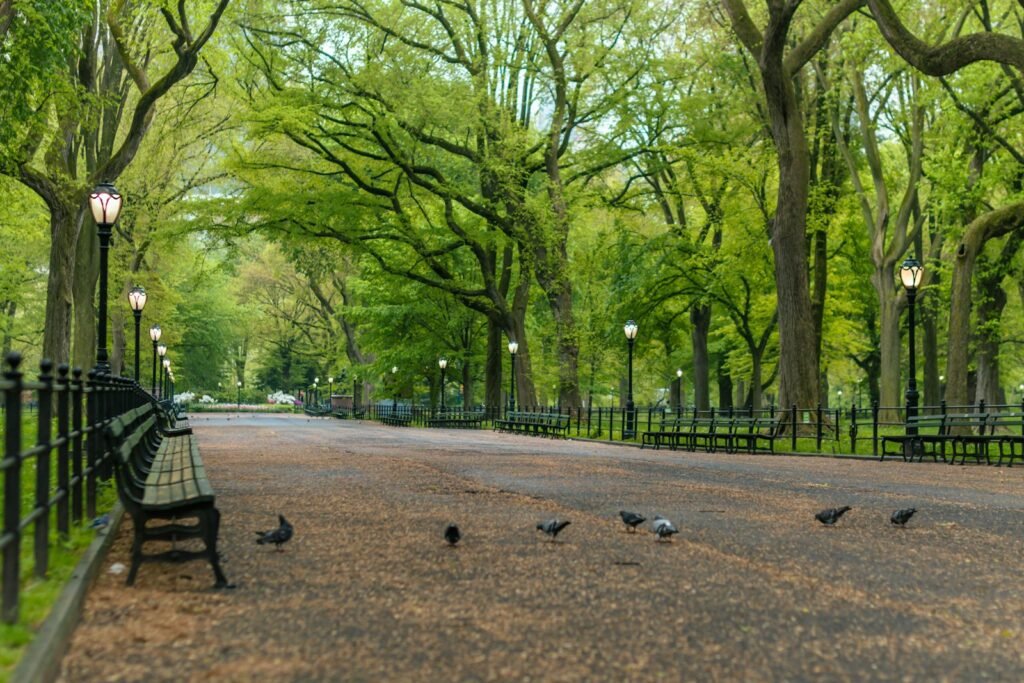
To maximize the health benefits of urban green spaces, it is essential they are designed for accessibility and inclusiveness. Well-maintained paths, benches, and facilities ensure that individuals of all ages and physical abilities can enjoy these natural oases. Inclusive design also considers the cultural and recreational needs of diverse populations.
Conclusion
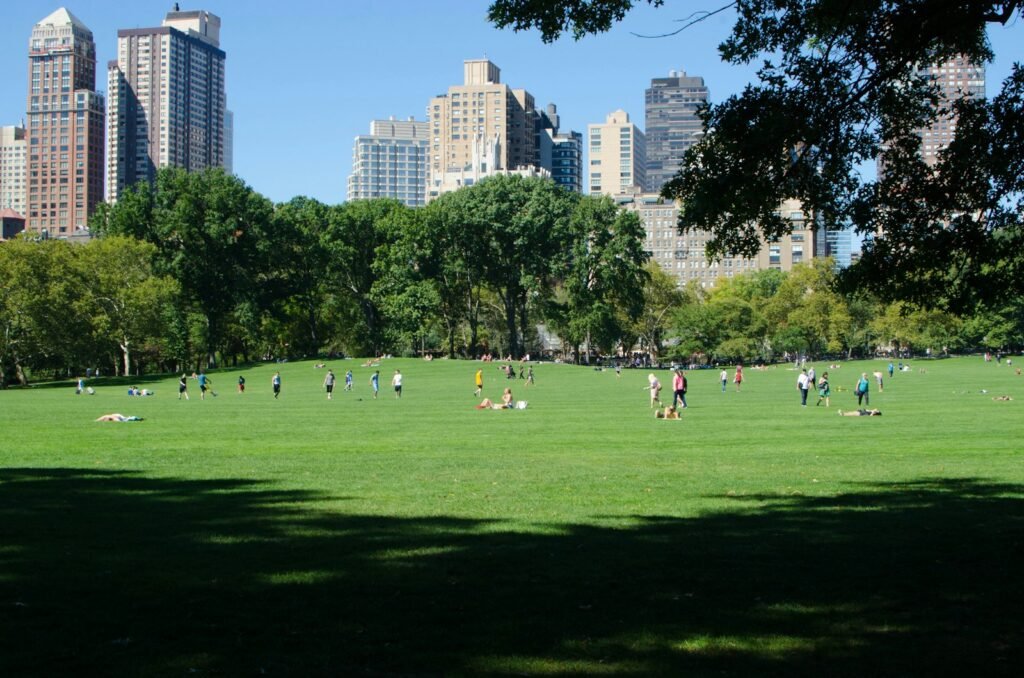
Urban green spaces are not mere patches of greenery but are vital components of healthy metropolitan areas. They serve as natural antidotes to the stress and physical ailments associated with urban living. By promoting mental well-being, fostering physical health, encouraging social interaction, and enhancing air quality and biodiversity, these spaces are indispensable to human flourishing. As cities continue to grow, the importance of integrating and expanding these green havens into urban planning cannot be overstated. They are investments in our collective health and well-being, paving the way toward sustainable and healthier urban futures.