
You probably grew up hearing that the peregrine falcon is the fastest animal on Earth, but you might not have realized that modern fighter jets quietly borrow design tricks from this bird. When you watch a falcon plunge toward its prey, you’re basically looking at a natural prototype for high-speed, high-performance aircraft. Engineers have studied those dives frame by frame, then asked a simple question: how can you steal that design without the feathers?
As you dig into the details, you start to see the same ideas show up again and again: streamline the shape, control the airflow, protect fragile parts, and maintain vision and control at insane speeds. You’ll find that when you look at a falcon and when you look at a jet, you’re really looking at two answers to the same physics problem. One evolved over millions of years; the other was hammered out in wind tunnels and CAD programs. And the parallels are honestly kind of jaw-dropping.
The Falcon’s Streamlined Body And The Jet’s Aerodynamic Fuselage
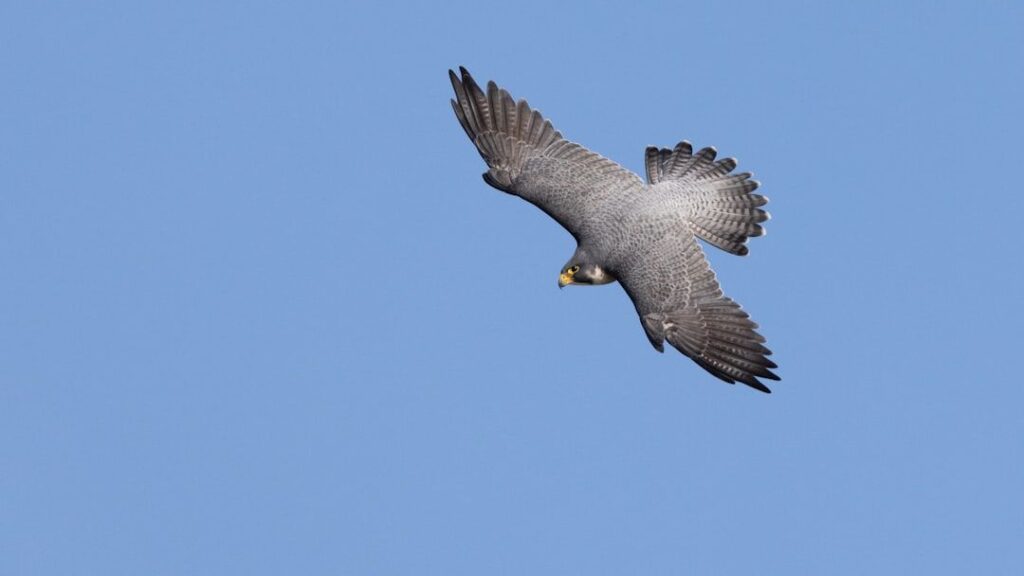
Picture a peregrine falcon in a hunting dive: wings pulled in, body stretched out like a teardrop, every feather pressed tight to cut through the air. You’re seeing a textbook example of how to minimize drag and keep the airflow smooth along a body at breathtaking speed. That sleek, tapered shape lets the falcon slice through the sky rather than push against it, which is exactly what you want when gravity and momentum are doing the heavy lifting.
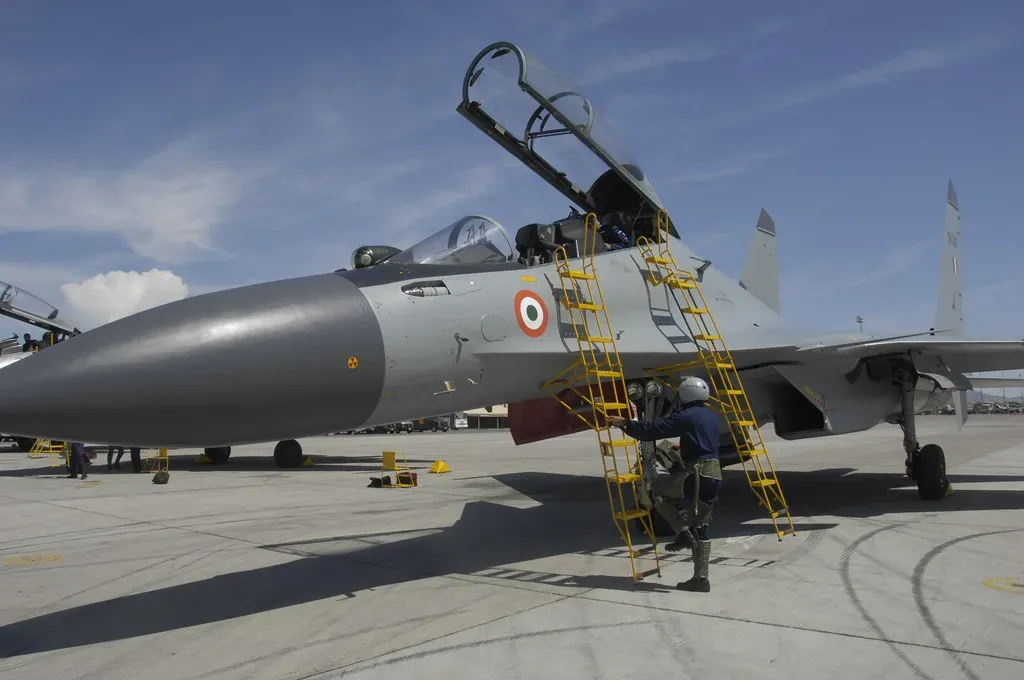
Now think about a modern fighter jet’s fuselage: long, narrow, curved, and carefully blended into the wings and tail. You’re essentially looking at a metal echo of that falcon profile, just scaled up and tuned for supersonic flight. Designers obsess over how air flows around the nose, canopy, and intake areas in the same way nature “obsessed” over the falcon’s beak, head, and chest. When your body shape decides whether you hit top speed or stall out, you start caring about streamlining as much as a hunting bird does.
Swept, Tapered Wings And High-Speed Jet Wings
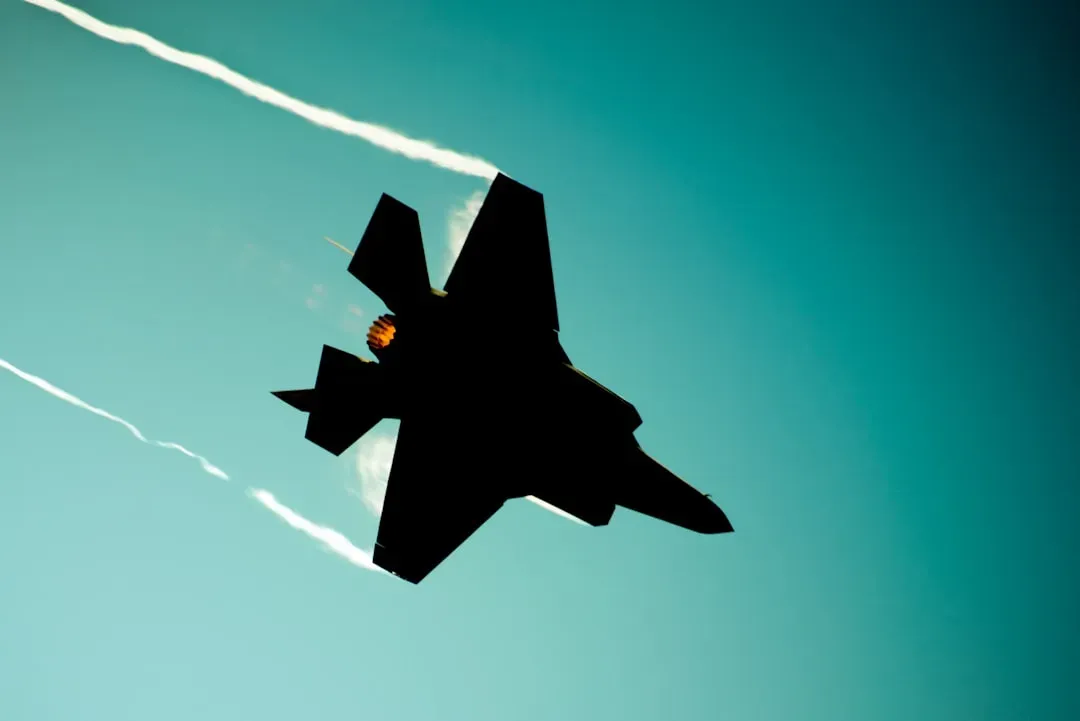
When the falcon goes into a stoop, you see its wings transform from broad, flapping airfoils into narrow, swept-back blades. By pulling the wings tight and angling them back, the bird reduces drag and stabilizes its dive, trading maneuverability for raw speed. You’re watching a built-in variable-geometry wing in action, tuned for different flight phases without a single hydraulic line or servo motor.
Fighter jets, especially those designed for high-speed interception or dogfighting, use a similar logic. Swept and tapered wings help delay shock waves at high Mach numbers and keep the aircraft more stable when it punches through dense air. You see this in delta wings, sharply swept leading edges, and slender tip geometry that echoes the falcon’s tucked-in silhouette. When you notice how a jet’s wing shape shifts its behavior from low-speed landing to high-speed dash, you’re seeing the same tradeoffs the falcon has already solved in feathers.
Narrow, Pointed Head And Jet Nose For Cutting Through Air
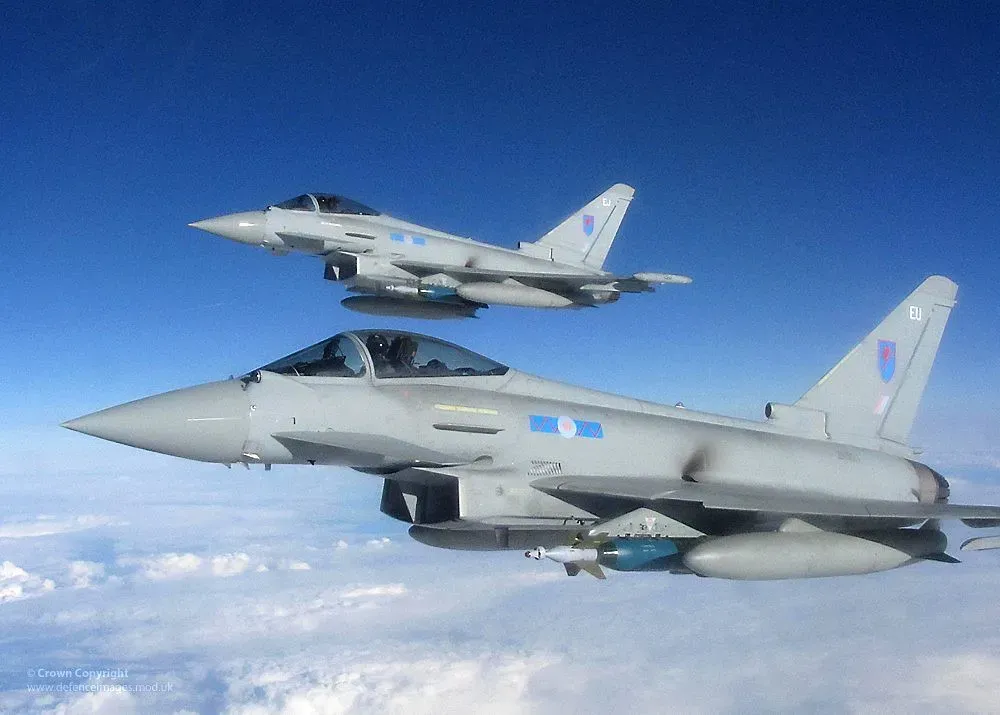
If you look closely at a peregrine’s head in a dive, you’ll notice how sharply it narrows toward the beak, with a smooth curve that guides air around it. That small, rounded yet pointed head acts like a natural nose cone, helping the bird slice into the oncoming air while keeping turbulence from hammering its eyes and face. You might not think of a bird’s face as an engineering solution, but in a way it works like a biological fairing.
Fighter jets rely on the same principle: a carefully shaped nose that leads the rest of the aircraft into the airflow. Engineers design these noses to reduce drag, manage shock waves, and protect sensitive sensors inside. When you see that long pointed front end on an interceptor, you’re glimpsing the same idea that lets a falcon dive safely at extreme speeds. Both the bird and the jet accept that you need a clean, aerodynamic spearhead if you want the rest of the body to survive what the air is about to do to it.
Nasal Baffles And How Jets Manage Airflow And Pressure
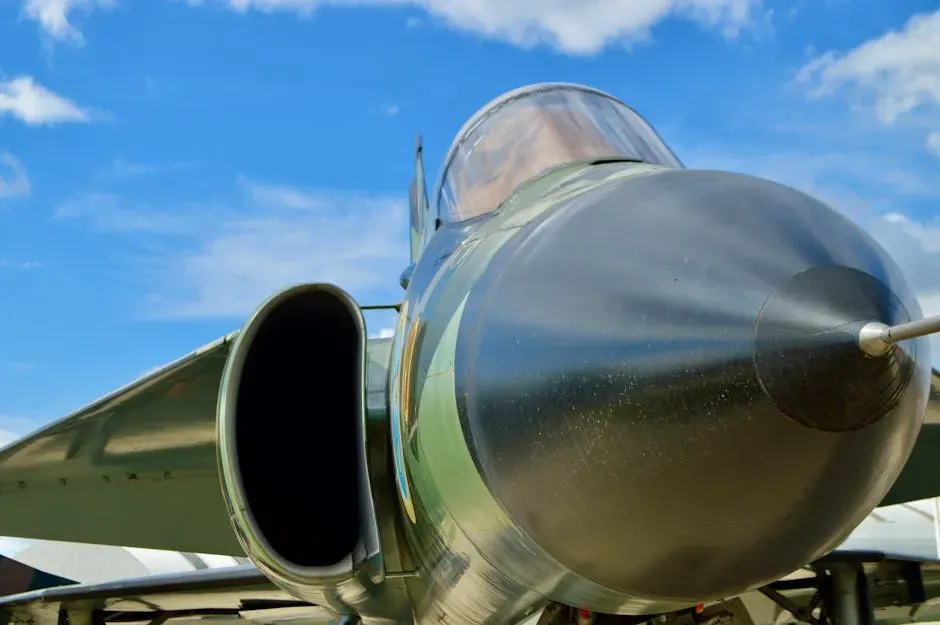
One of the wildest details you notice in a peregrine falcon is inside its nostrils. Each nostril has a small bony structure that helps break up the incoming air, so the bird can breathe without its lungs getting blasted by high-speed pressure. You can think of it as a built-in pressure regulator, a tiny flow-management device that lets the falcon stay conscious and functional instead of being overwhelmed by its own speed.
When you look at the inlets and ducts on a fighter jet, you’re seeing a similar mindset, just on a larger and more mechanical scale. Jet engines need air, but they need it at the right speed and pressure, even when the aircraft is moving much faster than the airflow the engine can handle. So you get intake ramps, splitter plates, and shaped ducts that slow, redirect, and condition the air before it hits the compressor. You’re watching engineers solve the same problem the falcon already tackled in miniature: how do you move through the sky at deadly speeds without letting that speed destroy your breathing system?
Feather Structure And Control Surfaces On Fighter Jets
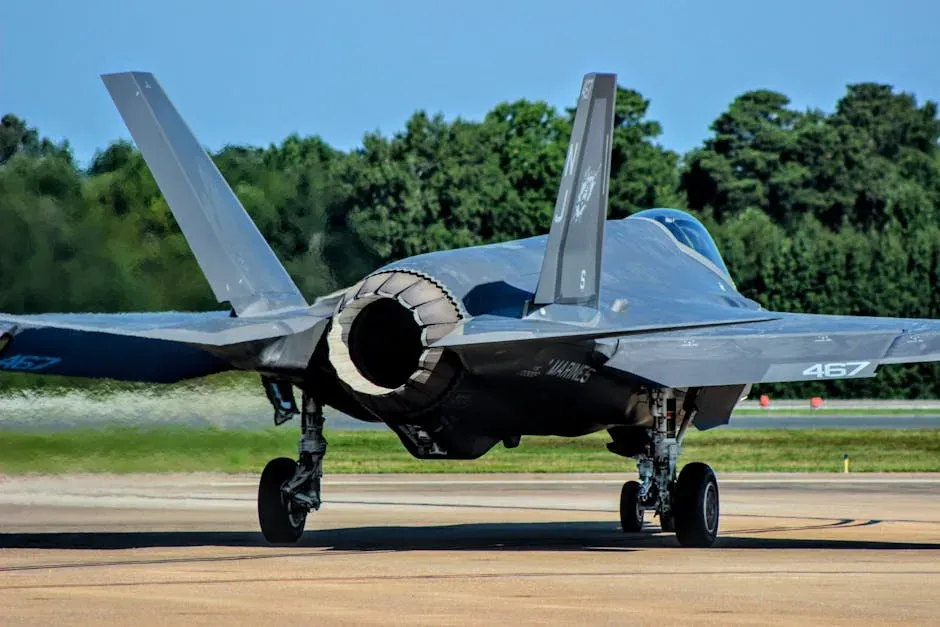
When you watch a falcon turn sharply or adjust its dive angle in slow motion, you see individual feathers flex, pivot, and spread. Tail feathers fan out like a rudder and elevator in one, while smaller wing feathers tweak subtle shifts in lift and drag. You’re basically seeing a living, feather-covered control system where each component can make fine adjustments for stability and maneuvering.
Fighter jets do this with flaps, ailerons, elevators, rudders, and sometimes even tiny tabs or leading-edge devices that nudge the airflow just enough. Instead of feather shafts and muscles, you get actuators and hinges, but the purpose is the same: give the pilot authority over pitch, roll, and yaw at every moment. When you realize that a falcon’s tail works like an all-in-one tailplane and vertical stabilizer, it becomes a lot easier to see why a jet’s tail surfaces look the way they do.
Superb Eyesight And Fighter Jet Pilot Visibility
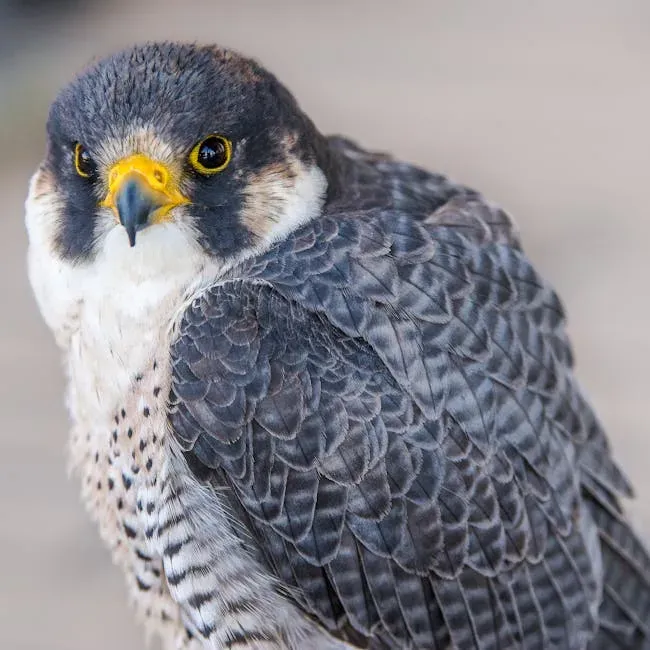
A peregrine falcon depends on frighteningly sharp vision to spot prey from huge distances while moving at high speed. Its eyes are positioned and shaped to maximize forward focus and depth perception, letting it predict where its target will be, not just where it is. You’re looking at a flying hunter whose entire survival depends on not losing sight of the tiny speck it is chasing, even while wind and motion try to shake its view.
When you think about a fighter jet canopy, you’re really seeing a man-made attempt to give pilots something like that same visual edge. The bubble-shaped canopy, wide field of view, and careful framing are all about minimizing blind spots and distortion. Modern head-up displays and helmet systems are layered on top to keep key information in your line of sight, the way the falcon’s brain keeps tracking and targeting wired directly to its vision. You may not have raptor eyes, but the cockpit is designed to push you a little closer to that level of awareness.
Shock Tolerance, Structural Strength, And G-Load Design
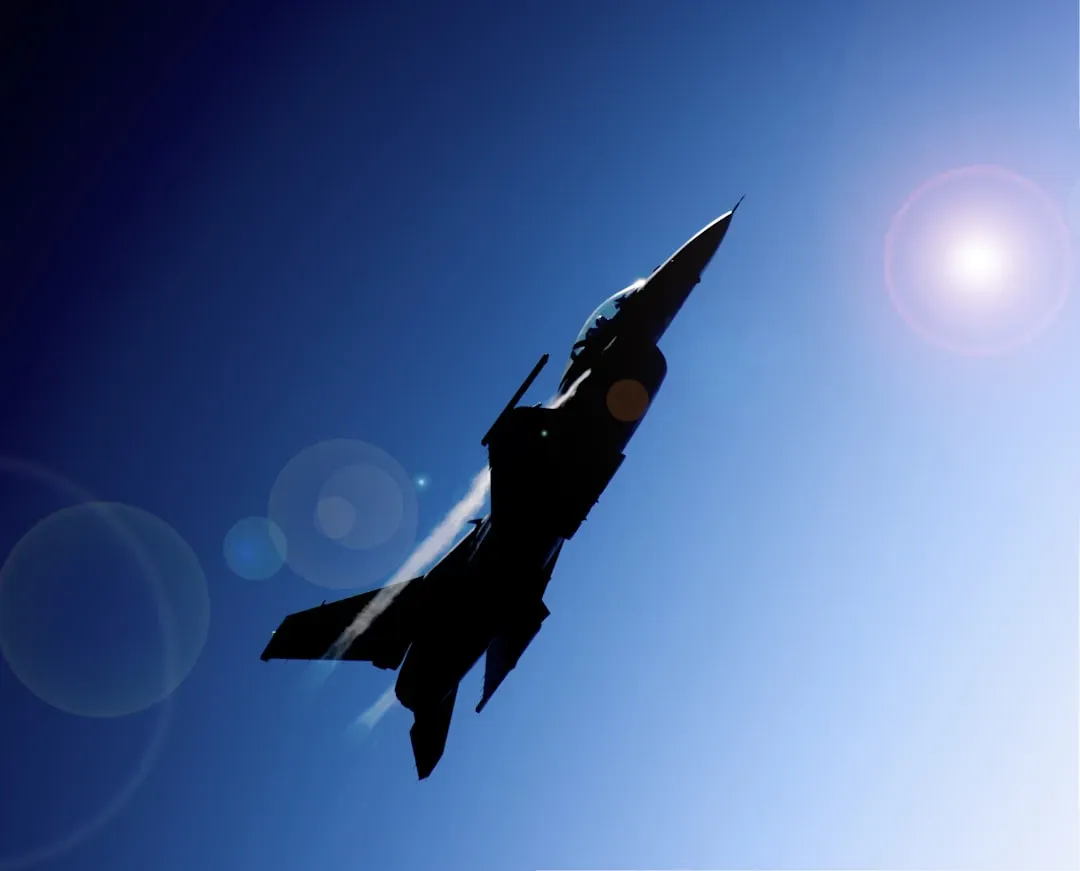
When a peregrine pulls out of a dive, it experiences intense forces as it curves back into level flight. Its bones, muscles, and tendons have to handle sudden loads without snapping or tearing, and its circulatory system needs to keep blood flowing to the brain despite the violent maneuver. You’re looking at a creature that has been naturally tuned to survive both impact with air and extreme changes in direction.
Fighter jets and their pilots wrestle with the same problem. The airframe is built from materials and structures that can withstand high G-forces in tight turns or rapid pull-ups, much like the falcon’s skeleton is built to avoid catastrophic failure. Pilots wear special suits and train to manage blood flow, echoing the bird’s biological ability to stay conscious in demanding maneuvers. When you see both the bird and the jet carve a sharp arc through the sky, you’re seeing two different solutions to the same brutal forces.
Energy Efficiency In Flight And Range In Fighter Design
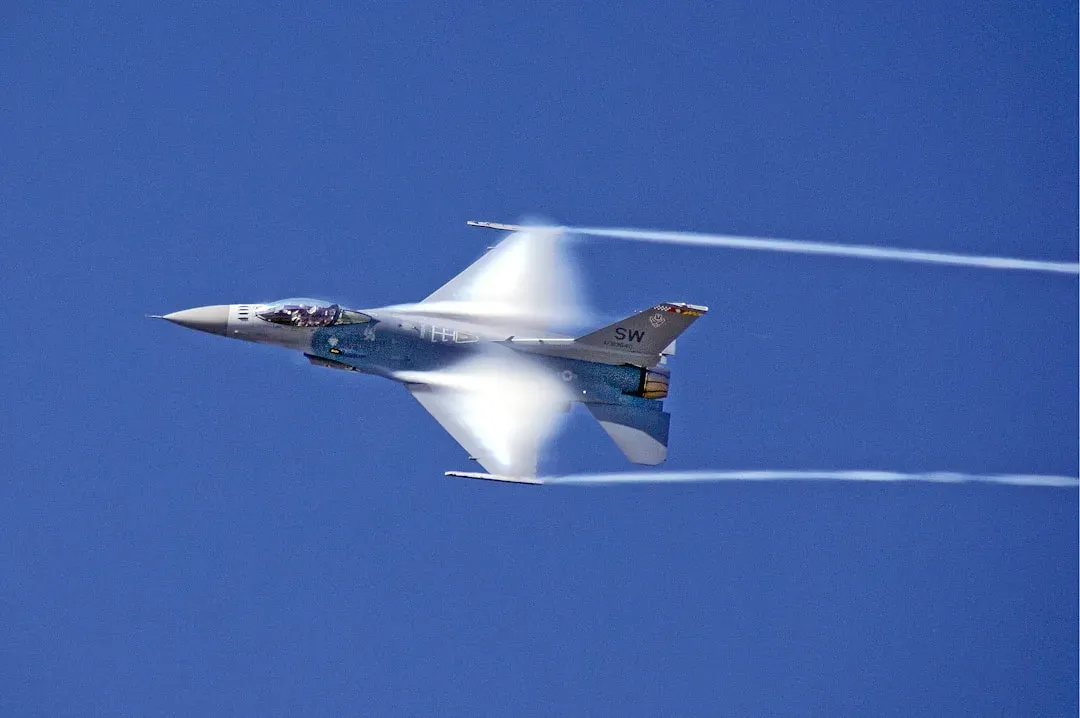
A peregrine falcon is not just a speed demon; it is a master at using gravity, thermals, and momentum to conserve energy. By soaring, gliding, and timing its dives, it can cover large areas while spending surprisingly little of its own metabolic fuel. You could think of its flight strategy as an ultra-efficient energy budget, where every flap and every dive has a purpose.
Fighter jet designers care deeply about a similar kind of efficiency, even if the scale is very different. By shaping the airframe carefully and reducing drag, you extend range, increase loiter time, and give the pilot more options in combat or patrol. Fuel is heavy and limited, just like a falcon’s stored energy, so anything that helps you do more with less matters. When you see a jet cruising at altitude in a clean, streamlined configuration, you’re seeing the same principle that lets a falcon travel far without wearing itself out.
Silent Approach And Signature Reduction In Modern Jets
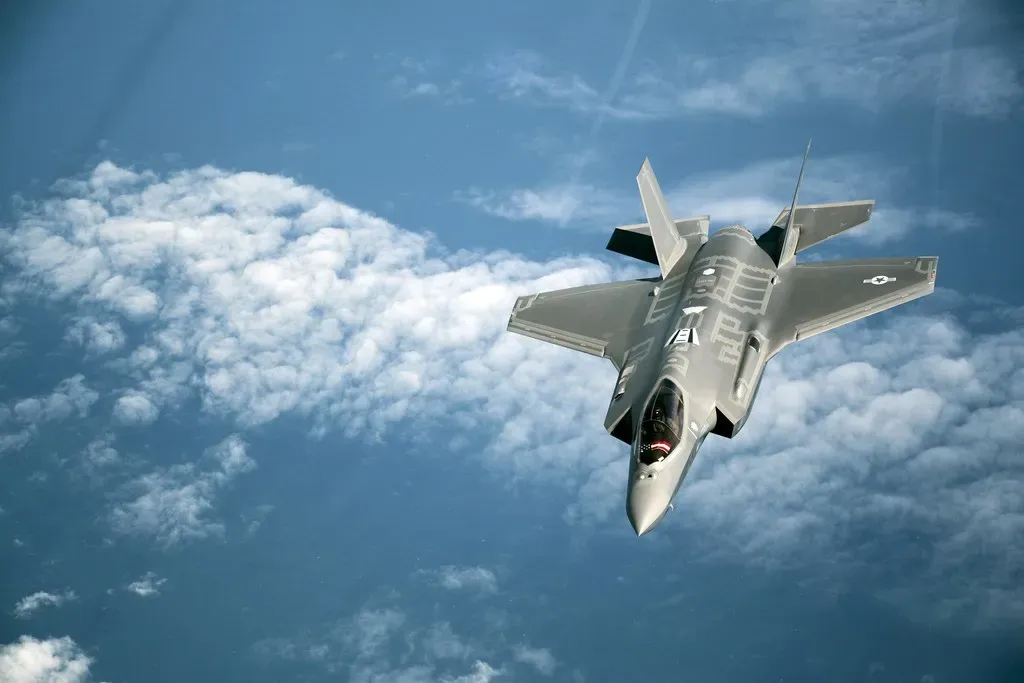
When a falcon is closing in on prey, it benefits from reducing noise and visual cues, using its streamlined shape and controlled approach to avoid detection until the last possible moment. You might notice how its coloration, posture, and flight path help it blend into the sky, especially from the perspective of an animal on the ground looking up. That combination of speed and surprise turns the bird into a near-invisible missile.
Modern fighter jets, especially those designed with stealth in mind, chase a similar mix of speed and subtlety. Their shapes are meant not only to move efficiently through air but also to scatter radar waves and reduce visible signatures. You’re seeing edges, curves, and coatings that make the aircraft harder to detect until it is already in position, echoing the falcon’s advantage of closing the gap before its target can react. Both rely on the idea that the less warning you give, the more effective your strike becomes.
Agility In The Hunt And Dogfighting Maneuverability
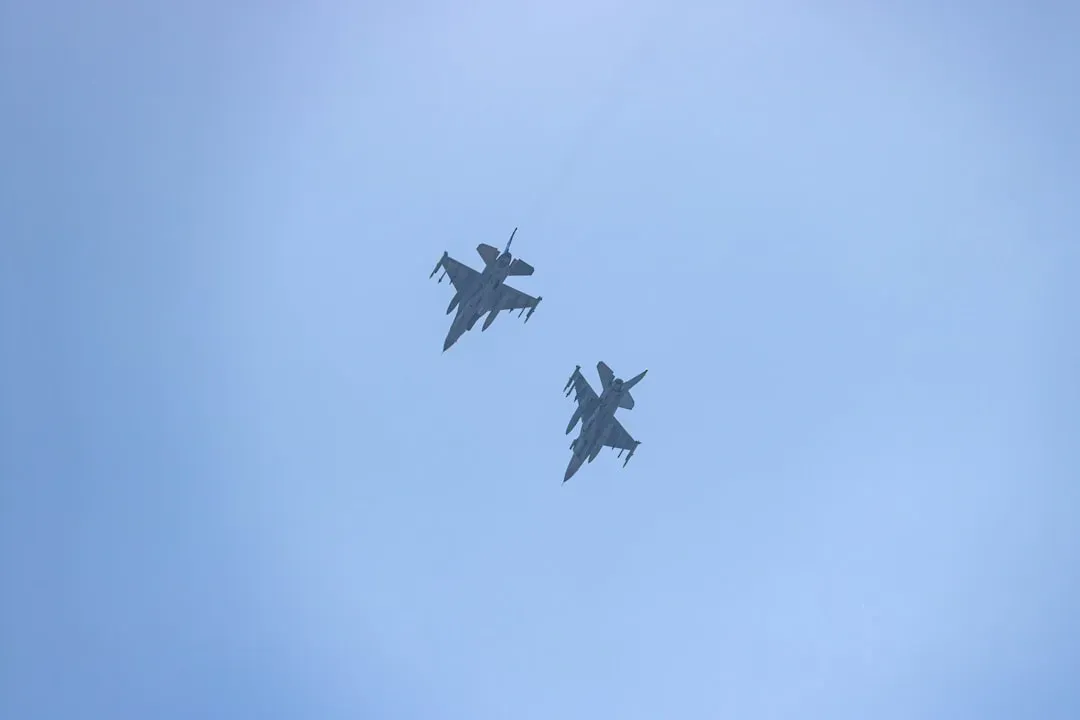
Watch a peregrine break off a dive and begin weaving after a dodging bird, and you’ll see eye-watering agility. It can roll, twist, and change direction quickly, using its tail and wings like precision steering tools while still carrying significant speed. You’re watching a balance of stability and instability that lets it stay just controllable enough to be deadly.
Fighter jets are designed with a similar sweet spot in mind: stable enough to fly safely, unstable enough to turn fast and respond instantly to control inputs. Fly-by-wire systems, advanced aerodynamics, and powerful engines give you that same ability to change direction rapidly in a dogfight. When you see a jet pull a high-angle turn or perform an aggressive roll, you’re seeing a technological mirror of what a falcon does to close the distance on fleeing prey. Both are built to win in dynamic, three-dimensional chases where hesitation means losing.
Conclusion: Nature’s Blueprint For Human Engineering
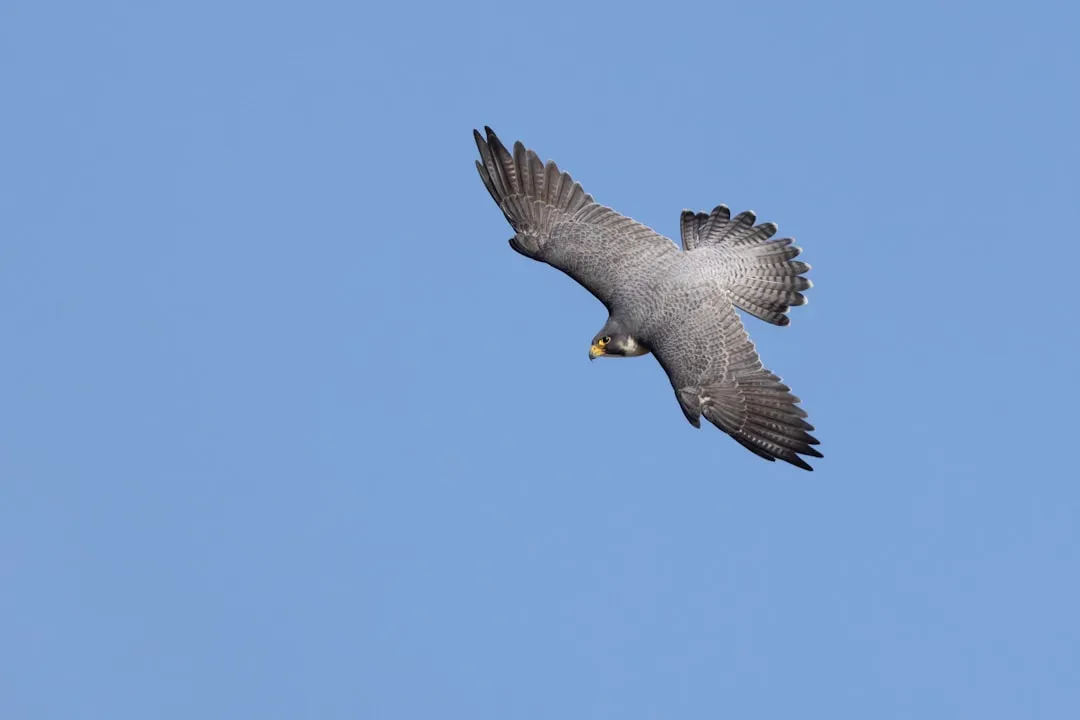
When you step back and look at the peregrine falcon alongside modern fighter jets, you start to see more than just a fast bird and a powerful machine. You see a shared language of shapes, forces, and tradeoffs, where nature’s solutions quietly guide human innovation. From the tapered head and swept wings to the clever handling of airflow and pressure, you’re watching engineers learn from a master that has spent countless generations optimizing for speed and control.
The next time you see footage of a jet roaring across the sky or a falcon dropping like a stone toward its target, you can spot the echoes between them. You’re not just looking at coincidence; you’re looking at human minds studying a wild, feathered blueprint and turning it into metal, composites, and code. It raises a simple, lingering question for you to chew on: if one bird can inspire this much engineering, what other designs are still hiding in plain sight in the natural world you walk through every day?