
You probably do not wake up thinking about your own death, but it is quietly there in the background, nudging your choices in ways you rarely notice. Psychologists sometimes call this the awareness of mortality, and it has a strange power: when you are reminded that life ends, you often cling harder to what feels meaningful, safe, or familiar, even if you cannot say why. You buy certain things, defend certain beliefs, or chase certain goals partly because some ancient part of you is whispering that time is limited.
Once you start to notice it, you can see the subtle fingerprints of death anxiety almost everywhere: in your ambition, your relationships, your desire for status, even the way you post on social media. That might sound dark, but there is an upside. When you understand how the fear of death moves you, you can stop being pushed around by it. Instead, you can use it as a compass, pointing you back toward what actually matters to you while you are still here.
The Hidden Psychology of Mortality: What You Try Not to Think About
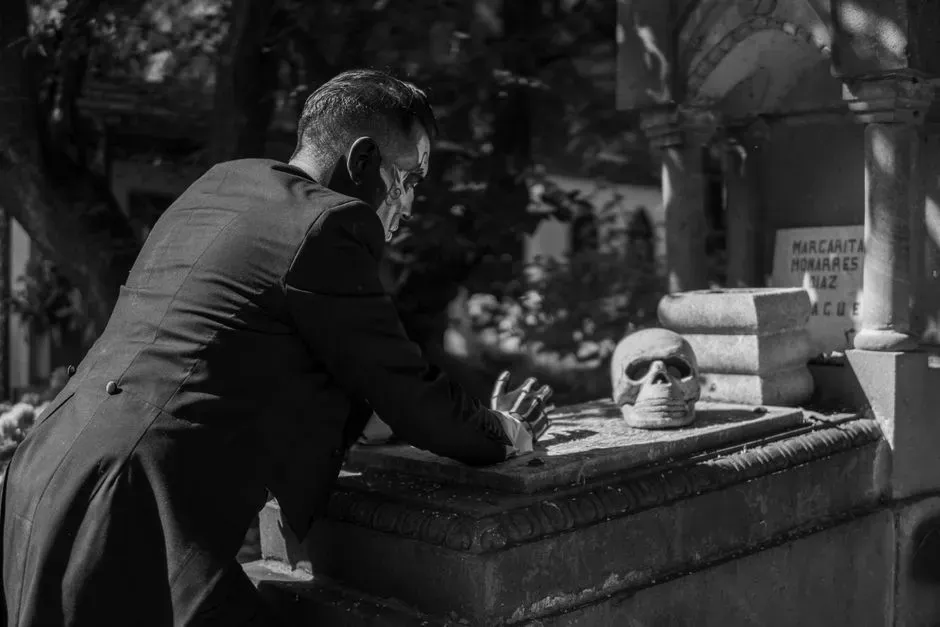
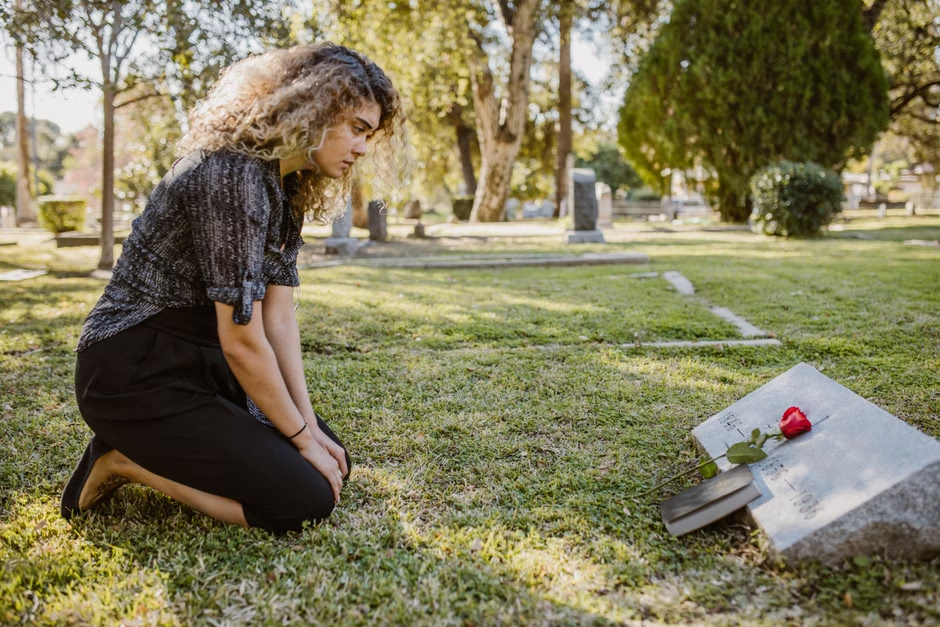
Think about the last time you drove past a cemetery, heard an ambulance siren, or read about a celebrity dying. You probably did not stop your day to contemplate your own funeral, yet your mood or behavior may have shifted a little without you realizing it. Decades of psychological research suggest that when you are subtly reminded of death, you tend to lean more heavily on your existing beliefs, habits, and identities, almost like you are pulling a warm blanket over your head when the room gets cold. You might feel a stronger pull toward your cultural group, your religion, your political tribe, or even something as simple as your favorite sports team.
At the core, you are trying to manage a basic tension: you know you are a fragile body that can be hurt or lost at any time, but you also want to feel like your life has lasting meaning. To bridge that gap, you usually attach yourself to ideas, communities, and stories that promise some kind of symbolic immortality, whether that is through legacy, reputation, family, or faith. You do not have to consciously think about death for this to happen; your brain does the math in the background. When something quietly reminds you that you will not be here forever, you often respond by doubling down on whatever makes you feel bigger than your own lifespan.
Why You Chase Success, Legacy, and “Making a Mark”

When you feel that life is short, the urge to make it count gets louder. That is one reason you may care so much about achievements: getting a promotion, publishing a book, raising children, building a company, or even just having your name remembered in some small way. You are not only collecting wins; you are building a story about yourself that outlives your physical body. Even if nobody ever builds a statue of you, you probably still hope that at least a few people will remember you fondly, tell your stories, or benefit from something you created.
This drive can be healthy or exhausting, depending on how you handle it. On the healthy side, the awareness that life is limited can push you to learn more, create more, and waste less time on things that do not align with your values. On the unhealthy side, you can get trapped in a constant race, always feeling behind, as if every year is a ticking scoreboard of your worth. When you notice yourself obsessing over whether you have done “enough” for your age, you are often bumping up against that quiet fear that you might run out of time before you become who you want to be.
Love, Family, and the Urge to Belong Somewhere

Part of why relationships matter so much to you is that they soften the raw edge of mortality. When you are deeply connected to others, your sense of self stretches beyond your own body and into a web of people who know you, care about you, and carry pieces of you in their memories and habits. You might feel this when you see a parent’s gesture in your own hands, or when you catch yourself using a phrase that a close friend always said. In a quiet way, moments like that reassure you that a part of you can continue on in others even after you are gone.
This is also why the fear of being forgotten can sting so badly. You might feel pressure to have children, stay close to family, or maintain certain social roles because they offer a sense of continuity and belonging that stretches across time. When something threatens those bonds – like a breakup, a falling out, or a serious illness in the family – it can stir deeper fears than you expect, because it is rubbing against that underlying question of whether your life leaves any lasting trace. Recognizing this does not make your love less real; if anything, it highlights just how precious your connections really are.
Risk-Taking, Safety, and the Way You Dance With Danger

Your attitude toward risk is often shaped by how closely you feel death breathing down your neck. When mortality feels far away, you might lean into thrill-seeking, whether that is extreme sports, reckless driving, or financial gambles that get your heart racing. On some level, flirting with danger can feel like a way of proving you are still alive and powerful, almost like you are daring the universe to try you. But when something suddenly makes death feel real – a health scare, a car accident, a pandemic – you may swing hard in the other direction, craving safety and control.
You can probably see this pattern in everyday choices too: deciding whether to wear a helmet, how often you go to the doctor, or how strictly you follow safety rules at work or in public. When you feel vulnerable, you cling more tightly to precautions and routines that lower your sense of risk. Neither extreme is inherently right or wrong, but it helps to notice when your decisions are being driven less by clear reasoning and more by a spike of anxiety. When you can name that fear, you are less likely to either smother your life in caution or waste it chasing thrills that do not actually bring lasting meaning.
Beliefs, Worldviews, and Why You Defend Them So Fiercely

Have you ever felt oddly angry when someone questioned your deepest beliefs, even if they did it politely? That reaction often has roots in mortality. Your worldview – whether religious, spiritual, or secular – is usually your main framework for making sense of life and death. It tells you what happens when you die, why you are here at all, and how a fragile life can have value. So when someone challenges that framework, it can feel less like a simple disagreement and more like an attack on your psychological safety net.
This is one reason people sometimes become more rigid and defensive when they feel threatened or reminded of their own vulnerability. You might cling more tightly to your group’s symbols, slogans, or moral rules, because they give you a feeling of being anchored in something bigger and more durable than your individual body. It does not matter whether that “something bigger” is a nation, a faith, a movement, or a philosophy; the function is similar. Understanding this can make you a bit more compassionate with yourself and others. You start to see that many heated arguments are really two scared creatures trying to protect the stories that help them sleep at night.
Consumer Choices, Status, and the Illusion of Outrunning Time
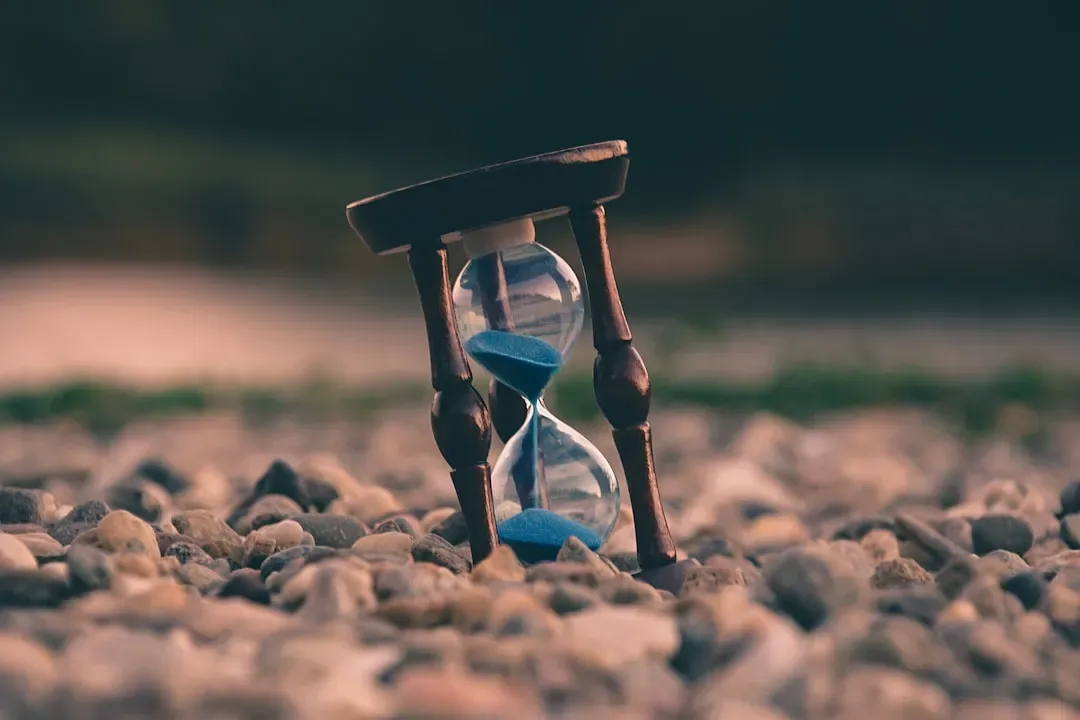
If you look closely at advertising, you will notice how often it quietly plays on your fear of aging, irrelevance, or decline. You are sold not just products, but promises: to look younger, feel stronger, appear more powerful, stand out from the crowd. Buying certain brands can become a way of signaling that you are successful, attractive, or important, all of which can feel like tiny shields against the reality that time is passing. In a subtle way, you may be trying to purchase little pieces of symbolic immortality, whether that is through luxury goods, anti-aging treatments, or public recognition.
Social status works much the same way. Having your achievements displayed, your name on a plaque, your follower count visible to the world – all of this can create an illusion that you are carving your initials into history before the wave washes over you. There is nothing wrong with enjoying nice things or feeling proud of your success, but it helps to ask yourself now and then: are you buying this or chasing this because it truly enriches your life, or because you are afraid of disappearing? When you can answer that honestly, you can start spending your time and money in ways that actually feel like living, not just hiding from the clock.
Health Habits, Longevity, and the Quest to Outlast Yourself

Every time you Google a symptom, start a new diet, join a gym, or schedule a checkup, you are in some way bargaining with your mortality. You know you cannot control everything, but you hope that by making the right choices you can add more pages to your story. Health advice can become almost like modern magic spells: eat this, avoid that, do these exercises, and maybe you can hold off the inevitable a little longer. Sometimes this is empowering, helping you take real steps to reduce risk and feel better in your body.
But there is a line where sensible care tips over into obsessive fear. You might find yourself constantly scanning for early signs of illness, jumping from one supplement trend to the next, or feeling guilty whenever you eat something “wrong.” Underneath that, there is usually a scared voice insisting that if you just do everything perfectly, you can avoid death, or at least avoid the feeling that you wasted your chance. The truth is more uncomfortable and more freeing: you can influence your health, but you cannot completely control your fate. Once you accept that, you can choose habits because they make your present life richer, not just because you are terrified of the end.
Turning Death Awareness Into a More Courageous Life
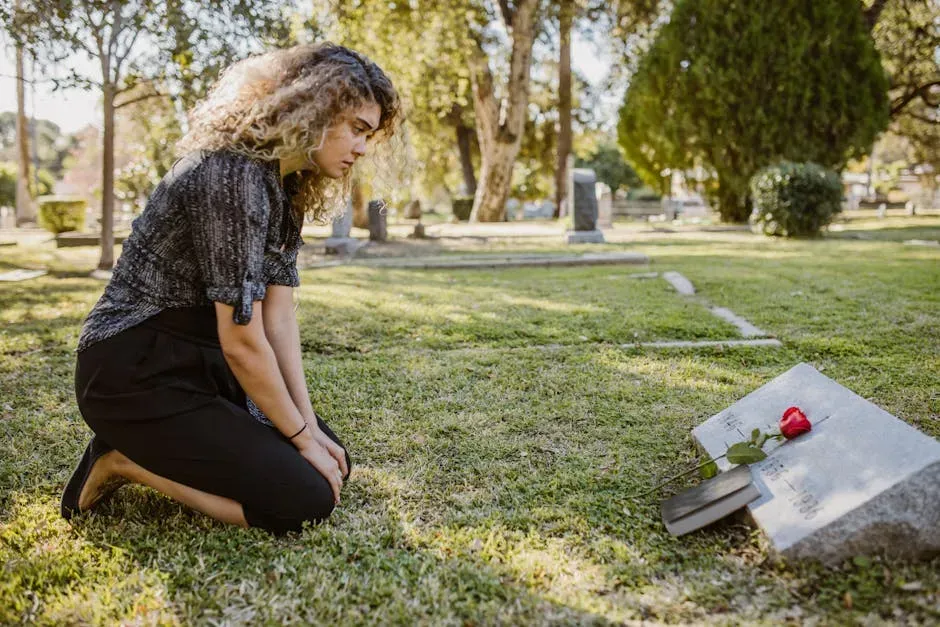
Here is the strange gift buried in all of this: when you stop pretending death is not there, you often become more alive. When you honestly face the fact that your time is limited, trivial annoyances lose some of their power, and your true priorities become clearer. You might suddenly realize that the project you keep postponing, the conversation you keep avoiding, or the trip you keep dreaming about are exactly what deserve your energy now. Instead of letting fear quietly steer you into autopilot, you can let it sharpen your sense of what really matters to you.
In my own life, the times I have been closest to death – sitting in hospitals, getting unsettling test results, or seeing someone I love fade – have stripped away the nonsense faster than anything else. You may have experienced that too: that eerie clarity where you know exactly who you want to call, what you want to say, and what no longer deserves your worry. You do not have to wait for a crisis to tap into that clarity. You can gently remind yourself that you are temporary, and then use that knowledge not to panic, but to live more intentionally, love more openly, and waste less time on roles and expectations that do not fit you.
Conclusion: Letting Mortality Make You Kinder and More Awake
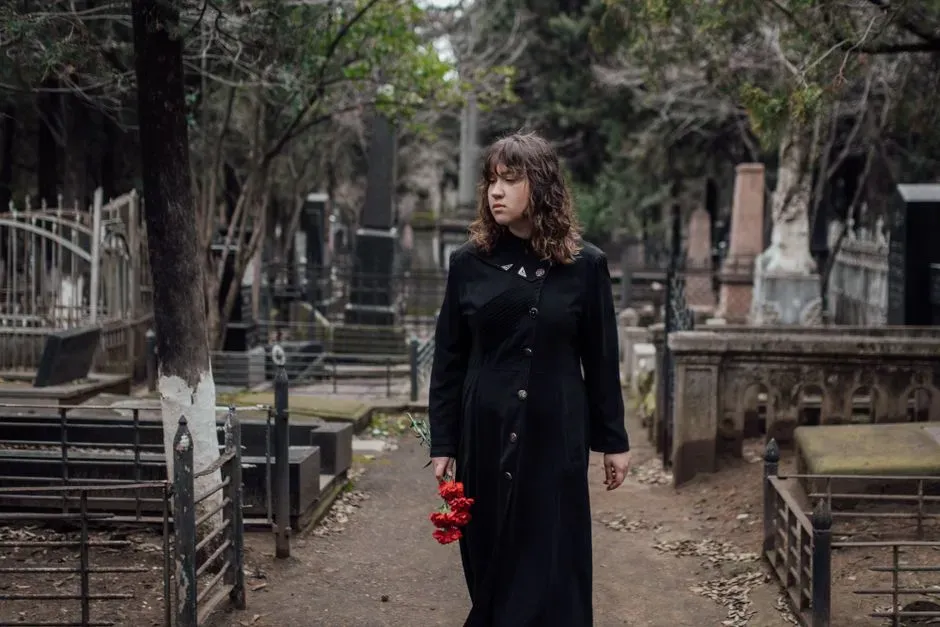
The fear of death is not a flaw in you; it is a built-in alarm system that helped your ancestors survive long enough to have descendants at all. Today, that same system still hums in the background, nudging your beliefs, relationships, purchases, and ambitions in ways you usually do not see. You seek legacy because you know you will not last forever; you cling to your group because you do not want to face the dark alone; you chase health and status because they promise, however faintly, to push the end a little farther away. Once you recognize this, you can stop being quietly ruled by it.
Instead, you can let mortality awareness become your teacher. You can ask yourself, when you are stuck or torn, what you would choose if you fully remembered that your time is finite and precious. Often the answer is simpler and kinder than you expect: call the person, start the project, rest when you are tired, say what you mean. You cannot change the fact that one day you will be gone, but you can absolutely change how deeply you show up while you are here. Knowing that, how do you want death’s quiet influence to shape your next ordinary day?