
You probably don’t wake up in the morning thinking, “I’m going to die one day.” Most of us shove that thought into a dark corner of the mind and get on with emails, coffee, and traffic. Yet, like a low background hum you only notice when the room falls silent, the awareness that life ends is always there, subtly shaping what we buy, how we love, what we post, and even who we vote for. It does not shout; it nudges, whispers, and steers.
Psychologists sometimes call this “mortality salience,” but in daily life it just looks like the rush to “make something of myself,” the sudden panic at a birthday, the way we cling harder to our group when the world feels dangerous. I still remember sitting in a hospital waiting room once, watching strangers suddenly become gentle and soft-spoken for no obvious reason, and realizing: everyone here is feeling how fragile this all is. That quiet, uneasy knowledge that we won’t be here forever is not a side note in our story; it is one of the main plot devices. Let’s unpack how it moves us, often without our permission.
The Invisible Anxiety Humming in the Background
For most people, the fear of death does not show up as dramatic terror; it shows up as a vague restlessness that never quite goes away. You might call it anxiety, burnout, or just feeling “off,” but underneath there’s often a simple tension: time is limited and you know it, even if you avoid the words. That’s why idle moments can feel uncomfortable, as if you’re wasting something precious you can’t refill.
Researchers in psychology have spent decades studying what happens when people are subtly reminded of death, and the pattern is surprisingly consistent: our thoughts and behaviors shift, even when we think we are “fine.” People become more protective of their beliefs, more defensive when criticized, and more eager to prove their worth. I’ve felt that myself when hearing of someone my age dying suddenly; without deciding to, I start mentally checking my own life, my health, my choices, as if I can outrun the same fate by optimizing harder.
Chasing Legacy: Why We Obsess Over Purpose and Achievement

The modern obsession with leaving a legacy is, in many ways, a polished version of the fear of being erased. We talk about “making an impact,” “building a name,” and “creating something that lasts,” but underneath is a raw question: will any of this matter when I’m gone? That question quietly drives people to work late, push for promotions, and sacrifice present joy for some imagined future significance.
On social media, you can see legacy anxiety in real time: follower counts, personal brands, and carefully curated feeds are all tiny attempts to leave digital footprints that say, “I was here and I mattered.” Not everyone dreams of founding a company or writing a book, but nearly everyone wants to be remembered fondly by someone. The fear is not just of physical death, but of symbolic death – the idea of becoming invisible, forgotten, or irrelevant. Purpose becomes a shield: if my life stands for something, maybe nonexistence feels a little less brutal.
Clinging to Groups: How Mortality Fuels Tribalism and Identity

When death feels close – after a tragedy, a pandemic, or even a scary news headline – people often double down on their group identities. Nation, religion, political party, fandom, even diet tribes can suddenly feel more sacred. Being part of a strong “us” offers a sense of symbolic immortality: if my group, culture, or belief system endures, then some part of me lives on through it. That promise can feel soothing when everything else feels fragile.
This is why debates can become vicious when identity is at stake; the argument is not just about policies or preferences, it is about the survival of a worldview that holds death at bay. You can see it when people react more harshly to outsiders during uncertain times, or when they idealize national or religious symbols with extra intensity after threats or crises. The fear of death doesn’t just make us scared; it can also make us more rigid, more loyal, and sometimes more hostile to anyone who seems to threaten the story we cling to.
Love, Family, and the Need to Be Needed
Relationships often carry a secret emotional job description: help me feel that my life is not meaningless. Falling in love, having children, or building tight-knit friendships can all soften the edge of mortality by giving us a sense of continuity. Children literally carry our genetic legacy; partners and friends hold our stories and memories, even after we are gone. Being deeply known by another person is one of the few experiences that makes the idea of disappearing feel less terrifying.
At the same time, this can make us clingy or controlling without quite knowing why. The thought of losing a partner or a child can feel almost like a double death: theirs and the symbolic death of the future we imagined with them. I’ve watched people stay in unhealthy relationships because the alternative – being alone with their own thoughts about life and death – felt even scarier. The fear of death does not just push us toward love; it can trap us in it, or in the idea of it, because the alternative feels like staring over a cliff.
Health, Risk, and the Strange Ways We Try to Outrun the Inevitable

Look at modern wellness culture and you can see the fear of death dressed up in yoga pants and green juice. From strict diets to complex supplement routines, many of us are trying – sometimes desperately – to bargain with time. The message is often subtle: if you do everything right, maybe you can delay or soften the end. On one hand, this leads to genuinely healthier choices; on the other, it can spiral into obsession and guilt whenever we “slip up.”
The irony is that the same fear can also push people in the opposite direction, toward thrill-seeking and reckless behavior. If you believe “you only live once,” that mentality can justify extreme sports, substance use, or constant chasing of adrenaline as a way to feel more intensely alive while you can. I’ve felt a milder version of this after a close call on the highway: suddenly I want to book that trip, eat the dessert, confess the feeling I’ve been hiding. The awareness that everything can end in a second makes some people more cautious and others more impulsive, but it is the same engine under the hood.
Money, Status, and the Illusion of Safety
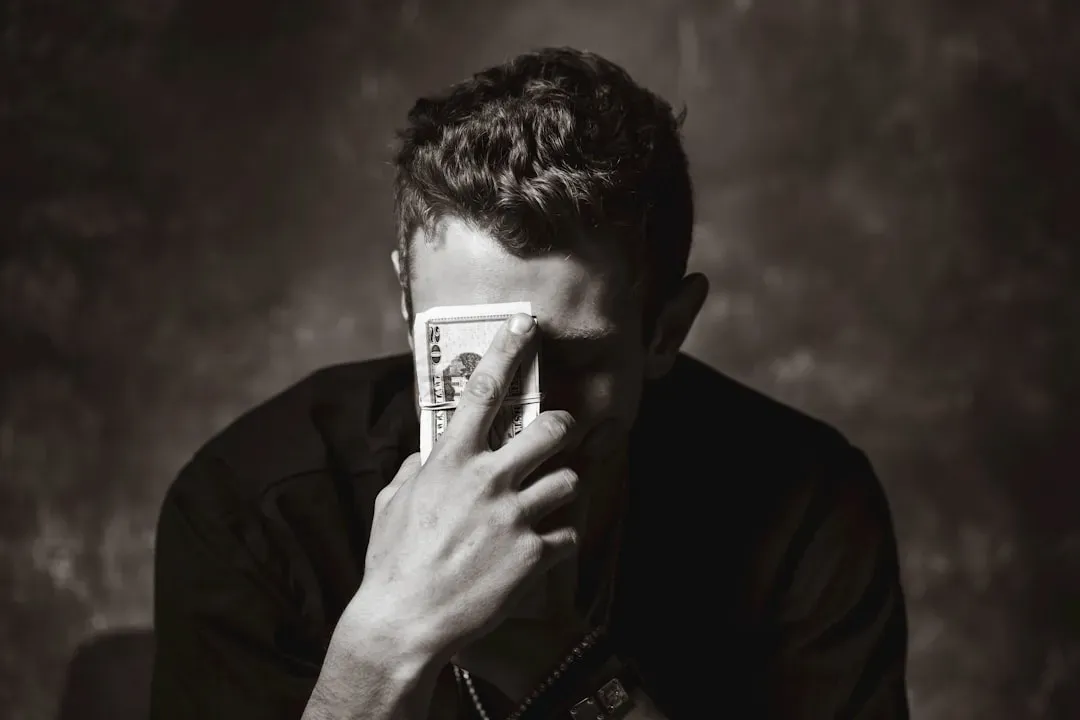
We rarely connect financial ambition to the fear of death, but they are often intertwined. Wealth promises control: better hospitals, safer neighborhoods, nicer food, more comfortable aging. Status promises visibility: if you are admired, envied, or influential, it feels harder to imagine simply vanishing without a trace. Together, money and status form a kind of psychological armor against the chaos and uncertainty of existence.
Yet this armor is porous. No matter how big the house or how full the bank account, the same basic vulnerability remains. You can see this when very successful people continue to chase more, long after their basic needs (and then some) are secure. It is not only greed; it is fear. If my worth is tied to my productivity or my title, the idea of aging, retiring, or being replaced feels like a rehearsal for death itself. The hustle culture mantra of “never stop grinding” sounds less heroic when you realize it sometimes hides a quiet terror of stopping long enough to feel how mortal we really are.
Culture, Creativity, and the Desire to Leave a Mark

Art, music, stories, and even memes are all ways humans try to stretch themselves beyond their natural lifespan. When someone writes a song, paints a mural, or records a podcast, there’s often a hope that it will outlive them, that strangers decades from now might still feel something because of their work. This is not just about ego; it is about continuity. Creating something that lasts is a way of saying, “Some part of me stays, even when my body doesn’t.”
Even on a smaller scale, people do this with photo albums, journals, and the random digital artifacts scattered across the internet. I sometimes catch myself wondering if an old blog post or comment will outlast me, floating around like a little time capsule of my younger brain. Culture is, in a way, a collective attempt to push back against oblivion. Every story told, every tradition passed down, is a refusal to let human experiences dissolve completely into silence.
Facing Death Directly: How Acceptance Can Quietly Rewire Daily Life
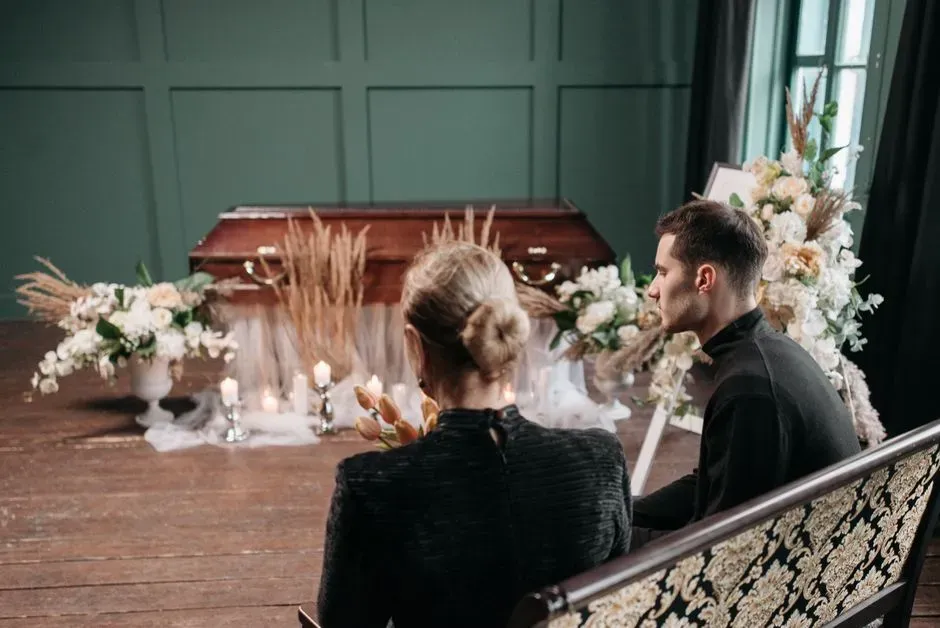
Here’s the twist that surprised me when I first dug into all this: people who openly acknowledge death often seem calmer, not more anxious. Practices like contemplating mortality, writing your own eulogy, or spending time with the elderly and dying sound morbid, but many who try them report feeling more present, grateful, and less caught up in petty drama. When you stop running from the fact that life ends, you can start being more deliberate about how you live the part in between.
Instead of chasing legacy or status on autopilot, acceptance can shift priorities toward connection, kindness, and experiences that actually feel meaningful, not just impressive. You might work less, laugh more, and forgive faster because you see clearly that all of this is temporary. To me, that is the most radical response to the fear of death: not building higher walls against it, but letting the awareness of it soften you, sharpen your attention, and make today feel like something to savor rather than a stepping stone to some imagined, safer future.
Conclusion: Death Anxiety Is Normal, But Letting It Run the Show Is Optional

I think we underestimate just how much the fear of death is driving the bus while we pretend to be in the driver’s seat. It shapes careers, politics, families, bank accounts, and late-night scrolling habits, often without anyone naming it out loud. In a way, that silence gives the fear more power; what we never face directly gets to steer us from the shadows. When I notice myself rushing, competing, or clinging in ways that feel off, it is almost always because some part of me is trying to outmaneuver impermanence.
But here’s the uncomfortable opinion I’ve landed on: using the fear of death as our main motivator is a bad deal. It pushes us toward more, not better; toward safety, not depth. The alternative is not denial, but integration – letting the reality of death sit at the table without letting it dictate every choice. If we can do that, then the fear of death stops quietly hijacking our days and becomes something else entirely: a reminder that this moment, right now, is the only thing that was ever guaranteed. What might you do differently if you actually believed that?