In a groundbreaking stride towards the future of synthetic biology, scientists have managed to create an artificial organism with an entirely new genetic code. This achievement marks a significant leap in our understanding of life’s building blocks and ushers in an era where biology and technology intertwine in unprecedented ways. Imagine a world where the very essence of life can be redesigned, much like crafting a new language. This is no longer a futuristic dream but a tangible reality thanks to the relentless pursuit of knowledge and innovation by scientists around the globe.
The Building Blocks of Life: DNA and Its Codes
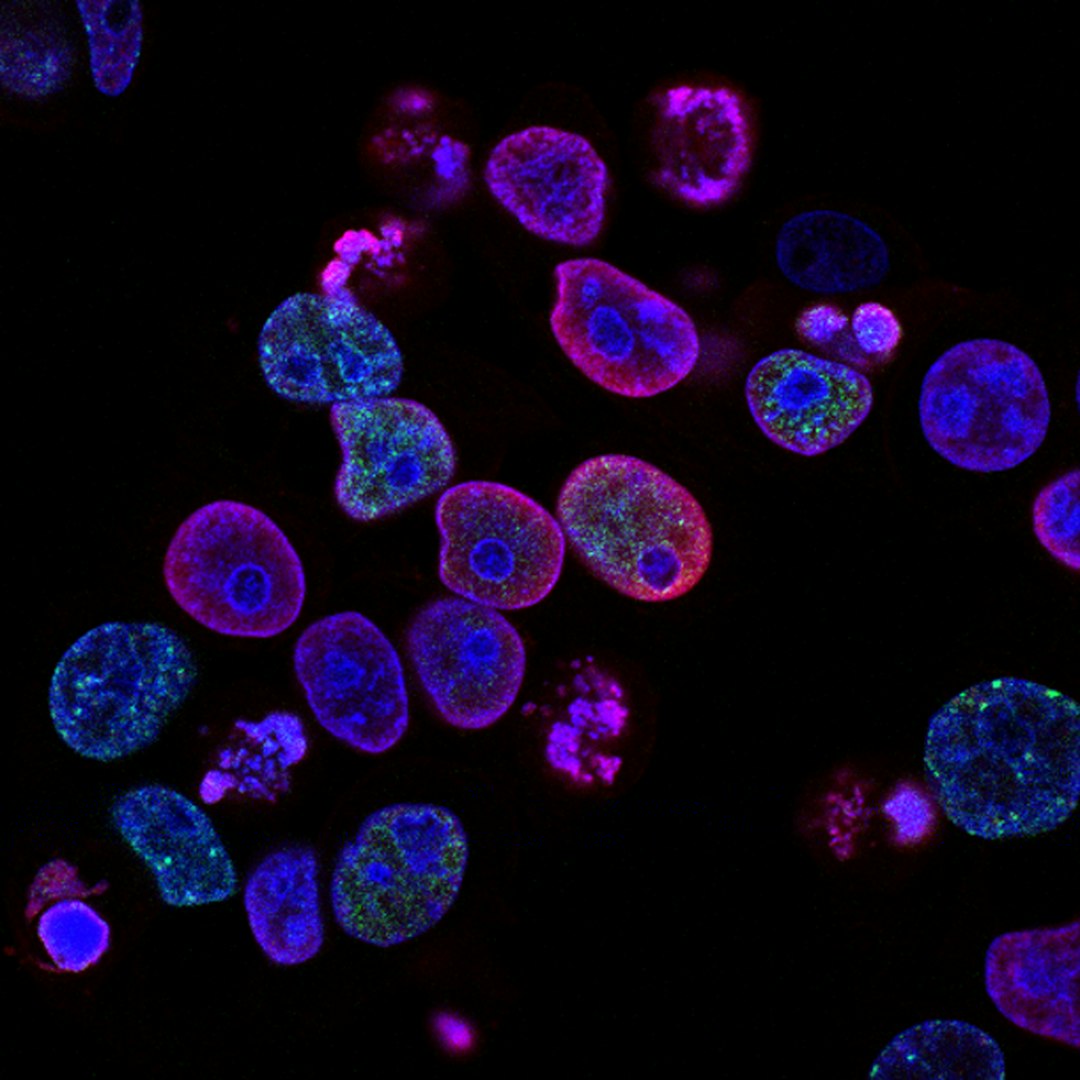
DNA, or deoxyribonucleic acid, is the fundamental blueprint for all living organisms. It consists of sequences of nucleotides, which are the building blocks that store genetic information. Traditionally, this code is written using four “letters” or bases: adenine (A), cytosine (C), guanine (G), and thymine (T). These bases pair up in specific ways to form the rungs of the DNA double helix. It’s akin to constructing words with a limited alphabet. The sequence of these letters determines an organism’s genetic instructions, much like how a recipe dictates the ingredients and steps needed to bake a cake.
Expanding the Alphabet: Introducing Synthetic Bases
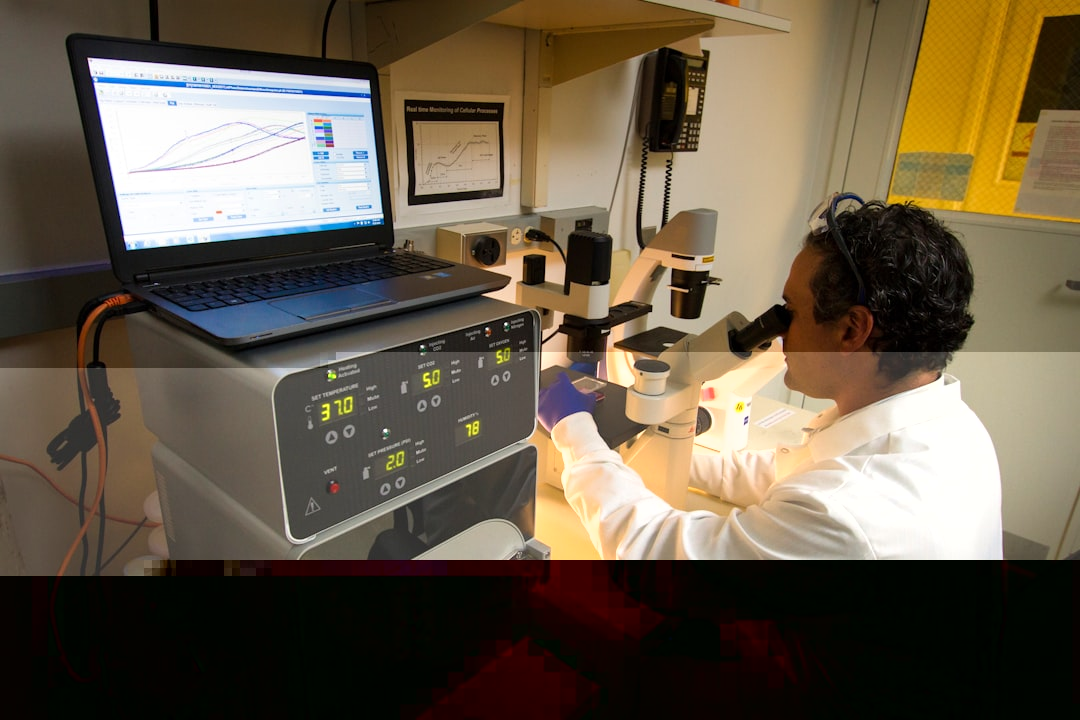
In an incredible feat, scientists have introduced synthetic bases into the genetic code, expanding the traditional four-letter alphabet. By adding new bases, researchers have created a six-letter genetic alphabet, offering the potential to encode more information within a single strand of DNA. This expansion is comparable to adding new letters to the English language, allowing for the creation of new words and expressions. These synthetic bases are carefully designed to mimic the behavior of natural bases, ensuring they integrate seamlessly into the DNA structure.
Crafting Life: Developing the Artificial Organism
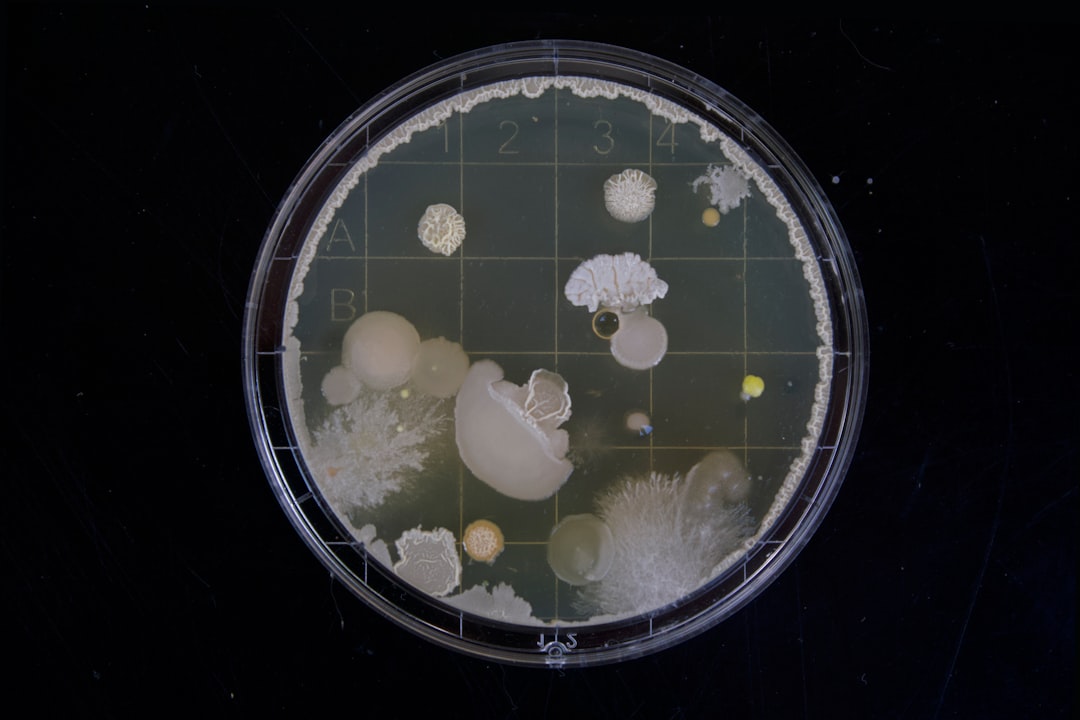
With the expanded genetic alphabet in hand, scientists embarked on creating an artificial organism. This process involves synthesizing DNA strands incorporating both natural and synthetic bases. Imagine piecing together a puzzle, where each piece must fit perfectly to form a coherent picture. The resulting organism is a living entity, capable of growth and reproduction, yet fundamentally different from any naturally occurring life form. This organism represents a significant step forward in synthetic biology, showcasing the potential to redesign life at the most basic level.
The Role of CRISPR: A Tool for Precision
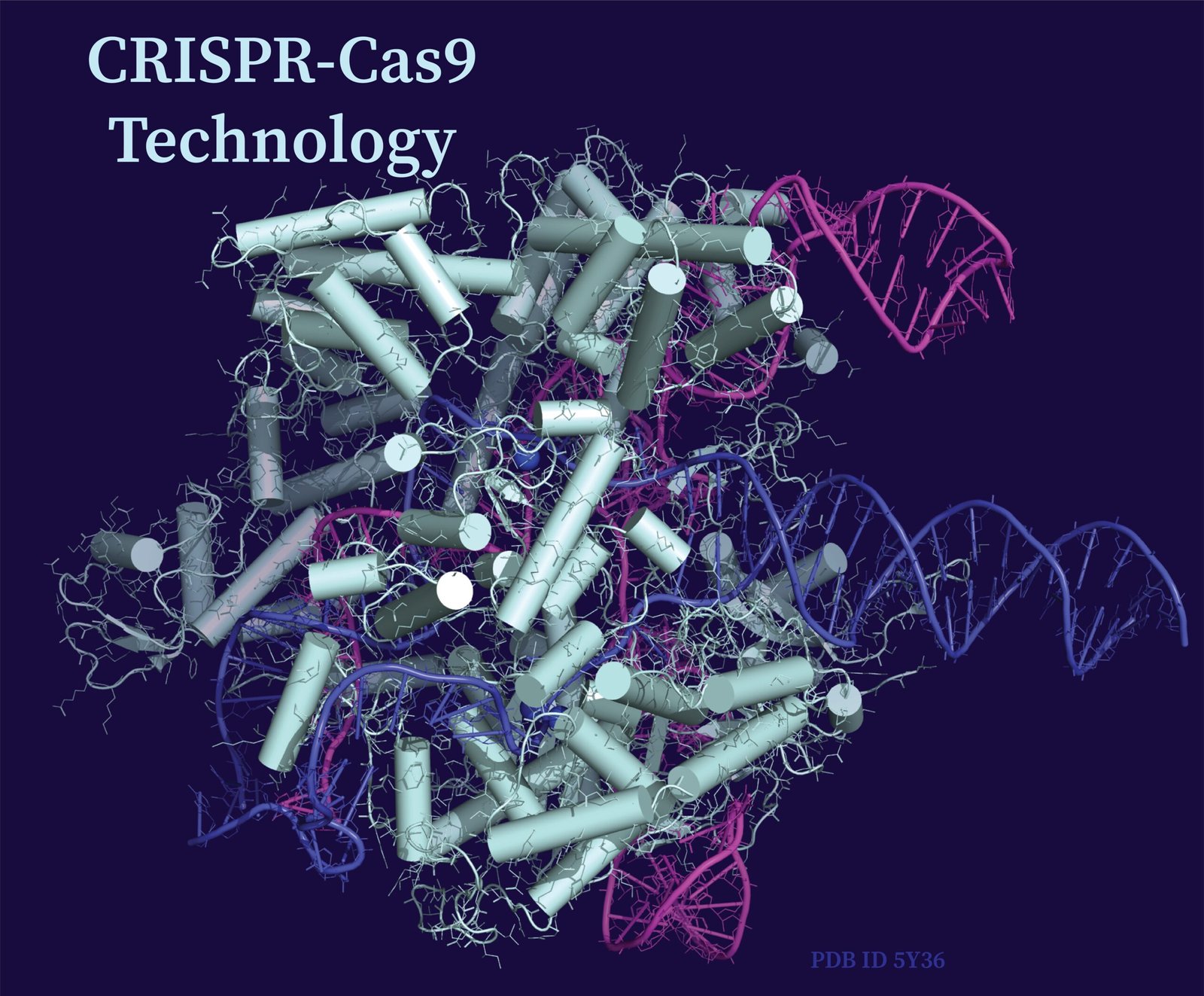
CRISPR technology has played a pivotal role in the development of artificial organisms. This powerful tool allows scientists to edit genes with unparalleled precision, akin to a word processor for the genetic code. By utilizing CRISPR, researchers can insert, delete, or modify specific genes, ensuring that the synthetic bases integrate smoothly into the organism’s DNA. This precision is crucial for the success of creating an artificial organism, as even the smallest error can result in unintended consequences.
Potential Applications: Beyond Imagination
The creation of artificial organisms with new genetic codes opens up a world of possibilities. These organisms could be designed to perform specific tasks, such as producing pharmaceuticals, breaking down environmental pollutants, or even generating biofuels. Think of them as tiny, living factories, engineered to address global challenges. The potential applications are vast and varied, limited only by the imagination and creativity of scientists and engineers. This technology could revolutionize industries and pave the way for sustainable solutions to some of the world’s most pressing problems.
Ethical Considerations: Navigating Uncharted Territory

As with any groundbreaking scientific advancement, the creation of artificial organisms raises important ethical questions. The ability to redesign life brings with it the responsibility to consider the potential consequences. What are the implications of creating organisms with entirely new genetic codes? How do we ensure that this technology is used ethically and responsibly? These questions demand careful consideration and dialogue among scientists, ethicists, policymakers, and the public. It is crucial to navigate this uncharted territory with caution and foresight.
The Future of Synthetic Biology: A New Frontier
The creation of artificial organisms with new genetic codes is just the beginning of what promises to be an exciting journey in synthetic biology. As researchers continue to explore and refine this technology, we can expect to see even more remarkable advancements. The future holds the potential for designing organisms with tailored functions, customized to meet specific needs. This new frontier in biology will undoubtedly challenge our understanding of life and push the boundaries of what is scientifically possible.
Challenges and Limitations: Overcoming Hurdles
Despite its immense potential, the development of artificial organisms is not without its challenges. Scientists must overcome numerous technical hurdles, such as ensuring the stability and functionality of synthetic bases within DNA. Additionally, there are limitations to current technologies, which may hinder the widespread adoption of this innovation. However, these challenges present opportunities for further research and collaboration, driving the field of synthetic biology forward. With each challenge overcome, we move one step closer to realizing the full potential of this groundbreaking technology.
Public Perception: Bridging the Gap

Public perception plays a crucial role in the acceptance and success of new scientific advancements. It is essential to bridge the gap between the scientific community and the public, fostering understanding and trust. By engaging in open dialogue and transparent communication, scientists can address concerns and misconceptions about artificial organisms. Education and outreach efforts can help demystify the technology and highlight its potential benefits, ensuring that the public is informed and empowered to make decisions about its use.
Conclusion: Embracing the Possibilities
The creation of an artificial organism with a completely new genetic code marks a monumental achievement in synthetic biology. This innovation holds the promise of transforming industries, addressing global challenges, and reshaping our understanding of life itself. As we stand on the brink of this new era, it is crucial to embrace the possibilities while remaining mindful of the ethical and societal implications. The journey ahead is filled with potential, and it is up to us to navigate it with curiosity, responsibility, and a commitment to creating a better future.