
For most of modern science, consciousness was treated like that weird closet in the house: everyone knew it was there, but nobody really wanted to open the door. Then psychedelic research came back from decades of stigma and regulation, and suddenly that door was not just open, it was ripped off the hinges. Substances like psilocybin, LSD, and DMT are forcing neuroscientists, psychologists, and philosophers to reconsider what it actually means to be a conscious being.
What is striking is not just that these drugs change experience, but how precisely they seem to map and modulate the brain’s deepest networks. Reports of ego dissolution, mystical unity, and radical shifts in meaning are no longer being shrugged off as “druggy weirdness” but treated as serious data about the structure of the mind. The result is a quiet revolution: consciousness is starting to look less like a static light switch and more like a dynamic, tunable process. And that shift is rewriting some of the most basic assumptions in brain science.
The Return of Psychedelics to Serious Science

Only a few decades ago, the idea of running a clinical trial with LSD or psilocybin would’ve sounded like career suicide for most researchers. Today, major universities and medical centers run carefully controlled psychedelic studies, complete with brain scans, long-term follow-ups, and strict ethics oversight. This comeback didn’t happen overnight; it emerged from small, cautious pilot trials that showed both safety under supervision and surprisingly strong therapeutic signals.
As those early findings held up, regulators and funding bodies began to relax enough to allow bigger and more ambitious projects. Instead of anecdotal stories from the 1960s, scientists now have structured data, standardized questionnaires, and imaging results to work with. This has turned the psychedelic experience from a cultural curiosity into a legitimate experimental tool. In the process, consciousness itself has moved from the fringes of science to the center of a new, fast-growing field.
Consciousness as a Brain Network, Not a Single Spot
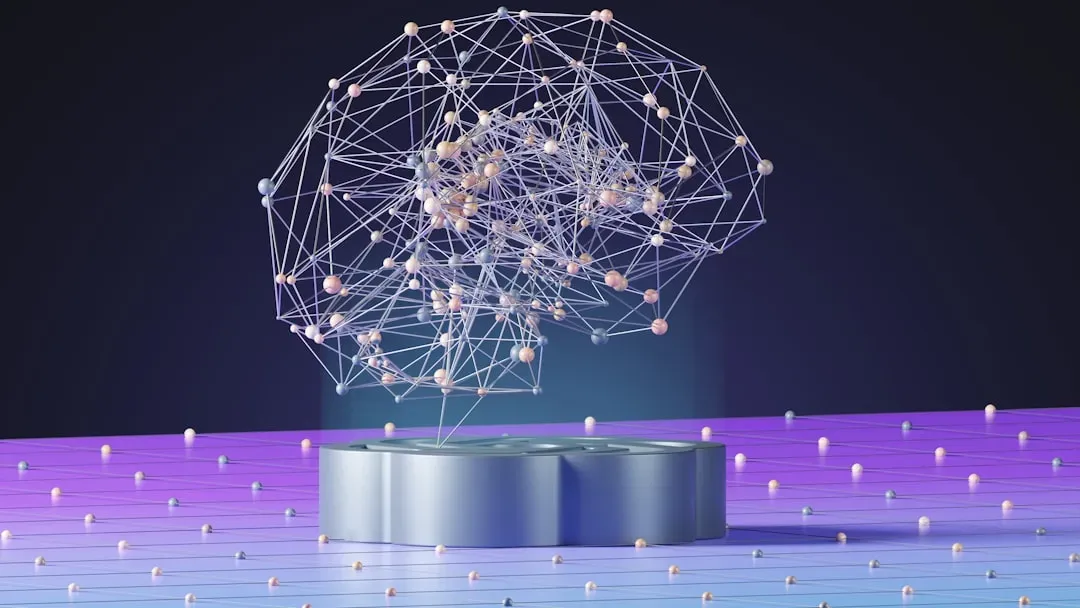
One of the most powerful shifts driven by psychedelic research is the move away from searching for a single “seat” of consciousness in the brain. Under psychedelics, brain imaging shows widespread changes in connectivity, especially in large-scale networks that link many regions together. Rather than just cranking up or shutting down one area, these compounds seem to remix the overall pattern of communication.
This supports the idea that consciousness is an emergent property of coordinated network activity, not a magic region hiding behind the eyes. The fact that specific subjective changes – like losing a sense of self, or feeling that time has stopped – track with measurable shifts in these networks is especially important. It gives scientists a way to map fine-grained changes in inner experience to concrete neural dynamics, turning vague ideas about “mind” into testable models of interacting circuits.
The Default Mode Network and the Disappearing Self
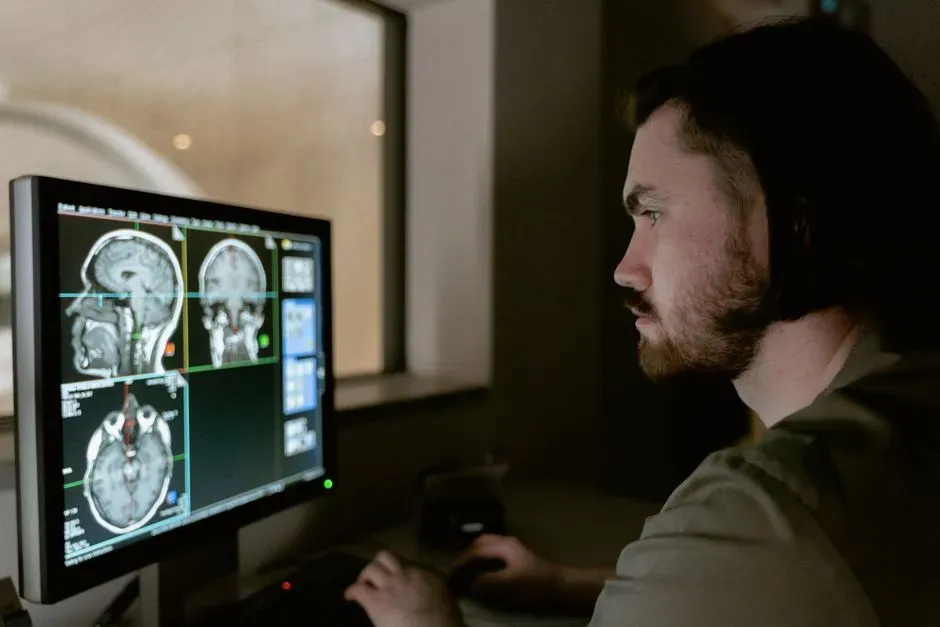
If there’s one brain system that has become a kind of celebrity in psychedelic science, it’s the default mode network, often shortened to DMN. This network is active when you daydream, ruminate, remember the past, and imagine the future – basically, when you’re wrapped up in your own story. Under classic psychedelics, activity and integrity in the DMN often drop, and communication patterns between its hubs become less rigid.
Subjectively, this drop in DMN coherence often lines up with what many people describe as ego dissolution: that eerie, sometimes liberating sense that the usual “me” has melted away or become porous. Instead of being locked inside a familiar mental monologue, awareness can feel more spacious, less owned, and more connected to everything around it. For scientists, this is a rare opportunity: a reliable intervention that can dial down the brain’s self-model and let them observe what happens to consciousness when the narrator goes quiet.
Entropy, Predictive Brains, and Looser Perception
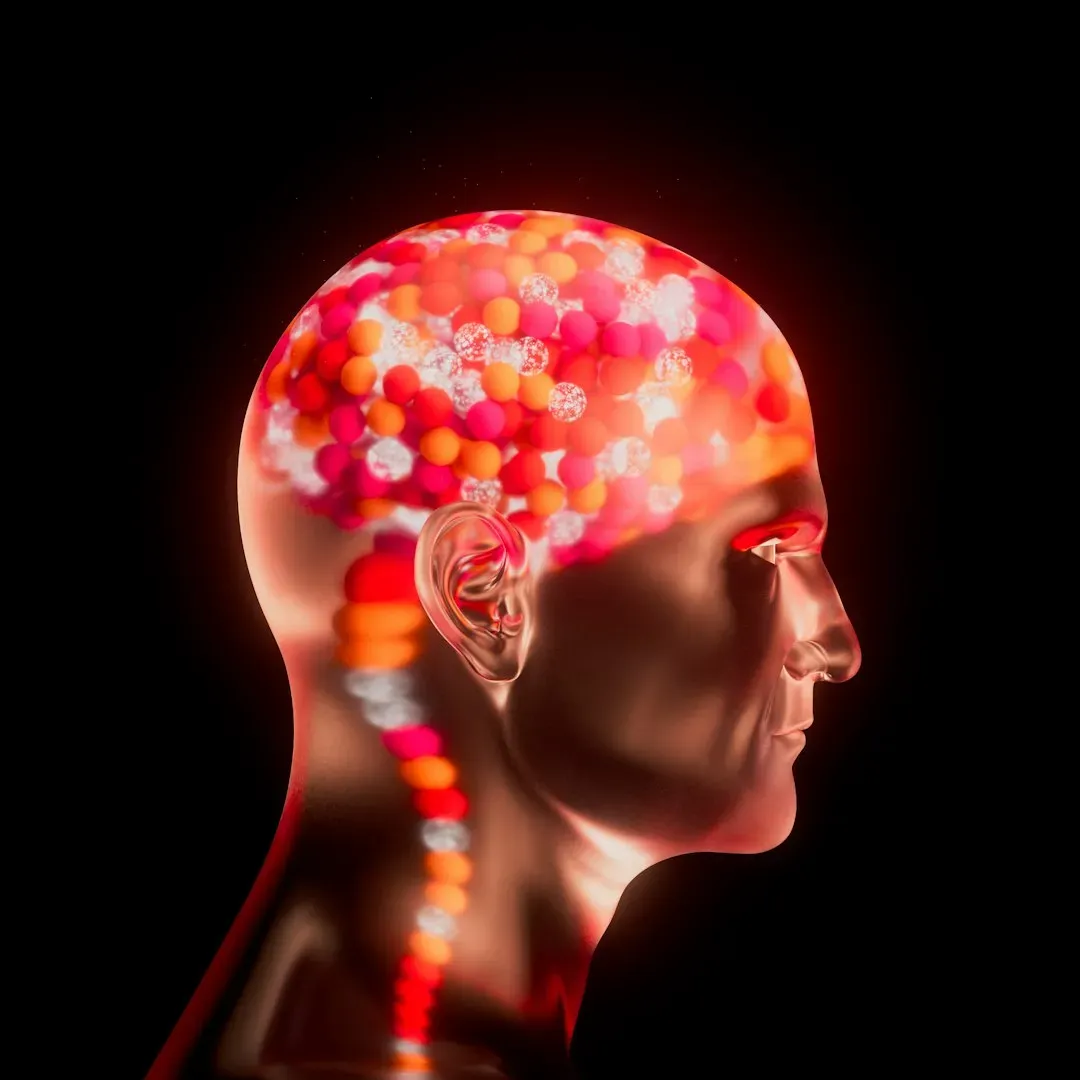
Another major idea shaped by psychedelic studies is that the brain is essentially a prediction machine, constantly guessing what the world is like and updating those guesses with incoming sensory data. Under normal conditions, higher-level beliefs and expectations keep perception relatively stable and efficient. Psychedelics seem to temporarily loosen the grip of those top-down predictions, increasing what some theorists describe as neural entropy – more diverse, less constrained patterns of activity.
On the inside, this can feel like the world is more vivid, strange, and meaningful, because the mind is less anchored by familiar assumptions. Instead of seeing what you expect to see, you get overwhelmed by possibilities. This has led some researchers to suggest that conscious experience is not just passive observation, but a constantly negotiated balance between prediction and surprise. Psychedelics tilt that balance toward surprise, and by doing so, they expose the hidden scaffolding of how consciousness normally holds itself together.
Therapeutic Breakthroughs and What They Hint About the Mind

The most headline-grabbing part of psychedelic research is the therapy angle: single or few high-dose sessions linked with long-lasting improvements in depression, anxiety, addiction, and end-of-life distress in some patients. What’s fascinating for consciousness science is not just that symptoms improve, but how patients describe the process. Many report experiences of deep emotional catharsis, radically new perspectives on their lives, or a felt sense of connection that makes old patterns seem unnecessary.
These kinds of shifts suggest that consciousness is not only about what you perceive moment to moment, but about how you frame your story and your place in the world. Psychedelic-assisted therapy appears to temporarily soften rigid mental narratives – about being broken, doomed, or trapped – and allow new interpretations to emerge. To me, this is a strong clue that consciousness is inseparable from meaning-making: the brain does not simply represent reality, it constantly interprets it, and when you change that interpretive lens, you change the felt texture of being alive.
Spiritual Experiences Under the Microscope

For a long time, spiritual or mystical experiences were treated as off-limits in serious lab work, too subjective or too personal to measure. Psychedelic research cracked that taboo wide open. Many participants report intense feelings of unity, sacredness, or contact with something larger than themselves, and researchers have built structured scales to evaluate these states without endorsing any particular belief system.
What is surprising is how strongly these so-called mystical-type experiences track with positive long-term outcomes in several studies. The more someone reports a sense of deep insight, connection, or transcendence in-session, the more likely they are to show enduring changes in mood and behavior. Whatever you think about the metaphysics, this suggests that transformative spiritual states are not fringe anomalies but part of the possible landscape of human consciousness. Science is being forced to treat them as legitimate data, not just poetic metaphors.
The Challenge to Materialism (Without Abandoning It)

Psychedelics have also pushed old philosophical debates about mind and matter back into the spotlight. On paper, most neuroscientists still work within a broadly materialist framework: consciousness arises from physical processes in the brain. At the same time, many participants and even some researchers come away from psychedelic work with a strong sense that awareness is more fundamental than they once assumed, or that reality is less solid and straightforward than it appears.
This tension is forcing a more nuanced conversation. You can accept that these drugs act on neurons and receptors while also admitting that first-person experience under them feels like an earthquake for your worldview. Some scientists explore ideas like panpsychism or various flavors of emergentism; others double down on a purely brain-based account. Either way, psychedelic research is making it harder to ignore the philosophical side of consciousness. You can measure brain waves all day, but at some point you have to say what, exactly, they are waves of.
Ethical Questions: How Much Should We Engineer Consciousness?

As our ability to modulate consciousness grows, so do the ethical stakes. Psychedelic states are powerful and vulnerable; they can open people up to healing, but also to suggestion, confusion, or exploitation if not handled with care. Researchers and clinicians are scrambling to define best practices for preparation, guidance, and integration, knowing that psychological safety is at least as important as pharmacology.
There is also a deeper question lurking: if we can tune consciousness, how far do we want to go? Using psychedelics for severe, treatment-resistant conditions feels intuitively justifiable. But what about using them for personal growth, creativity boosts, or existential exploration? My view is that we should neither panic nor rush in blindly. Consciousness is not a gadget to optimize; it is the core of our lived reality. Any attempt to engineer it should be grounded in humility, informed consent, and an honest acknowledgment that we still understand far less than we think.
Where Psychedelic Science Might Take Our Idea of “Being Human” Next

Looking ahead, it seems likely that psychedelics will become one of several tools for probing the structure of consciousness, alongside brain stimulation, virtual reality, and computational modeling. What sets them apart is their ability to trigger rich, structured experiences that participants can describe in detail, from ego loss to timelessness to encounters that feel more real than waking life. This combination of strong subjective content and measurable neural change is a rare gift for science.
In the long run, I suspect this research will nudge us toward a more flexible picture of the self and of reality itself. Consciousness may come to be seen less as a fixed, private bubble and more as a fluid process that can be reorganized under the right conditions. That thought is both exhilarating and unsettling. If our most basic sense of “I” is that malleable, then being human is not about defending a rigid identity, but about learning how to navigate different modes of awareness wisely. The real question is whether we’ll use that knowledge to become more compassionate and grounded – or just invent new ways to get lost in our own minds.
Conclusion: Consciousness Was Never Meant to Stay in Its Box
Psychedelic research has not solved the mystery of consciousness, but it has made one thing very clear: the old, tidy boxes we kept it in were never big enough. By showing how drastically and systematically mind-states can shift – and how those shifts line up with changes in brain networks, stories, and behavior – these studies have turned consciousness from an abstract puzzle into a living, movable target. In my opinion, that is progress, even if it leaves us with more questions than answers.
At the same time, I think we should resist the urge to turn psychedelics into a magic key that explains everything. They are tools, not oracles, and the most honest stance is one of curious skepticism: willing to be surprised, but not gullible. If there is a lesson here, it is that our everyday consciousness is only one narrow slice of what the mind can do, and that exploring beyond it can be both healing and destabilizing. Maybe the real revolution is admitting that we are still beginners at understanding our own awareness. Given what we now know, how could we not be a little more humble about what it really means to be awake?