Koalas, the beloved marsupials native to Australia, are facing an existential threat. With habitat loss, disease, and climate change threatening their existence, the race is on to prevent these iconic creatures from sliding into extinction. Efforts in New South Wales (NSW) are at the forefront of this critical conservation work. Here’s how these initiatives are striving to secure a future for koalas.
Understanding Koalas and Their Importance

Koalas are not just charming characters of Australia’s wildlife; they play a vital role in their ecosystems. Often mistaken for bears, these marsupials are actually more closely related to wombats. They primarily feed on eucalyptus leaves, which require a specialized digestive system to detoxify the harmful chemicals found in these plants. As crucial as they are to the ecology, koalas are also a part of Australia’s tourism appeal, adding an economic incentive to their conservation.
Threats to Koalas in NSW
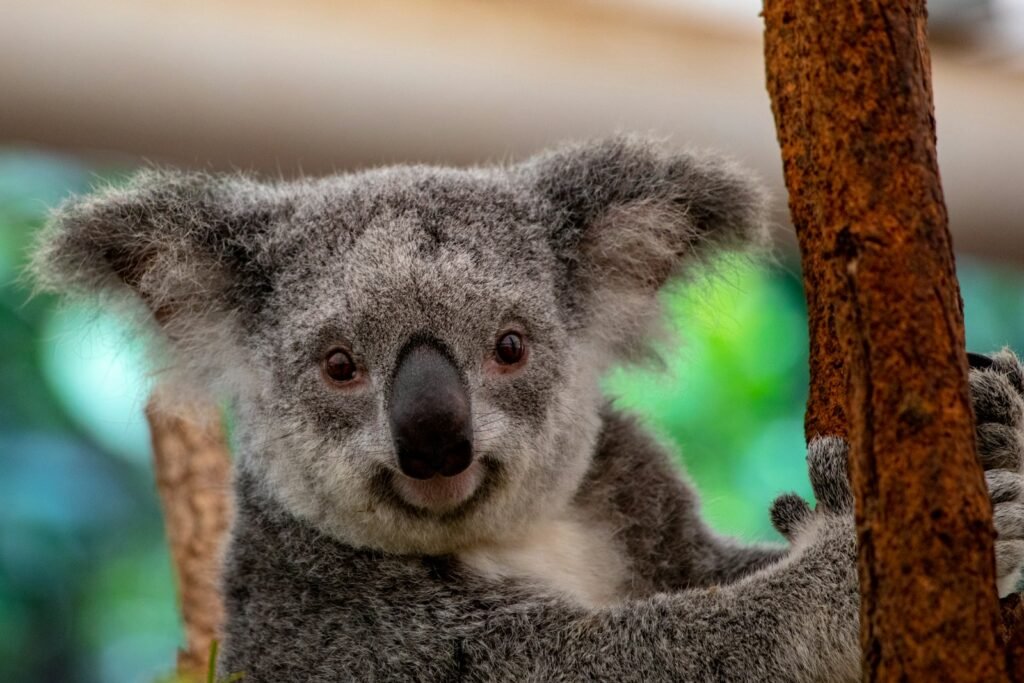
The threats to koalas in NSW are numerous, with habitat destruction at the forefront. As urban development expands, forests are cleared, reducing the natural habitats that koalas depend on. Furthermore, bushfires, which are increasing in frequency and intensity due to climate change, pose a severe threat to their survival. Diseases such as chlamydia, which can lead to blindness, infertility, and death, further exacerbate their decline.
Conservation Programs and Initiatives
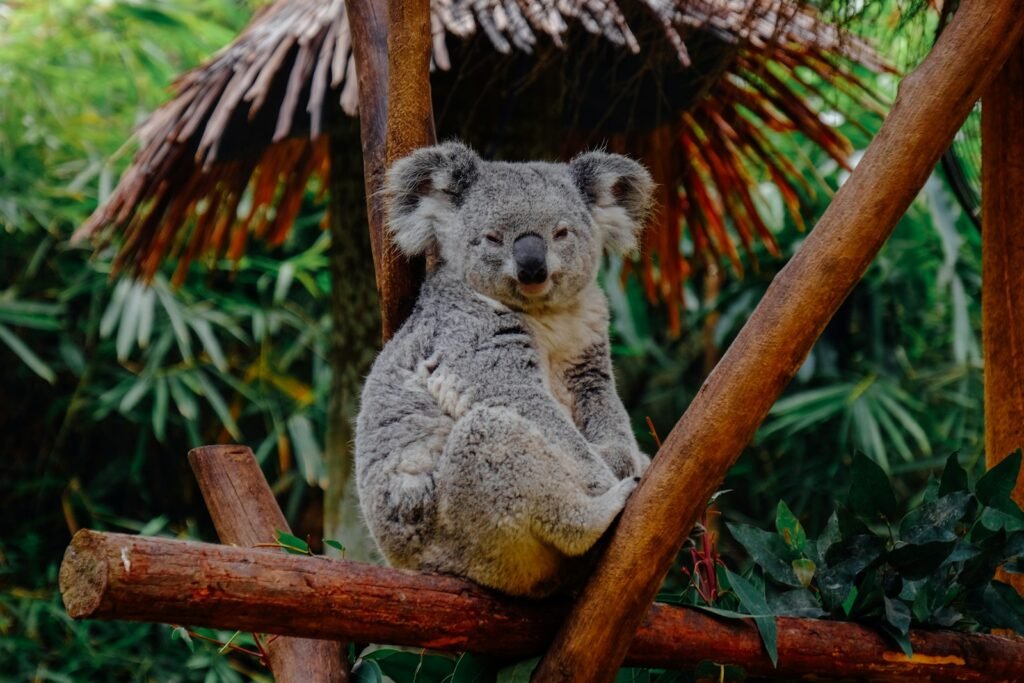
A variety of conservation programs have been implemented to protect koalas in NSW. The “Koala Strategy” launched by the NSW government aims to secure and enhance existing habitat, reduce disease and injury, and undertake research and monitoring. Partnerships with local councils, conservation groups, and communities are central to these efforts.
Habitat Restoration and Protection

Conserving and restoring koala habitats are crucial parts of the conservation strategy. Efforts include reforestation projects that plant thousands of native trees each year to rebuild habitats. Protection of existing forests through legal conservation agreements is also a significant component.
Wildlife Corridors and Connectivity
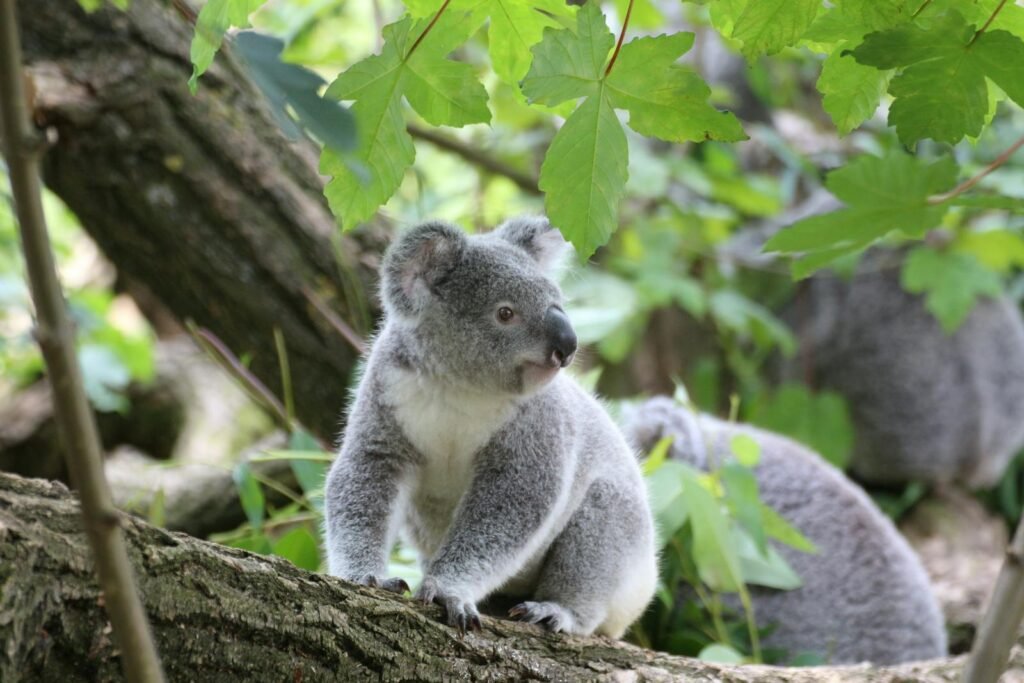
Creating wildlife corridors is essential in ensuring that koalas can move safely between fragmented patches of habitat. These corridors also help maintain gene diversity within populations by allowing individuals to intermingle and reproduce. NGOs and government bodies are actively engaged in designing these crucial links.
Addressing Disease and Veterinary Care

Combating the spread of diseases like chlamydia is a priority. Vaccination programs and research into disease treatment are ongoing, coupled with health checks and veterinary care for injured and sick koalas. Wildlife hospitals and rehabilitation centers play a vital role in these efforts.
Community Involvement and Education
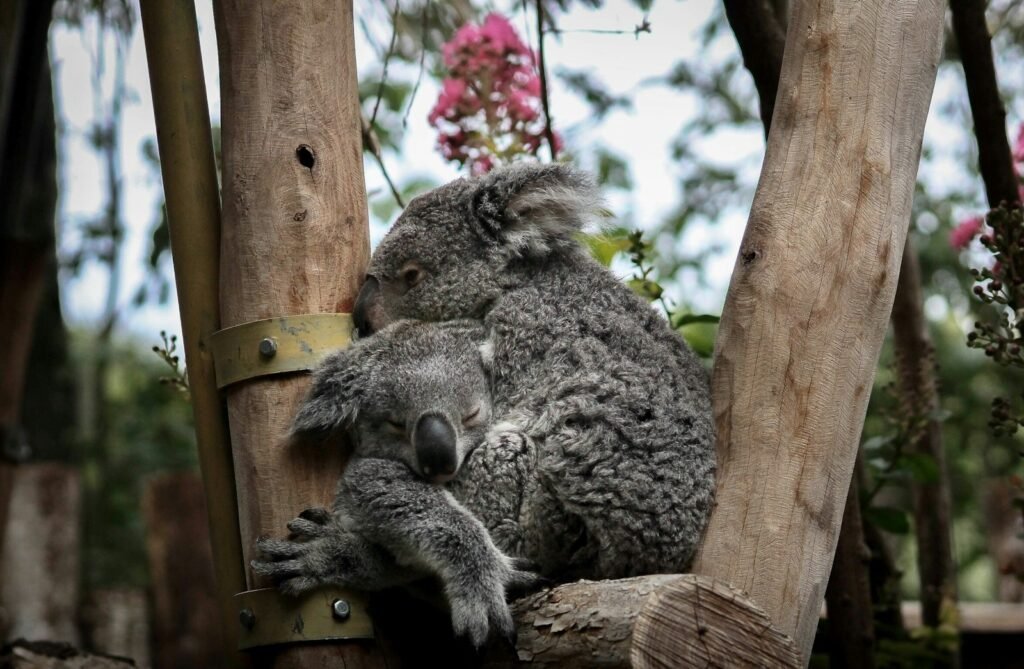
Engagement and education of local communities are key to long-term conservation success. Programs that involve residents in monitoring koala populations, reporting sightings, and participating in habitat restoration are instrumental. Educational initiatives also raise awareness about the challenges koalas face and how the community can contribute to their protection.
Use of Technology in Conservation
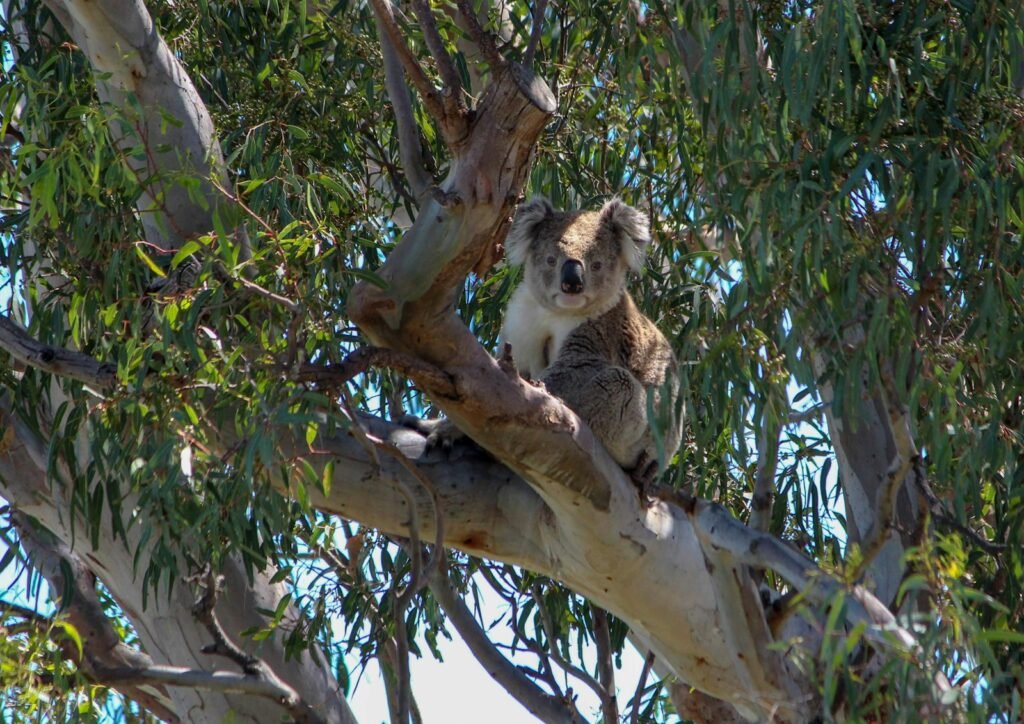
Technology is being leveraged to monitor koala populations and their habitats. Drones, GPS tracking, and acoustic sensors enable researchers to gather data on koala distribution and health without disturbing their natural behaviors. This information is invaluable for making informed conservation decisions.
Legislation and Policy Support

Legislative measures are as crucial as physical conservation efforts. Strong laws protecting koala habitats from development and ensuring sustainable land use are needed to prevent further habitat destruction. Laws are also needed to regulate tree clearing and protect critical habitat areas.
Collaborative Efforts and Partnerships
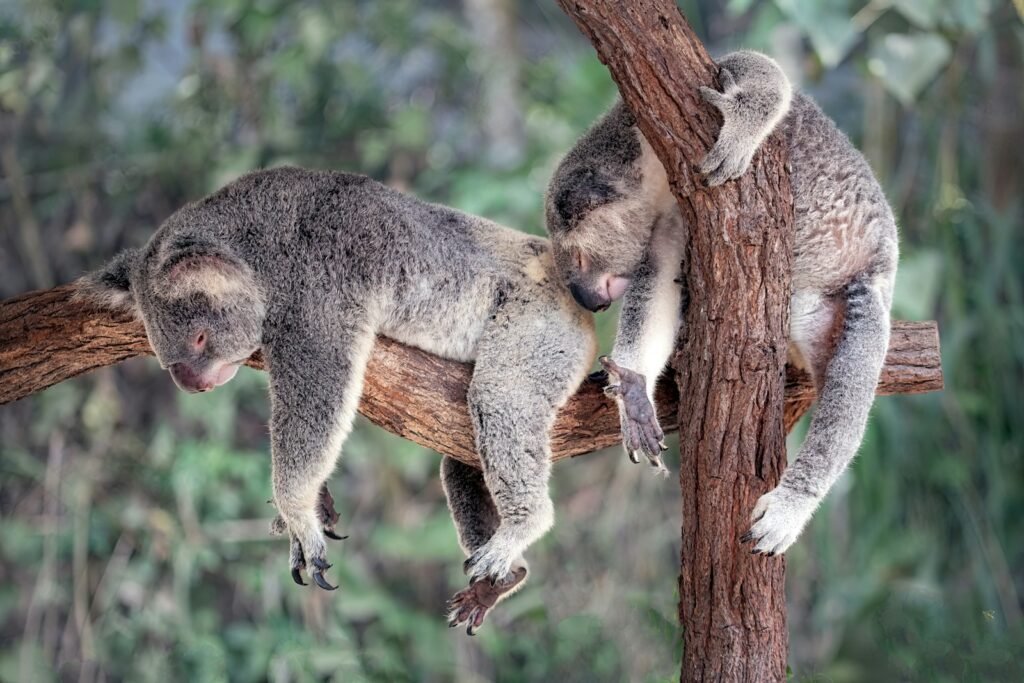
Conservation of koalas is a collaborative effort involving partnerships between governmental bodies, non-profit organizations, and private sectors. Sharing knowledge, resources, and expertise boosts the overall effectiveness of conservation strategies while fostering innovation.
Success Stories and Ongoing Challenges
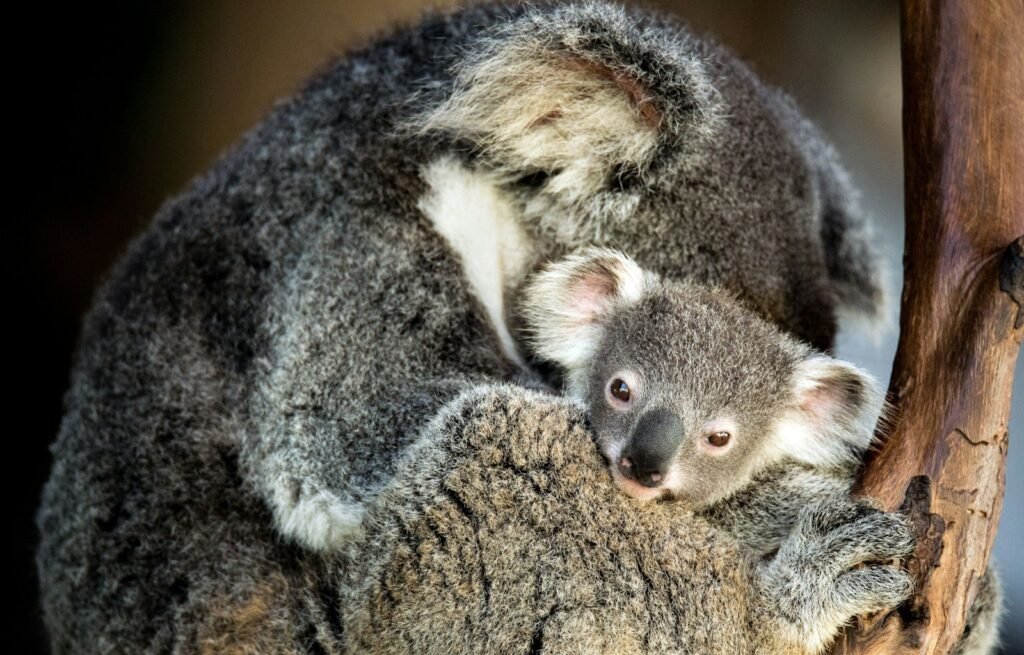
While there have been several successes in koala conservation, challenges remain. Some regions have seen increases in koala numbers due to conservation efforts. However, other areas still face critical threats that continue to endanger local populations. Balancing these challenges with increased public interest and action is a continuing task.
The Future of Koala Conservation
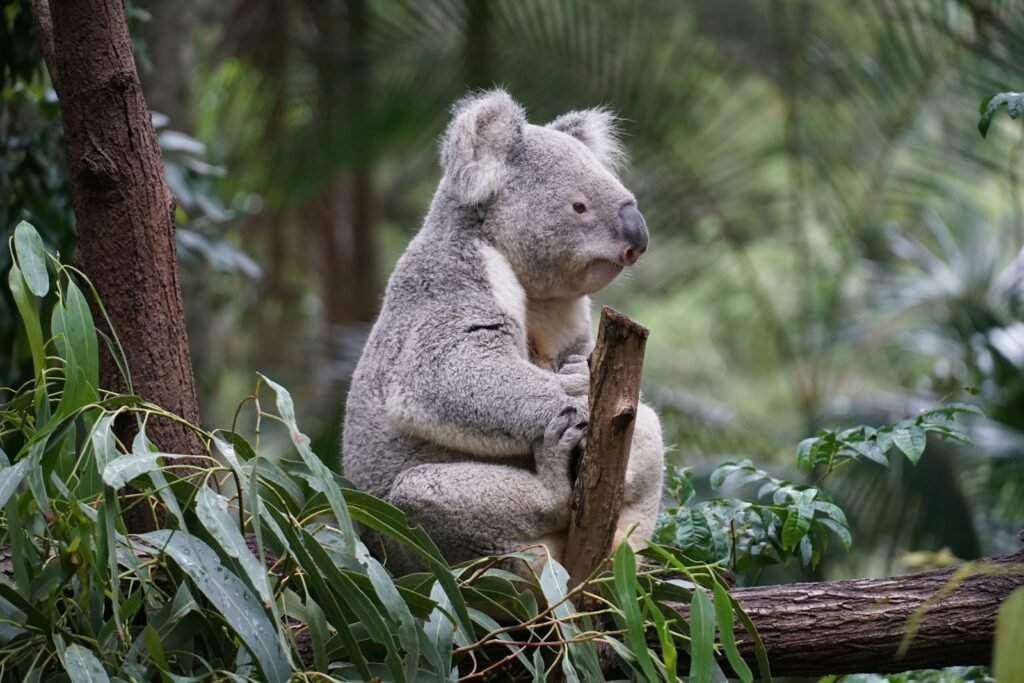
The future of koala conservation in NSW hinges on adaptive strategies that address both current and emerging threats. As climate change continues to impact Australia’s landscape, conservationists must remain vigilant and flexible in their approaches. Continued research, innovation, and community engagement are essential components to keep koalas not just surviving, but thriving.
In conclusion, the conservation efforts in NSW are varied and multi-faceted, reflecting the complexity of the challenges faced by koalas. From habitat restoration to legislative support, each initiative plays a part in safeguarding these beloved marsupials. By fostering biodiversity, engaging communities, and embracing technology, there is hope for a future where koalas can reclaim their forests and thrive alongside human development.