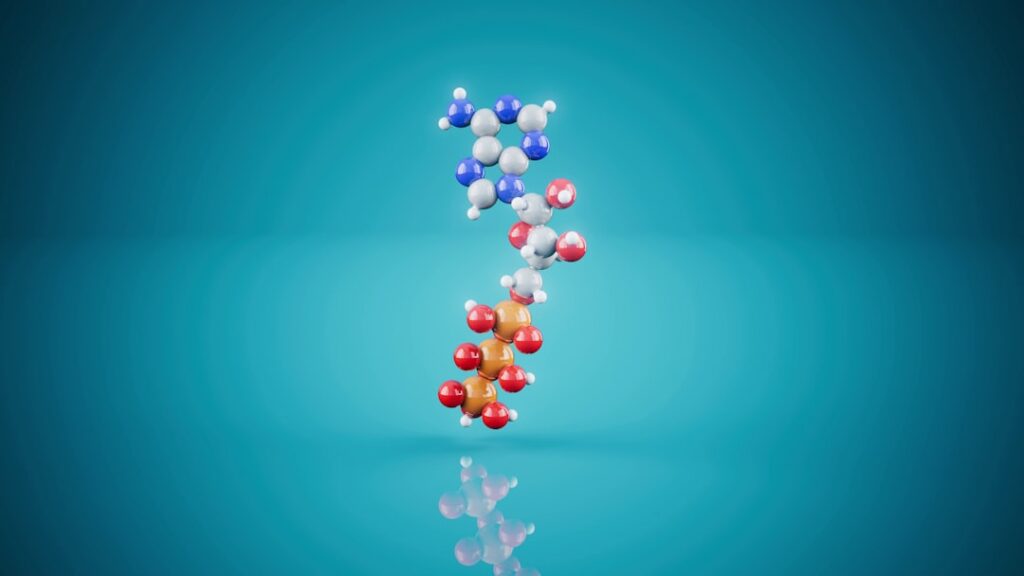

MIT scientists discover amino acid that helps the gut heal itself – Image for illustrative purposes only (Image credits: Unsplash)
Researchers at MIT have identified the amino acid cysteine as a dietary factor capable of prompting intestinal repair in mice exposed to radiation. Found naturally in foods such as meat, dairy products, beans, and nuts, cysteine appears to activate specific immune cells that release signals directing stem cells to rebuild damaged gut tissue. The observation raises the possibility of future nutritional strategies to ease a common side effect of cancer treatment, although the work remains at an early stage and has not yet been tested in people.
Unexpected Trigger for Tissue Renewal
The study focused on the aftermath of radiation, which often strips away the protective lining of the intestines and leaves patients vulnerable to infection and malnutrition. In the mouse experiments, animals fed a diet enriched with cysteine showed clearer signs of recovery compared with those on standard chow. The amino acid did not simply supply building blocks for new cells; instead, it appeared to recruit immune cells that then coordinated the repair process.
This finding stands out because cysteine is already part of many everyday meals. The research suggests that modest adjustments in protein intake might influence how quickly the gut rebounds after intense medical interventions, though the precise dose and timing needed for any benefit are still unknown.
Immune Cells as Messengers
Once cysteine levels rose in the mice, certain immune cells responded by producing molecules that encouraged nearby stem cells to divide and differentiate. These stem cells then repopulated the intestinal lining, restoring its barrier function more rapidly than would occur without the extra amino acid. The sequence illustrates how a single nutrient can influence both immune activity and tissue regeneration in a coordinated way.
Scientists noted that the effect depended on the presence of radiation damage; healthy mice did not show the same dramatic changes. This context-specific response points to a targeted role for cysteine rather than a general growth stimulus, which could limit unwanted side effects if the approach is eventually translated to humans.
Relevance to Cancer Care
Radiation therapy remains a cornerstone of treatment for many abdominal and pelvic cancers, yet it frequently disrupts the gut and forces patients to pause or reduce their treatment. A dietary intervention that supports natural repair mechanisms could complement existing supportive care, potentially shortening recovery periods and improving quality of life during and after therapy.
Because cysteine is already consumed in normal diets, any future recommendation would likely involve increasing intake of familiar foods rather than introducing new supplements. Researchers emphasize, however, that animal results do not guarantee similar outcomes in patients and that clinical trials would be required to establish safety and effectiveness.
Remaining Questions and Research Directions
Several gaps must be addressed before the observation moves beyond the laboratory. It is unclear whether the same immune-cell pathway operates in human intestines or how much cysteine would be needed to produce a measurable effect. Long-term safety data are also absent, particularly for individuals already undergoing intensive cancer treatment.
Future studies are expected to examine different radiation doses, combine cysteine with other nutrients, and eventually test the approach in controlled human trials. Until those steps are completed, the current evidence serves mainly as a prompt for further investigation rather than a basis for immediate dietary changes.
Practical Sources of Cysteine
People interested in the amino acid can obtain it from a variety of common foods. The following items are among the richer natural sources:
- Lean meats such as chicken and turkey
- Dairy products including eggs, milk, and cheese
- Legumes like lentils, chickpeas, and soybeans
- Nuts and seeds, particularly sunflower seeds and almonds
These foods already form part of balanced diets for many individuals, so incorporating more of them would not require drastic changes. Still, any decision to alter nutrition during cancer treatment should be discussed with a physician or registered dietitian.
The MIT findings add one more piece to the growing understanding of how nutrition intersects with tissue repair. While the path from mouse data to patient care is long, the identification of cysteine as a potential healing signal offers a concrete starting point for scientists working to reduce the burden of radiation side effects.
Hi, I’m Andrew, and I come from India. Experienced content specialist with a passion for writing. My forte includes health and wellness, Travel, Animals, and Nature. A nature nomad, I am obsessed with mountains and love high-altitude trekking. I have been on several Himalayan treks in India including the Everest Base Camp in Nepal, a profound experience.