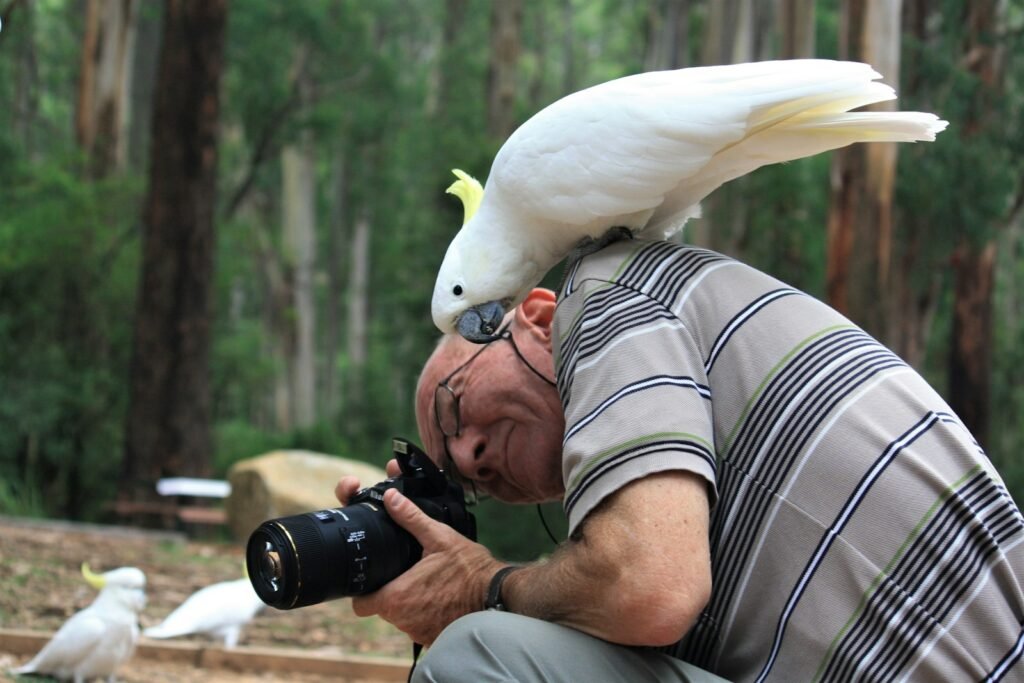

In the realm of wildlife monitoring, traditional observation methods have often proven cumbersome, intrusive, and sometimes unreliable. However, the advent and refinement of camera traps have revolutionized how scientists and conservationists study animal behavior, population dynamics, and interactions within ecosystems. These ingenious devices offer a non-invasive and efficient tool for capturing detailed images and videos of wildlife, providing valuable insights into their lives while minimizing human disturbance. Let us delve into how camera traps are shaping our understanding of the natural world.
The Technology Behind Camera Traps
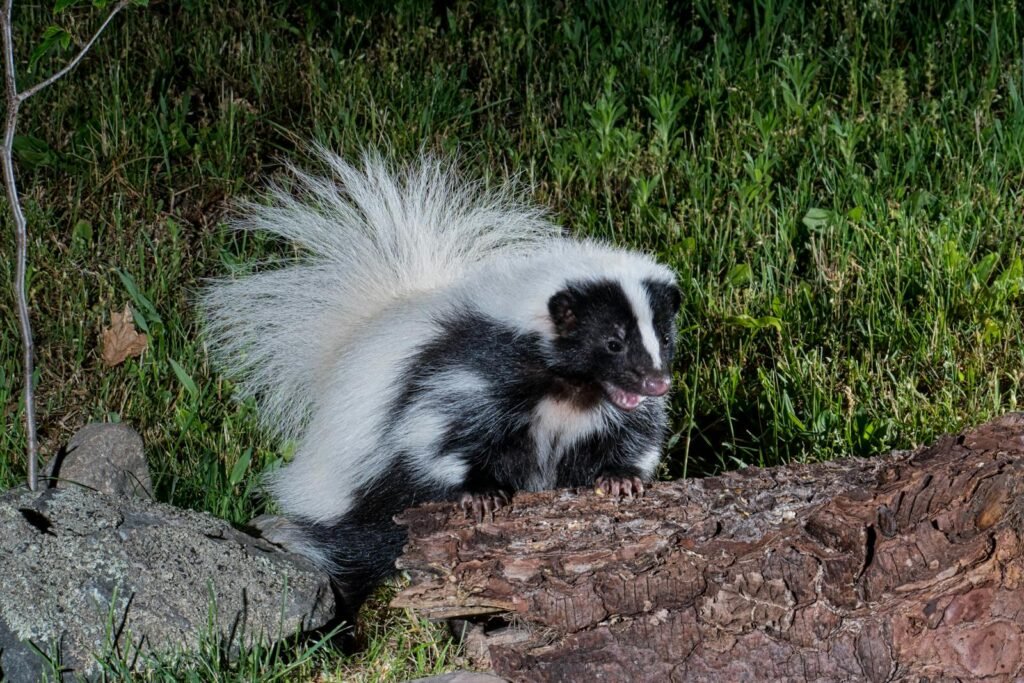
At their core, camera traps are equipped with motion sensors and automated cameras designed to capture wildlife activity. Motion sensors detect the presence of an animal, triggering the camera to take a photograph or record a video. Most modern camera traps also include infrared flash, enabling them to capture images in low-light or nighttime conditions without disturbing the subjects. Some advanced models even offer time-lapse, high-definition, and real-time remote access capabilities.
Applications in Wildlife Research

Camera traps have broad applications in wildlife research, enabling scientists to conduct species inventories, monitor elusive and nocturnal animals, and gather data on species that were previously difficult to observe. By placing numerous camera traps in strategic locations, researchers can obtain a wealth of information on animal distribution, density, and habitat preferences. Additionally, camera traps help identify critical biodiversity hotspots, contributing to more effective conservation planning and management.
Behavioral Insights and Ecology

Beyond basic presence and absence data, camera traps offer a window into the behavioral ecology of wildlife. Scientists can study feeding habits, mating rituals, social interactions, territory marking, and migration patterns through the footage captured. Such insights are crucial for understanding how species interact with each other and their environment, as well as how they adapt to changing conditions, such as climate change or habitat fragmentation.
Conservation and Protection Efforts

Camera traps play a vital role in conservation efforts by providing evidence of illegal activities, such as poaching and habitat destruction. They serve as a crucial tool in protected areas, offering constant surveillance and documenting the presence of threatened or endangered species. The data collected can aid law enforcement by supplying irrefutable proof of wildlife crimes and supporting the implementation of conservation laws and policies.
Citizen Science and Community Engagement

The accessibility of camera traps has democratized wildlife monitoring, inviting citizen scientists and local communities to participate in data collection efforts. This inclusive approach enriches research programs, fosters a sense of stewardship, and increases public awareness about biodiversity and conservation issues. Many organizations set up citizen science projects, where individuals can contribute valuable data simply by placing and monitoring camera traps in their neighborhoods or natural areas.
Challenges and Considerations
While camera traps are immensely valuable, they also come with certain challenges. Data management can be overwhelming due to the sheer volume of images and videos captured, requiring efficient systems for analysis and storage. Moreover, the placement of camera traps requires thoughtful consideration to minimize bias and ensure representative sampling. Technical issues, such as power supply, data retrieval, and maintenance in harsh environments, also pose challenges that researchers must address.
Future Prospects and Innovations

The future of camera traps is bright, with ongoing advancements in technology promising further enhancements in wildlife monitoring. Innovations such as artificial intelligence (AI) and machine learning algorithms are being integrated to streamline data processing, enabling quicker analysis of captured images and identification of species. Moreover, the development of solar-powered and internet-connected camera traps allows for longer deployment periods and real-time data access, broadening their applications in remote and challenging terrains.
Conclusion

Camera traps have undeniably transformed wildlife monitoring, providing a powerful, efficient, and non-intrusive means to document the natural world. As technology continues to advance, these devices will become even more integral to conservation and research efforts, fostering coexistence between humans and wildlife by enhancing our understanding of the intricate web of life within ecosystems. Through their lens, camera traps offer a glimpse into the hidden lives of animals, enriching our appreciation and commitment to protecting our planet’s precious biodiversity.