
At some point in our distant past, a human looked at a lifeless body, realized that this would happen to them too, and nothing was ever the same again. That moment of awareness, the realization that life ends, might be the most disruptive thought our species ever had. It did not just make people sad or scared; it rewired how we love, believe, create, fight, and build societies. In a strange way, knowing that we die is exactly what pushed us to live so intensely.
When you zoom out across history, you start seeing a pattern: every major leap in culture, from burial rituals to world religions to modern medicine and even space travel, is entangled with our struggle to face death. We build monuments so we will not be forgotten, we tell stories so our names outlive our bodies, and we pour billions into technologies that promise to stretch our time. That is not just philosophy; it is one of the deepest engines driving human civilization forward. Once you see it, you cannot unsee it.
From Simple Burials to Symbolic Graves: The First Signs We Knew
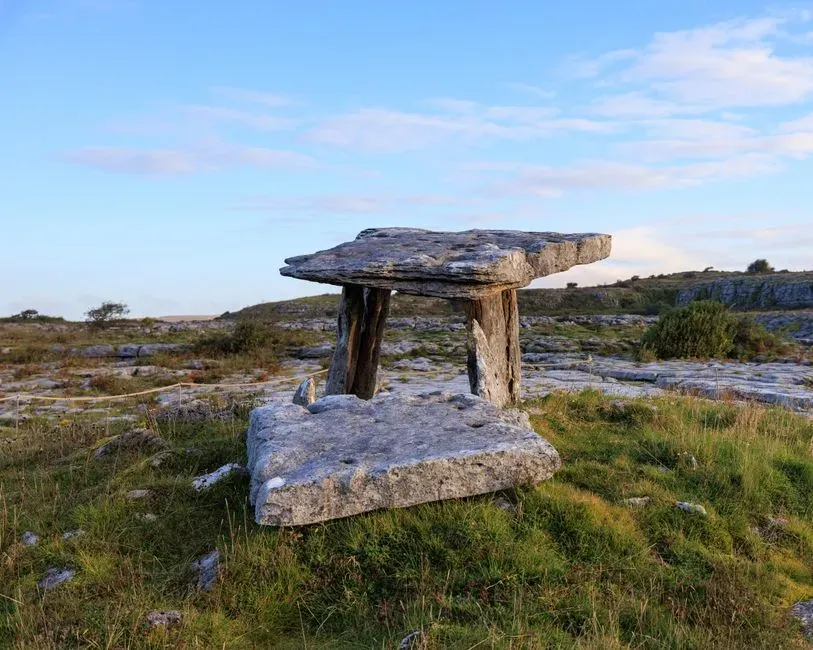
Archaeologists often point to ancient graves as some of the earliest clear signals that humans truly grasped death. In prehistoric burial sites, bodies are not just left where they fell; they are positioned carefully, sometimes curled, sometimes facing a specific direction, and often surrounded by tools, ornaments, or traces of pigments. That kind of effort suggests we realized that something important had happened, that the person was gone in a way that mattered, and that this moment needed to be marked. This is awareness of death turning into ritual.
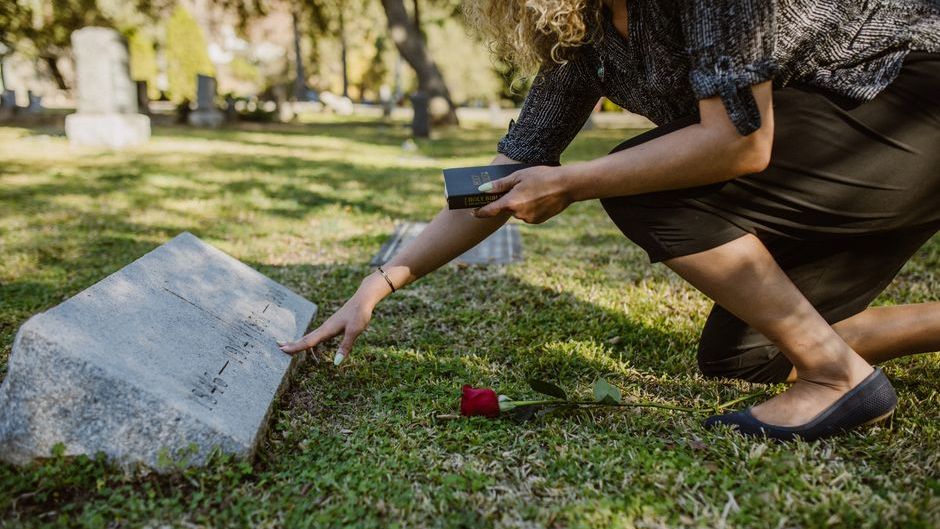
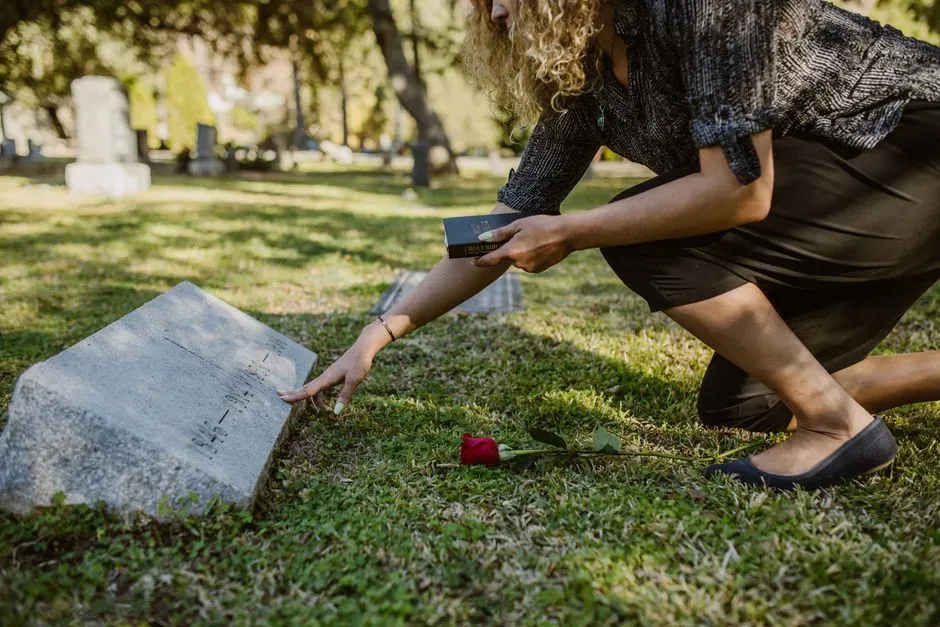
Once burial becomes symbolic, you can already see civilization forming in the background. Rituals need coordination, shared beliefs, and memory, and they pull people together into groups that last beyond a single life. The dead become a reference point for the living: ancestors, founders, heroes. Even something as small as laying flowers on a grave is part of a chain that stretches back tens of thousands of years, quietly shaping how we think about identity, family, and belonging. Our graves are not just where lives end; they are where culture begins.
Religion as Humanity’s Answer to the Unbearable Question
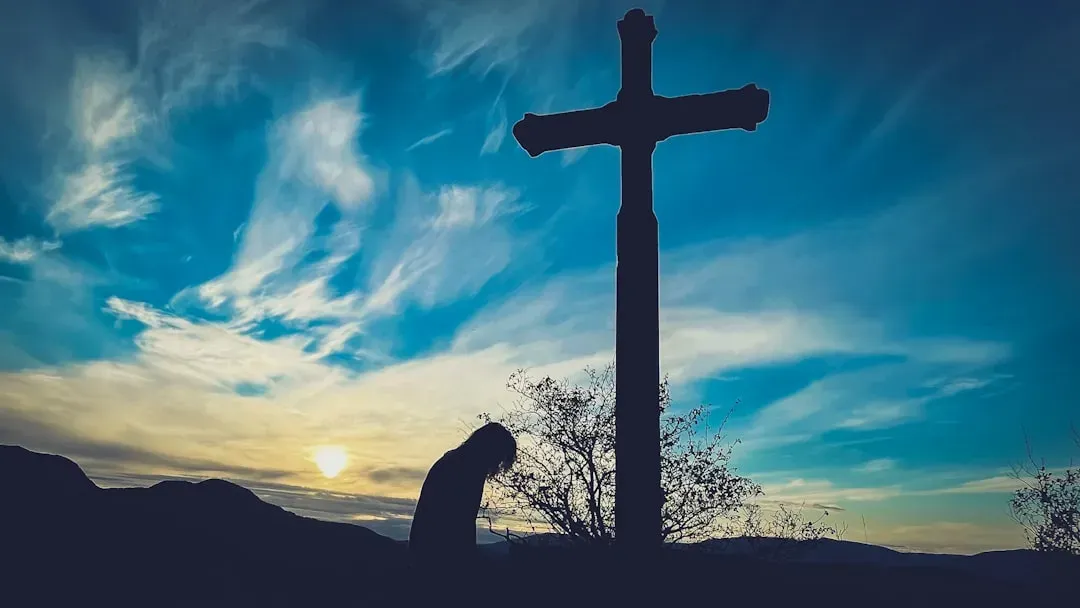
Once you understand death, the next question is brutal: what, if anything, comes after? Across continents and millennia, humans rarely settled for silence. Instead, they built vast religious systems that wrestled with fear, grief, and hope. Afterlife beliefs, reincarnation stories, heavens, hells, spirit worlds – these are not random tales. They are structured responses to the terror and mystery of nonexistence, and they shaped laws, ethics, and everyday behavior. For many societies, how you lived was explicitly tied to what you expected after you died.
The social effects of that are enormous. If your culture believes ancestors watch over you, then family loyalty and tradition gain sacred weight. If your religion promises judgment after death, moral codes take on cosmic significance and leaders can appeal to eternal consequences, not just earthly punishment. Temples, cathedrals, shrines, and mosques rise not only as places of worship but as architectural statements that the community has an answer – however partial – to death. Whether a person believes or not, modern life is still shaped by these ancient attempts to make death emotionally bearable and morally meaningful.
The Birth of Legacy: Art, Monuments, and the Hunger to Be Remembered
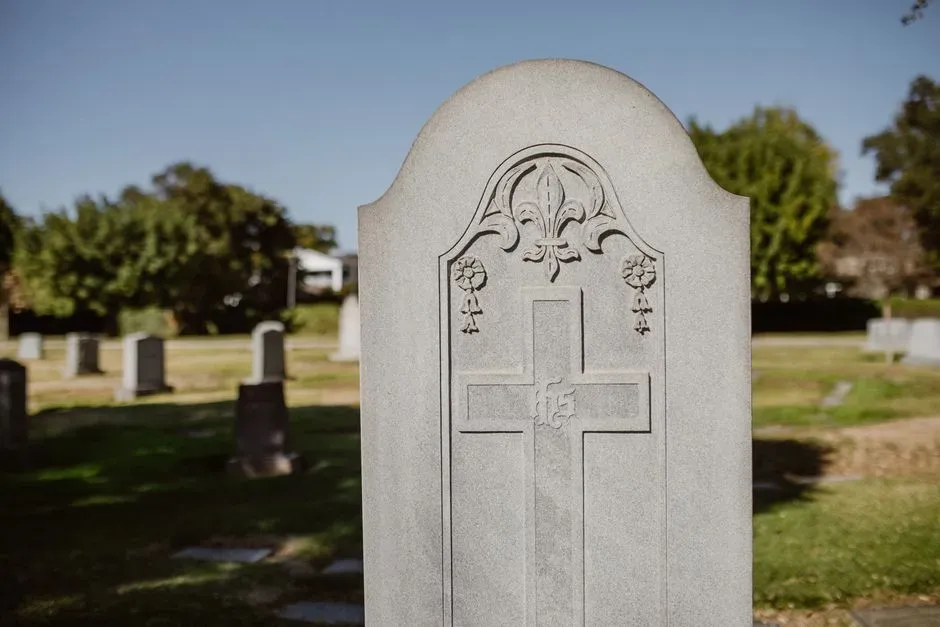
A powerful side effect of knowing we die is the aching desire not to disappear completely. That is where legacy comes in. From cave paintings that freeze moments of a hunt, to epic poems that preserved the deeds of warriors, to pyramids built to outlast entire dynasties, humans have poured staggering effort into being remembered. Art became more than decoration; it turned into a way to push something of ourselves beyond the boundary of our own bodies. In a sense, culture itself is a long, improvised answer to the fear of being forgotten.
Monuments and masterpieces are the obvious examples, but legacy shows up in quieter ways too. Parents pass on family stories, people carve their names on trees or wet concrete, activists risk their lives for causes they hope will outlive them. Even in the digital age, this instinct is everywhere – from social media timelines that outlast their creators to online archives that capture our words and images. Awareness of death did not just make us mourn; it made us builders, archivists, and storytellers, obsessed with leaving some kind of mark.
Death, Law, and Power: How Mortality Shaped Politics

It is easy to talk about death as a personal or spiritual issue, but it has always been political too. Rulers leveraged mortality to legitimize their power, claiming divine favor, sacred bloodlines, or special roles in caring for the dead and mediating with ancestors. Tombs of kings and leaders were not just resting places but political theater, designed to project strength and continuity. When a ruler dies, what happens next can define the fate of whole nations, so societies eventually built systems of succession, inheritance, and law to manage the chaos that death brings.
Legal frameworks around wills, property, and family ties also grew directly from the fact that people die while their possessions and relationships continue. Who gets the land? Who takes care of the children? Which promises stay binding after someone is gone? Answering those questions forced communities to formalize rules, create institutions, and define rights. In that sense, courts, contracts, and even bureaucracy are partly tools for smoothing over the disruptive impact of death. The more complex a society becomes, the more it has to anticipate mortality and fold it into its laws.
Science, Medicine, and the Fight to Delay the Inevitable

One of the most dramatic ways awareness of death reshaped civilization is in our obsession with stopping, or at least slowing, the dying process. Early healers and herbalists were already trying to push back against disease and injury, but as scientific thinking emerged, the effort became systematic and relentless. Anatomy studies, germ theory, vaccines, antibiotics, surgery, and intensive care units are all part of a long, stubborn refusal to accept early death as “just the way things are.” Our fear and sorrow drove innovation, turning grief into research questions.
The results are astonishing: in many parts of the world, human lifespans today are roughly double what they were a couple of centuries ago. That extra time changed everything – from family structures and career paths to how long we stay in school and how many times we reinvent ourselves in one life. Now, entire industries focus on anti-aging, life extension, and technologies that might stretch the limits of human longevity even further. Whether that is wise or hubristic is still up for debate, but the motivation is familiar: we know we die, and we are not satisfied with that timeline.
The Psychology of Mortality: Fear, Meaning, and Everyday Life
Psychologists have spent decades exploring how our awareness of death quietly shapes everyday behavior, even when we are not actively thinking about it. Experiments suggest that when people are reminded of their mortality, they often cling more tightly to their cultural values, identities, and in-groups. That can make them kinder to those they see as “their own,” but also more defensive, judgmental, or even hostile toward outsiders. The same awareness that gave us compassion and community can also tilt us toward conflict when we feel threatened.
On a more personal level, knowing that life is finite can either paralyze or energize. Some people respond to death anxiety with distraction and denial, trying not to think about it at all. Others use it as fuel, deciding to travel, switch careers, mend relationships, or start long-postponed projects because “time is short.” In therapy, confronting mortality often turns into a turning point, where people re-evaluate what actually matters. Whether it pushes us toward anxiety or purpose, the fact that death sits in the background of our minds strongly colors how we experience even ordinary days.
Modern Rebellion: From Transhumanism to Digital Immortality
In the twenty-first century, our struggle with death has taken on new, almost sci-fi forms. Some technologists and thinkers embrace transhumanism, the idea that we should use advanced technology – genetic engineering, brain-computer interfaces, artificial intelligence – to radically extend or even transcend our biological limits. Cryonics, mind-uploading concepts, and radical life-extension research are all expressions of an old desire wrapped in new tools: to outsmart the finality of death, or at least push it so far into the future that it feels almost optional.
At the same time, the digital world has created a strange new kind of presence after death. Social media accounts, messages, photos, and videos often remain online long after someone is gone, turning profiles into haunted archives. There are even services that simulate a person’s voice or messages based on their past data, blurring the emotional line between absence and presence. Personally, I find this both moving and unsettling: comforting for some, but also a reminder that we are now experimenting, in real time, with what it means to “live on” in bits and code instead of flesh.
Conclusion: Death Awareness as Humanity’s Sharpest Mirror
When you trace the story of human civilization through the lens of death awareness, it becomes clear that our greatest fears and our greatest achievements are tightly linked. Burial rites, religions, laws, art, science, and technology all carry fingerprints of that original shock: realizing that we do not last. I think we underestimate how much of what we call “progress” is really a series of creative attempts to make that fact less crushing, less random, or at least more meaningful. In that sense, death is not just an ending; it is the pressure that shaped the entire sculpture of human culture.
At the same time, there is a tension we still have not resolved. The more control we gain over disease and decay, the stronger the temptation to see death as a glitch to be fixed rather than a boundary to be respected. My own opinion is that the awareness of death is too central to who we are to simply delete; it forces us to choose, prioritize, and care in ways that an endless life might not. Maybe the real task is not to escape death, but to let its reality sharpen our lives instead of shrinking them. If you knew, down to the day, how much time you had left, what would you change first?