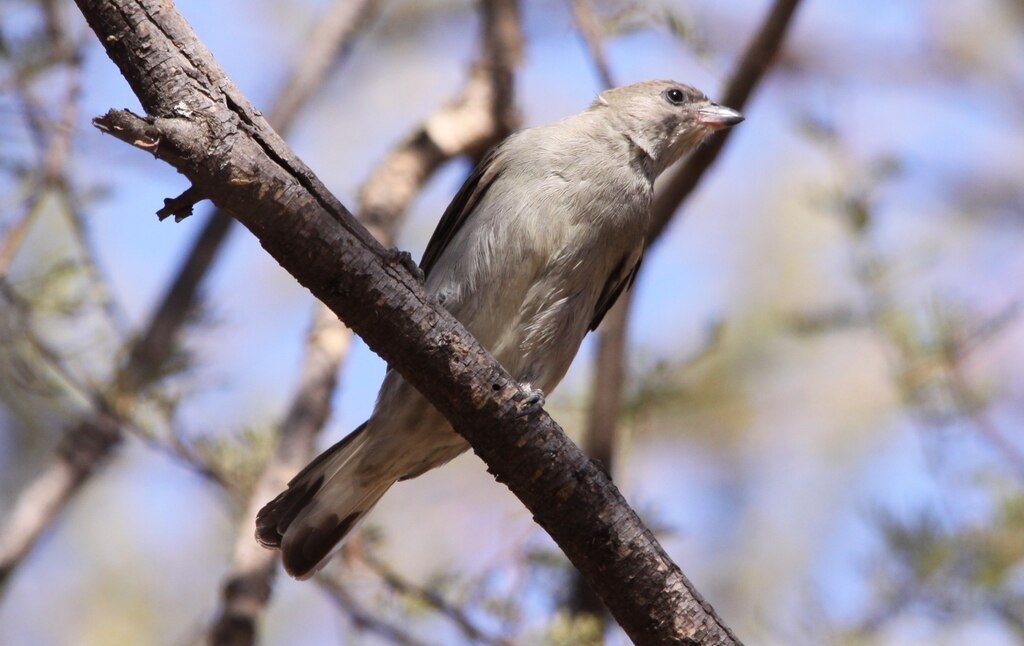

Honeyguides, small birds known for leading humans to beehives, have long been part of a mutualistic relationship with honey hunters. However, some reports suggest that these birds occasionally guide people to dangerous animals instead of bees. While local folklore attributes this behavior to revenge for insufficient rewards, scientists now believe it may be due to memory errors or unintended warnings.
Tracking Honeyguide Behavior
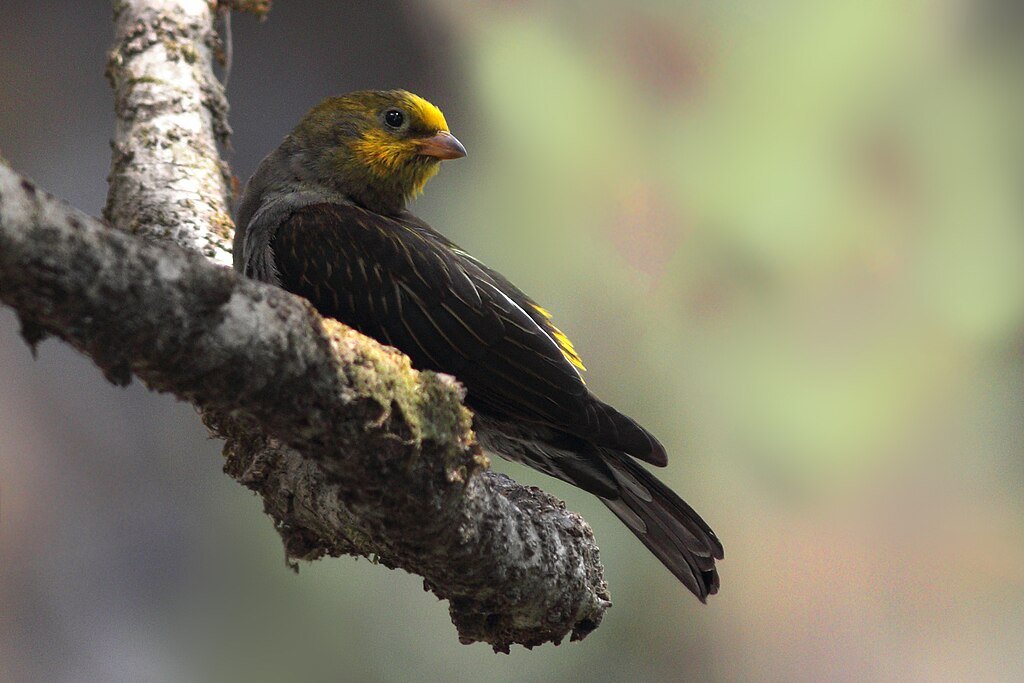
Researchers in Mozambique followed hundreds of honey-hunting expeditions, documenting cases where honeyguides led humans to poisonous snakes and a dead primate instead of beehives. The birds used the same calls and swooping behavior as they do when identifying bee colonies, suggesting that these misdirections were not random.
Is It Punishment or a Mistake?
While some hunters believe honeyguides intentionally mislead those who fail to reward them with beeswax, researchers found no correlation between past rewards and misdirection. Instead, they propose that these incidents may result from spatial recall errors, where the birds mistakenly guide humans to previously memorized locations rather than active beehives.
Could Honeyguides Be Offering Warnings?
Another theory suggests that honeyguides may be alerting humans to potential dangers rather than leading them astray. In several cases, the snakes were out in the open, making them easy to spot. If honeyguides associate humans with shared survival strategies, they may be signaling threats rather than simply seeking food rewards.
Conclusion

While honeyguides occasionally lead hunters to dangerous animals, evidence suggests that this behavior is not intentional punishment but rather a result of memory errors or potential warning signals. Understanding these interactions helps scientists explore the complexities of animal cognition and human-wildlife relationships.
Source: