A new study from Penn State University has uncovered the molecular mechanisms behind one of nature’s most fascinating transformations: how genetically identical honeybee larvae become either queens or workers. Published in Genome Biology, the research reveals that a developmental tug-of-war between maternal and paternal genes determines the fate of each female larva, offering fresh insight into the complex world of insect social structure.
The Power of Genomic Imprinting
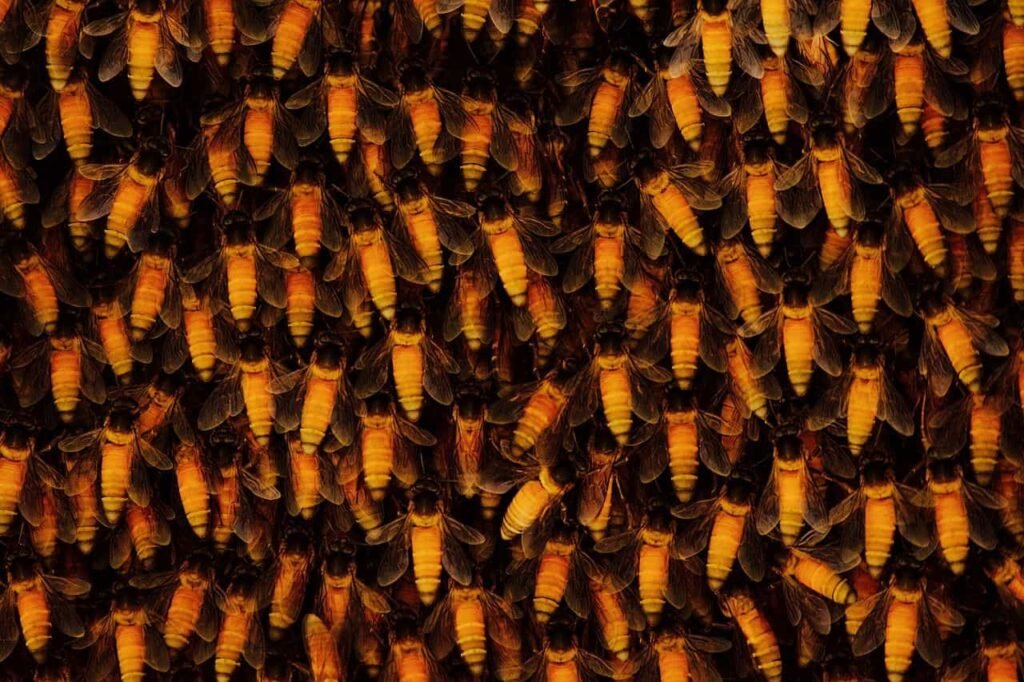
Despite sharing the same DNA, female honeybee larvae can develop into either long-lived fertile queens or short-lived, sterile workers. This divergence is driven by a process called genomic imprinting, where genes inherited from the mother (matrigenes) and father (patrigenes) are expressed differently. The study found that during a critical developmental window—192 hours after the egg is laid—these parent-specific genes engage in a molecular conflict that influences whether a larva becomes a queen or a worker.
Experimental Design and Genetic Tracking
To trace the origin of gene expression, researchers used instrumental insemination to create controlled genetic crosses between selected queens and drones. They then sequenced the genomes of the parents analyzed RNA from the larvae to identify which genes were expressed and whether they came from the mother or father. The results showed that patrigenes were more active in queen-destined larvae, while matrigenes dominated in worker-destined ones.
A Molecular Tug-of-War
The study revealed that many of the genes showing parent-of-origin expression were involved in the same cellular pathways. In these cases, if a marigene was upregulated, the corresponding patrigene was downregulated, and vice versa. This suggests a direct genetic conflict, with maternal and paternal genes competing to influence the larva’s developmental trajectory. The researchers believe this conflict reflects evolutionary pressures, as queens and workers contribute differently to the colony’s genetic legacy.
Broader Implications
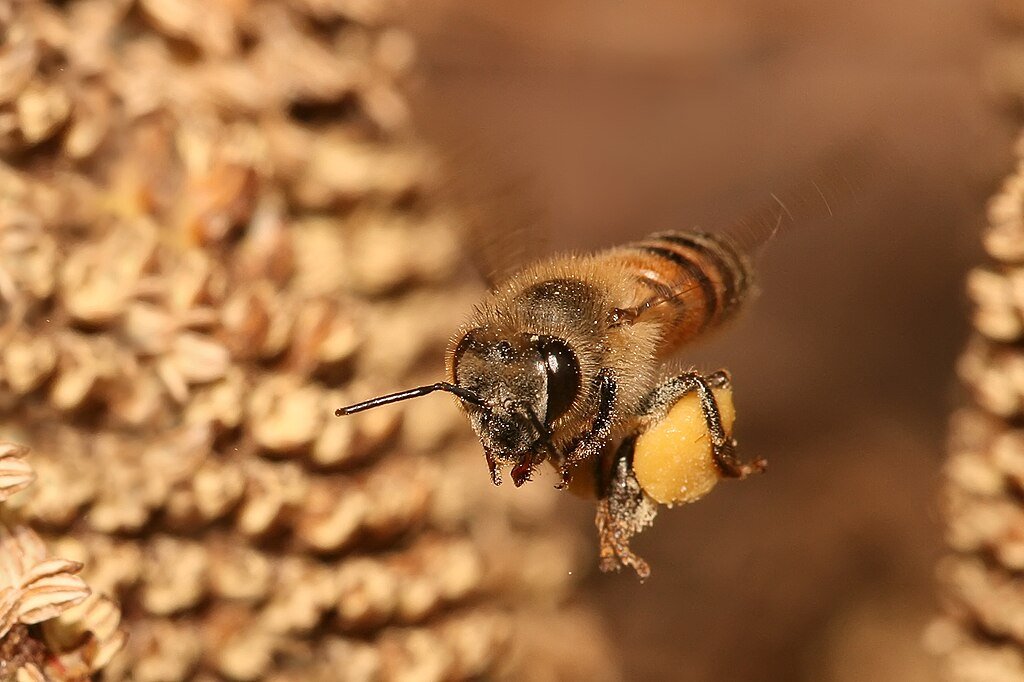
This research not only deepens our understanding of honeybee biology but also sheds light on the broader phenomenon of genomic imprinting, which occurs in many animals, including humans. By revealing how parent-specific gene expression can shape development, the study opens new avenues for exploring how social behavior and reproductive roles evolve in complex societies.
Source: