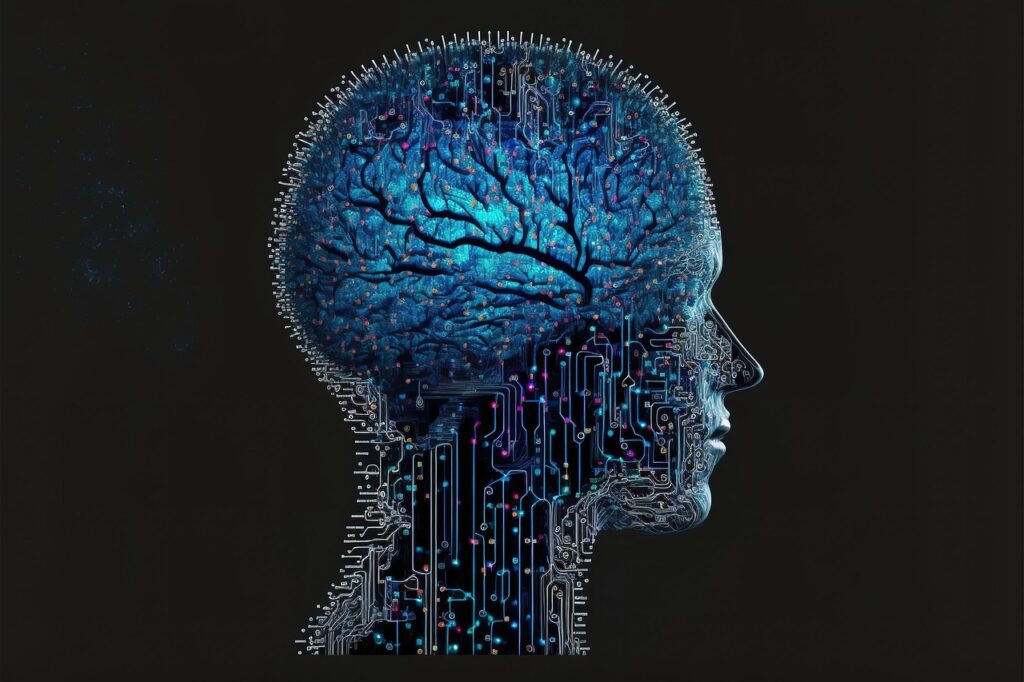

You know that strange moment when you just sense something is off before you can explain why? Maybe you hesitate before a business decision, avoid a street for no clear reason, or instantly trust someone you just met. It feels irrational, almost spooky. Yet what if those gut feelings are not magical at all, but your body quietly running the numbers faster than your conscious mind can keep up?
More and more, research is hinting that your body is not just a vehicle carrying your brain around. Your muscles, heart, gut, and even your posture store patterns from past experiences. This stored “somatic memory” can nudge you toward a choice before your thinking brain has fully processed the situation. In other words, your body might be whispering the answer while your mind is still setting up the equation.
Why Your Body Reacts Before You Can Put It Into Words

Think about the last time you walked into a room and instantly felt tension in the air. You probably noticed it in your chest, shoulders, or stomach long before you could list any logical reasons. That tightness, quickened breathing, or sudden urge to leave is your nervous system reading micro-signals – tone of voice, facial expressions, tiny shifts in posture – and comparing them with countless past experiences you barely remember.
Your conscious brain is slow and effortful; it needs time to analyze, compare, and explain. Your body, on the other hand, runs on pattern recognition. Over the years, you’ve collected a huge library of situations where things went well or badly, and your nervous system tags them with bodily states: relaxed, on edge, heavy, buzzy, calm. When something in the present rhymes with a past threat or success, your body reacts first, like an early warning system that does not bother to send a full report.
Somatic Memory: How Experiences Get Written Into Your Muscles and Nerves
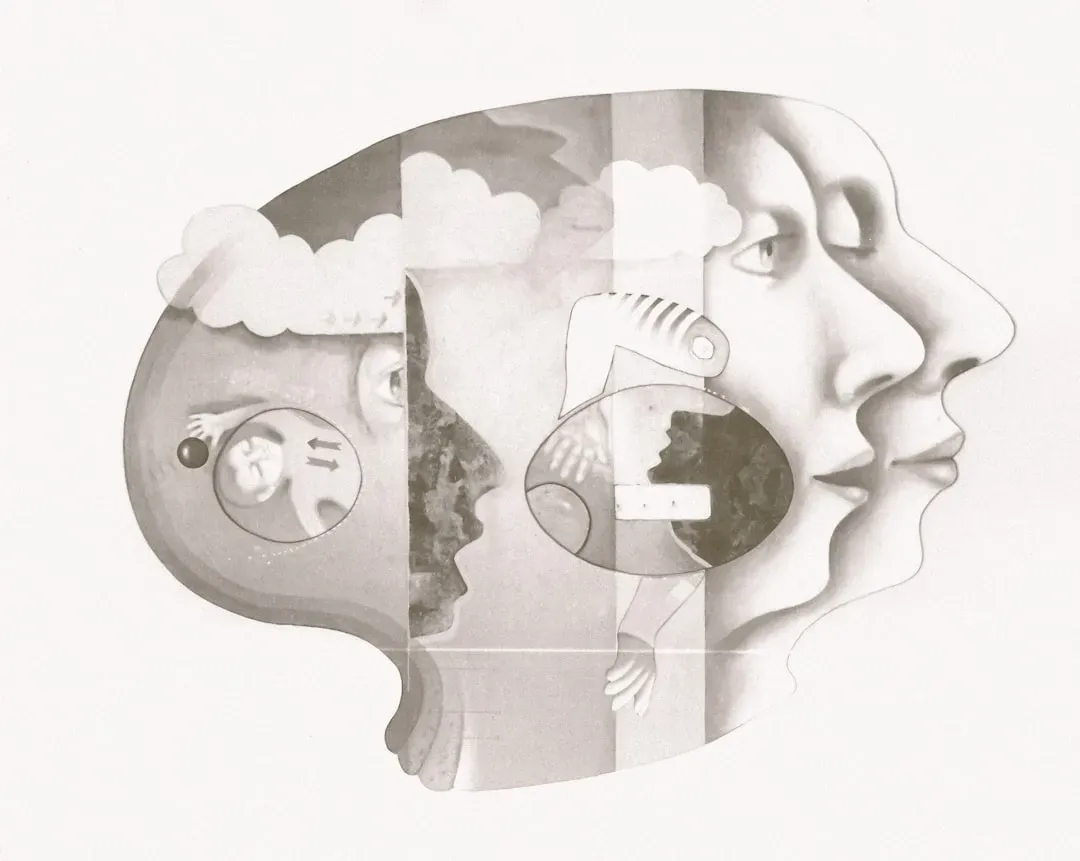
Somatic memory is basically your body’s way of saying: we’ve been here before. After intense or repeated experiences, your brain and body wire together in specific patterns. Maybe you learned as a kid that raising your voice led to conflict, so now your throat tightens whenever you want to speak up. Or you spent years in competitive sports, and just hearing a whistle makes your muscles prime for action. These are not random quirks; they’re stored patterns shaped by repetition and emotion.
Over time, these patterns can become so automatic that you skip straight from trigger to body response without conscious thought. Your shoulders tense around a certain family member, your stomach drops when you see a particular type of email subject line, your breathing slows when you walk into a library or a church. These reactions are your somatic memory activating, pulling up an old file and saying, this is how we usually survive this type of situation.
Gut Feelings as Fast, Embodied Predictions
From a prediction standpoint, your gut feeling is not a mystical voice; it’s a fast, rough calculation based on prior data. Your body notices familiar cues – a pattern in someone’s behavior, a look in their eyes, the pace of a conversation, the environment you’re in – and rapidly matches them to experiences from your past. Instead of sending you a detailed report, it changes your internal state: a sense of dread, a wave of calm, a spark of excitement.
By the time your thinking brain tries to catch up, your body has already cast its vote. That is why you might say things like, something just feels off, or I can’t explain it, but this seems right. Your gut feeling is your somatic memory doing a sort of shortcut prediction: based on what has happened in situations like this before, here is the likely outcome, and here is how you should feel about it. It is not always correct, but it is remarkably efficient.
How Trauma and Stress Can Distort Your Gut Instincts
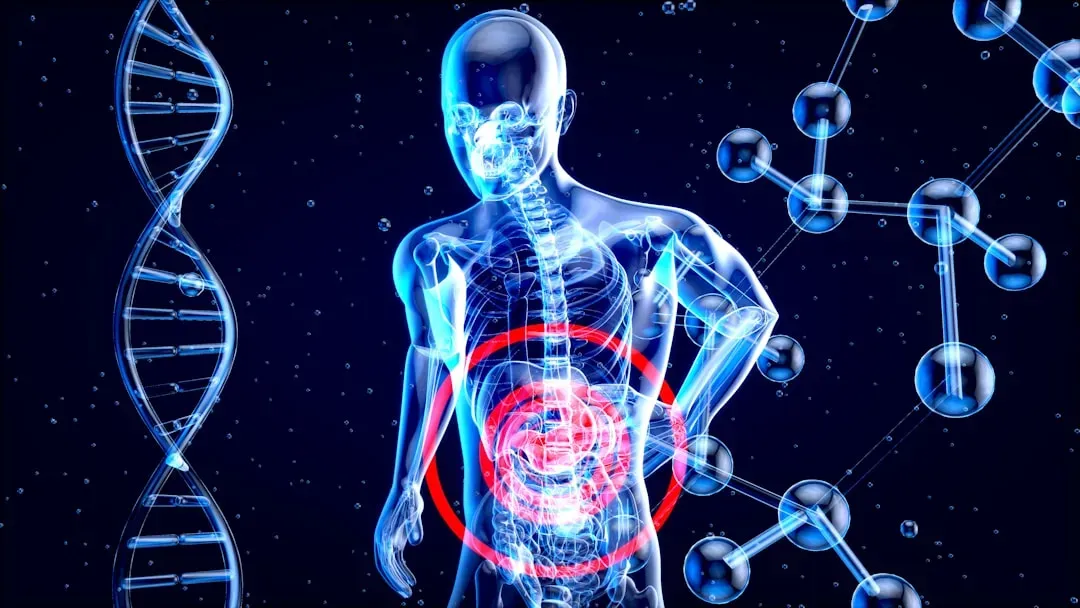
There is a catch: your body does not store only accurate predictions; it stores survival strategies. If you have gone through trauma, chronic stress, or repeated emotional harm, your somatic memory may become overprotective. Your body might start labeling many neutral or even positive situations as dangerous because they vaguely resemble something painful from your past. So your gut may scream no when the present moment is actually safe.
This is why you might feel on edge around harmless people, numb in situations where you should feel joy, or terrified of opportunities that could benefit you. Your nervous system is not trying to sabotage you; it is trying to keep you alive using outdated data. In this case, your gut feeling is not a wise oracle; it is an alarm system stuck on a high sensitivity setting, interpreting every creak as a threat because it once really was.
Training Your Interoception: Learning to Read Your Inner Signals

If your body is constantly sending signals, the real skill is learning to read them accurately. Interoception is the ability to notice what is happening inside you: your heartbeat, your breathing, your muscle tension, your temperature, your gut sensations. When you improve this skill, you move from just feeling overwhelmed or “off” to being able to say, my chest is heavy, my jaw is tight, my stomach feels nauseous, my breathing is shallow.
Practices like slow breathing, body scans, yoga, gentle stretching, or just regularly checking in with questions like “Where am I tense right now?” can slowly sharpen your interoception. You start to notice patterns: this type of person always makes my shoulders clench, this kind of work leaves me buzzing in a good way. The clearer you are on how your body speaks, the easier it becomes to distinguish between a grounded gut sense and a stress response on autopilot.
Using Gut Feelings Wisely in Decision Making

Trusting your gut does not mean switching off your brain; it means letting your body have a seat at the decision-making table. One practical approach is to treat your gut reaction as a strong first hypothesis, not a final verdict. When you sense a clear yes or no in your body, you can pause and ask yourself: what, exactly, am I noticing, and what might this be reminding me of from my past? That short pause already moves you from blind reactivity to curious awareness.
From there, you can combine embodied data with rational thinking. If your gut says no to a new job offer, for example, you can check: is this because there are real red flags here, or because this reminds me of a past boss or situation? You can also run small experiments: take a tiny step toward the thing your gut is unsure about and see how your body responds, then adjust. Over time, this dance between somatic memory and conscious reasoning can turn your gut feeling into a more reliable ally instead of an unquestioned dictator.
Rewriting Somatic Memory Through New Experiences
The hopeful part is that your somatic memory is not fixed; it is plastic. You can teach your body new associations by repeatedly pairing old triggers with safer, more supportive experiences. If speaking up used to end badly, practicing it in a trusted setting where you are heard and respected begins to “update the file.” Your throat might still tighten at first, but if the new outcome is consistently safer, the tension slowly eases over time.
This process often happens gradually and quietly. You might notice one day that you walked into a situation that once terrified you and your body stayed relatively calm. Or you realized you were able to say no, feel your heart pound, and still not collapse afterward. Each of these moments is your nervous system learning: maybe we do not have to respond the old way anymore. Little by little, your gut predictions get closer to the present instead of being hijacked by the past.
Listening Without Worshipping: A Balanced Relationship With Your Body’s Wisdom

The real magic happens when you stop treating your body as either a flawless guide or a problem to override. Your gut feelings are information, not instructions. When you honor them, you stop gaslighting yourself: you recognize that your reactions come from somewhere real, even if they are not always about the present moment. This respect alone can reduce your internal conflict and make you feel more grounded inside your own skin.
At the same time, you do not have to obey every alarm your body rings. You can acknowledge a racing heart, a tight chest, or a churning stomach and still choose a different response. That is you, as an integrated person, standing between your history and your future and deciding which one you want to follow. In that sense, gut feelings are less about magic and more about partnership: your body is offering you a rough draft prediction, and you get to help edit it.
In the end, your gut is not some mystical stranger living in your abdomen; it is your lived history, wired into nerves and muscles, constantly trying to keep you one step ahead. Sometimes it is brilliantly right, sometimes it is clumsy and overprotective, and often it is just incomplete. When you learn to listen carefully, question gently, and update your somatic memory through new, safer experiences, your body stops feeling like an unpredictable enemy and starts to feel like a teammate. The question is not whether you should trust your gut blindly, but how well you are willing to get to know it – and what might change in your life if you did.