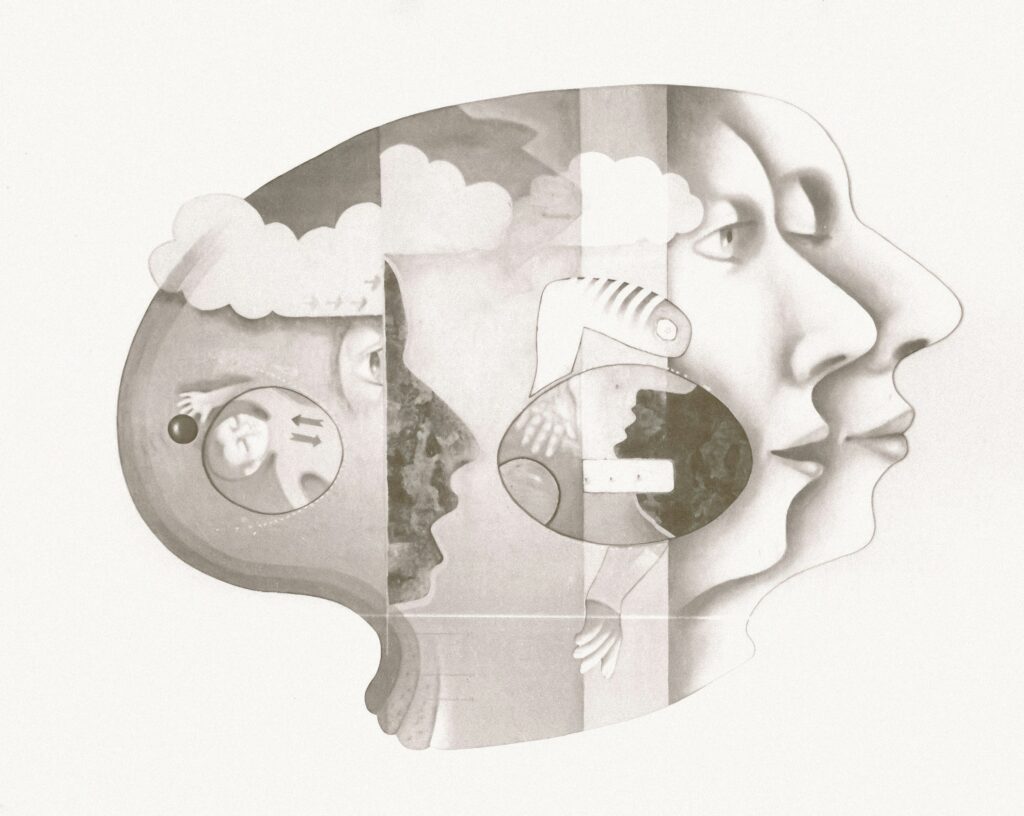
You like to think you see the world as it really is. Solid, objective, reliable. But modern neuroscience is quietly tearing that comfort blanket to shreds. What you call “reality” is closer to a controlled hallucination that your brain constantly edits, negotiates, and sometimes gets spectacularly wrong.
And here’s the twist that feels almost unsettling: you’re not hallucinating alone. Your perceptions are shaped by other people, culture, language, and expectations, which means whole groups can end up sharing the same warped version of reality. Once you see how that works, you start noticing it everywhere – from social media mobs to financial bubbles to those strange moments when an entire room “remembers” something that never actually happened.
Your Brain Is Not a Camera, It’s a Storyteller

You probably assume your senses work like a camera, capturing the outside world and showing it to you as it is. In reality, your brain is guessing far more than it is seeing, stitching together fragments of data into a story that feels smooth and continuous. What you experience as “now” is the end result of billions of neurons predicting what should be there, then quickly correcting when the world disagrees.
This is why you sometimes miss obvious details right in front of you or swear you saw something move in the corner of your eye. Your brain fills gaps in vision, sound, and memory to maintain a sense of coherence, because a stable story feels safer than a messy, uncertain reality. You are living inside that story, not inside the raw data of the world.
Prediction Machines: How You Hallucinate on Purpose
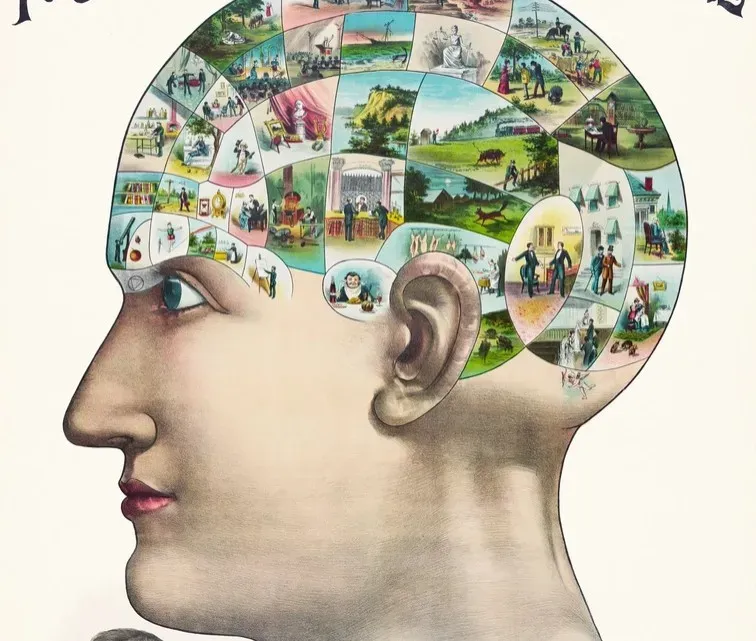
Your brain runs on prediction. Instead of waiting passively for the world to send information, it constantly forecasts what will happen next and then checks whether it was right. Perception becomes a balancing act between top-down expectations (what you think should be there) and bottom-up input (what your senses actually deliver).
When predictions are strong and sensory input is weak, your expectations can overpower reality, and you drift toward hallucination. When sensory data is sharp and reliable, it can correct the brain’s guesses and pull you back toward accuracy. You are always somewhere on that spectrum, which is why the same event can look completely different depending on how tired you are, how stressed you feel, or what you were expecting.
When Brains Sync Up: The Science of Shared Hallucinations
If your perception is a controlled hallucination, then shared reality is what happens when many hallucinations line up. Your brain doesn’t just predict based on your own history; it leans heavily on what other people around you believe, say, and react to. Social cues act like a powerful signal, nudging your predictions to match the group’s story.
In extreme cases, this syncing can look like shared hallucinations, where multiple people confidently experience or recall something that is inconsistent with the facts. You see echoes of this in collective false memories, mass scares, and contagious beliefs that spread through communities. Your brain, wanting to belong and to be efficient, often decides it is easier to see what others see than to stand alone in doubt.
How Culture Programs What You Think You See
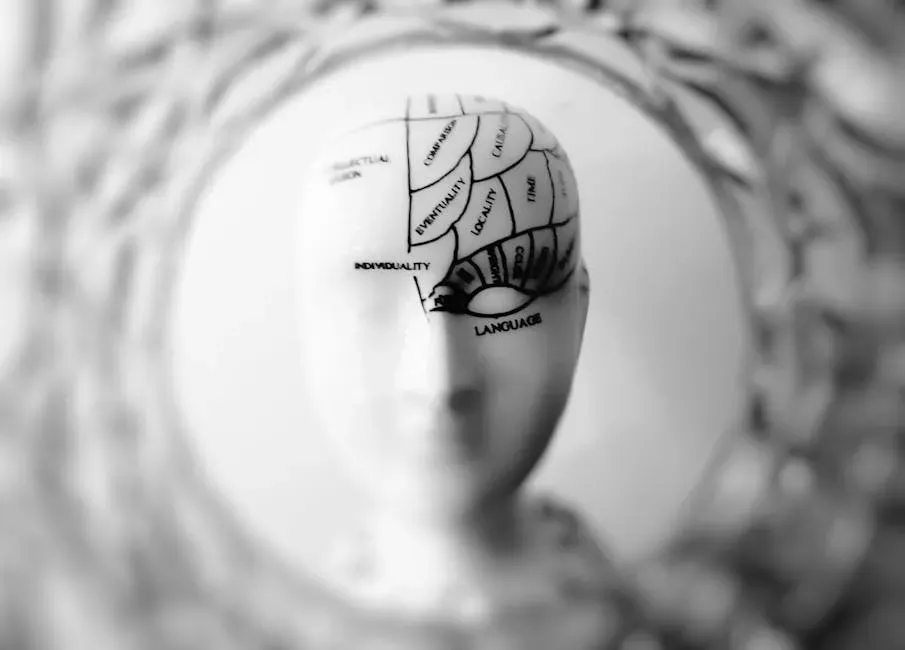
You do not perceive the world from scratch; you inherit a mental toolkit from your culture. Language, beliefs, and social norms quietly program how you carve up reality – what you notice, what you ignore, and what you interpret as meaningful. Two people from different cultures can look at the same image or event and genuinely experience different realities.
This cultural programming also helps explain why certain illusions or rumors spread faster and stick harder inside particular groups. When your background primes you to expect danger, disrespect, or opportunity in a specific pattern, your brain is more likely to “see” those patterns even when they are barely there. You are not just wearing glasses; you are wearing a whole cultural operating system.
The Everyday Illusions You Don’t Notice
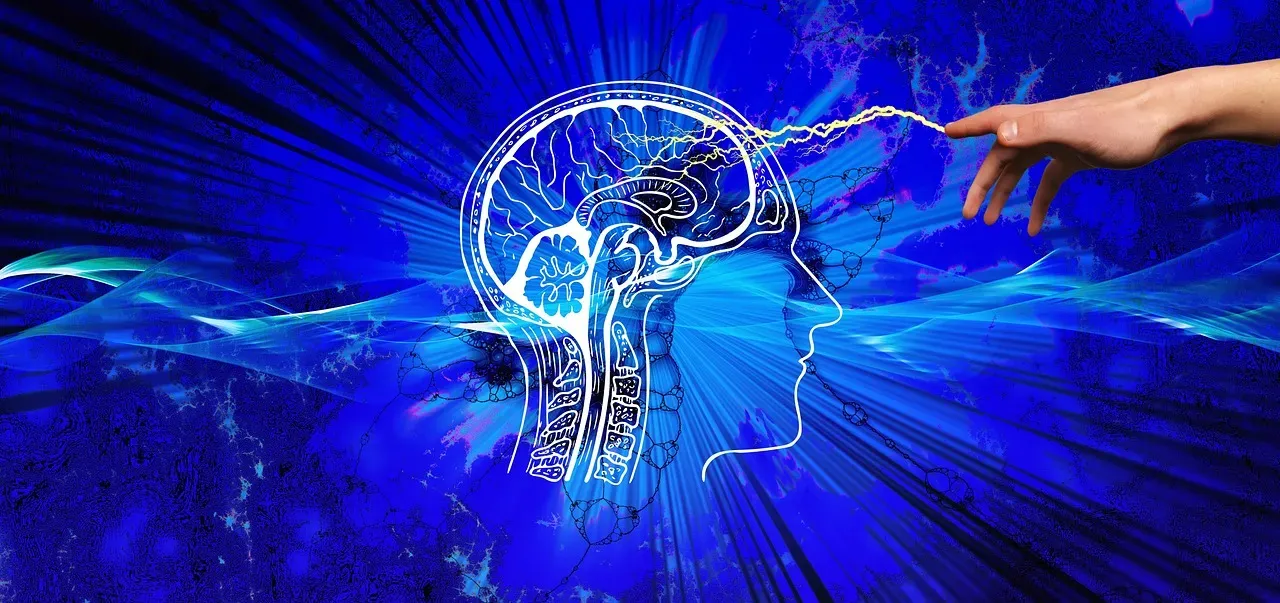
You do not need psychedelic drugs or psychosis to hallucinate; you do it all day long in tiny, practical ways. Optical illusions are the obvious examples, but more subtle distortions happen whenever you mishear a word, confidently remember a detail that never happened, or fill in parts of a sentence you did not fully catch. Your brain favors speed and usefulness over precision.
Think about how you read: you do not process every letter – your brain guesses whole words and phrases from context, and only slows down when something surprises it. The same shortcutting happens with faces, emotions, and even time. You feel as if you are observing reality, but most of the time you are running a fast, approximate model that is “good enough” to function, not perfectly true.
When Stress, Loneliness, and Sleep Loss Bend Reality Further

Your brain’s grip on reality is not constant; it wobbles with your physical and emotional state. When you are exhausted, under heavy stress, or deprived of social contact, your predictions become noisier and more biased. Sounds at night turn into intruders, a neutral glance becomes an insult, a mild ache feels like a serious illness.
Under strain, your brain often leans harder on expectations, because it has fewer resources to carefully evaluate fresh sensory input. That means you become more vulnerable to distortions, paranoia, or misunderstandings. In extreme cases – long-term isolation, intense trauma, or severe sleep loss – people can experience vivid hallucinations that feel completely real, even though they vanish once conditions improve.
How Media and Technology Amplify Shared Distortions

Digital platforms act like giant echo chambers for your brain’s predictive habits. When you scroll through social media, you are constantly bombarded with signals about what other people believe, fear, and celebrate. Those signals quietly adjust your own expectations, pushing your internal model of reality toward whatever is loudest, most repeated, or most emotionally charged.
Because algorithms tend to show you more of what you already react to, you can end up in a kind of guided hallucination loop. You expect the world to look a certain way, you seek and share content that confirms it, and then you feel even more convinced because “everyone” seems to see it too. You might think you are just gathering information, but in practice, you may be co-authoring a shared distortion.
Practical Ways to Reality-Check Your Own Mind

The point is not to panic and assume nothing is real; it is to treat your perceptions as hypotheses instead of sacred truths. You can start by building the habit of asking yourself what else could be going on whenever you feel absolutely certain in an emotionally charged moment. That simple pause gives your brain a chance to weigh new data instead of doubling down on a bad prediction.
You can also protect yourself by diversifying your inputs: talking to people outside your usual circle, reading sources that disagree with you, and paying attention to environments where your expectations are frequently wrong. Practices like mindfulness, good sleep, and regular social contact help stabilize your internal model, making your perception less jumpy and less hijackable by fear or group pressure.
Why This Matters for Your Relationships and Decisions
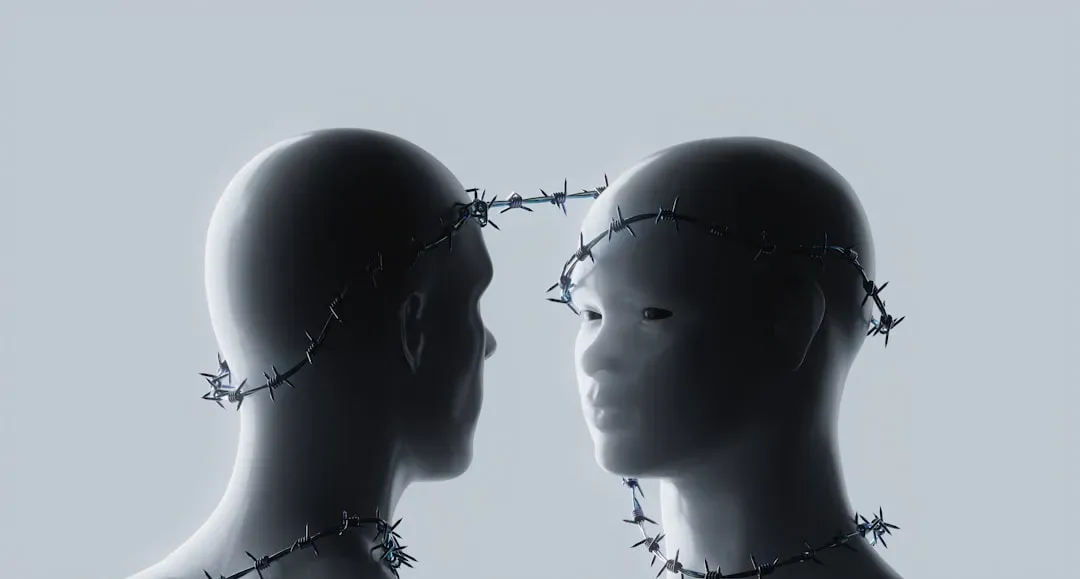
Once you accept that your brain is a storyteller, you stop assuming you and other people are arguing about the same movie. In conflicts, you are often clashing hallucinations – two internal realities that each feel obvious from the inside. Recognizing that makes it easier to ask curious questions instead of firing back with instant rebuttals.
In big decisions, this awareness pushes you to slow down and test your assumptions in the real world rather than trusting gut feelings alone. You can prototype, gather feedback, and deliberately seek disconfirming evidence before you commit. That does not remove all bias or error, but it reduces the odds that you end up steering your life based on a beautifully convincing story that just happens to be wrong.
Conclusion: Living Wisely Inside a Hallucinated World
You will never step outside your brain’s reality-making machinery, and that is not a failure; it is simply how a biological prediction engine survives in a messy world. But you can choose how seriously you take your own certainty, how open you are to being corrected, and how carefully you participate in shared realities with others. The goal is not to destroy your illusions, but to make them flexible, compassionate, and grounded enough that they do more good than harm.
If your experience is a kind of hallucination shaped by your body, your culture, and your relationships, then every conversation and every piece of information you consume is part of the paint on that canvas. The question is not whether you are hallucinating, but whether you are doing it consciously, kindly, and with room for revision when the world pushes back – so given that, how will you choose to see things tomorrow?