Imagine standing on a rocky outcrop, looking out over a valley that, a century ago, was carved by a mighty river of ice. Today, the glacier is gone. The name of the park still whispers of its frozen past, but all that remains are tales of ice and the scars it left behind. This isn’t some dystopian future—it’s a reality creeping ever closer for many of the world’s most iconic protected areas. Glacier National Park, among others, faces a haunting question: what happens to a park—and the life that depends on it—when its defining glaciers disappear? The answer is as complex as it is urgent, weaving together science, emotion, and the fate of ecosystems shaped by ancient ice.
The Vanishing Giants: How Fast Are Glaciers Disappearing?
Glaciers are melting at a rate that would have seemed unthinkable just decades ago. Scientists monitoring Glacier National Park in Montana, for example, have watched more than two-thirds of its original glaciers disappear since the late 19th century. The few that remain are shrinking every year, and researchers estimate that these icy giants could be gone within the next decade. This isn’t just a local story—across Europe, Asia, South America, and New Zealand, glaciers are retreating at unprecedented speeds due to rising global temperatures. The loss feels like watching pages tear from a history book, each glacier taking with it thousands of years of frozen memory.
The Park’s Identity Crisis: What’s in a Name?
Glacier National Park without glaciers seems almost like a library without books or a beach without sand. The very name evokes images of sparkling ice fields and blue-hued crevasses. As the glaciers fade, visitors are left to wonder: does the park lose its magic, its purpose, or even its reason for being? Park rangers and conservationists grapple with how to tell this new story—one where the landscape is still stunning, but undeniably changed. Some worry the loss could mean fewer visitors, while others believe the transformation itself could become a new lesson in resilience and adaptation.
Water Towers of the Wild: Glaciers as Nature’s Reservoirs
Glaciers are more than just pretty scenery—they are crucial reservoirs, slowly releasing water throughout the year. In summer, their melt feeds rivers and streams that quench thirsty forests, nourish wildlife, and sustain human communities downstream. When glaciers vanish, the seasonal flow changes dramatically. Rivers run lower in dry months, putting stress on everything from wildflowers to grizzly bears. Imagine a faucet that once dripped cool, clear water all year suddenly going dry in August—the ripple effects touch every corner of the ecosystem.
Wildlife on Thin Ice: How Animals Adapt or Struggle
The retreat of glaciers throws animal life into turmoil. Some species, like the pika—a tiny mammal that loves the cool, rocky slopes near glaciers—find themselves with nowhere to go as temperatures climb. Fish such as trout and salmon, which depend on cold, glacier-fed streams, face shrinking habitats and rising water temperatures that can be deadly. Meanwhile, grizzly bears, mountain goats, and countless birds must navigate new patterns of food, water, and shelter. It’s a dizzying game of musical chairs, where not everyone finds a seat.
Alpine Flora: The Quiet Shift in Plant Life
High-altitude plants are among the most sensitive to the loss of glaciers. These resilient wildflowers and mosses rely on steady moisture and cool temperatures, both of which are threatened as the ice disappears. As the ground dries and warms, invasive species can push out native plants, disrupting the delicate balance that has evolved over millennia. Entire meadows may transform, losing their vibrant carpets of color and the insects and birds that depend on them. It’s a silent upheaval, but no less dramatic than landslides or floods.
Fire and Drought: A Changing Recipe for Disaster
Without glaciers feeding streams, the land becomes more vulnerable to drought and, by extension, wildfire. The West has already seen devastating blazes, sometimes fueled by unusually dry conditions where glaciers once kept things damp. Less water means stressed trees, parched undergrowth, and fire seasons that start earlier and last longer. Communities near these parks face higher risks, and the charred forests stand as stark reminders of how intertwined fire and ice really are.
Indigenous Perspectives: Loss Beyond the Physical
For many Indigenous peoples, glaciers hold spiritual and cultural significance that goes far beyond their physical presence. They are woven into stories, ceremonies, and ancestral memory. The disappearance of these glaciers represents not just an environmental loss, but a wound to cultural identity and heritage. Elders recall the way the ice once guided their ancestors, and communities now seek new ways to preserve these stories for future generations. It’s a loss that can’t be measured in meters of ice alone.
Tourism Transformed: A New Reason to Visit?
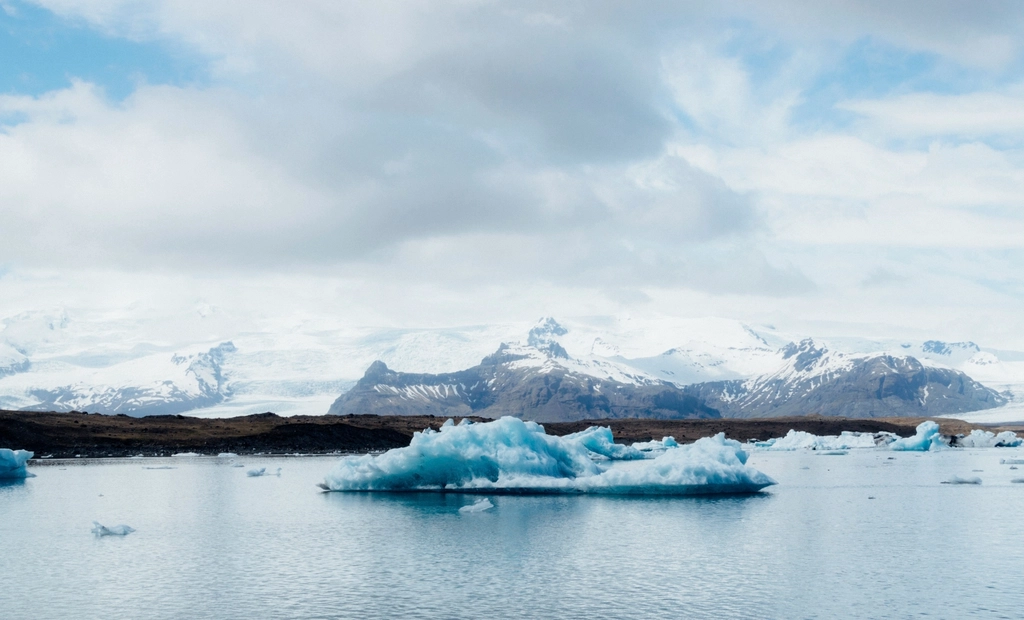
Tourists once flocked to parks like Glacier to marvel at ancient ice. As glaciers vanish, park managers are reimagining what draws visitors. Some are focusing on educational programs that highlight the impacts of climate change, turning the parks into living laboratories. Others are investing in new trails and viewpoints that showcase the evolving landscape. While some mourn the loss of glaciers, others find inspiration in the story of adaptation—proof that beauty and wonder can still be found, even as the ice retreats.
Changing Landscapes: New Ecosystems Emerge
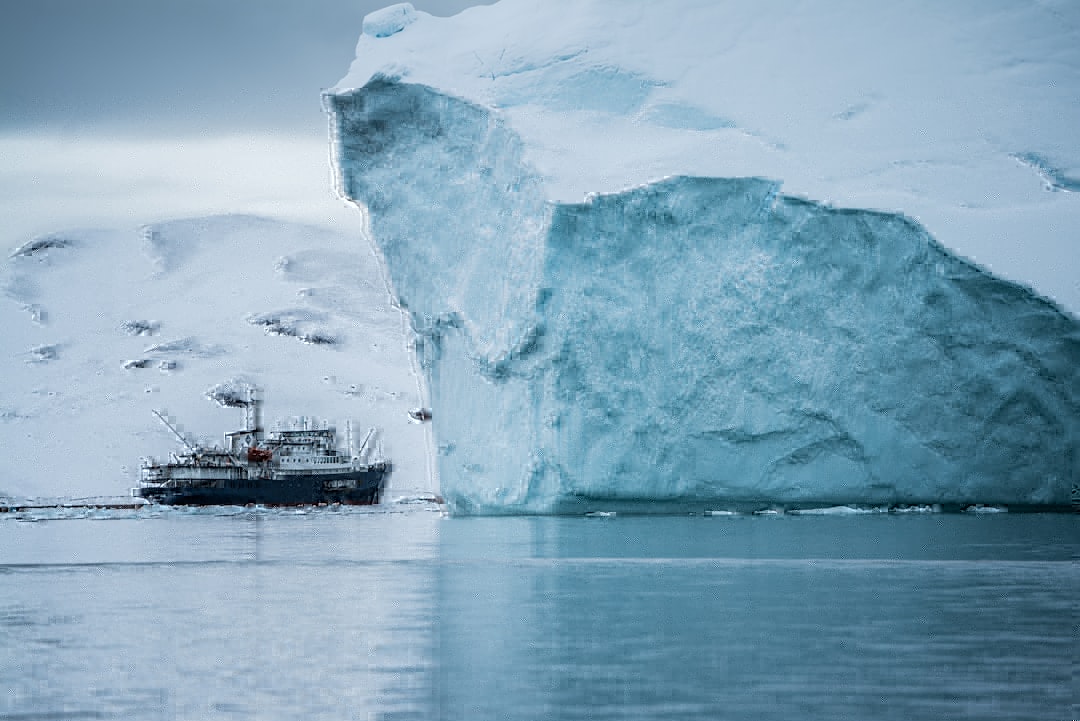
The end of glaciers doesn’t mean the end of life. As ice melts away, new habitats emerge—bare rock, fresh streams, even tiny pockets of soil where pioneering plants take root. Over time, these areas can become rich with life, offering new opportunities for research and discovery. Scientists liken this process to watching the earth start over, a living experiment in succession and resilience. The landscape becomes a patchwork quilt, stitched together from both loss and renewal.
Scientific Research: A Race Against Time
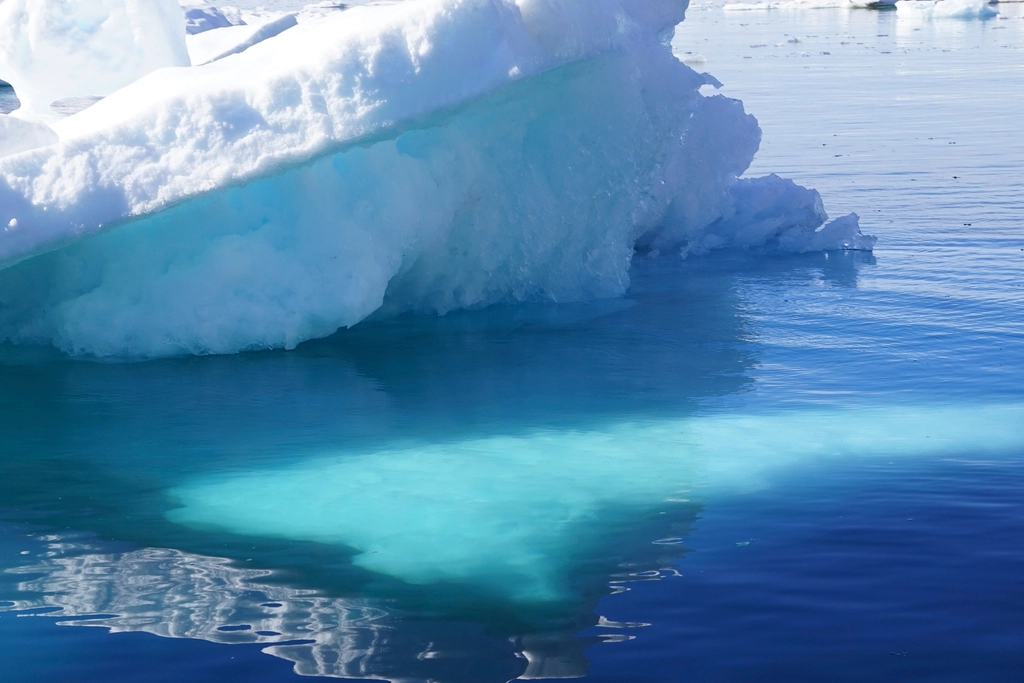
Glacier parks have long been natural laboratories for studying climate, geology, and biology. As the ice disappears, researchers scramble to record data before it’s too late. They study everything from ancient pollen trapped in ice to the creatures living in meltwater pools. The urgency is palpable—each year, another chunk of knowledge melts away with the glaciers. Yet, even as the ice fades, the questions it raises become more important than ever, guiding new research into the frontiers of change.
Downstream Effects: Communities at Risk

The fate of glaciers reaches far beyond park boundaries. Towns, farms, and entire cities depend on glacier-fed rivers for drinking water, irrigation, and hydropower. As glaciers shrink, so too does the water supply, sometimes leading to conflicts over dwindling resources. Fishermen, ranchers, and city dwellers alike feel the pinch, sparking debates about conservation, adaptation, and fairness. The melting of glaciers becomes a shared story, one that binds distant communities in a web of cause and effect.
Glacier Ghosts: The Memory of Ice in Art and Story
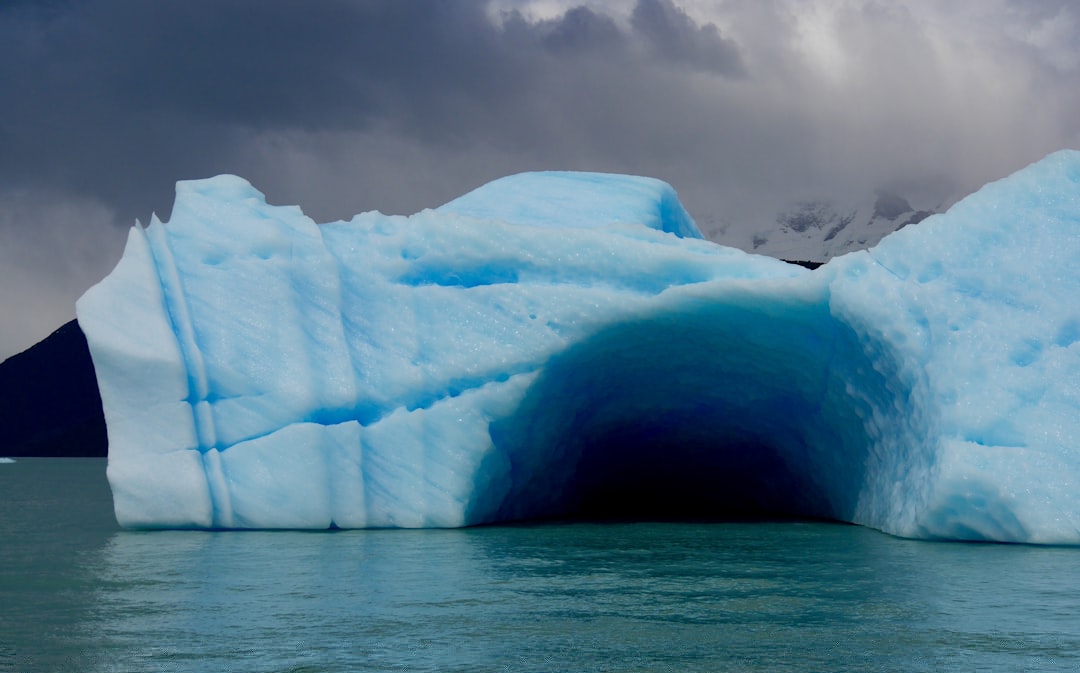
Long after glaciers are gone, their memory lingers in art, literature, and oral history. Painters capture the haunting beauty of vanished ice fields, while poets mourn their loss in verse. Children hear stories from grandparents about the time when glaciers still flowed, their imaginations fired by tales of a landscape transformed. These cultural echoes keep the spirit of the glaciers alive, even as the physical ice slips into history.
The Role of Protected Areas: More Than Just Preservation
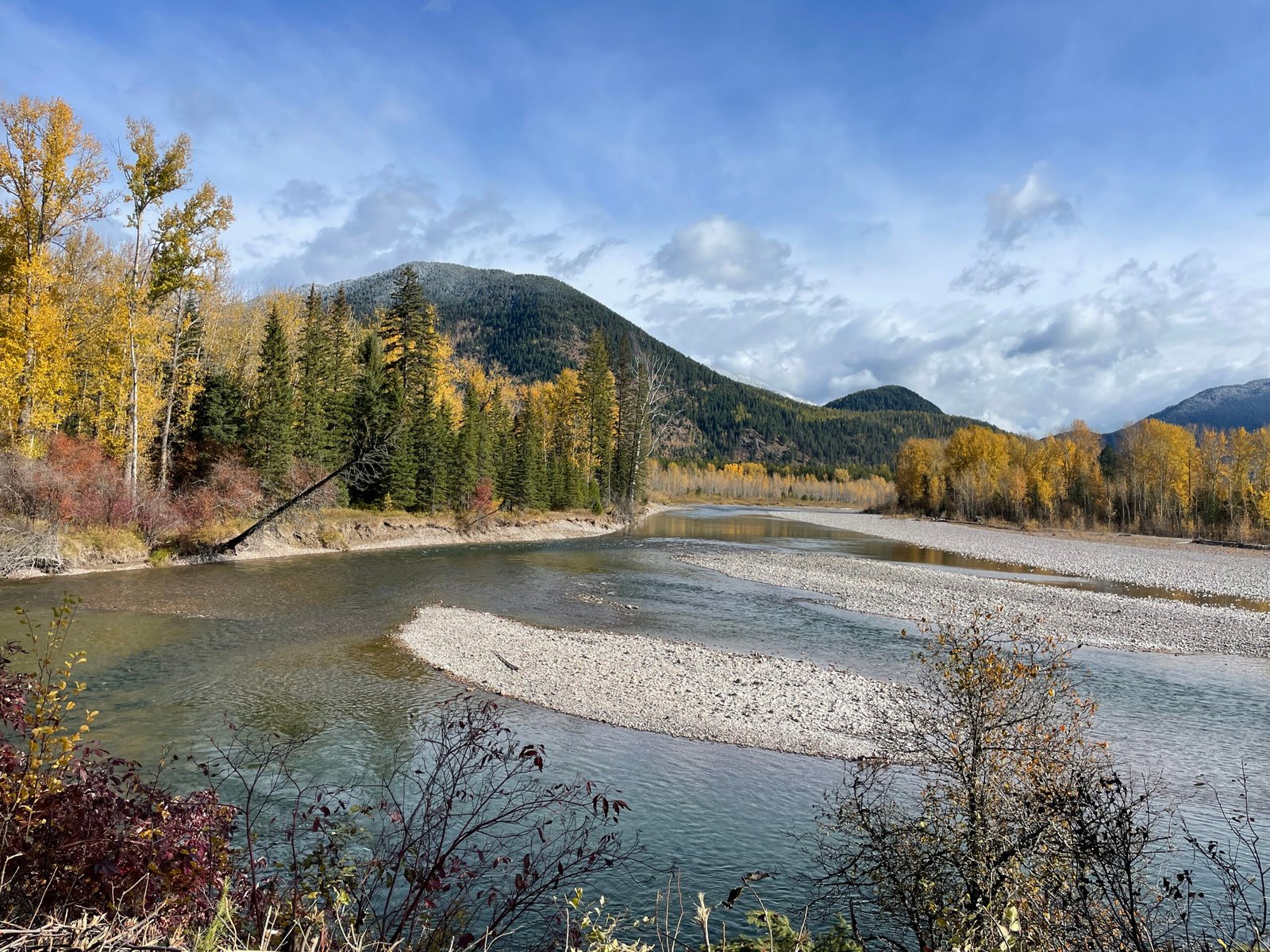
Protected areas like Glacier National Park do more than safeguard scenery—they act as refuges for species, carbon sinks, and places of learning. As the glaciers disappear, these parks become even more vital as sanctuaries for plants and animals seeking cooler refuges. They offer scientists a chance to study adaptation in real time and provide people with a place to reconnect with nature. The role of these parks shifts, but their importance only grows.
Citizen Science: Communities Taking Action
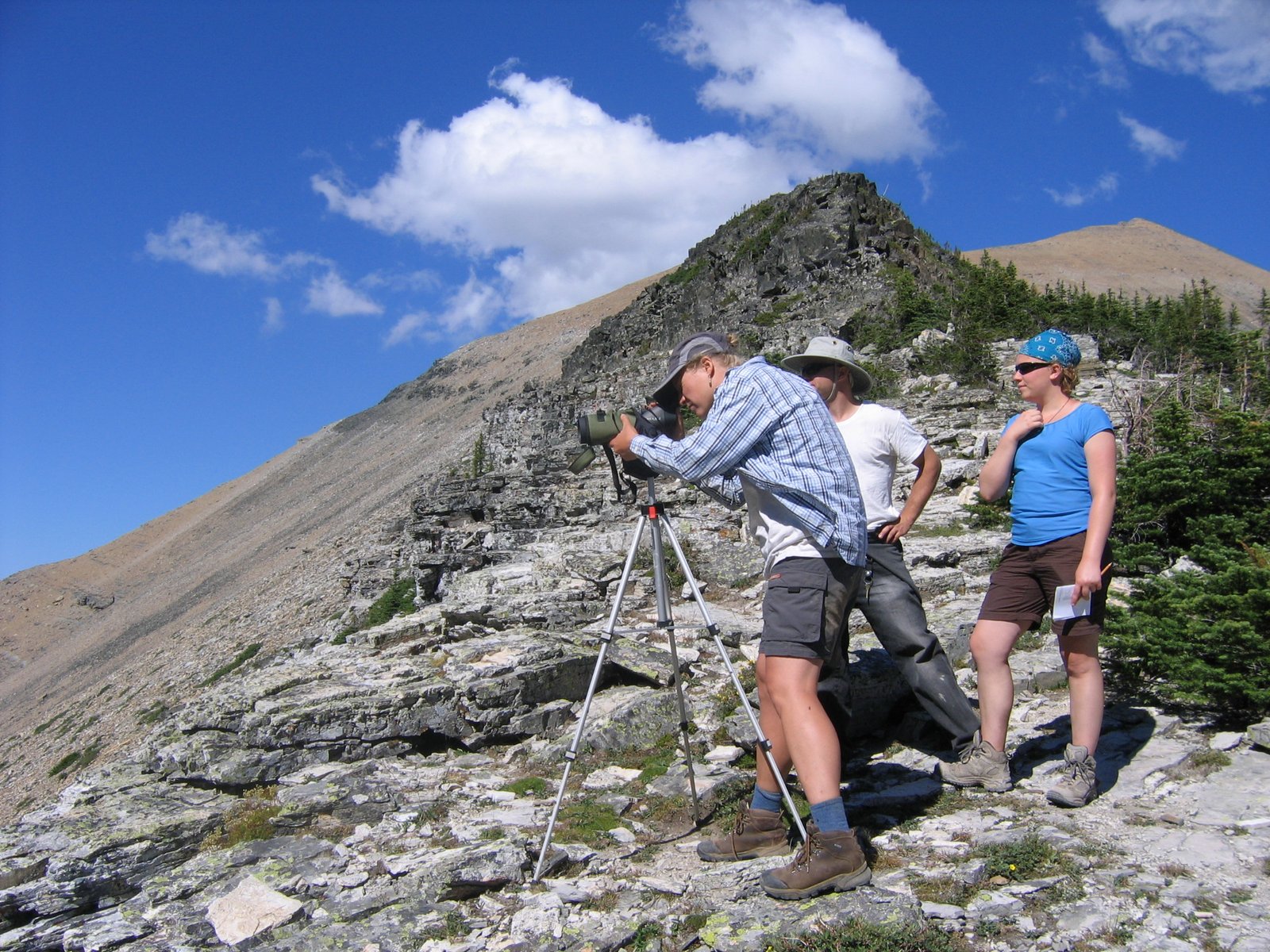
Faced with the loss of glaciers, ordinary people are stepping up to help document change. Citizen science programs invite visitors to photograph glaciers, measure water flow, and track wildlife sightings. These efforts not only provide valuable data but also foster a deep sense of connection and stewardship. It’s a reminder that everyone, not just experts, has a role to play in the story of these parks.
Education and Awareness: Teaching the Next Generation
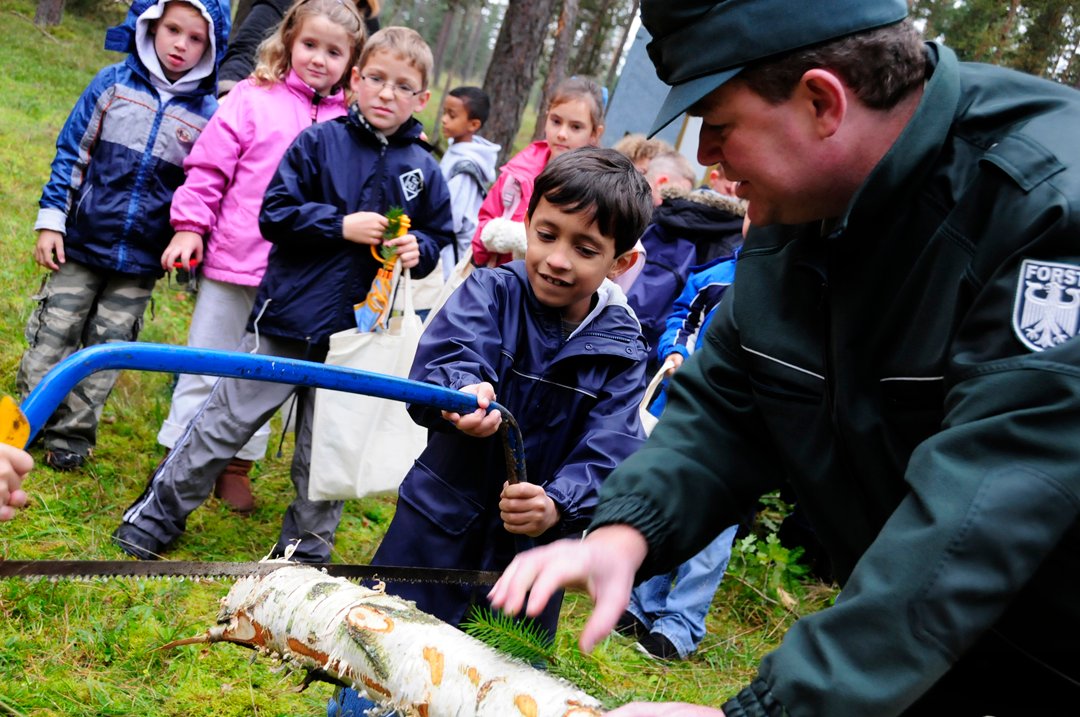
With the glaciers fading fast, educators are seizing the moment to teach young people about climate, conservation, and resilience. Schools partner with parks for field trips and projects, encouraging students to explore the changing landscape firsthand. These lessons aren’t just about loss—they’re about hope, ingenuity, and the power of collective action. The next generation learns that while glaciers may vanish, the fight for the planet’s future is far from over.
Global Connections: Glaciers Around the World
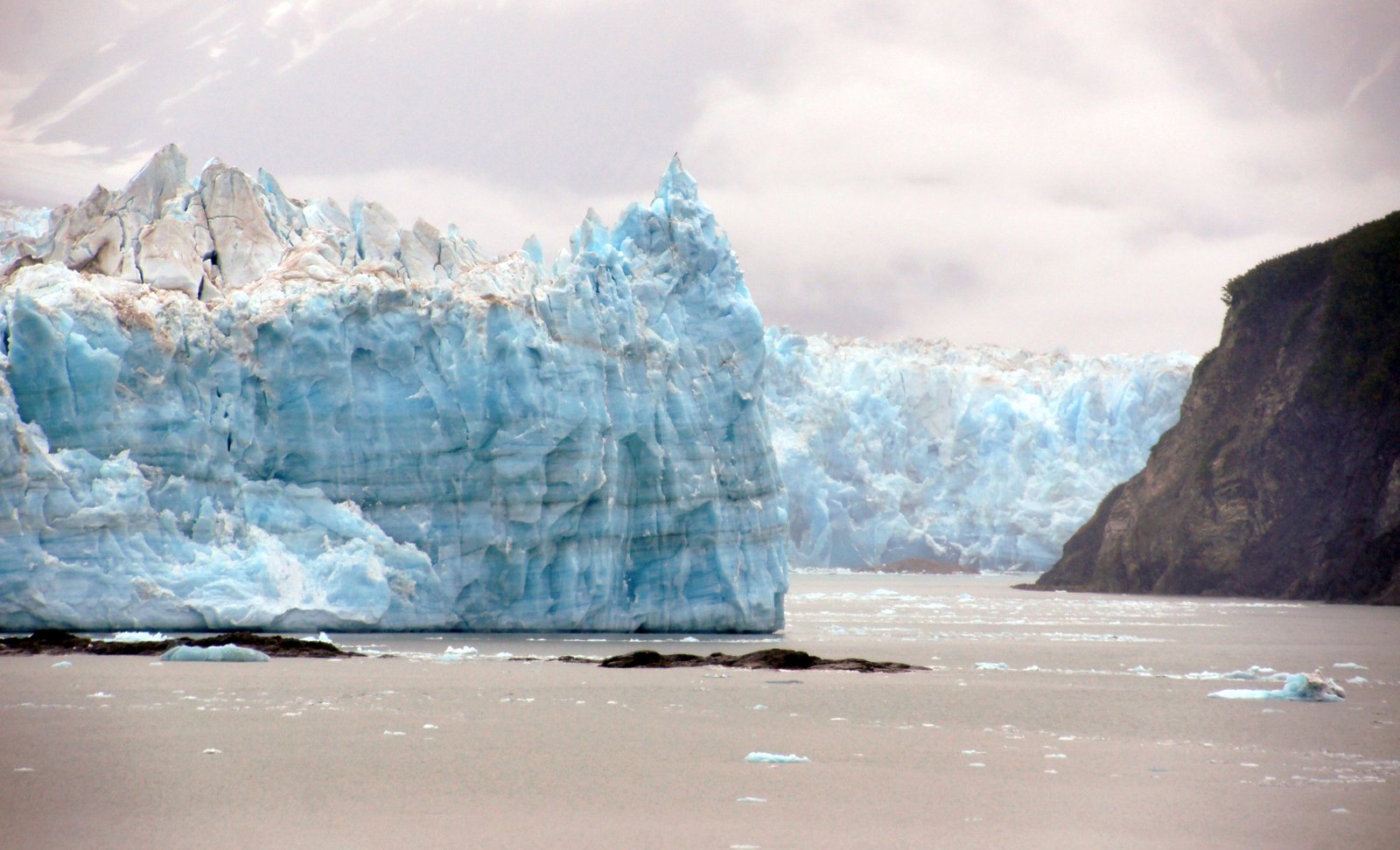
The story of Glacier National Park is echoed across the globe. From the Andes to the Himalayas, glaciers are retreating, and protected areas everywhere face similar challenges. International collaborations bring scientists and park managers together to share strategies and solutions. Whether it’s building new water infrastructure or restoring habitats, the fate of one glacier park resonates on every continent.
Policy and Protection: Rethinking Conservation Goals
The loss of glaciers is forcing a rethink in how we manage and protect natural areas. Traditional conservation focused on preserving what is; now, the focus shifts to managing change. Policymakers debate how to allocate resources, whether to intervene with artificial snow or let nature take its course. The choices made today will shape the parks of tomorrow, balancing nostalgia with the need to adapt.
Innovation and Technology: Tools for a Warming World
As the environment shifts, new tools emerge to help track and mitigate the effects of glacier loss. Satellites and drones map shrinking ice fields, while sensors monitor water flow and temperature in real time. Engineers design new ways to store and distribute water, and biologists develop strategies to help species migrate or adapt. Technology becomes both witness and ally in the race to keep pace with change.
Personal Reflections: Witnessing the End of an Era
For those who have visited Glacier National Park over the decades, the transformation is deeply personal. Hikers remember the thrill of seeing ancient ice up close, while families recall summer trips spent marveling at blue-tinted glaciers. The loss feels like saying goodbye to an old friend, a reminder of how quickly the world can change. Yet, there’s also a sense of privilege in bearing witness—to see, feel, and remember the wonders of the ice before they are gone.
Hope in Unlikely Places: Resilience and Renewal
Even as glaciers disappear, life finds a way. New species take root in freshly exposed soil, and ecosystems adapt in surprising ways. People come together to protect what remains, forging new connections with the land and each other. The story doesn’t end with loss—it bends toward resilience, creativity, and the possibility of renewal.
What Will the Future Hold for Glacier National Parks?
The disappearance of glaciers marks the close of one chapter and the uncertain beginning of another. The parks may never be the same, but their value endures—in memory, in science, and in the lessons they teach about change. As we stand at the edge of a world without glaciers, we’re left to ponder: what kind of legacy will we leave, and what stories will future generations tell?