


For the first time in recorded history, a security camera caught on tape the harrowing instant the Earth’s crust ripped apart with fury in a massive earthquake. The video, taken at a solar farm just outside of Thazi, Myanmar, during a magnitude 7.7 quake in March, captures the ground opening up in real-time, an unprecedented look at one of nature’s most powerful and destructive forces.
Seismologists believe the clip, posted by Singaporean engineer Htin Aung, is the sole existing record of a complete surface rupture in a high-magnitude earthquake. The unprecedented clip has caused shockwaves in the geological world, providing scientists with a new means to analyze the mechanics behind fatal quakes.
The Moment the Earth Split Open
The video, taken from GP Energy Myanmar’s Thapyawa solar farm, begins with an ordinary scene: a concrete-and-metal gate standing firm under the midday sun. Then, the ground begins to tremble. Within seconds, the gate lurches violently as seismic waves ripple through the earth.
At the 14-second mark, the unthinkable happens a jagged fissure bursts open across the driveway, widening rapidly as the ground pulls apart like a zipper. The rupture stretches several meters, exposing the raw power of tectonic forces.
“It’s really kind of unsettling,” said John Vidale, a seismologist at the University of Southern California. “I know of no other video that shows a rupture like this in real time.”
Why This Footage Is a Scientific Goldmine
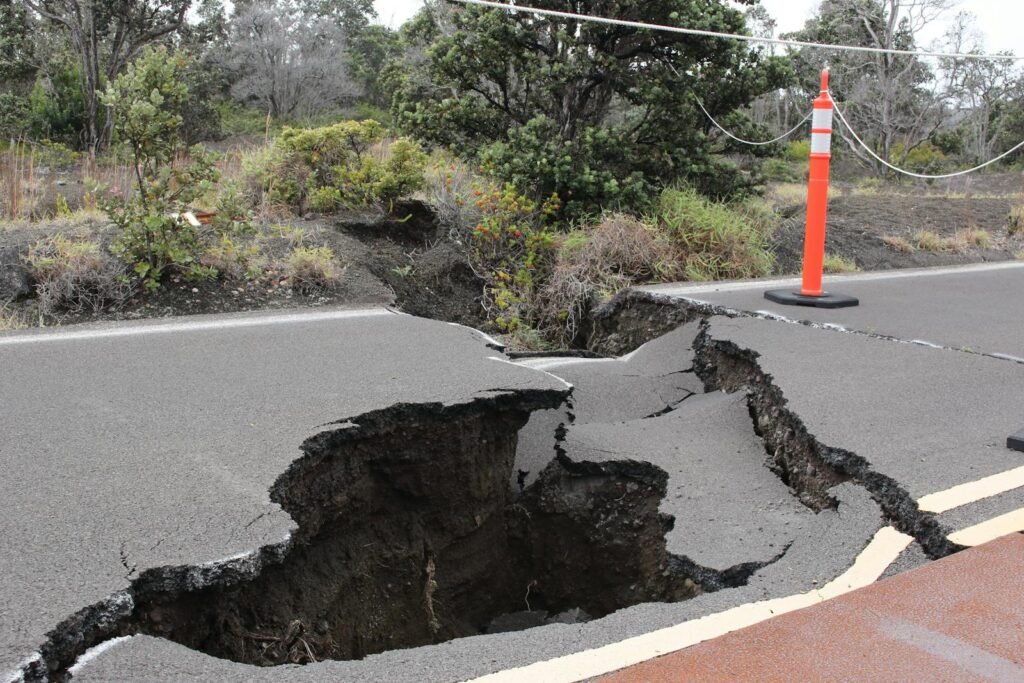
Earthquakes frequently leave behind visible scars cracked roads, collapsed buildings, and displaced terrain. But capturing the exact moment the ground fractures has been nearly impossible. Most seismic monitoring relies on indirect data from seismographs and satellite imaging.
This footage changes that. Rick Aster, a geophysicist at Colorado State University, called it “the best video we have of a throughgoing surface rupture of a very large earthquake.”
Researchers now have a rare opportunity to analyze:
- How fast the rupture propagated
- The exact direction of the crack
- The relationship between surface movement and deep crustal shifts
Such details could refine earthquake modeling and improve early warning systems.
The Deadly Sagaing Fault: Myanmar’s Hidden Threat
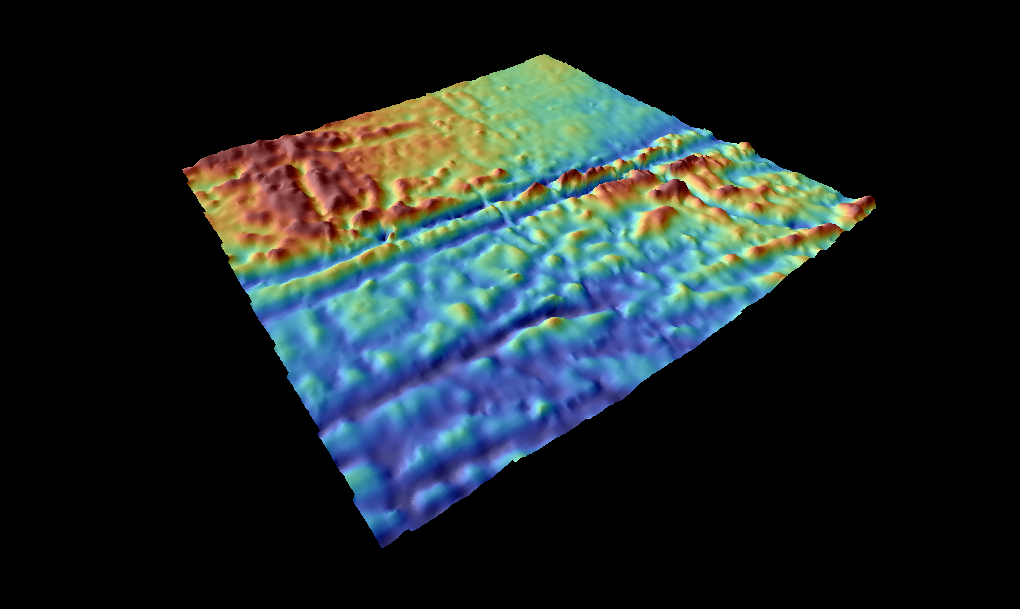
The March 28 quake struck along the Sagaing Fault, a transform boundary where the Burma and Sunda tectonic plates grind against each other similar to California’s San Andreas Fault.
Key facts about the fault:
- Runs 1,200 km (745 miles) north to south through Myanmar.
- Slips at ~18 mm (0.7 inches) per year, accumulating stress over decades.
- Last major rupture was in 2012 (magnitude 6.8), but the March quake was far more powerful.
The epicenter was near Mandalay, but the rupture spread both north and south, cracking the ground along the fault line.
What Happens Beneath the Surface?
The video shows only the surface rupture, but the real action happens deep underground.
- The fault slipped sideways (strike-slip motion), typical of transform boundaries.
- The rupture extended 20–30 km (12–19 miles) deep, where the crust is brittle enough to snap.
- Below that depth, the rock becomes ductile, bending rather than breaking.
“We don’t fully understand the dynamics of how these ruptures unfold,” said Aster. “This video could help.”
Could This Happen Elsewhere?
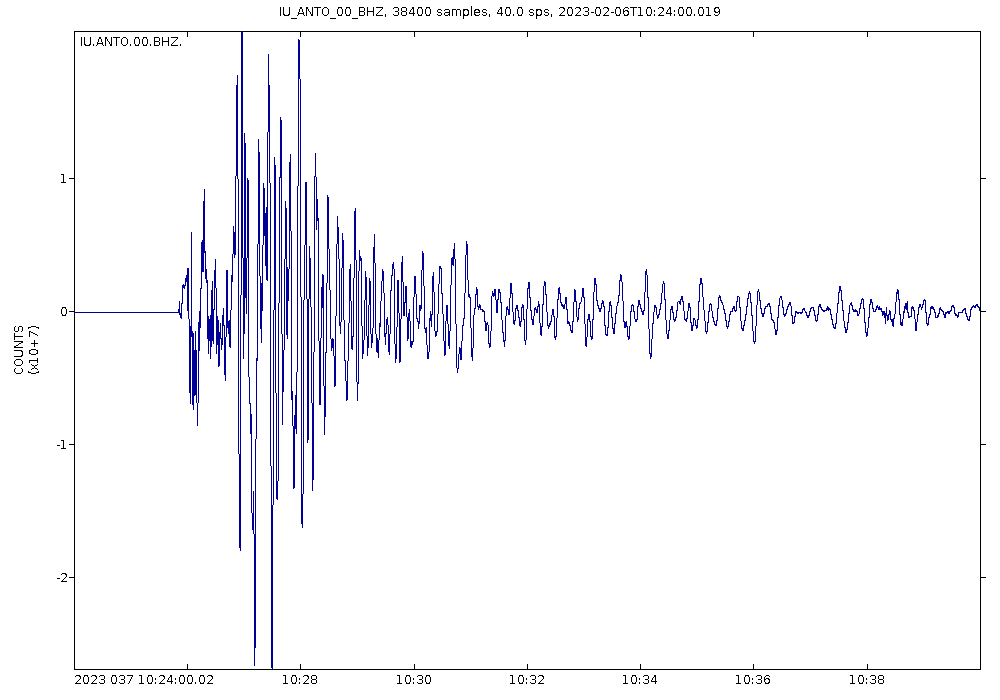
Transform faults like the Sagaing and San Andreas are notorious for sudden, catastrophic slips.
- California’s “Big One”: Experts warn a magnitude 7.8+ quake on the San Andreas could kill thousands.
- Turkey’s 2023 Disaster: A similar strike-slip fault caused the deadly magnitude 7.8 quake.
The Myanmar footage serves as a chilling reminder: When the ground decides to move, there’s no stopping it.
What’s Next for Earthquake Science?
Seismologists are scrambling to study the footage in detail. Potential impacts include:
- Better rupture simulations for disaster preparedness.
- Revised building codes for fault-line regions.
- Public awareness videos like this make the invisible threat of earthquakes starkly visible.
Live Science has reached out to Htin Aung and GP Energy Myanmar for additional details. For now, the world has a front-row seat to one of geology’s rarest—and most terrifying phenomena.
Final Thought
If this video teaches us anything, it’s that the Earth beneath our feet is anything but still. And sometimes, it tears itself apart in seconds.
Sources:
Jan loves Wildlife and Animals and is one of the founders of Animals Around The Globe. He holds an MSc in Finance & Economics and is a passionate PADI Open Water Diver. His favorite animals are Mountain Gorillas, Tigers, and Great White Sharks. He lived in South Africa, Germany, the USA, Ireland, Italy, China, and Australia. Before AATG, Jan worked for Google, Axel Springer, BMW and others.


