Fiery Reentry Was No Match for NASA’s Artemis II Heat Shield, Stunning Image Shows
When NASA’s Artemis II spacecraft plunged back to Earth after its historic lunar flyby, it endured one of the most extreme environments imaginable—temperatures hotter than molten lava and speeds faster than a bullet. Now, a haunting underwater image of its heat shield, captured moments after splashdown, is offering a rare and dramatic glimpse into that ordeal.
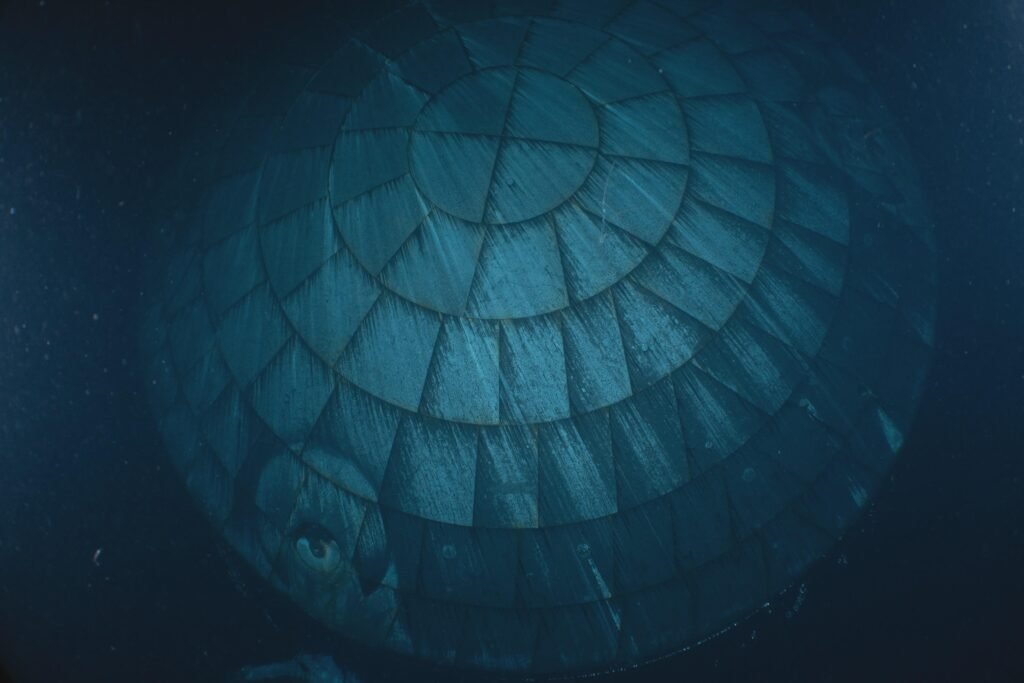
The photo, taken by U.S. Navy divers, shows the charred underside of the Orion capsule resting beneath the ocean’s surface like a ghostly relic from another world. But beyond its eerie beauty, the image carries enormous scientific significance—it confirms that one of the mission’s most critical systems performed exactly as needed.
A Fiery Trial at the Edge of Survival
Reentry is widely considered the most dangerous phase of any space mission. As the Orion capsule slammed into Earth’s atmosphere, it faced temperatures approaching 5,000 degrees Fahrenheit, generated by friction with the air at hypersonic speeds.
At these extremes, survival depends entirely on the heat shield—a protective layer designed to absorb and shed heat by gradually burning away. This process, known as ablation, prevents the spacecraft and its crew from being incinerated.
The Underwater Image That Captured Attention
Shortly after splashdown in the Pacific Ocean on April 10, 2026, Navy divers documented the capsule, capturing a striking underwater view of the heat shield.
The image reveals a darkened, textured surface—evidence of the intense thermal stress it endured. Floating silently beneath the waves, the shield appears almost otherworldly, as if it belongs to a deep-sea creature rather than a spacecraft.
A Major Test After Artemis I Concerns
The performance of the heat shield had been under intense scrutiny. During the earlier uncrewed Artemis I mission, the same design showed unexpected damage, including cracking and uneven erosion.
For Artemis II, engineers adjusted the spacecraft’s reentry trajectory to reduce thermal stress. Early inspections now suggest those changes worked, with only minor wear observed and no major structural concerns. This marks a significant milestone in proving the reliability of the Orion system for future crewed missions.
Designed to Burn So Humans Survive
Unlike most spacecraft components, the heat shield is not meant to remain intact. It is engineered to sacrifice itself—slowly eroding and carrying heat away from the capsule.
This “controlled destruction” is what keeps astronauts safe. Even visible charring or surface loss is expected and indicates the system is functioning properly. In that sense, the ghostly, scorched appearance seen in the underwater photo is not damage—it is success.
Data That Will Shape Future Moon Missions
Beyond the visual evidence, the Artemis II heat shield is now providing a wealth of data. Engineers will analyze how it performed under real conditions to refine designs for upcoming missions.
This information is critical as NASA prepares for more ambitious goals, including returning humans to the Moon and eventually sending crews deeper into space. Each burn mark and erosion pattern tells a story about how materials behave under extreme stress.
A Symbol of Risk and Resilience
The image of the Artemis II heat shield resting beneath the ocean is more than just a striking photograph—it is a symbol of what it takes to explore beyond Earth. It represents a technology that must endure destruction so that human life can continue.
In my view, this moment captures the essence of modern space exploration. We often focus on rockets launching into the sky, but the true test comes on the way back. That charred, silent shield beneath the water is proof that humanity can survive the most hostile environments imaginable—and keep pushing further into the unknown.