Not that long ago, the idea of planets orbiting other stars felt like pure science fiction. Now, astronomers have confirmed thousands of them, and they just keep finding more, each one stranger and more surprising than the last. The universe is starting to look less like a tidy solar system model from a school classroom and more like a wild cosmic laboratory full of experiments that nature never tried here.
What’s really shocking is how few of these worlds look anything like Earth. We’ve found planets that rain molten glass, gas giants hugging their stars so tightly that a year lasts only a couple of days, and rocky worlds larger than anything in our neighborhood. Every new discovery chips away at the idea that our solar system is “normal” and shows us that reality is far weirder, richer, and more creative than we once believed.
The First Discoveries That Changed Everything
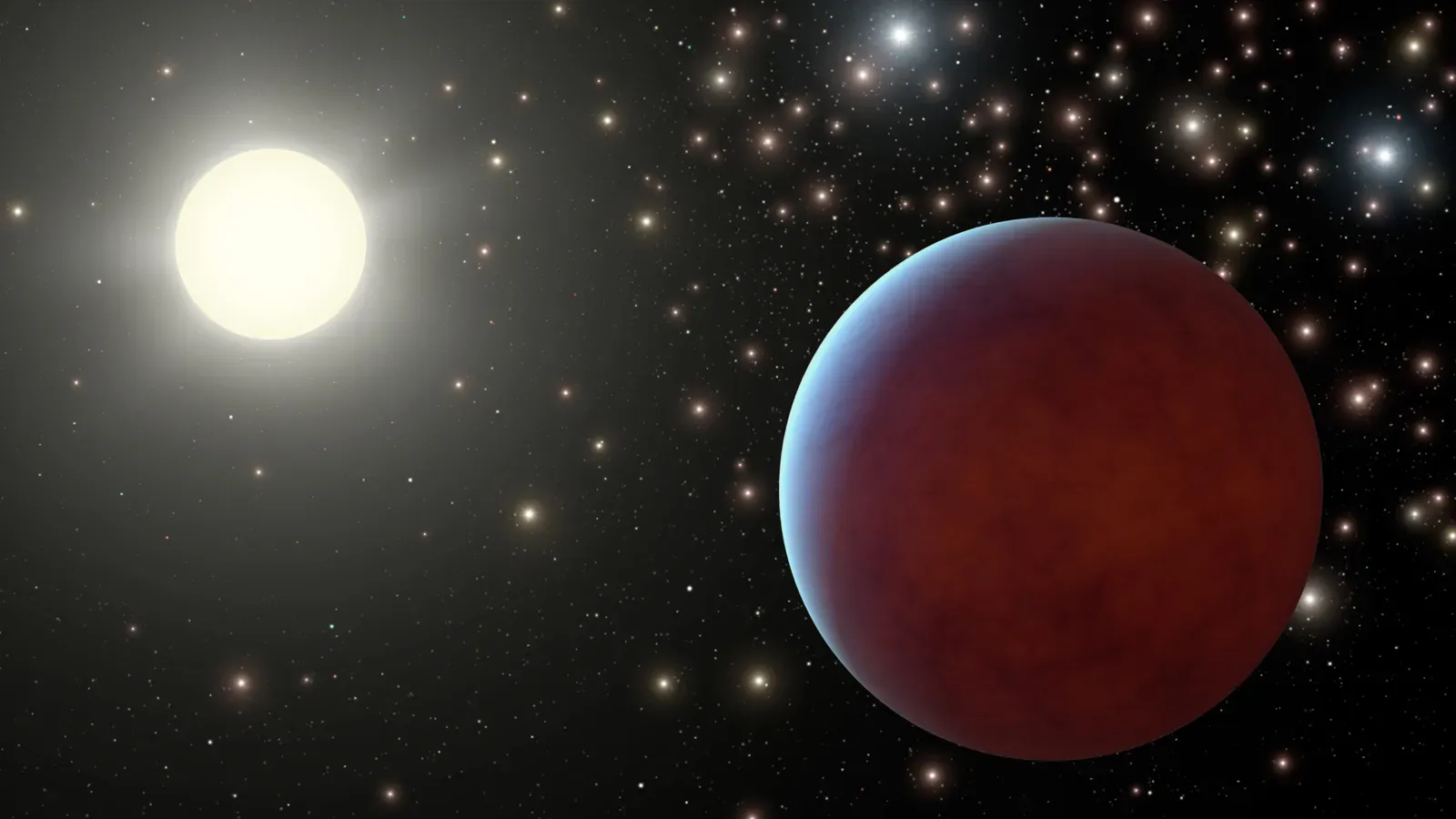
It’s hard to overstate how disruptive the first exoplanet discoveries were. When astronomers spotted planets orbiting a pulsar in the early 1990s, it felt like finding a rose bush blooming on a burnt-out car; nobody expected planets around a dead, ultra-dense stellar corpse. Not long after, the first planet around a Sun-like star, 51 Pegasi b, turned out to be a blisteringly hot gas giant skimming right next to its star, something that flat-out broke the old rulebook of planetary systems.
For decades, scientists had assumed our solar system was a decent template for how planets should be arranged: small rocky ones near the star, big gassy ones in wide, cold orbits. Those first exoplanets made it clear that nature had way more tricks up its sleeve. I still remember the first time I saw an artist’s illustration of 51 Pegasi b; the idea that a Jupiter-sized world could be closer to its star than Mercury is to the Sun felt almost rude, like the universe was deliberately messing with our expectations.
Hot Jupiters: Giant Planets in Impossible Orbits
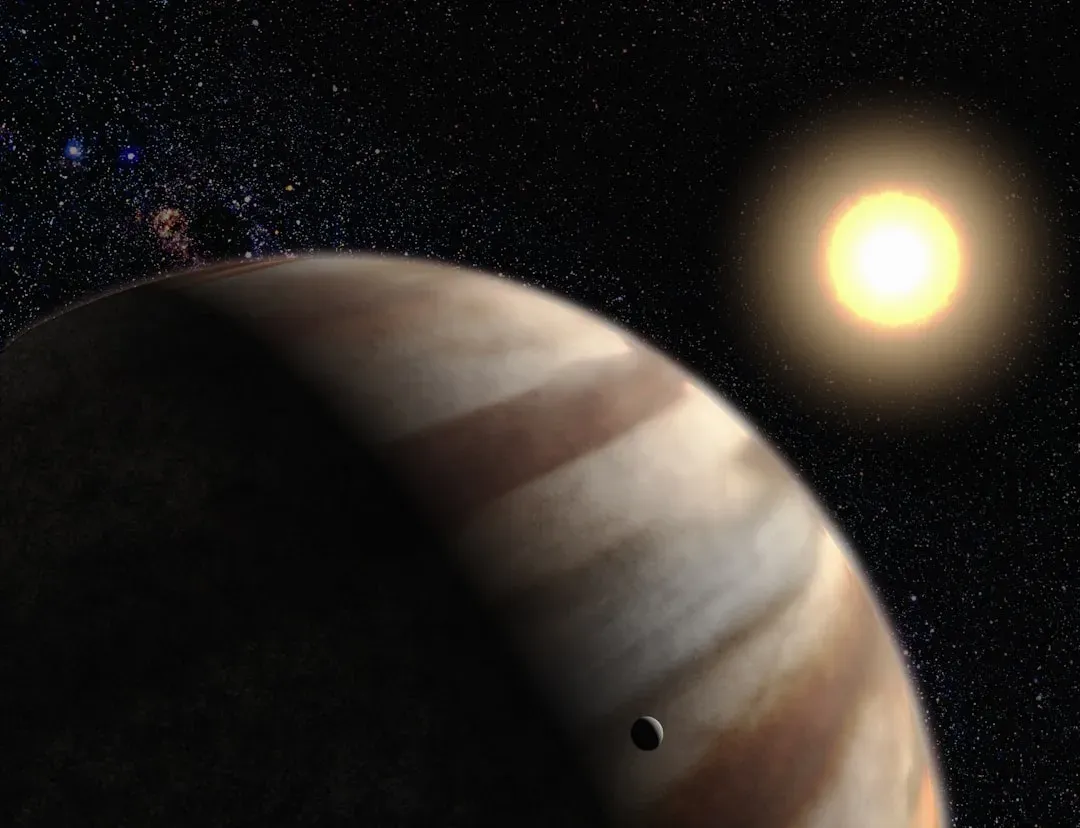
Hot Jupiters are the show-offs of the exoplanet world, massive gas giants parked so close to their stars that their atmospheres are scorched to thousands of degrees. Many of them zip around in orbits that take just a few days, with some completing a full “year” faster than it takes you to get through a busy workweek. Some are so puffy that their atmospheres balloon outward, heated and stretched by brutal starlight, slowly leaking material into space.
These monsters probably didn’t form where we see them today; they likely started farther out and then migrated inward due to gravitational interactions with the protoplanetary disk or other planets. This shatters the old, neat picture of solar systems developing in-place like clockwork mechanisms. Instead, planetary systems seem more like crowded subway platforms, with giant planets wandering inward, shaking things up, pushing smaller worlds around, and sometimes flinging them into deep space.
Super-Earths and Mini-Neptunes: The Missing Types in Our Solar System
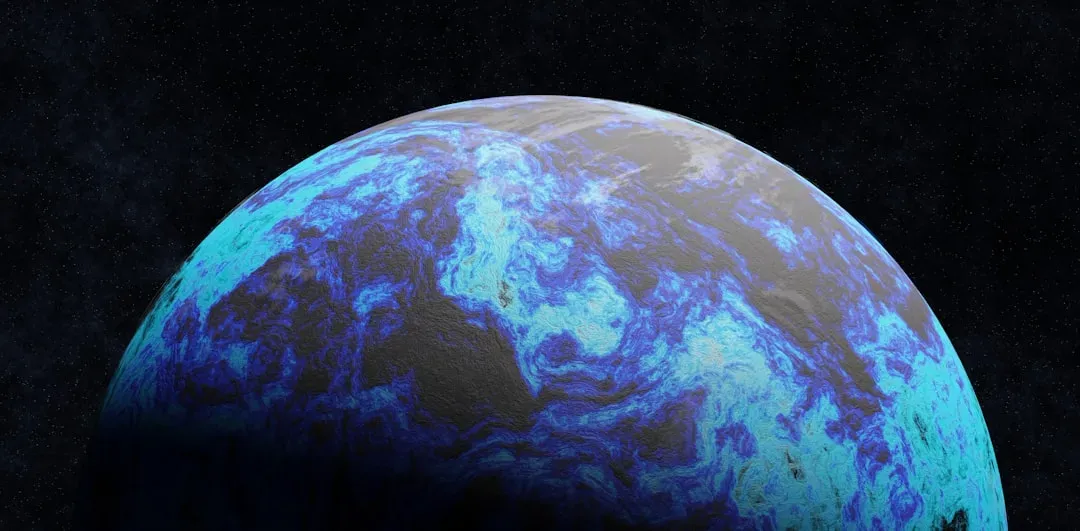
One of the strangest discoveries is that the most common types of planets out there simply don’t exist in our solar system. Telescopes keep finding so-called super-Earths, rocky or partly rocky worlds up to a few times more massive than Earth, and mini-Neptunes, planets a bit smaller than Neptune with thick gas envelopes. Together, these two categories account for a huge fraction of known exoplanets, like the universe’s favorite recipe that our own system somehow skipped.
Some super-Earths might be scaled-up rocky planets with intense gravity, crushing atmospheres, and searing volcanism, while others may be water-rich or covered in deep global oceans. Mini-Neptunes might be more like shrunken ice giants with thick, hydrogen-rich envelopes and possibly exotic layers of hot, high-pressure water. The fact that we don’t have a single example of either type circling our Sun is oddly humbling; it suggests our solar system is not the default pattern we once thought, but just one quirky variant among many.
Strange Orbits and Tilted Systems
If you look at diagrams of our solar system, the planets all glide around the Sun in a fairly flat, orderly disk, like marbles on a smooth plate. But many exoplanet systems don’t bother with that kind of neatness. Observations have revealed planets on wildly tilted orbits, some even moving in the opposite direction to their star’s rotation, as if they are defiantly swimming upstream. Others have highly elongated, comet-like paths, plunging close to their star and then swinging far out again.
These strange orbits are cosmic fingerprints of chaotic histories: close encounters between giant planets, gravitational tugs from passing stars, or the influence of unseen companions. In some systems, the planetary orbits are so misaligned with the star’s spin that it’s clear something violent happened after formation. It paints a picture of planetary systems not as serene mechanical models, but as dynamic, sometimes messy ecosystems, constantly reshaped by gravity’s brutal diplomacy.
Planets Around Red Dwarfs: Small Stars, Big Questions
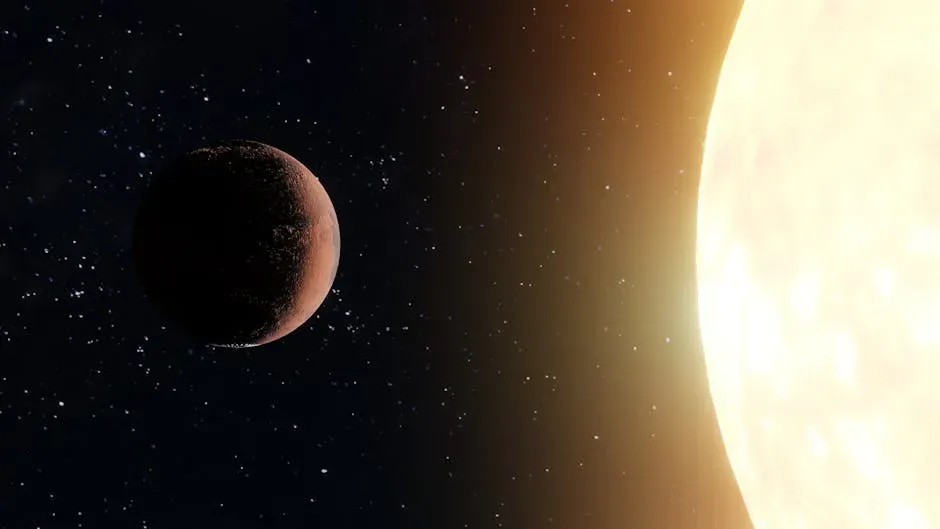
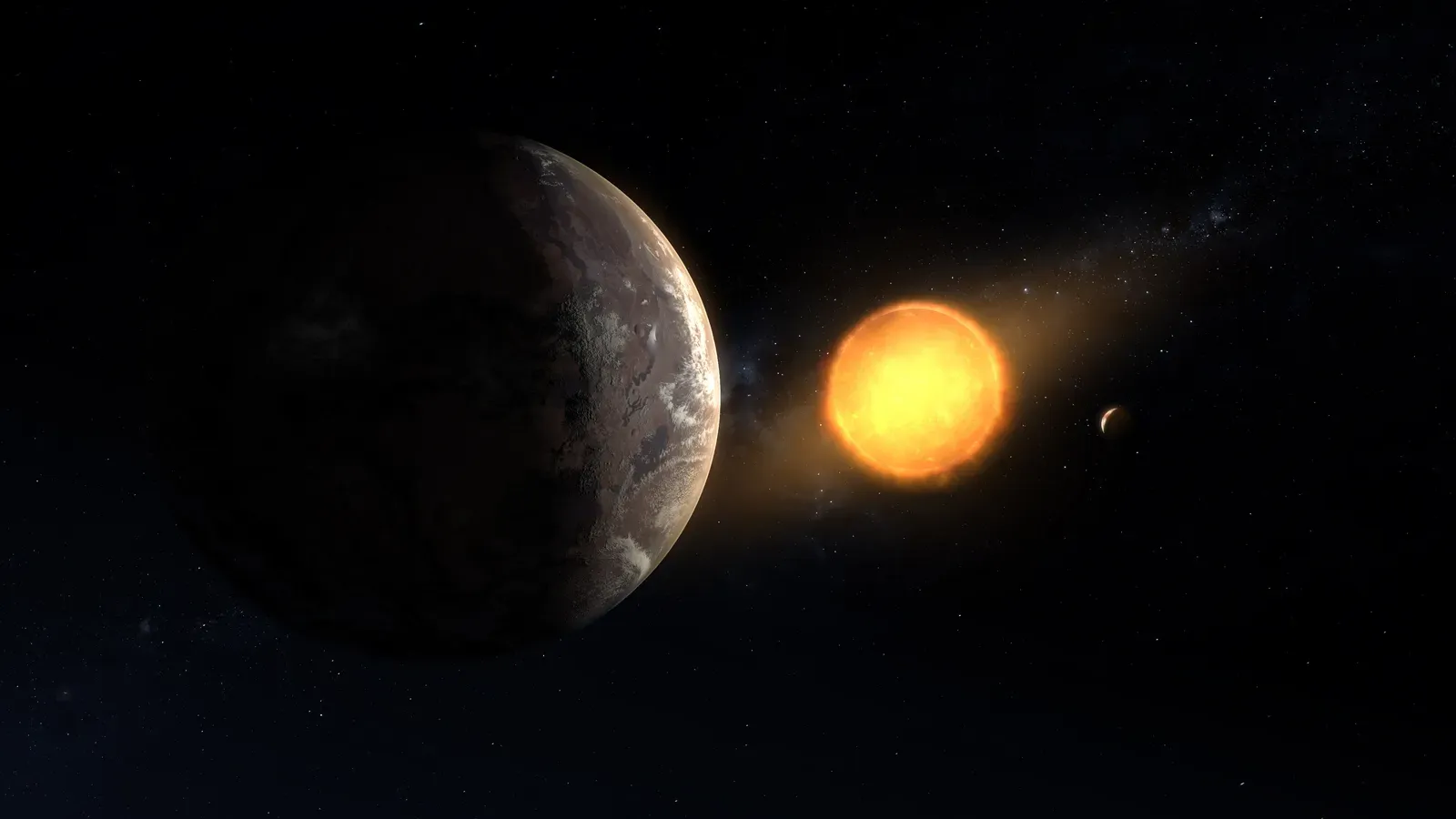
Red dwarf stars are small, dim, and incredibly long-lived, and they dominate the galaxy in sheer numbers. Many of the most talked-about exoplanet systems, like those with several Earth-sized worlds huddled close to a faint star, orbit these cool red suns. Their habitable zones – regions where liquid water might exist – are so close-in that planets there can be tidally locked, with one side always facing the star and the other frozen in eternal night.
That setup raises hard questions about habitability: can an atmosphere circulate enough heat to soften the extremes between the day and night sides, or would such worlds be split into scorched deserts and frozen wastelands? Red dwarfs are also known for fierce stellar flares, especially when young, which can blast nearby planets with radiation and potentially strip away atmospheres. On the flip side, these stars burn so slowly that potentially habitable planets could have billions upon billions of years for life to emerge and evolve, far longer than Earth has had so far.
Water Worlds and Lava Planets
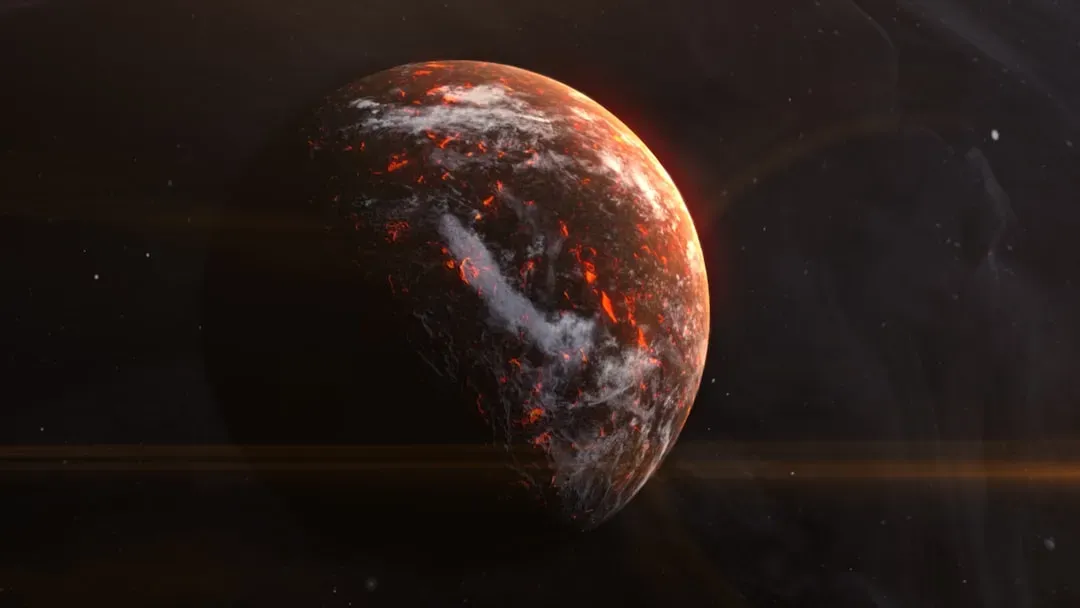
Some exoplanets appear to be extreme versions of environments we only see glimpses of in our own system. There are candidates for water worlds, planets that may be rich in volatiles and possibly covered in deep global oceans – hundreds of kilometers deep, with pressures that could crush Earth’s deepest trenches like soda cans. Under those crushing pressures and intense temperatures, water could form exotic phases such as superionic ice, a bizarre state where oxygen atoms form a lattice and hydrogen ions move through it like a fluid.
On the opposite end of the spectrum, there are lava planets: worlds so close to their stars that their surfaces may be oceans of molten rock. Some are hot enough that rock essentially vaporizes into the atmosphere, and it’s possible that these planets experience rock rain, with vaporized minerals condensing and falling back down. Imagining such a world is like standing on the shore of a lake of fire, with a sky hazy from rock vapor – a vivid reminder that “Earth-like” is just one tiny slice of what a planet can be.
Detecting Alien Atmospheres from Light Alone
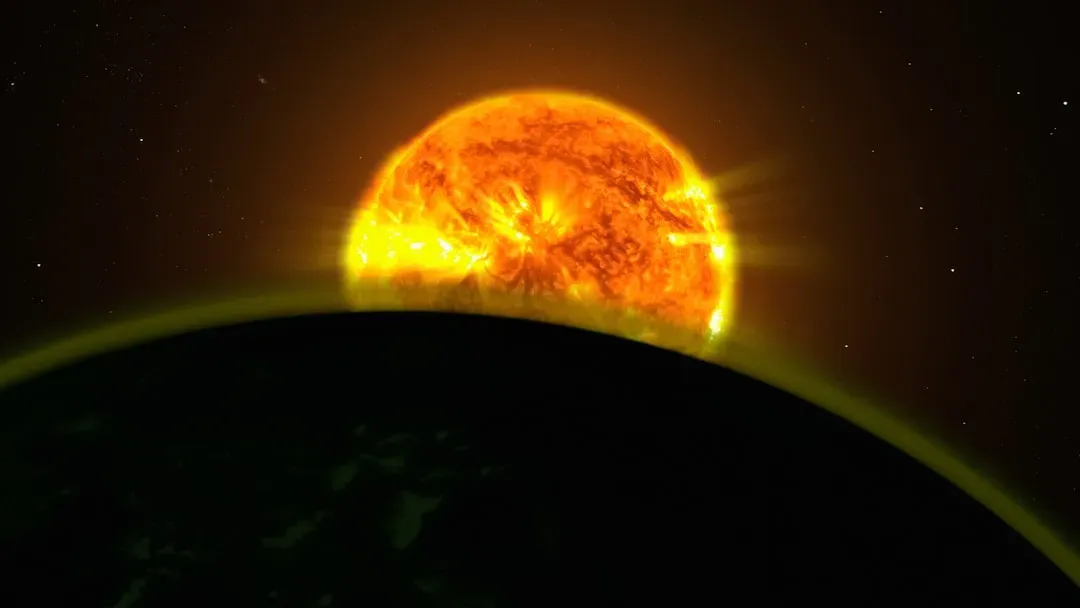
One of the most mind-bending capabilities astronomers have developed is the ability to study an exoplanet’s atmosphere from light alone. When a planet passes in front of its star, a tiny fraction of starlight filters through the planet’s atmosphere, picking up subtle spectral fingerprints from molecules like water vapor, methane, carbon dioxide, or sodium. Powerful telescopes can tease out these patterns, even though the planet itself is just a faint smudge lost in the glare of its star.
In recent years, instruments in space and on the ground have identified atmospheric components on several exoplanets, including clouds, hazes, and hints of complex chemistry. For some hot Jupiters, astronomers have even mapped crude day-night temperature differences, revealing winds and heat redistribution patterns. It feels almost intrusive, like eavesdropping on the weather of worlds we can’t even see directly, getting a tiny taste of what it would feel like to stand under an alien sky.
The Search for Habitable Zones and Earth-Like Worlds
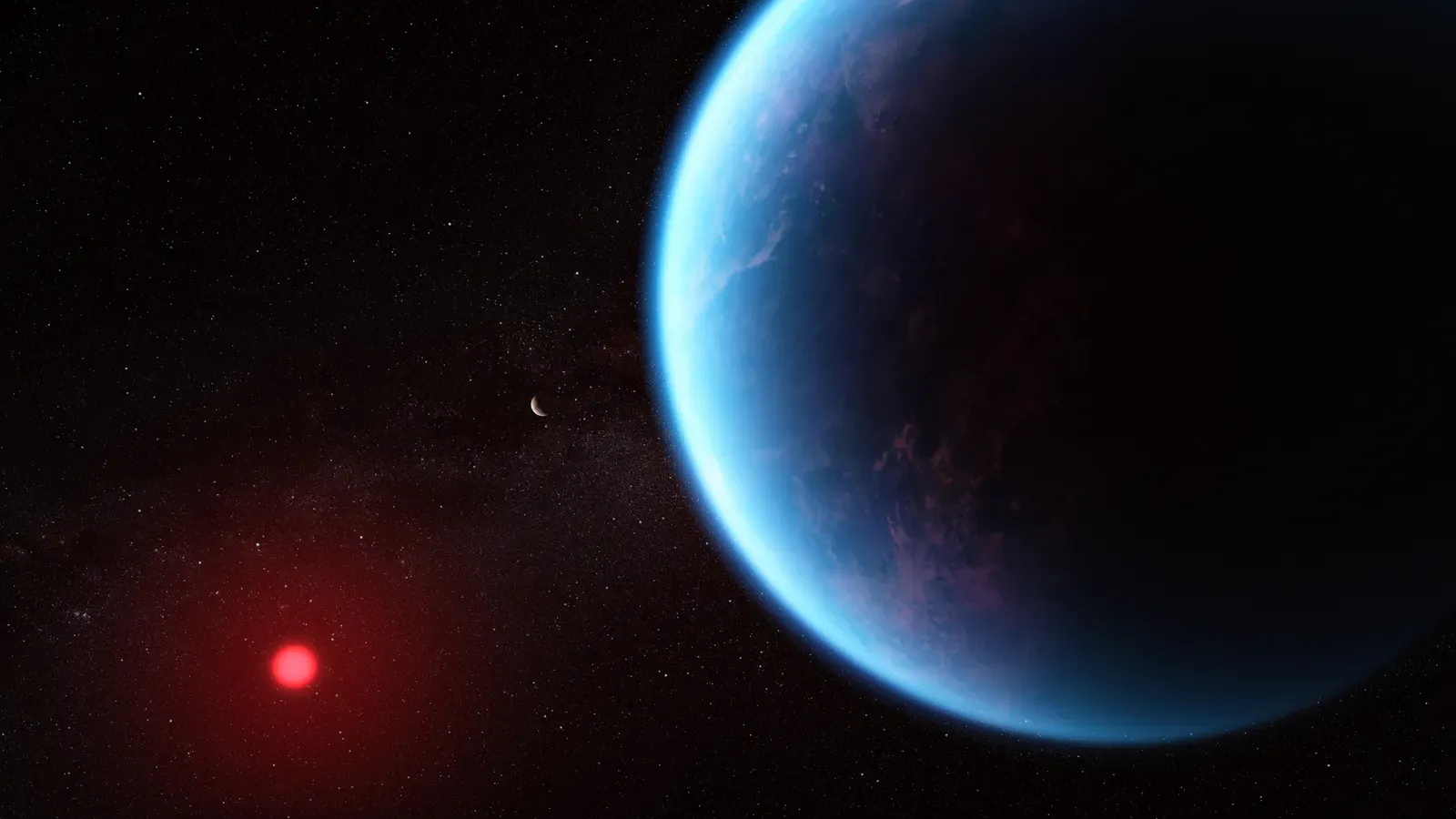
Science: Nikku Madhusudhan (IoA), Public domain)
Whenever exoplanets come up, the conversation almost inevitably shifts to one question: where could life exist? The classic idea revolves around the habitable zone, the not-too-hot, not-too-cold region around a star where liquid water could persist on a planet’s surface. Telescopes have found plenty of planets in or near these zones, ranging from roughly Earth-sized to significantly larger, around stars of many different types.
But “habitable” on paper doesn’t guarantee anything in reality. A planet might sit at the right distance but lack an atmosphere, or have a toxic one full of choking gases. It might be tidally locked, heavily irradiated, or dominated by runaway greenhouse conditions. Still, every potentially Earth-like planet discovered tightens the net and gives us specific targets for deeper atmospheric studies. The dream is to eventually catch a clear chemical hint of a living world, like seeing a mix of gases that is hard to explain with geology alone.
What Exoplanets Reveal About Our Own Solar System
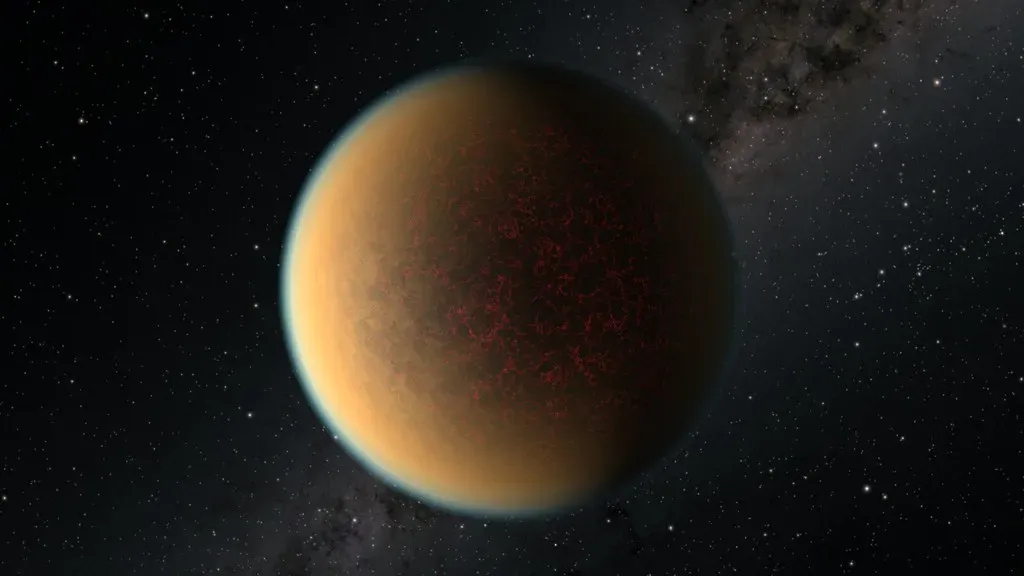
Ironically, the more alien worlds we discover, the more sharply we see our own solar system in perspective. Finding hot Jupiters, super-Earths, and wildly tilted worlds has underlined how comparatively calm and finely balanced our planetary lineup is. Giant planets like Jupiter and Saturn orbit at comfortable distances, Earth sits in a wide, stable habitable zone, and the orbits are nearly circular and aligned, conditions that may have helped life flourish here.
At the same time, exoplanet discoveries suggest that our path wasn’t the only way, or even the most likely one. If super-Earths and mini-Neptunes are the galaxy’s favorite planetary types, then our lack of them is a bit like living in a neighborhood where everyone owns a bike and a scooter except you. Understanding why our system looks the way it does – what got cleared out, what never formed – might be crucial for knowing how rare, or how common, Earth-like conditions really are.
The Future: Bigger Telescopes and Sharper Eyes
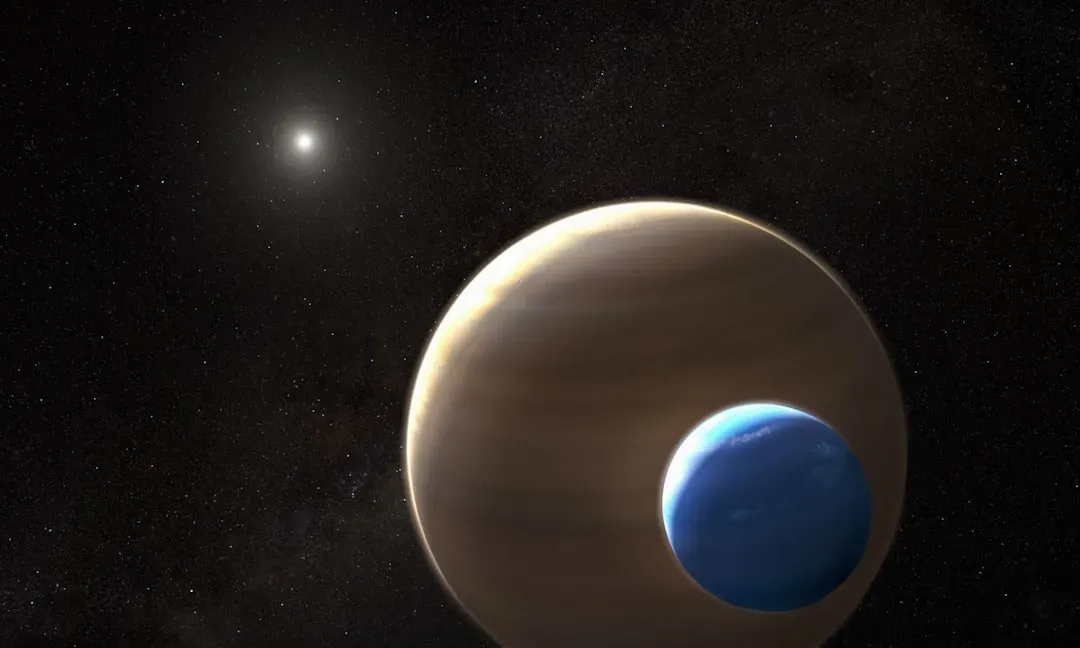
We’re still in the early chapters of exoplanet science, and the next generation of telescopes aims to turn hints into detailed portraits. Larger space observatories and massive ground-based telescopes with advanced optics are being designed to directly image some exoplanets, separating their dim glow from the star’s overwhelming light. That would let astronomers measure their colors, seasonal changes, and even search for signs of clouds, continents, or oceans in the most ambitious cases.
At the same time, new surveys will keep expanding the catalog of worlds, especially smaller, cooler ones closer in size to Earth. With each new instrument, we move a step closer to the possibility of detecting atmospheric signatures that are hard to explain without life, like certain combinations of oxygen, methane, and other gases. When that happens – whether soon or far in the future – the question of whether we’re alone in the universe will start to shift from philosophy toward data, and the diversity of exoplanets will no longer be just a curiosity, but a guide to where our cosmic neighbors might be hiding.