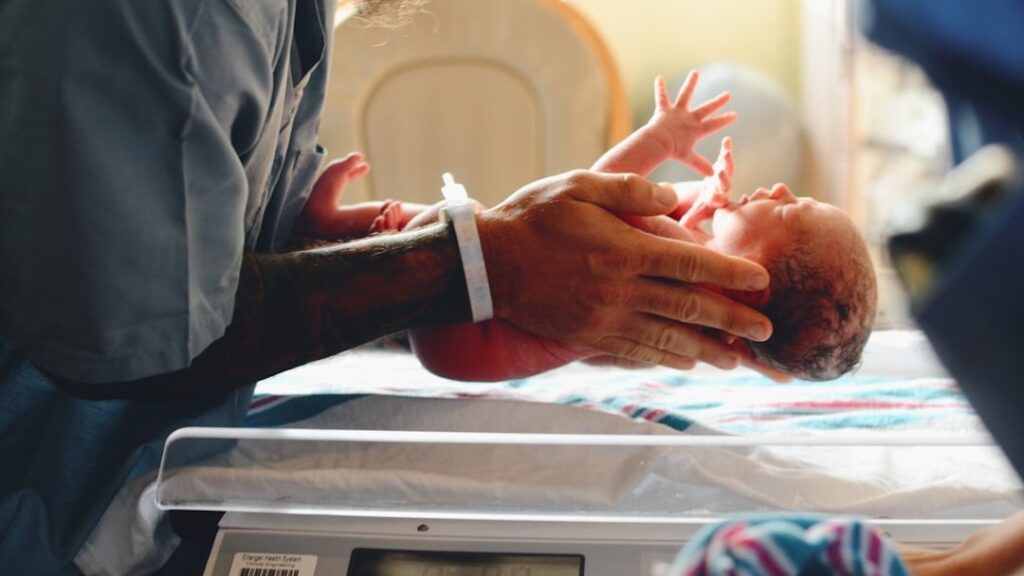

If you have ever held a newborn and thought, with a mix of awe and terror, that they seem wildly unprepared for the world, you are not alone. Human babies cannot cling to their mothers, cannot walk, cannot even reliably control their own heads for weeks. Compared to a newborn chimp or gorilla that can grasp, cling, and start moving within days, our infants look almost unfinished, like evolution hit “send” a bit too early.
Evolutionary biologists argue that this is not an accident or a design flaw, but the direct result of a brutal compromise: human brains became so large and skulls so big that if babies stayed inside any longer, they and their mothers would be far more likely to die in childbirth. So evolution pushed birth earlier, exporting brain growth and development into the outside world. The price we pay is months of helplessness, years of intensive care, and a species that must raise its young in an unusually cooperative, culture-rich way. Once you see this trade-off, it is hard to unsee it – because it touches everything from parenting norms to gender expectations to how our societies are built.
The “Obstetric Dilemma”: When Big Brains Meet Narrow Hips

One of the central ideas in this story is what many researchers call the obstetric dilemma: the evolutionary tug-of-war between walking upright and giving birth to increasingly big-brained babies. To walk efficiently on two legs, the human pelvis evolved to be relatively narrow and bowl-shaped, which helps balance the upper body over the legs. At the same time, our lineage was evolving increasingly large brains, which meant larger fetal heads and thicker skulls. Those two evolutionary directions collided in one brutal bottleneck: the birth canal.
In practical terms, this means humans give birth to babies that are neurologically and physically less mature than other primates at the same developmental stage. If gestation went on much longer, the baby’s head would be too large to safely pass through the pelvis in most births. Instead of evolving much wider hips, which would compromise upright, efficient walking and running, the human body “solved” the problem by shortening the time in the womb. It is a cold evolutionary arithmetic: better to have a fragile newborn who can grow outside than lose both mother and child inside.
Altricial vs. Precocial: Why Our Babies Seem So Shockingly Unfinished
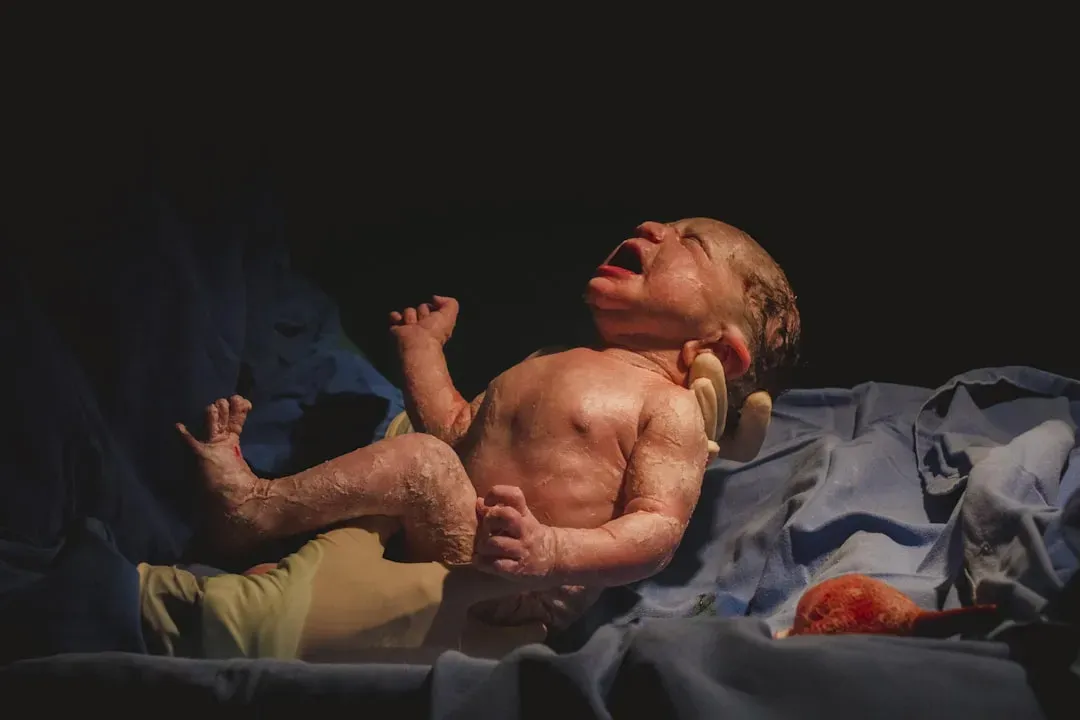
Biologists often divide newborn animals into two rough categories: precocial, born relatively mature and mobile, and altricial, born helpless and highly dependent. Human infants are textbook altricial, despite being primates that otherwise share many traits with more precocial species like chimpanzees and macaques. A newborn chimp can cling to its mother’s fur and hold on as she moves. A newborn human, by contrast, struggles to coordinate its limbs and cannot even sit up without support for several months.
The key difference is timing. Human babies are born at what is roughly equivalent to a premature stage of development in other primates. Many anthropologists have suggested that if we gestated as long, relative to brain and body size, as chimps, a typical human pregnancy would last more like a year and a half instead of around nine months. Instead, evolution cut that timeline short, ejecting babies from the womb far earlier in their brain-development trajectory. The result: infants that are biologically designed to finish wiring their brains in the messy, sensory-saturated chaos of the outside world.
Brain Growth After Birth: Building a Supercomputer in a Noisy Room
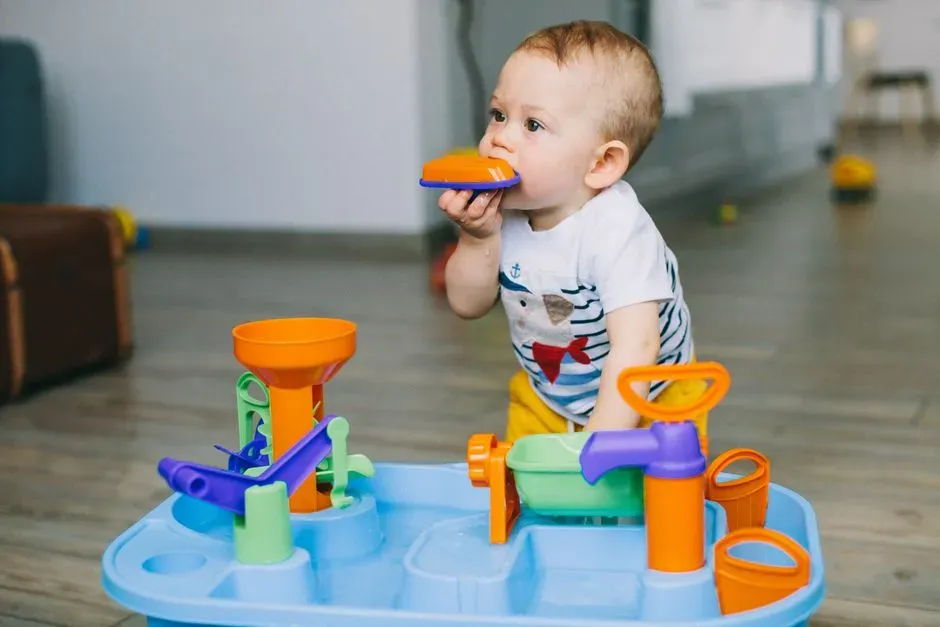
Because human babies are born earlier, a staggering amount of brain growth and fine-tuning happens after birth. A newborn’s brain is already large compared to body size, but in the first year it grows at a breathtaking pace, reaching around three quarters of its adult volume by the end of toddlerhood. Instead of building this neural supercomputer in the quiet, relatively controlled environment of the womb, evolution moved construction into a noisy open-plan office: the world itself, with its sounds, faces, languages, and constant touch.
That early “unfinished” state has a surprising upside: flexibility. Human babies are born with a brain that is highly plastic, ready to be shaped by whatever environment they land in, whether that is a high-tech city apartment or a small farming village. This plasticity underlies our species’ ability to learn complex languages, absorb cultural norms, and adapt to wildly different climates and lifestyles. The downside is obvious to anyone who has paced the floor with a crying baby at 3 a.m. – for months or years, that growing brain requires massive, unrelenting support.
The Cost to Mothers: Pregnancy, Birth, and Lifelong Risk

If there is one place where the price of big brains shows up in brutal clarity, it is in childbirth. Compared to other primates, human labor is longer, more painful, and more dangerous. The baby’s large head must navigate a twisted, narrow birth canal that bends and narrows at multiple points; in many cases, this requires the baby to rotate during birth in a way that is rare in other primates. Historically, before modern medicine, pregnancy and childbirth were a leading cause of death for women, and in some regions they still are.
The costs do not end at delivery. Human mothers endure dramatic physical changes to support fetal brain growth, from massive energy demands to shifts in posture and center of gravity. After birth, they face prolonged sleep deprivation, physical strain from carrying a rapidly growing infant, and in many societies, social and economic penalties connected to caregiving. When we say evolution found a “solution,” it is worth being blunt: it was not painless, and mothers have borne a disproportionate share of that cost for hundreds of thousands of years.
The Cost to Babies: Helplessness, Vulnerability, and Intense Dependency
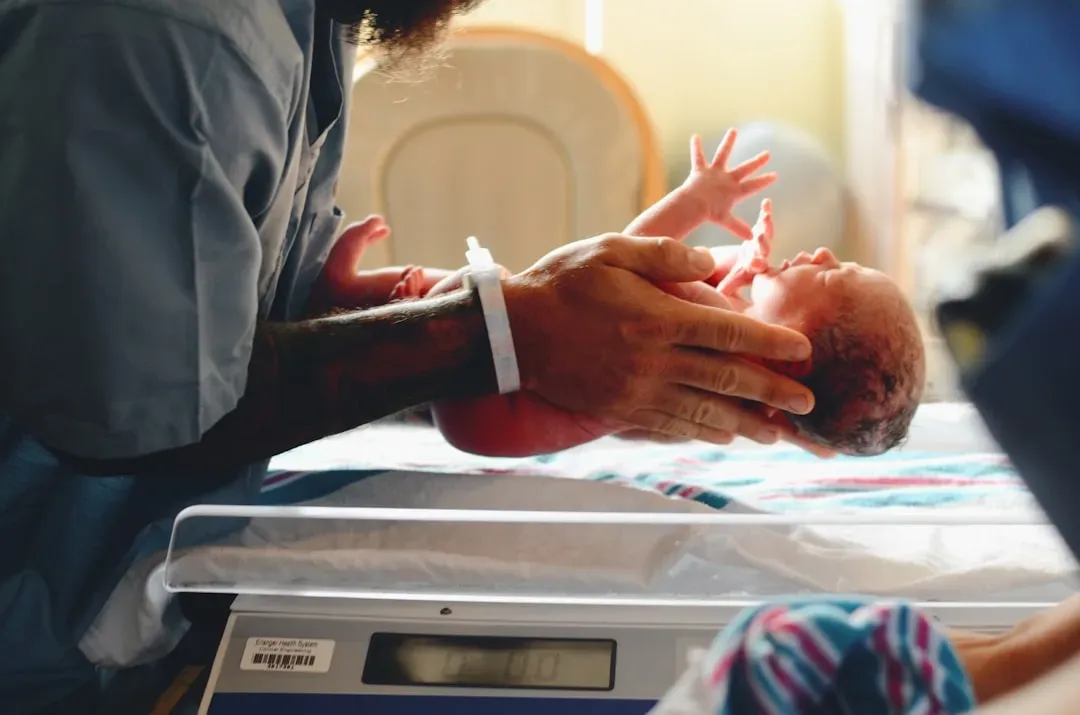
For infants, being born early in the developmental process means they enter the world fragile and intensely dependent. A human newborn cannot regulate its temperature well, cannot feed itself, and cannot escape danger without help. In evolutionary terms, that is a huge gamble. A baby that needs constant care for months and years is one illness, one accident, or one inattentive adult away from tragedy. While all mammals protect their young, humans must do so for a uniquely long time, which has shaped our psychology around attachment, caregiving, and social bonding.
At the same time, that vulnerability forces something powerful: closeness. Babies are designed to elicit care through crying, eye contact, and tiny but undeniable signs of recognition. Their survival depends on reading adults and drawing them in, a pattern that lays the foundation for later social skills. I still remember holding a friend’s baby who could not yet sit up but locked eyes with me in a way that felt almost unsettlingly intense. That mix of helplessness and startling presence is exactly what you would expect from a brain that is still wiring itself, but already tuned to the emotional weather of the people around it.
Cooperative Care: Why Helpless Babies Pushed Humans Toward Village-Style Parenting
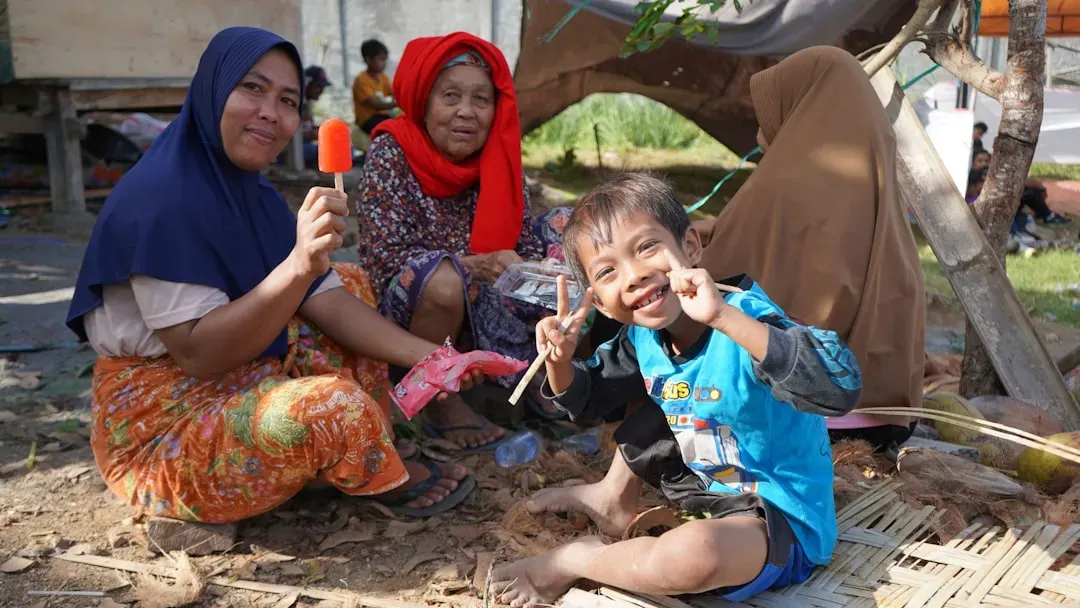
One of the most fascinating side effects of helpless babies is what they did to our social structure. Raising a human infant is such an energy-draining, time-consuming task that, in most traditional societies, the work is spread across multiple caregivers – fathers, grandparents, siblings, and even unrelated community members. Anthropologists sometimes call this cooperative breeding or alloparenting: the idea that humans evolved to rely on a broad support network, not just a single primary caregiver, to get a child safely through those perilous early years.
This pattern may actually be part of why humans became so deeply social and interdependent. A mother trying to carry the full cost of early birth and big-brained babies alone would struggle to gather food, protect herself, and rest. Shared childcare allowed mothers to survive, infants to thrive, and social bonds to deepen. The modern idea that one or two parents should do everything with minimal community help is historically unusual and arguably at odds with the conditions under which our species evolved. In a way, the helplessness of infants is a quiet, constant argument in favor of rebuilding community.
Cultural Brains: How Early Birth Supercharges Learning and Language
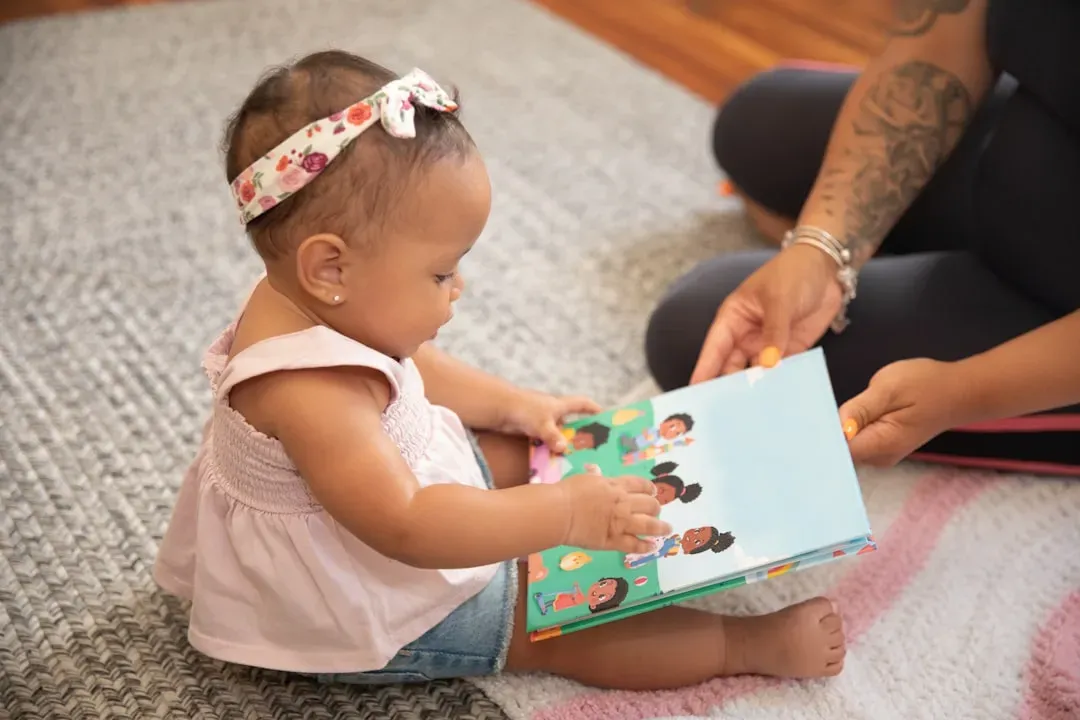
While the obstetric dilemma sounds like a grim trade, it may have opened the door to something extraordinary: deeply cultural brains. Because so much brain wiring happens after birth, babies soak up cues from their surroundings at a speed that can feel almost spooky. They tune into the rhythm and melody of the language spoken around them, distinguish familiar faces from unfamiliar ones, and learn the emotional rules of their household long before they can speak. That extended dependency period effectively gives humans an unusually long apprenticeship in being a member of their particular group.
This cultural apprenticeship helps explain why human societies can be so different from each other and yet each feels natural to the people raised inside it. The same basic brain, born early and unfinished, can become a violinist in Vienna, a cattle herder on the savanna, or a software engineer in a crowded city, depending on which patterns it is immersed in. The cost is that our young are incredibly moldable, for better and for worse. The benefit is that our species has become uniquely capable of building complex traditions, technologies, and moral systems that no single brain could ever invent on its own.
Rethinking “Normal”: What This Evolutionary Trade-Off Means for Parenting and Society
Once you understand that human babies are born early because of big brains and narrow hips, a lot of everyday struggles look less like personal failures and more like predictable outcomes of our biology. The exhausted parent who feels overwhelmed by a baby that cannot sleep alone, cannot be put down for long, and seems permanently attached to their body is not doing anything wrong. They are living through a design that assumes multiple caregivers, around-the-clock contact, and embedded community support that modern life often strips away.
This perspective should make us question cultural myths that glorify independence too early or shame parents for needing help. If our species evolved on the assumption that raising a child takes a village, then policies like paid parental leave, affordable childcare, and family-friendly work structures are not luxuries – they are attempts to line our social systems up with our evolutionary reality. The burden that big-brained, early-born babies place on mothers and families is real, and pretending it can be “fixed” through individual willpower alone is not just naive; it is cruel.
Conclusion: The Price We Pay – and Why It Might Still Be Worth It
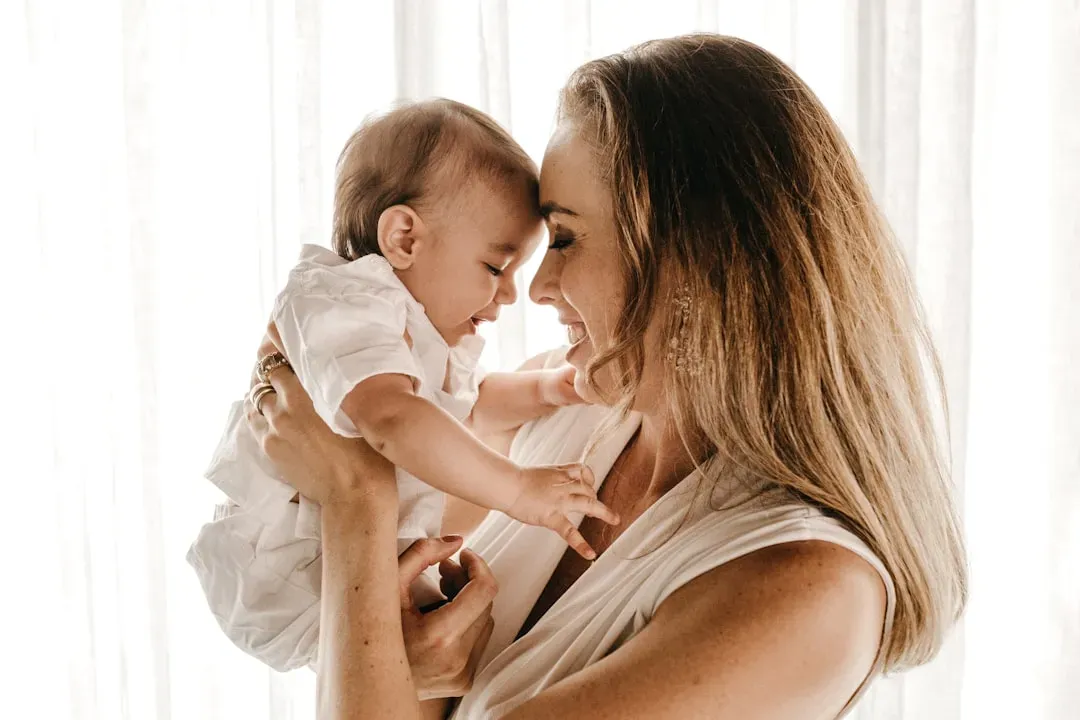
There is something both brutal and awe-inspiring about the deal our species has made. Humans carry the scars of the obstetric dilemma in our painful labors, our fragile newborns, and our long, exhausting years of caregiving. Mothers, especially, have paid and continue to pay a steep price in their bodies, their time, and all too often their opportunities. From a moral standpoint, it is tempting to wish evolution had found a kinder workaround. But evolution is not kind or cruel; it is indifferent. It shaped us in a way that kept enough of us alive to have children of our own, no matter how high the cost felt from the inside.
At the same time, that costly pathway gave us something rare: big, flexible brains that can imagine futures, build art and science, and question the very forces that shaped us. Our helpless babies grow into adults who can redesign cities, rewrite laws, and choose to soften the harsh edges of the evolutionary bargain with medicine, technology, and social support. If we are going to keep paying the price of our huge brains and early births, we might as well insist on getting the full return on that investment – not just in survival, but in kindness, justice, and care. Knowing what you know now, would you say the trade was worth it?