
You know that weird urge you get to stock up on groceries when a storm is coming, or to cling to your savings when the news sounds scary, or even to keep stuff you never use “just in case”? It can feel irrational, almost embarrassing, like you are overreacting to something that might not even happen. But when you look at it through the lens of evolutionary biology, that hoarding instinct starts to look a lot less like a personal flaw and a lot more like a very old survival program that your body still runs in the background.
In times of stress, your cortisol levels rise, your brain shifts into threat mode, and suddenly scarcity feels dangerously real, even if your pantry and bank account say otherwise. Researchers have linked these reactions to adaptations that likely helped your Ice Age ancestors survive long, brutal famines when failing to store enough calories could mean death. You are living in a world of supermarkets and banking apps – but your nervous system is still calibrated for blizzards, empty landscapes, and unpredictable food supplies. Once you understand that, your urge to hoard starts to make a lot more sense – and becomes something you can work with, not just fight against.
The Ancient Logic Behind Your Modern Hoarding Urge

When you feel stressed and suddenly want to stockpile food, money, or random supplies, you are replaying a strategy that would have been incredibly useful thousands of years ago. During Ice Age winters and periodic famines, those who instinctively stored extra food, tools, and resources would have had a much better chance of getting through lean months. You descended from people who survived, and survival usually meant anticipating scarcity long before it hit in full force.
Your brain is still working from that template, even though your environment has changed drastically. Instead of woolly mammoths disappearing from the landscape, today you might react to news of layoffs, inflation, political instability, or natural disasters. The context is new, but the deeper logic is the same: when the world feels unpredictable, your nervous system pushes you to accumulate whatever might keep you safe – calories, cash, or even items that feel like they might be useful one day.
How Cortisol Turns Stress Into an Urge to Stockpile

When your body senses a threat – whether it is an approaching storm, a crisis headline, or a fight with someone you care about – it releases stress hormones like cortisol. Cortisol is not just about making you feel wound up; it changes how your brain weighs risk and reward. Under its influence, you become more focused on short-term safety and less interested in long-term exploration, novelty, or generosity. You tilt toward protection and preservation.
In that state, your brain starts scanning for ways to reduce uncertainty, and one obvious way is to build a buffer. That is when you feel drawn to fill the freezer, buy in bulk, check your bank account repeatedly, or save every spare object that might serve a purpose later. Cortisol makes potential future scarcity feel immediate and emotionally real, even when logically you know you are not in imminent danger. It is not that you are being dramatic; it is that your biology is turning up the volume on your inner alarm system.
Why Your Brain Overreacts to Modern Threats Like Ancient Famines

Your stress system evolved in an environment where threats were physical, immediate, and often life-or-death. Long, cold periods could wipe out access to plants and animals, and if you did not have enough stored food or tools, you were in real trouble. Today, your threats are more abstract: market crashes, rent increases, healthcare costs, supply chain disruptions, or even social pressure. The trouble is, your brain does not neatly distinguish between “saber-toothed tiger” and “scary email from your boss.”
That mismatch leads to what feels like an overreaction. You might hoard canned goods because you watched a crisis on the news, or cling to money and refuse to spend on small joys because you are afraid of “what might happen.” In evolutionary terms, erring on the side of caution and storing too much was often safer than taking risks and ending up empty-handed. Your nervous system still runs this cost-benefit calculation, even though your world has backup systems, social safety nets, and delivery services your ancestors could never have imagined.
Food, Money, and Objects: Different Forms of the Same Survival Strategy
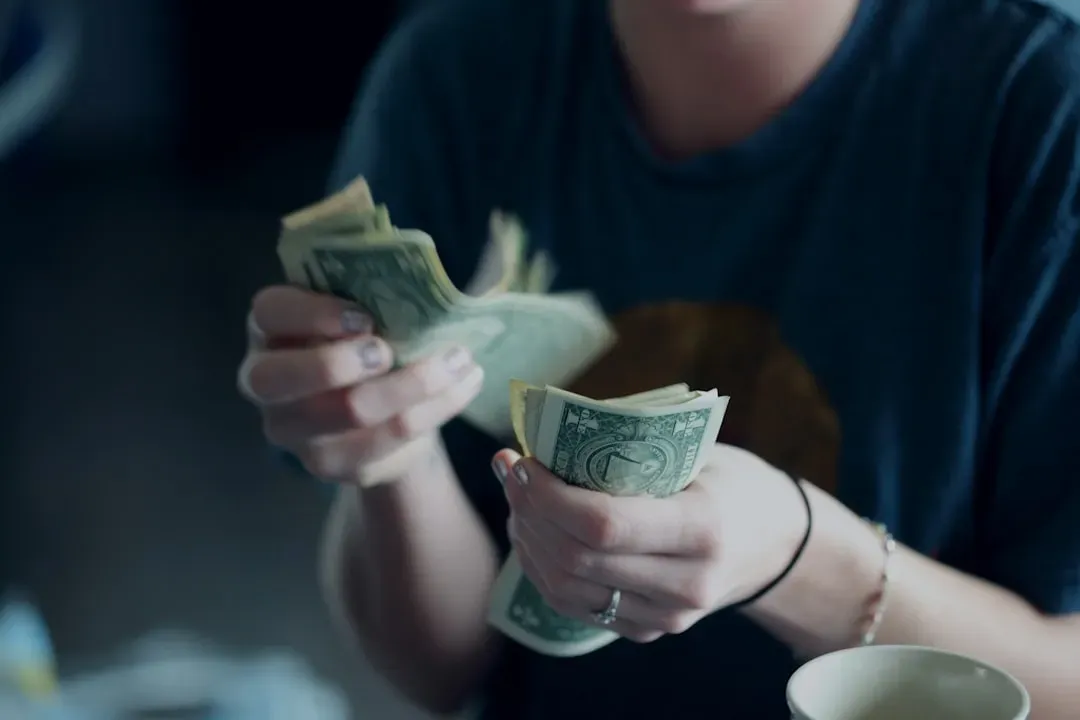
When you stash food, you are doing something your ancestors did very directly: banking calories against an uncertain future. When you accumulate money, you are doing a modern version of the same thing – converting your efforts into a flexible resource that can be traded for food, shelter, and security later. When you hang on to objects, you are acting on the impulse to hold tools, materials, or potential solutions you might need if things go wrong and access to new items is cut off.
You might notice that your stress-driven hoarding has a theme: “I do not want to be caught unprepared.” That feeling is the emotional echo of times when being unprepared could literally mean starvation or freezing. In a world where you can usually buy what you need quickly, the instinct can become excessive or unhelpful – like keeping boxes of things you never touch or refusing to spend money even when you can afford a necessary repair. But if you look at it through an evolutionary lens, it is all the same program, just translated into different currencies of security.
When a Helpful Instinct Becomes a Problem in Everyday Life

There is a point where your ancient survival instinct starts to clash with your modern reality. You might find closets stuffed with “just-in-case” items that cause clutter, stress, and guilt instead of comfort. You might feel intense anxiety at the thought of throwing anything away, even if you have not used it in years. Or you might hoard money in such a rigid way that you deny yourself experiences, relationships, or health care that would genuinely improve your life.
This is where an adaptive behavior can slide into something more harmful. Your nervous system is trying to keep you safe, but it may be using outdated rules. In a hunter-gatherer context, having extra food, hides, or tools stored up was nearly always a win. In your current environment, overflowing storage units or chronic financial fear can leave you feeling trapped, weighed down, and isolated. The instinct is not “bad,” but without conscious awareness, it can run your life in ways that no longer make sense.
Recognizing Your Ice Age Brain in Real Time
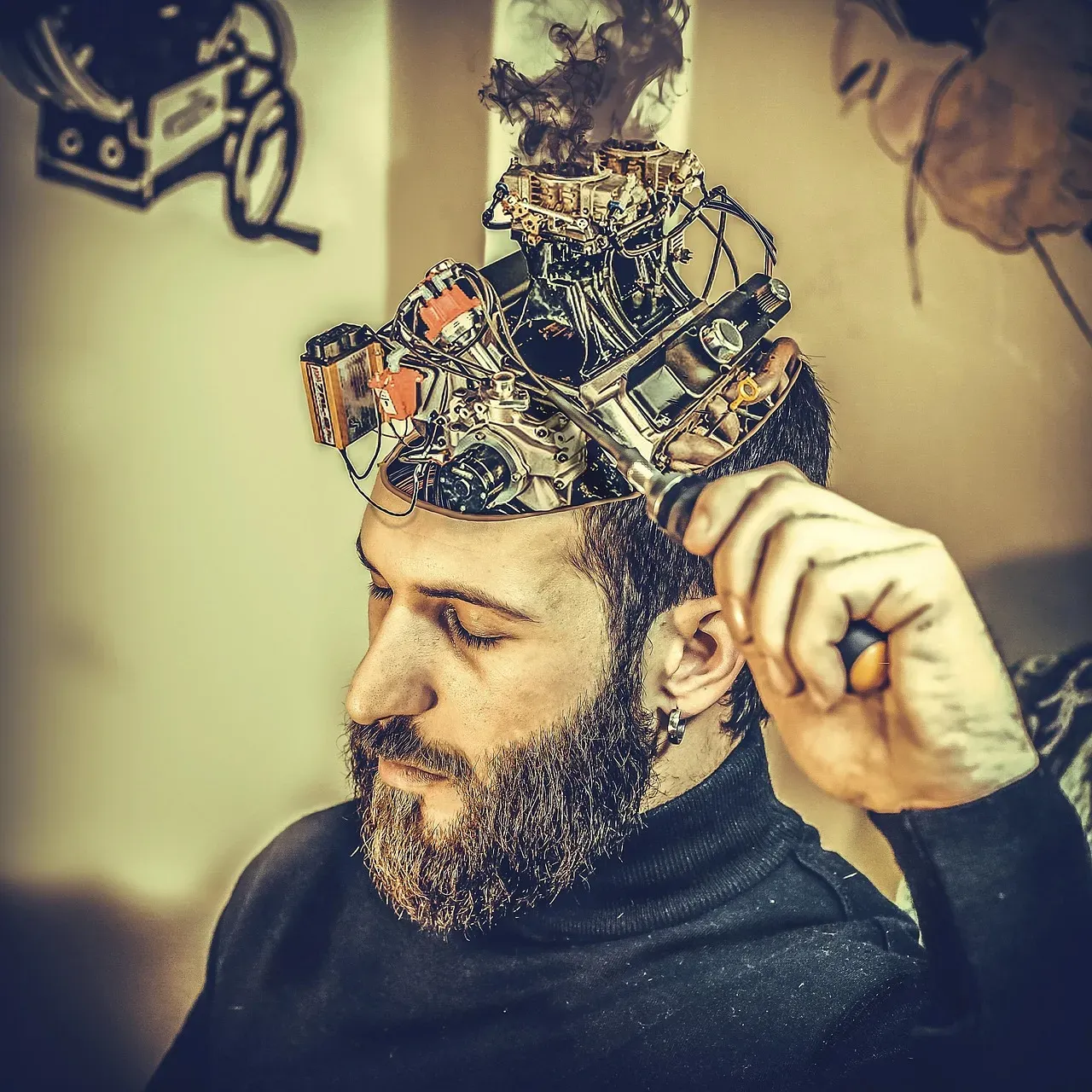
One of the most powerful things you can do is learn to notice when your inner Ice Age brain is taking over. You might catch yourself doom-scrolling, then suddenly adding too many items to an online cart. You might feel a jolt of panic at the thought of dipping into your savings, even for a serious, necessary expense. Or you might feel a strange comfort only when your shelves, fridge, or digital accounts look full and overflowing.
When you notice those patterns, you can pause and ask yourself a simple question: “Is this a real famine, or is my brain just acting like it is?” That does not mean shaming yourself for wanting security; it means adding a layer of reflection on top of the raw instinct. You can start to see the difference between preparing wisely and reacting automatically. Over time, that awareness helps you respond instead of just being pulled along by your cortisol-fueled urges.
How to Calm the Cortisol Cycle and Still Feel Secure

If your hoarding impulses spike in times of stress, your first move is not to force yourself to throw everything out or spend freely; it is to help your nervous system feel safer. Practices like regular movement, good sleep, calming breathing, and even simple routines like eating on a schedule can bring cortisol levels back toward baseline. When your body is less on edge, you feel less desperate to accumulate and more able to make clear, balanced choices.
You can also create thoughtful structures that honor your need for security without letting it control you. For example, you might set a realistic emergency fund target and, once you hit it, intentionally allow yourself to spend on things that bring real value. You might keep a modest pantry of backup items while committing to regular decluttering so that “just in case” does not become “never used, always in the way.” In doing this, you are not fighting your survival wiring; you are updating it, teaching your brain that safety today looks different than it did in the Ice Age.
Rewriting Your Relationship with Scarcity and Enough

At the heart of hoarding is a story about scarcity – about the fear that there will not be enough and that you will be left helpless. You can start to rewrite that story by defining what “enough” actually means for you now, in concrete terms instead of vague anxieties. Maybe it is a specific number in your savings, a certain amount of food at home, or a clear plan for what you would do in an emergency. When you name “enough,” your brain has a target, not an endless hole it keeps trying to fill.
You can also practice small experiments in letting go and seeing that you are still safe. Donate a few items you have not used in years and notice that nothing terrible happens. Spend a little on something that truly matters to you and observe that your world does not collapse. Bit by bit, you teach your body that you are not living on a frozen tundra with no help on the horizon. You have resources, options, and support systems your ancestors never did – and your biology can learn to trust that, even if it takes time.
In the end, your instinct to hoard in times of stress is not some random quirk or personal failure; it is a deeply wired response shaped by countless generations who faced real, brutal scarcity. You carry their survival strategies in your hormones, your habits, and your gut feelings. When you understand that, you can meet your own reactions with more compassion and a lot more clarity.
The real opportunity is not to erase that ancient wiring but to become the one in charge of it – to let your modern awareness sit in the driver’s seat while your Ice Age brain rides along as a cautious, sometimes overly dramatic passenger. Once you see it that way, you can ask yourself a simple, powerful question whenever the urge to hoard rises up: given the world you actually live in today, what does genuine safety look like for you now?