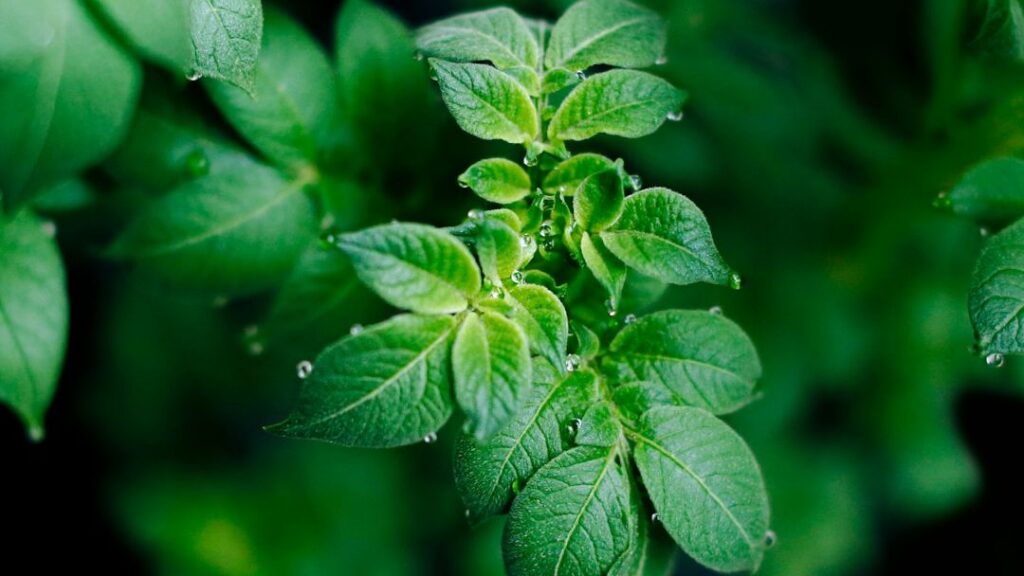

Imagine walking through a quiet forest that is, in reality, buzzing with silent alarms, warnings, and whispered updates that you can’t hear. Leaves flutter, sap flows, and invisible chemical messages drift through the air like tiny text notifications in a network you were never invited to join. Now imagine that the peace lily by your window or the pothos trailing off your bookshelf is picking up some of those messages and quietly adjusting its own behavior in response.
That sounds like science fiction, but it sits on the edge of what plant scientists are seriously investigating right now. Trees and other plants really do release airborne chemicals when they are attacked or stressed, and nearby plants can change their own defenses after “smelling” those cues. The exciting, and slightly eerie, twist is that this chemical chatter is not neatly contained within a forest; it can spill into the air we live and breathe in cities and homes. The idea that your houseplants might be eavesdropping on a much larger ecological conversation is not fully proven yet, but the science around plant distress signals is compelling enough to make you look at that ficus in the corner a little differently.
The Hidden Language of Plants: What on Earth Is a Volatile Signal?

Plants obviously can’t shout, run, or text, so they rely on chemistry as their main language, especially through small, easily evaporated molecules called volatile organic compounds. These compounds drift through the air, sometimes over surprisingly long distances, and they can carry very specific information about what kind of stress the sending plant is facing. A tree under attack from leaf-eating insects will often release a different bouquet of chemicals than a plant suffering drought, heat, or fungal infection, almost like different ringtones announcing different types of problems.
What makes this really fascinating is that these scents are not just passive smells, the way a flower simply smells nice to us. They are more like coded signals designed to be picked up by others, including neighboring plants, microbes, and even insects. When scientists analyze the air around stressed plants, they do not see a random cloud of molecules; they see patterns, fingerprints, and chemical phrases that repeat under similar conditions. It is not poetry in the human sense, but it is certainly a structured language of survival.
Trees in Trouble: How Forests Broadcast Distress
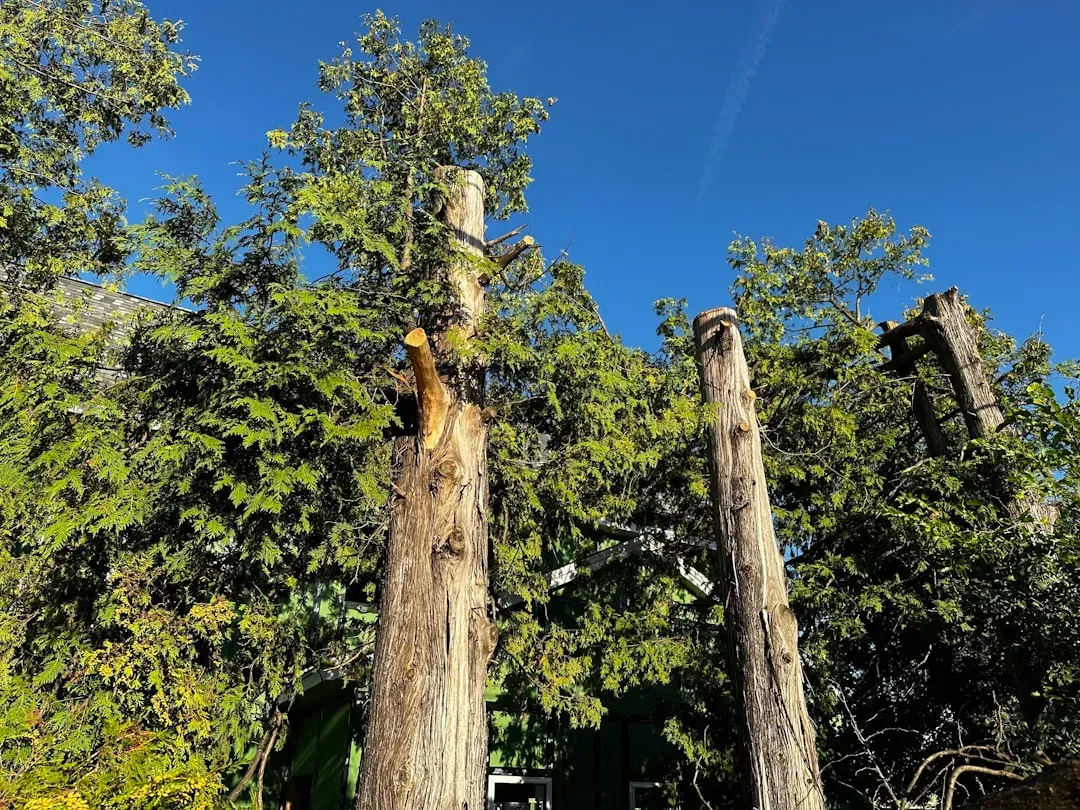
When a caterpillar chews on a leaf or a bark beetle bores into a trunk, many trees do not suffer in silence. Instead, they rapidly ramp up the production of specific airborne chemicals that spread outward like an invisible alarm. These distress volatiles can trigger nearby branches and neighboring trees to strengthen their own defenses, for example by producing more bitter or toxic compounds in their leaves so that they become less appetizing to the next wave of hungry mouths. It is like a neighborhood group chat where someone posts a warning about a scammer, and everyone else immediately becomes more cautious.
Forests, in this sense, behave less like collections of isolated individuals and more like loosely coordinated communities. Ecologists have seen cases where undamaged trees near attacked ones start to change their chemistry within hours, even though nothing has physically touched them. While there are still debates about how widespread and precise this signaling is, the general pattern is clear: trees under stress do not keep that knowledge to themselves. They push it into the shared air, potentially affecting a whole patch of forest in ways that are only now starting to be mapped out in detail.
Plants That Listen: How Leaves “Smell” Warnings and React
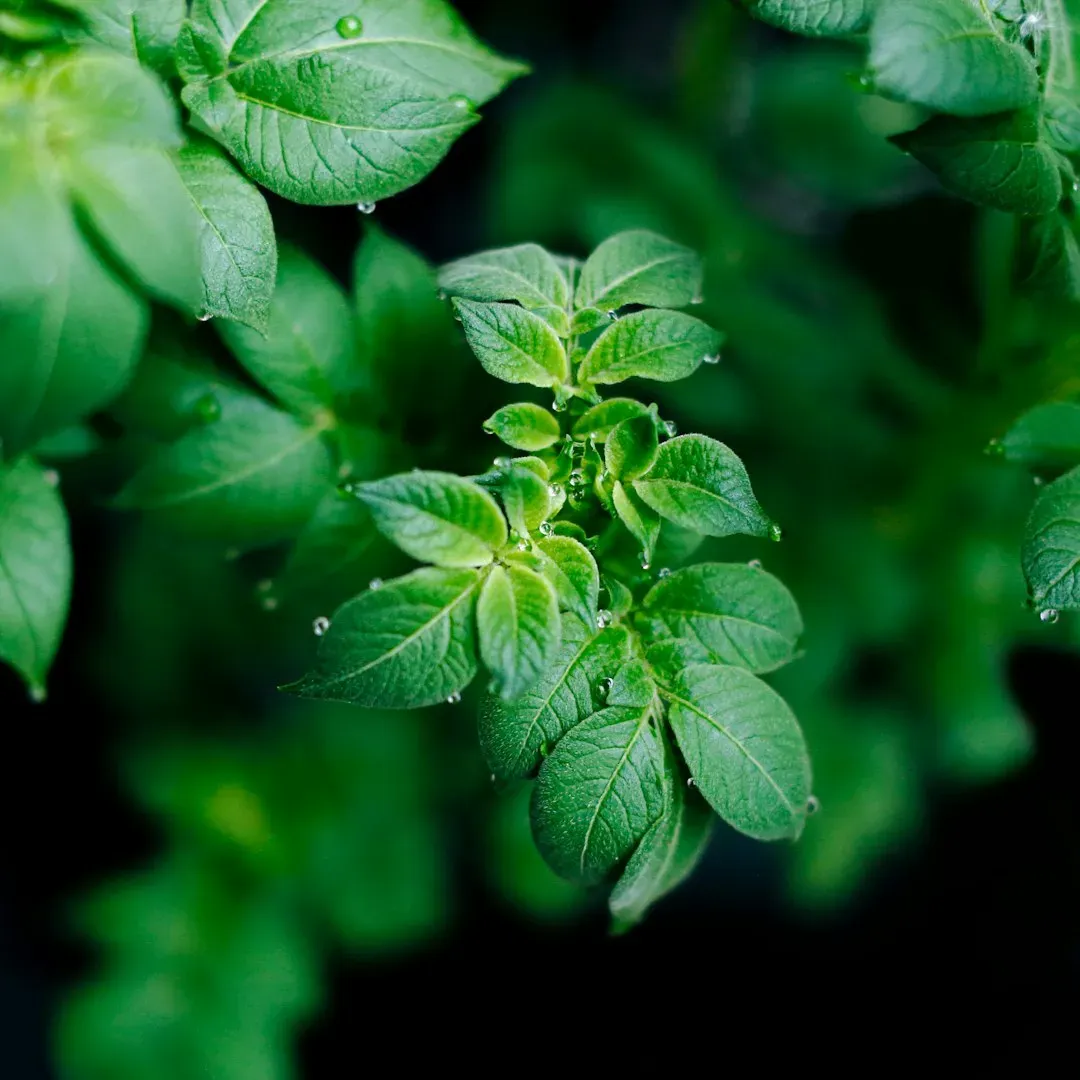
The really mind-bending part is not that trees send signals, but that other plants can apparently “listen” and respond. Plants do not have noses, but they do have receptors and biochemical pathways that can pick up certain molecules and use them as triggers. When a healthy plant is exposed to the distress volatiles from a damaged neighbor, it can switch on genes related to defense, thicken its leaf cuticle, increase protective chemicals inside its tissues, or adjust growth patterns. In practical terms, that means a plant can become harder to eat or infect before it has actually been attacked.
This kind of anticipatory defense is a game changer because it suggests plants are not only reacting to what is happening to them right now, but also preparing for what might come next based on information from their surroundings. It is almost like weather forecasting, but for herbivore attacks or disease. In some experiments, plants that were pre-exposed to airborne alarm signals suffered less damage when real pests eventually arrived, compared with plants that had not received any warning. That is solid, measurable evidence that “listening” to the chemical talk of neighbors pays off in very practical, survival-focused ways.
From Forests to Living Rooms: Can Houseplants Join the Conversation?
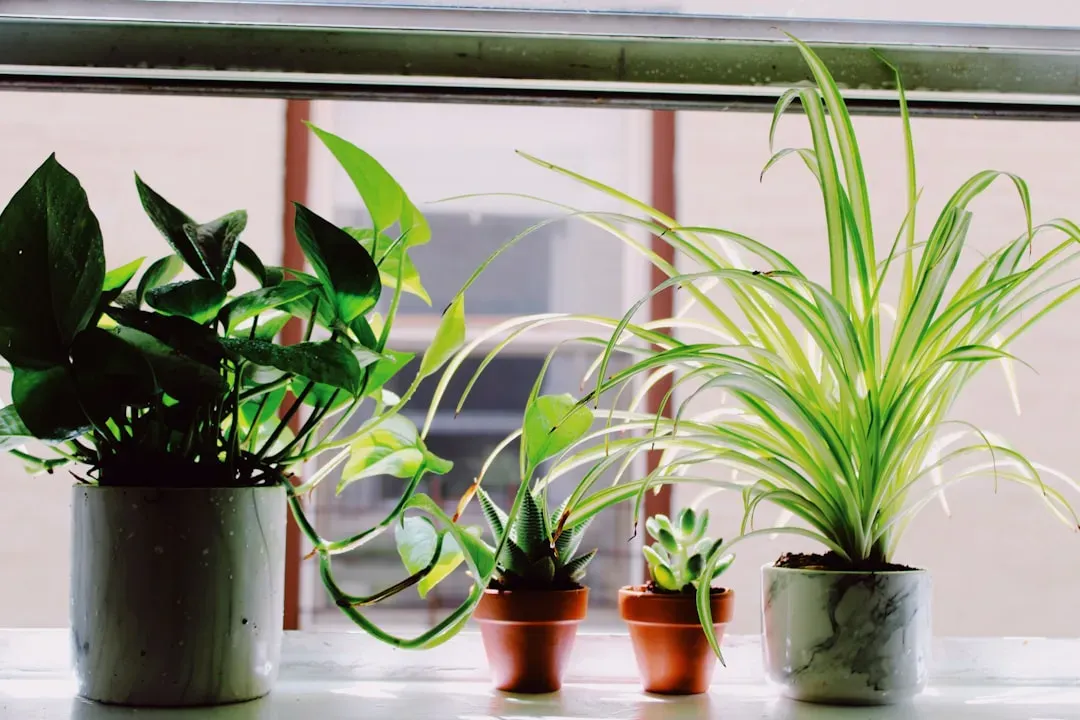
Here is where things get really fun and a little unsettling: those distress volatiles and warning chemicals do not simply stop at the forest edge. They mix into the broader atmosphere, get moved by wind, and can be present in the air that flows into towns, cities, and homes. Technically, any plant with the right receptors that is exposed to these molecules could react, which suggests that houseplants might sometimes be picking up faint echoes of nearby vegetation outside. If you open a window that faces a yard full of trees or a city park, your indoor plants are not completely cut off from the wider chemical environment.
That said, it is important to be clear about what we actually know and what is more speculative. The evidence that plants respond to each other’s airborne signals under controlled conditions and in natural ecosystems is strong. The idea that your monstera is consistently adjusting its defenses because of a stressed maple two streets away is far less certain and probably rare in practice. The air in cities is chaotic, full of pollution and human-made chemicals that can interfere with or mask plant signals. So yes, in principle your houseplants can be “listening” when a window is open or when new plants are brought in, but this is more of an occasional, fuzzy radio signal than a crisp, always-on conversation line.
Do Human Sounds, Screens, or Emotions Matter to Plant Signaling?

Whenever people hear that plants communicate, the conversation quickly drifts into questions about music, talking to plants, or whether our moods affect them. Scientifically, the strongest evidence for plant communication still centers on physical and chemical cues like light, touch, soil signals, and volatile compounds in the air. There are intriguing studies showing that plants can respond to certain vibrations, including sound, but these responses are subtle and usually tied to very specific frequencies, not everyday speech or background music. It is a stretch to claim that your plant is tuned into your favorite playlist the way you are.
What we can say with more confidence is that your habits matter indirectly because they change the environment plants live in. If you water on a regular schedule, provide stable light, and keep air quality decent, your plants will express their “happiness” through sturdier growth and healthier leaves. When you take stress out on your environment by letting things slide, they show it too, just in slower, quieter ways. So while your houseplant is not reading your text messages or following your social media drama, it is absolutely reacting to temperature swings, drafts, humidity changes, and pollutants, which are often shaped by your lifestyle and routines.
Why This Research Matters: Resilient Forests, Smarter Cities, and Better Homes
Understanding how trees and other plants send distress signals is more than a quirky fun fact about nature; it has real implications for how we protect ecosystems. If we know which signals warn of specific pests, diseases, or environmental stresses, we might monitor forests in more precise, early-warning ways. That could help detect emerging threats before visible damage appears and guide more targeted interventions instead of blunt, late-stage treatments. There is growing interest in using plant volatiles as natural pest management tools or as indicators of forest health in a warming, changing climate.
On a smaller scale, this science reshapes how we think about green spaces in cities and homes. When we see plants as responsive, communicative organisms rather than passive decor, we tend to treat them with more care and design spaces that support their needs. Urban planners and architects are already experimenting with plant-rich buildings that improve air quality and wellbeing, and insights about plant signaling can make these designs more effective. In our own apartments and houses, we start to realize that a cluster of plants is not just visually pleasing; it is also a tiny, breathing, sensing community that is constantly adjusting to the way we live.
So, Are Your Houseplants Really Listening? A Cautious, Opinionated Take

If by “listening” we mean that your houseplants are tuned into the entire emotional drama of your life, then no, that is not what the science supports, and it probably never will. But if we define listening in a more grounded way, as the ability to detect and respond to subtle signals from the environment and from other plants, then the answer is a confident yes. They listen to changing humidity, to occasional whiffs of stress chemicals from other plants, to light patterns shaped by your curtains or daily habits, and to the nutrients and microbes you provide in the soil. In my view, treating those responses as a kind of quiet listening is not poetic fantasy; it is a fair translation of what the data show.
Personally, I find that perspective both humbling and energizing. It means that when I drag a new plant into my living room, rearrange furniture, open a window on a windy day, or neglect watering for a busy week, I am not just changing a backdrop. I am actively shaping a small, responsive network of living beings that are continuously exchanging information and adjusting as best they can. The research on trees and airborne distress signals is still unfolding, and we should be careful not to run ahead of what is proven. But even at this stage, it already asks a powerful question: if the plants in our homes and forests are always quietly reacting to us and to each other, what kind of conversation do we want to have with them next?