If you could suddenly see Earth’s magnetic field with your own eyes, you’d probably be stunned. You’d notice giant, shimmering arcs stretching far into space, deflecting streams of charged particles racing toward you at incredible speeds. That unseen structure is the only reason you can look up at the sky without being fried by radiation, use a compass, or enjoy a stable climate over millions of years.
You live your entire life inside a kind of invisible forcefield and almost never think about it. Yet this magnetic cocoon has shaped the history of life, protected the atmosphere from being stripped away, and even guided animals on epic migrations. Once you understand how it works, you start to see everyday things – like the northern lights or the reading on a compass – as hints of a much deeper story playing out around you all the time.
The Giant Hidden Magnet Inside Earth
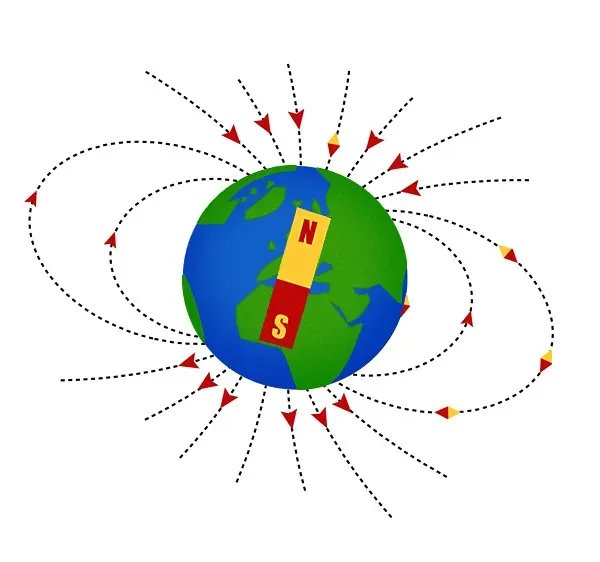
You can think of Earth as a giant, messy magnet powered from within. Deep under your feet, roughly halfway to the center of the planet, an outer core of molten iron and nickel is constantly churning. As this electrically conductive fluid moves, it generates electric currents, and those currents create a magnetic field that reaches far into space. Instead of a tidy bar magnet, you’ve got a dynamic, swirling metal ocean generating what scientists call a geodynamo.
What makes this especially wild is that you’re feeling the effects of something happening almost three thousand kilometers below you. The solid inner core cools and slowly grows, and that cooling drives convection in the outer core, keeping the geodynamo running. As long as that deep metallic engine keeps spinning and flowing, you keep your magnetic shield. If it ever fully shut down, your planet would slowly start looking a lot less like a blue oasis and a lot more like a stripped, exposed rock in space.
How the Magnetic Field Saves You From Space Weather
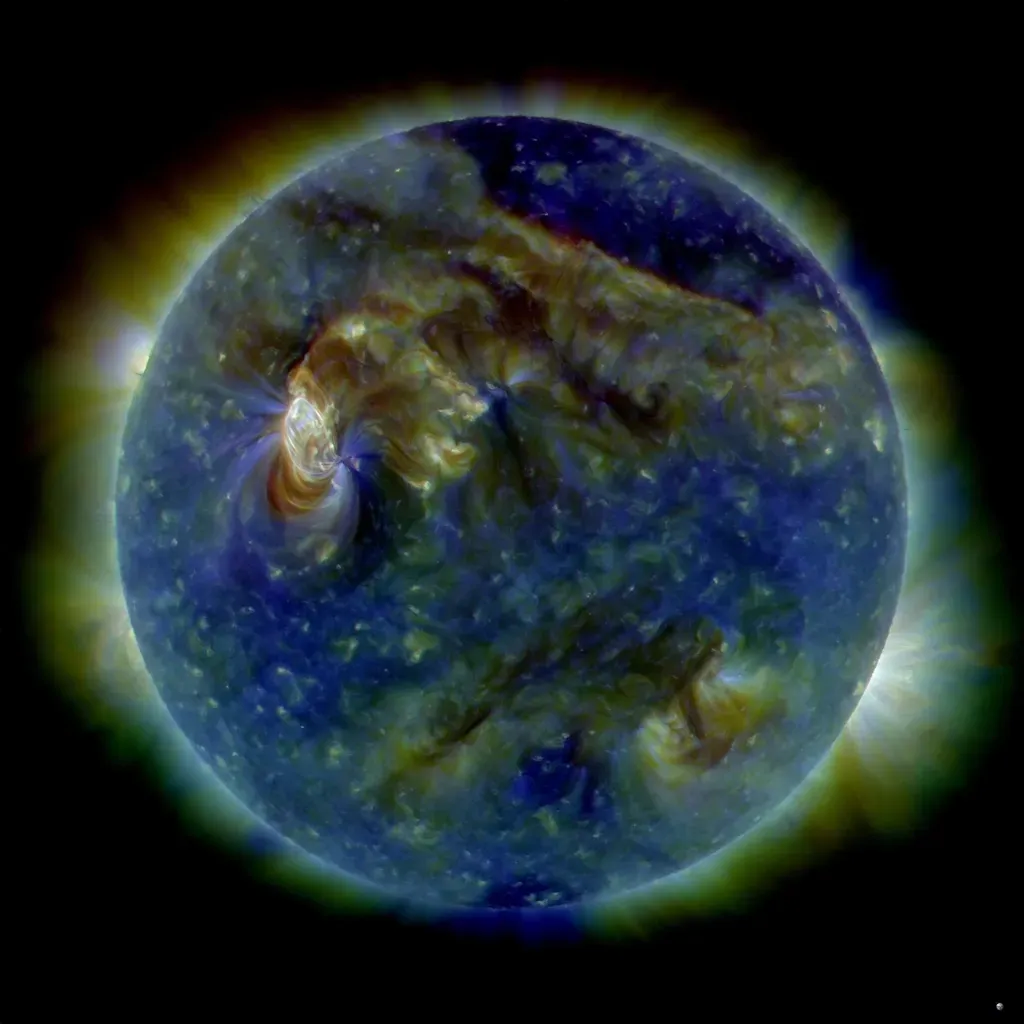
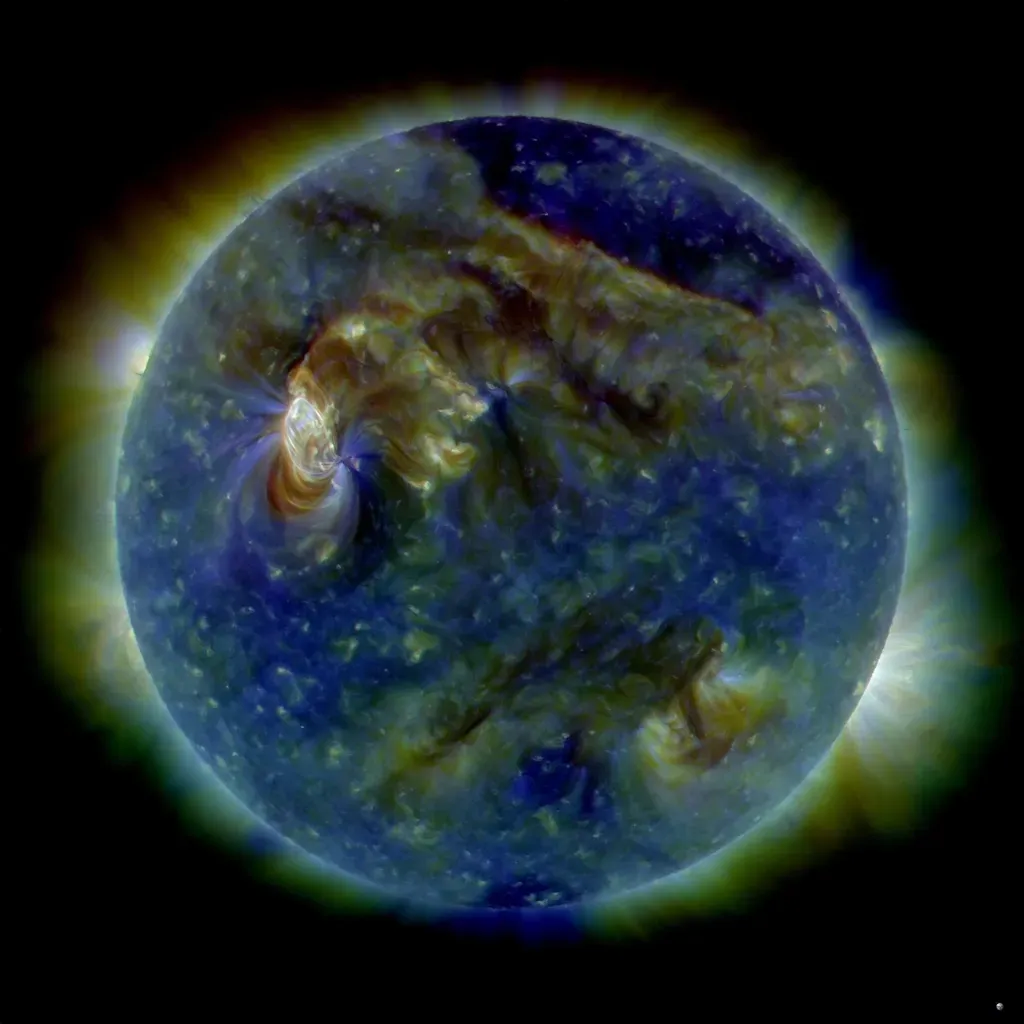
Every minute of every day, a stream of charged particles from the Sun – called the solar wind – is blasting past your planet at high speed. If that wind slammed directly into your atmosphere, it would gradually erode it and flood the surface with dangerous radiation. Earth’s magnetic field acts like a deflector shield, guiding most of those charged particles around the planet instead of letting them barrel straight in. The field lines stretch out on the side facing the Sun and form a long tail on the night side, wrapping your world in a protective bubble.
When the solar wind gets stronger during solar storms, your magnetic shield flexes and reshapes rather than simply letting the storm through. Some particles do sneak in near the polar regions, spiraling down magnetic field lines toward the atmosphere. That’s when you get auroras – the northern and southern lights – which are basically your shield glowing as it absorbs the energy of incoming particles. In a very real sense, every aurora you see is your magnetic defense system doing its job in a visually spectacular way.
Holding On to Your Air and Water
Your ability to breathe right now is partly thanks to the magnetic field quietly doing crowd control on charged particles for billions of years. High-energy particles from the Sun can slowly strip away the upper layers of an atmosphere, molecule by molecule. Earth is not completely immune, but with a strong magnetic shield, you dramatically reduce how much gas gets blasted into space. Over deep time, that protection helps your planet hold on to its air and, indirectly, its surface water.
You can see the importance of this when you look at your planetary neighbors. Mars, for example, once had flowing water and a thicker atmosphere, but it lost its global magnetic field long ago. Without that shield, the solar wind had a much easier time eroding its atmosphere, likely helping transform it into the cold, thin-aired world you see today. When you inhale and feel the air in your lungs, you’re experiencing the long-term benefits of having a functioning planetary forcefield that kept Earth’s atmosphere from suffering a similar fate.
Navigation, From Your Pocket Compass to Migrating Animals
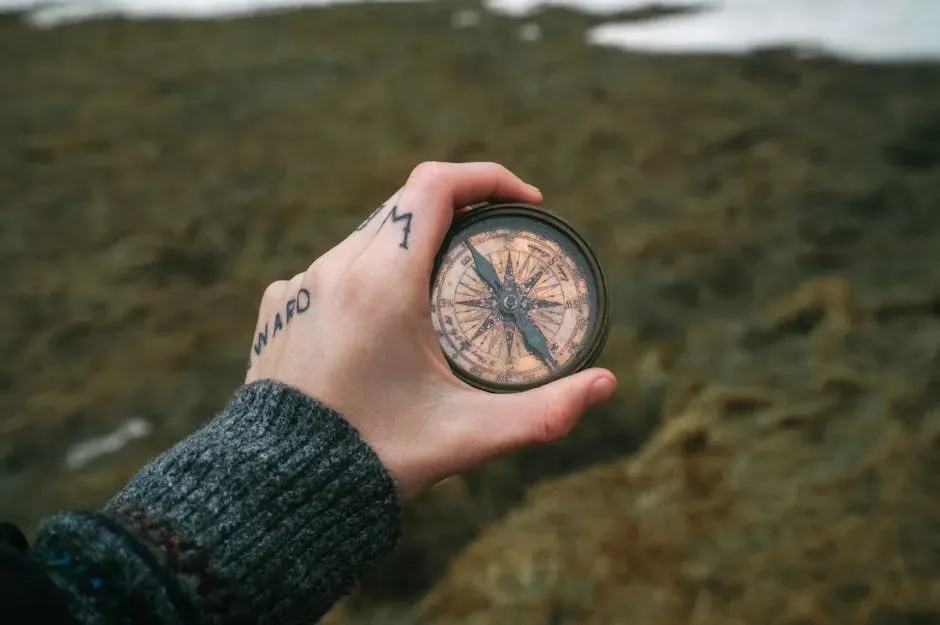
The most familiar sign of Earth’s magnetic field in your daily life is deceptively simple: a compass needle. That little needle aligns with the planet’s magnetic field lines, pointing roughly toward the magnetic north. Without the field, a compass would just be a tiny, useless piece of metal. For centuries, sailors, explorers, and travelers relied on this invisible structure in space, even if they had no idea what was generating it under their feet. Every time you see a compass icon on your phone’s map, you’re leaning on the same basic phenomenon.
You’re not the only one using the magnetic field as a guide, though – you share it with an astonishing range of animals. Birds, sea turtles, salmon, and even some insects appear to sense Earth’s magnetic field and use it like a built-in GPS for long migrations. Imagine swimming thousands of kilometers across an open ocean or flying between continents and still finding your way back to the exact beach or nesting site; the magnetic field is one of the quiet cues that makes that possible. You walk around inside a global navigation grid that countless species have learned to read over millions of years.
Magnetic Reversals: When North Becomes South
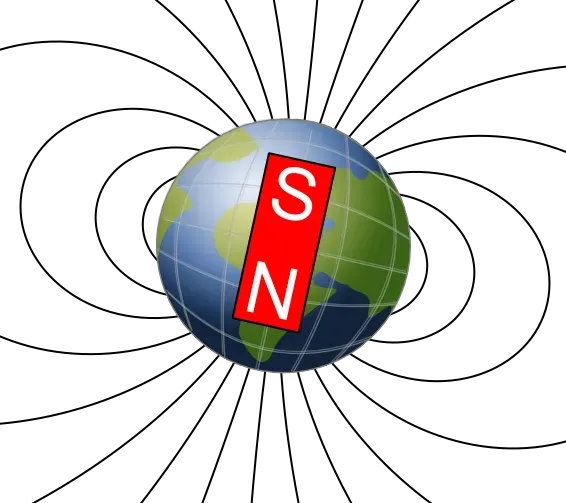
Here’s where things get really strange: the magnetic poles on your planet are not fixed forever. Over geological timescales, Earth’s magnetic field has flipped many times, with north becoming south and south becoming north. These reversals do not happen on human timelines; you’re talking about thousands of years for a full transition, with long stretches of relative stability in between. Rocks that formed from lava flows or sediments carry a fossil record of these past flips in the way their tiny magnetic minerals are aligned.
When you hear about magnetic reversals, it might be tempting to imagine catastrophic chaos, but the evidence does not show mass extinctions tied directly to these flips. The field can weaken and become more complicated during a reversal, yet it does not vanish entirely. You would still have some level of shielding from space weather. For you personally, the bigger headache during an active reversal era would likely be for navigation systems and satellites, not humanity suddenly being roasted by radiation overnight.
Everyday Technology Quietly Depending on the Field
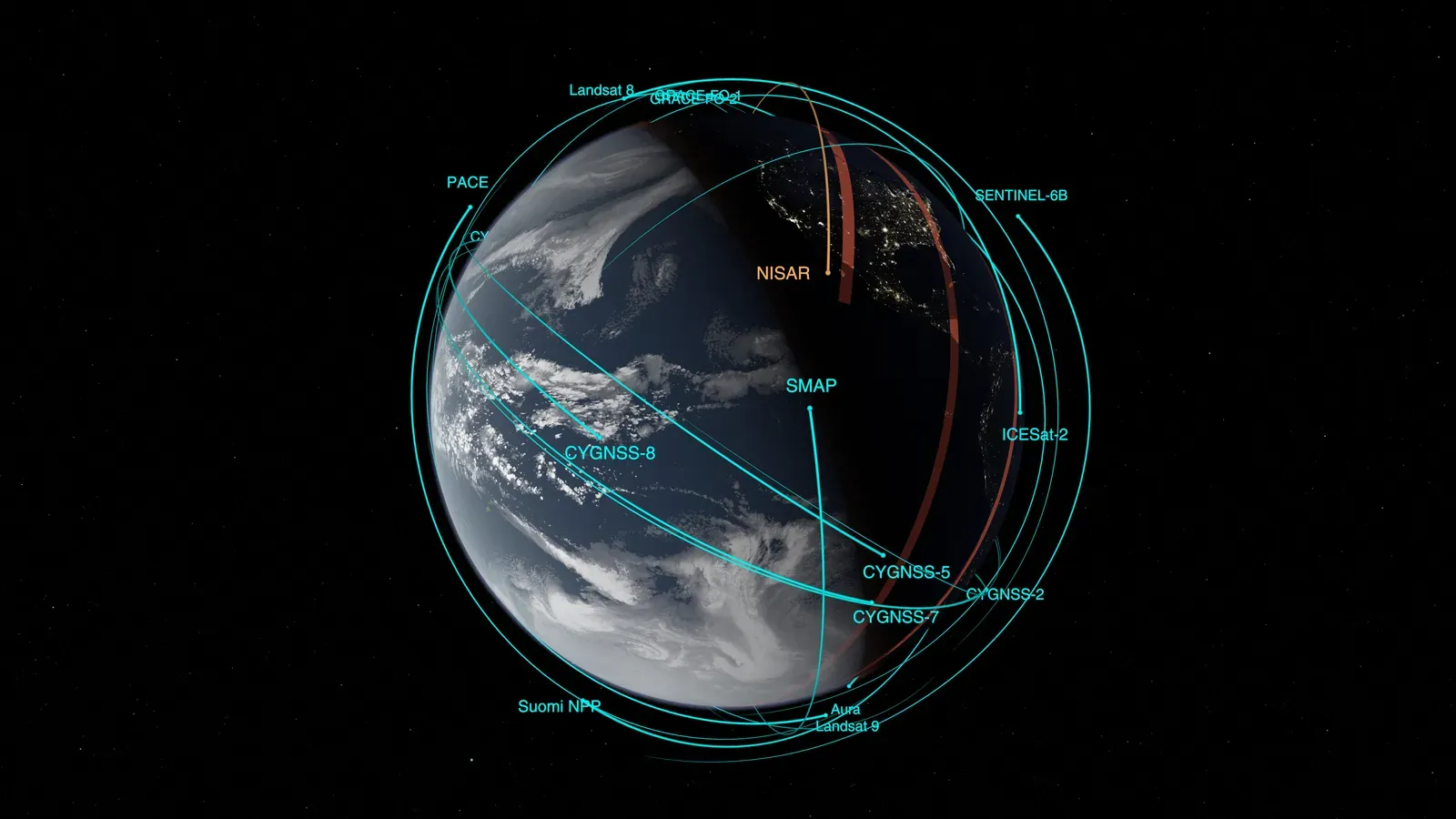
Even if you never touch a physical compass, your modern tech life is deeply intertwined with Earth’s magnetic environment. Satellites in orbit fly inside and around the magnetic bubble, and when solar storms interact with the field, they can induce electrical currents and disturb satellite instruments. That can affect GPS accuracy, communications, and even power grids on the ground. Space weather forecasts exist for a reason: they help engineers anticipate how disturbances in the magnetic field might ripple through your technologies.
On a more personal level, your phone and many other devices rely on tiny magnetic sensors to understand their orientation and location. Those sensors are designed to respond to Earth’s magnetic field, not just arbitrary inputs. When you see a map rotate correctly as you turn, or when an app points you toward a hiking trail, you’re indirectly using a planetary-scale magnetic structure. You probably do not think of your planet’s core when you navigate to a new café, but in a loose, fascinating way, those movements are linked.
What Could Happen If the Shield Weakens?
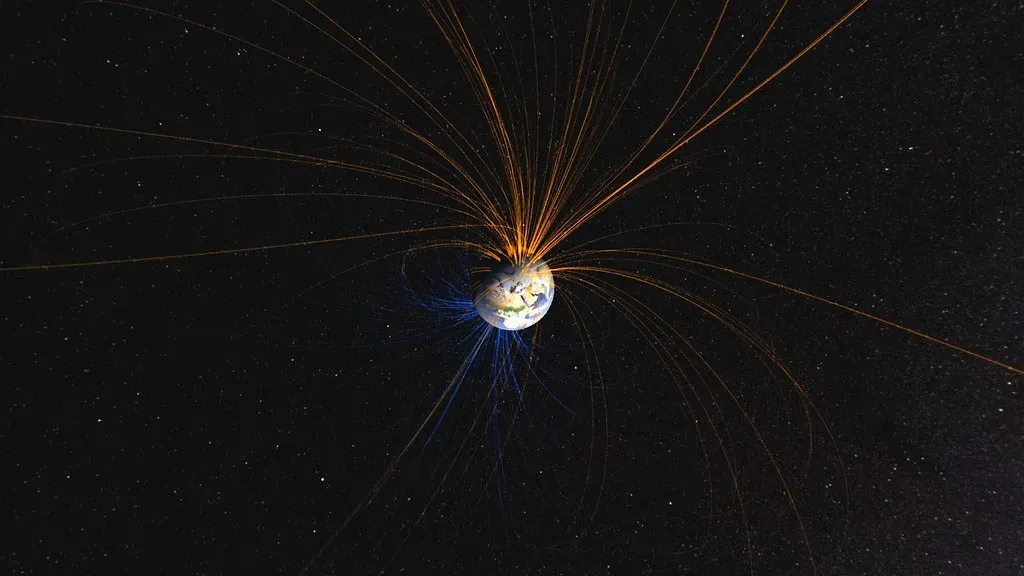
Because you depend so heavily on this invisible barrier, it’s natural to wonder what would happen if it weakened significantly. The field’s strength already fluctuates over time, and right now there are regions, like the so-called South Atlantic Anomaly, where the field is notably weaker. Satellites passing through such areas can experience more radiation and need extra shielding or protective shutdown strategies. For someone on the ground, though, the day-to-day impact so far is minimal; you don’t suddenly feel a stronger wave of radiation when you walk under these weaker spots.
If the overall field dropped to a fraction of its current strength for a prolonged period, you would probably see more issues with satellites, increased radiation for astronauts, and more frequent disruptions to navigation and communication systems. You might also get more intense and widespread auroras, with the sky lighting up at lower latitudes where people are not used to seeing them. For life on the surface, Earth’s atmosphere is still a powerful shield on its own, so the immediate health risks would not turn your world into a sci-fi disaster zone, but the technological and social ripple effects could be significant.
When you step back and look at the full picture, you realize you’re living inside a planet-sized security system that runs constantly without a bill or a status notification. A hidden metal heart spins and churns beneath you, powering a magnetic cocoon that shapes your air, your climate, your navigation, and even the dance of light in your night sky. You might not feel it brushing against your skin, but it has been quietly defending your world since long before any human took their first breath.
Next time you see a photo of the northern lights, watch a bird migration documentary, or glance at the compass on your phone, you can remind yourself that all of those things are tied together by this one invisible force. Your planet is not just a rock in space; it is an active, magnetic organism of sorts, constantly shaping and reshaping the space around it. Knowing that, does the space above your head feel a little less empty and a lot more alive?