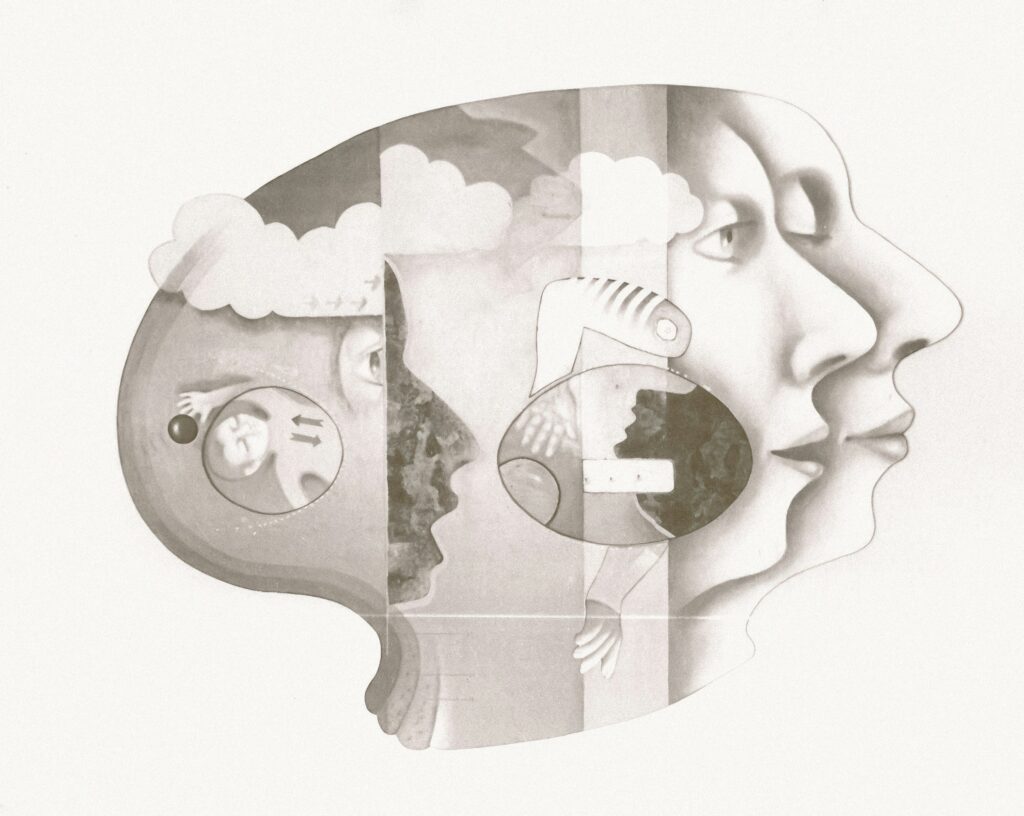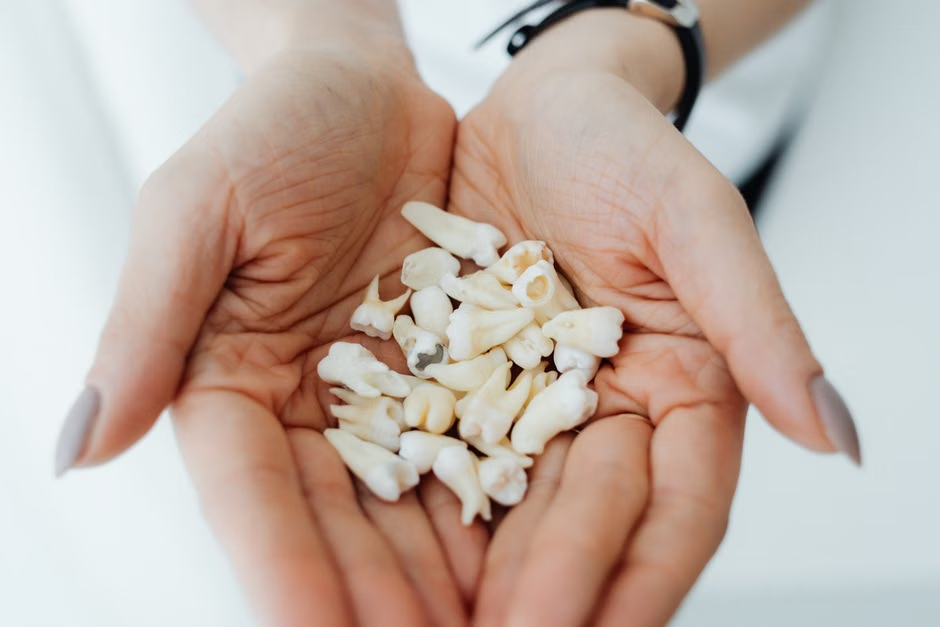

You wake up in a cold jolt, heart racing, tongue checking your teeth to make sure they’re still there. That moment of relief feels almost ridiculous, but the dream felt real enough to ruin your morning. If this keeps happening, you might secretly wonder whether your mind is warning you about something serious hiding under the surface of your life.
Teeth-falling-out dreams are some of the most common and emotionally intense dreams people report, and they’re rarely random. When you look closely, they tend to show up right when stress spikes, confidence dips, or your jaw has been busy grinding all night without your permission. Understanding what your brain is trying to process does not just make the dream less scary – it gives you a practical handle on what to change in your waking life.
Why Your Brain Chooses Teeth When You Are Stressed Right Now
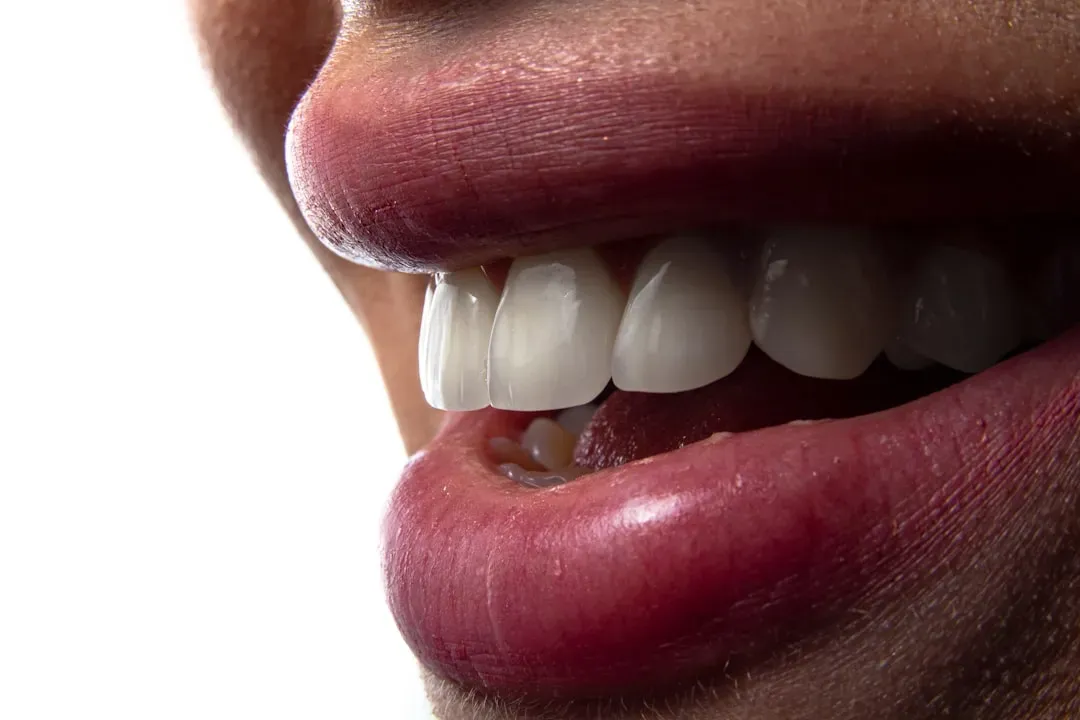
When you are under immediate pressure in waking life, your brain does not send you a neat memo; it sends you imagery, and teeth are one of its favorite symbols. Teeth are tied to survival, appearance, and control, so when your stress shoots up, your dreaming mind may dramatize it as something essential literally breaking apart. You experience your stress not as a to‑do list, but as the horror of losing something you cannot easily fix.
Think about times when the dream appears: a tight deadline, a fight with someone important, a sudden bill, a looming presentation. In those moments, your sense of control feels fragile, just like a tooth wobbling in your mouth. The dream exaggerates this fragility so you feel, on an emotional level, what your nervous system is trying to handle. It is not predicting disaster; it is echoing the way your body has already started to brace for impact.
How Insecurity and Self-Image Turn Into Dental Nightmares
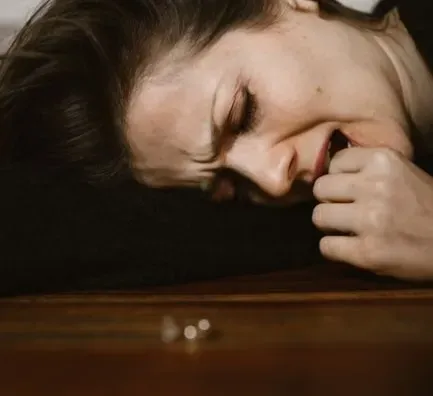
Teeth are also about how you show up in the world, which makes them perfect symbols for insecurity. You use your teeth to speak, smile, and express yourself, so when you feel judged, unattractive, or not good enough, your brain may turn those feelings into the image of your smile falling apart. In the dream, you watch yourself become less presentable, less confident, and that mirrors how you secretly fear others see you.
Maybe you started a new job and feel out of your depth, or you are comparing yourself to people online and quietly feeling behind. Even if you push those thoughts aside during the day, they do not actually disappear; they go underground. At night, they can come back as your teeth crumbling or dropping into your hands, a shocking visual way of saying: you are scared of losing face, losing respect, or losing your sense of who you are.
Nocturnal Teeth Grinding: The Physical Trigger You Might Be Ignoring

There is also a very literal side to these dreams: if you grind or clench your teeth at night, your jaw and facial muscles send strong signals to your brain while you sleep. That physical tension can be woven into your dreams, giving your mind raw material to create a story about teeth breaking, loosening, or popping out. You wake up remembering the dream, but you might miss that your body started the whole scene.
If you often wake with a sore jaw, headaches around your temples, or tooth sensitivity, there is a real chance your dreams are partly driven by grinding. In that case, your dream is not only a psychological metaphor; it is your nervous system reacting to ongoing strain. Addressing the grinding itself – with relaxation practices, better sleep habits, or help from a dentist – can quiet the dream in a very practical, grounded way.
What These Dreams Reveal About Your Need for Control
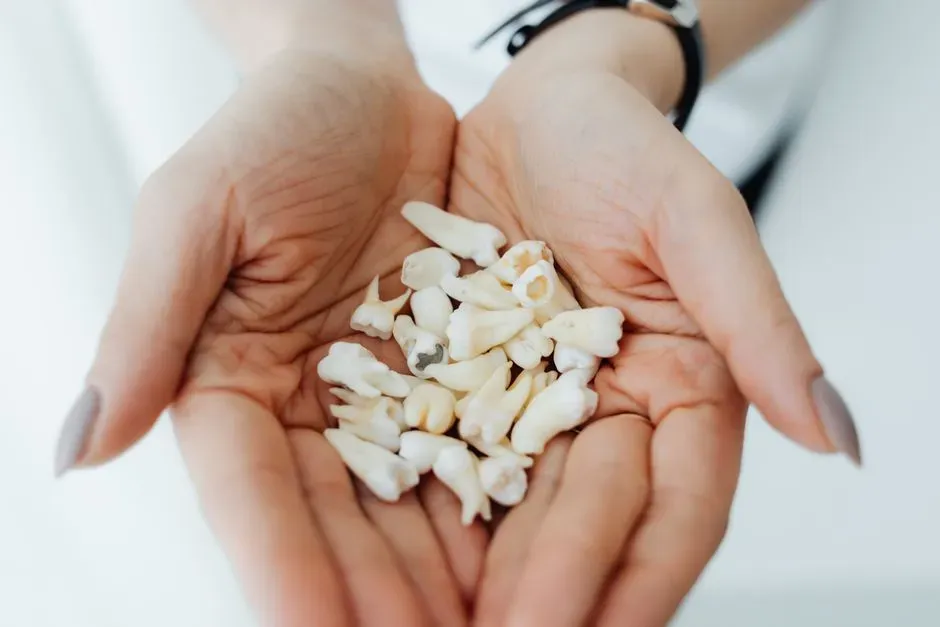
Teeth do not just help you smile; they help you bite, chew, and take in what you need. When your dreams show your teeth falling out, they often hint at a deeper fear of losing control over your life, your choices, or your future. You may feel like circumstances are deciding things for you, and the dream captures that helplessness by taking away something you normally take for granted.
Maybe your schedule is packed and you do not feel like you have any say, or someone else’s decisions are affecting your stability. Your mind cannot always change real-life situations overnight, but it can highlight the emotional cost. By noticing the connection between this dream and moments when you feel powerless, you give yourself a starting point: where can you take back even a small piece of control, or at least set a boundary that makes you feel more solid?
Spotting the Pattern: When Recurring Dreams Act Like Alarm Bells

A one‑off dream can be strange and interesting, but when the same teeth‑falling scenario keeps showing up, it is more like an alarm that you keep snoozing. Recurrence usually means your brain sees an unresolved issue that has not been processed or acted on yet. The topic might be obvious – like ongoing money worries – or more subtle, like a long-standing habit of doubting yourself.
You can treat the repetition almost like data. When do these dreams spike – during a certain project, relationship conflict, or health scare? If you track them over a few weeks, you often start to spot patterns you had not noticed before. That pattern does not just make the dream less mysterious; it shows you exactly where your waking life could use attention, support, or change.
Practical Steps to Calm the Dream: From Daytime Stress to Bedtime Habits

Instead of just hoping the dream will magically stop, you can work on both sides of the equation: your waking stress and your sleeping environment. During the day, practices like short movement breaks, simple breathing exercises, or journaling about what is bothering you help your nervous system downshift. When your stress load drops even a little, your dream content often softens too, because your brain has less emergency material to process at night.
At night, you can make it easier for your body to relax by treating bedtime like a landing, not a crash. Dim lights, put screens away a bit earlier, and give yourself a consistent wind‑down routine so your body associates that pattern with safety. If you suspect teeth grinding, talk to a dentist about a night guard or mention it to a healthcare professional. You are not just being dramatic about a weird dream; you are responding to real signals from your mind and body.
When to Seek Professional Help About Stress, Grinding, or Anxiety Dreams

If these dreams leave you deeply unsettled, make you dread sleep, or show up alongside strong anxiety or mood changes, it is worth getting extra support. A mental health professional can help you explore how stress and insecurity are shaping your dreams and your days, and can teach you tools to manage them more effectively. You do not have to figure out the entire emotional puzzle by yourself in the middle of the night.
Likewise, if you or a partner notice loud grinding, jaw clenching, or chipped teeth, a dentist can check for physical damage and offer options to protect your mouth. In that case, your dream is like a flashing dashboard light, nudging you to look under the hood. Getting help is not an overreaction; it is a practical step toward feeling safer both while you are awake and while you are asleep.
Conclusion: Listening to the Message Behind the Teeth

When you zoom out, recurring dreams of your teeth falling out are less about some mystical prophecy and more about your immediate reality: your stress, your insecurities, and the strain your body is actually feeling at night. Your mind is dramatic on purpose so you will pay attention to what hurts, what feels uncertain, and what needs protecting. The dream is intense, but its message is surprisingly down‑to‑earth.
If you start treating these dreams as signals rather than curses, you gain something powerful: a map of where your life is asking for care, change, or support. By calming your stress, tending to your self-image, and checking in on your jaw and sleep, you are not just trying to stop a nightmare; you are building a life that feels a little more stable, inside and out. Now that you know what your dreaming mind might be saying, what is the first small change you feel ready to make?