Expedition Reveals Hidden Depths (Image Credits: Upload.wikimedia.org)
Issyk-Kul, Kyrgyzstan – Underwater explorers recently brought to light the remnants of Toru-Aygyr, a thriving medieval city along the Silk Road that disappeared beneath the surface of this vast Central Asian lake more than six centuries ago. A powerful earthquake in the early 15th century triggered the submersion, reshaping the landscape and burying streets, buildings, and graves under the water. The 2025 discovery by an international team offers fresh evidence of the region’s role in ancient trade networks and cultural transformations.
Expedition Reveals Hidden Depths
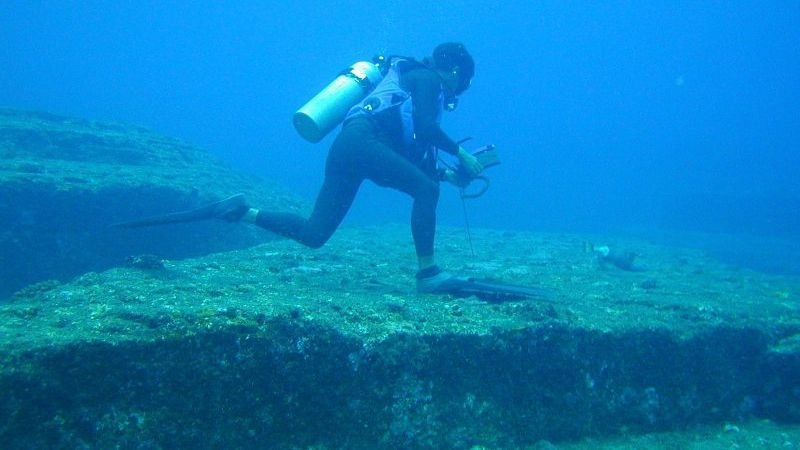
Researchers from Kyrgyzstan’s Institute of History, Archaeology, and Ethnology of the National Academy of Sciences, along with Russia’s Institute of Archaeology of the RAS, led the dives. The team descended to depths of about 13 feet in Lake Issyk-Kul, one of the world’s deepest bodies of water. Their efforts confirmed the presence of a substantial settlement that historical records had hinted at but never precisely located.
Valery Kolchenko, head of the underwater expedition and a researcher at the Kyrgyz institute, described the site as “a city or a large commercial agglomeration on one of the important sections of the Silk Road.” The findings aligned closely with mentions in ancient Chinese sources, which noted the area as a zone of interest during Karakhanid rule.
Hub of Trade and Transition
Toru-Aygyr flourished in the 13th and 14th centuries as a key stop on the Silk Road, the network of routes that linked China to the West from the first century B.C.E. until around the 15th century. Under the Turkic Karakhanid dynasty, which emerged around the 10th century, the city served as a bustling commercial center. Its population reflected a mix of religions, though Islam gained prominence among the elite and spread widely by the 13th century under the Mongol Golden Horde.
Maksim Menshikov, expedition leader from the Russian institute, emphasized the site’s historical ties. “The section of the Silk Road in the Issyk-Kul Lake area was under control of the Karakhanids,” he noted. “The Chinese considered this territory a zone of their interests, but they could not control it. Nevertheless, we see that this location is reflected in Chinese sources.” These connections highlight Toru-Aygyr’s position amid shifting powers in Central Asia.
The Quake That Erased a Civilization
Catastrophe struck at the dawn of the 15th century when a massive earthquake struck the region. The event redistributed lake waters, dramatically altering the shoreline and swallowing the city whole. Residents likely had already begun abandoning the settlement, but the seismic shift sealed its fate, displacing communities and paving the way for nomadic groups to dominate the area.
Geological changes preserved the ruins remarkably well beneath the lake’s cold, stable waters. Yet exposure to currents now threatens some structures, particularly a 13th- or 14th-century Muslim necropolis where erosion accelerates the loss of human remains.
Artifacts Paint a Vivid Picture
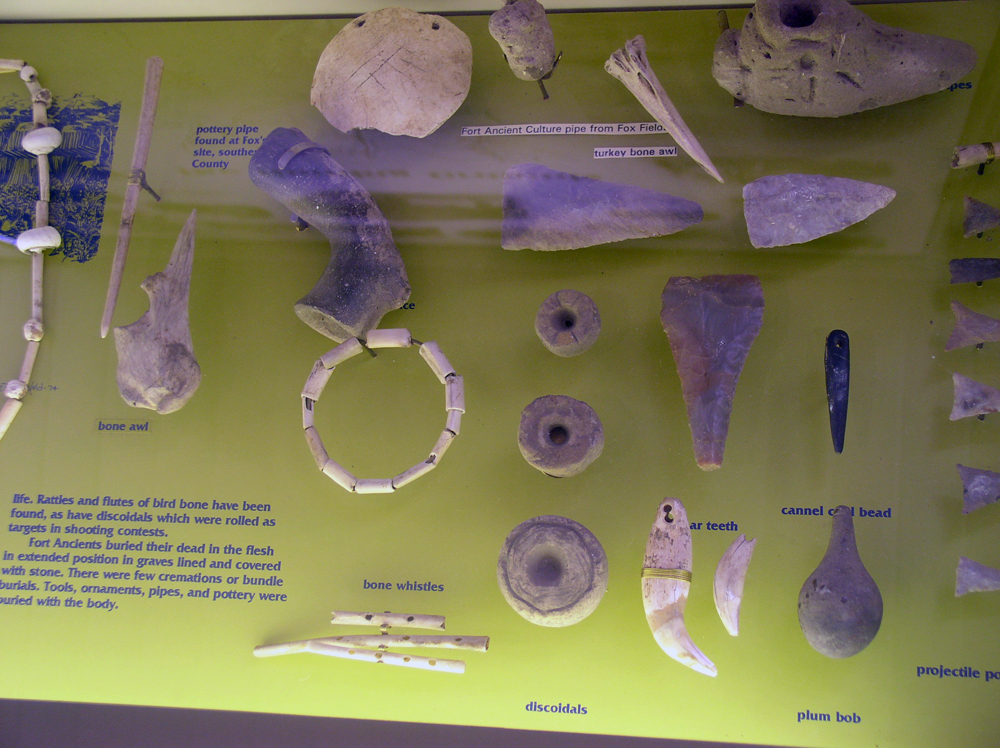
Divers documented brick buildings, remnants of wooden structures, and a stone millstone used for grinding grain. A standout find was an intact ceramic vessel amid scattered pottery shards, signaling everyday life in a prosperous outpost. Nearby lay an older burial site flanked by rounded and rectangular foundations.
- A necropolis with two bodies oriented toward Mecca, following Islamic rites.
- A large community edifice with ornate external features, possibly a mosque, bathhouse, or madrasa.
- Medieval ceramics and tools bridging Karakhanid and Golden Horde eras.
These items collectively evoke the streets once alive with merchants and travelers exchanging goods from distant lands.
What matters now: This site bridges gaps in Silk Road scholarship, correlating texts with tangible evidence of trade, faith, and upheaval.
Echoes of the Past Reshape Understanding
The revelations at Toru-Aygyr strengthen its status as a pivotal Silk Road node. Artifacts underscore the smooth yet profound shift from Turkic governance to Islamic dominance, enriching narratives of Central Asia’s medieval dynamism. For archaeologists, the underwater context promises more yields, as the lake’s preservation has shielded the ruins from surface weathering.
Though challenges like water erosion persist, the expedition marks a milestone in exploring submerged heritage. It reminds us how natural forces can both destroy and safeguard history, waiting for technology and determination to reveal long-buried truths. As studies continue, Toru-Aygyr stands ready to yield further secrets of an interconnected ancient world.