Scientists observed cuttlefish engaging in tentacle waving, a behavior that may serve as a form of communication. This discovery suggests that cuttlefish use visual and vibrational signals to interact, expanding our understanding of cephalopod intelligence.
How Cuttlefish Use Tentacle Waves
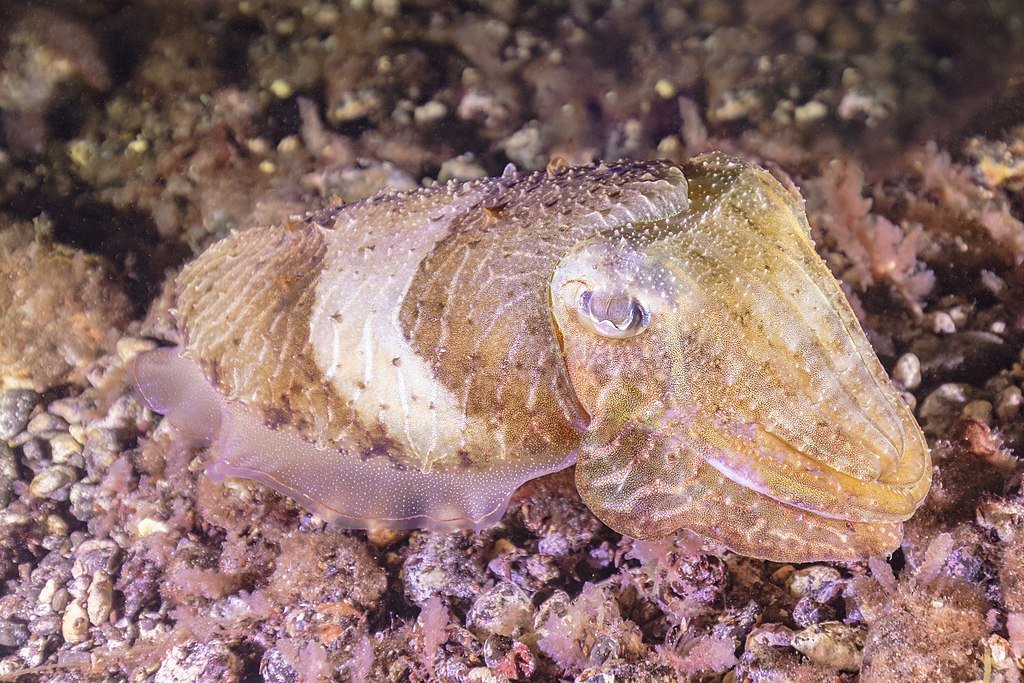
Researchers studied common cuttlefish (Sepia officinalis) and dwarf cuttlefish (Sepia bandensis), identifying four distinct arm wave signs—the up, side, roll, and crown signs. These movements appear to be structured and repeated, suggesting intentional signaling rather than random motion.
Testing the Communication Hypothesis
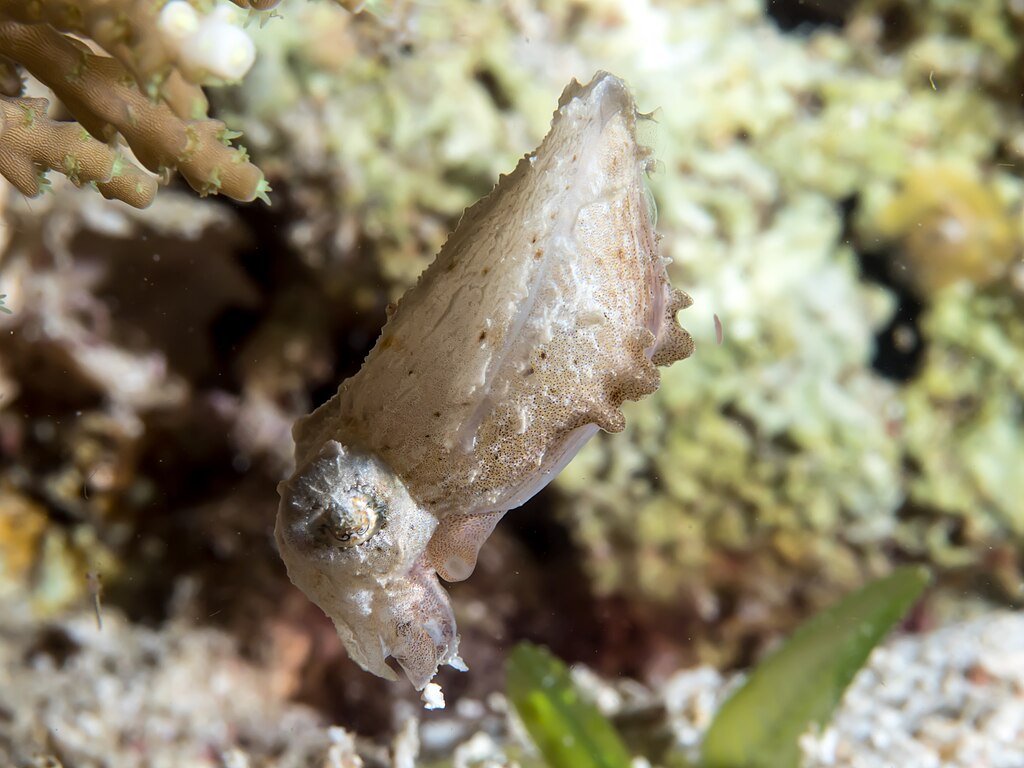
To determine if these movements hold meaning, scientists recorded cuttlefish performing arm wave signs and played the footage back to live cuttlefish. The subjects responded by waving back, particularly when the video was in its original orientation, indicating that the movements may carry social significance.
Do Other Cephalopods Communicate Similarly?
Octopuses and squid have been observed using color changes and body movements to communicate, but structured tentacle waving in cuttlefish suggests a higher level of intentional signaling. If verified, this could reveal a broader pattern of social interaction among cephalopods.
Could Tentacle Signals Be Used in Mating?
Some researchers theorize that tentacle waving might play a role in courtship behavior, allowing cuttlefish to signal mating interest before engaging in color-changing displays seen during reproduction. This would suggest a more complex social system than previously believed.
Are Vibrations a Secondary Signal?
Beyond visual cues, researchers found that tentacle movements generate vibrational waves in the water, which cuttlefish may detect through mechanoreception. When exposed to recorded vibrational signals, cuttlefish reacted only to the original sequence, suggesting that the order of vibrations may convey specific information.
Conclusion
The discovery of tentacle waving as a potential communication method opens new avenues for studying cephalopod intelligence. If confirmed, this behavior could represent a multimodal signaling system, combining visual gestures and vibrational cues to facilitate interaction among cuttlefish.
Source: