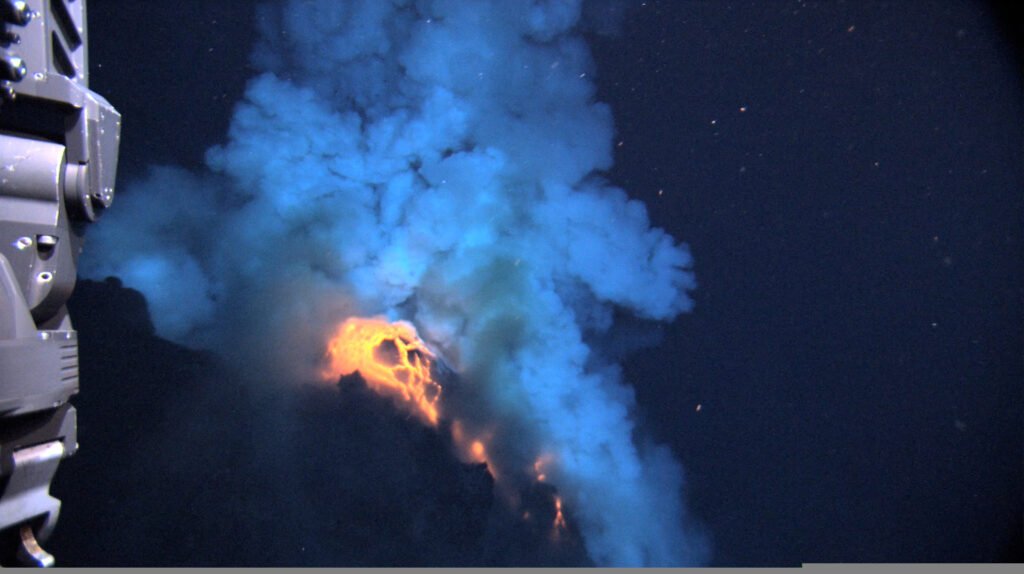

The Atlantic Ocean appears peaceful from above, but beneath its waves lies one of Earth’s most active volcanic regions. Scientists have spent decades mapping the ocean floor and uncovering thousands of underwater volcanic features. These discoveries reveal a hidden world of erupting seamounts, volcanic ridges, and molten lava flows that challenge our understanding of marine geology.
Recent mapping efforts have already identified previously uncharted undersea volcanoes, though there are estimated to be 40,000 to 55,000 seamounts in the global oceans, with almost all not well-mapped and many not having been identified at all. The Atlantic Ocean holds countless secrets beneath its surface.
The Mid-Atlantic Ridge: Earth’s Longest Volcanic Chain
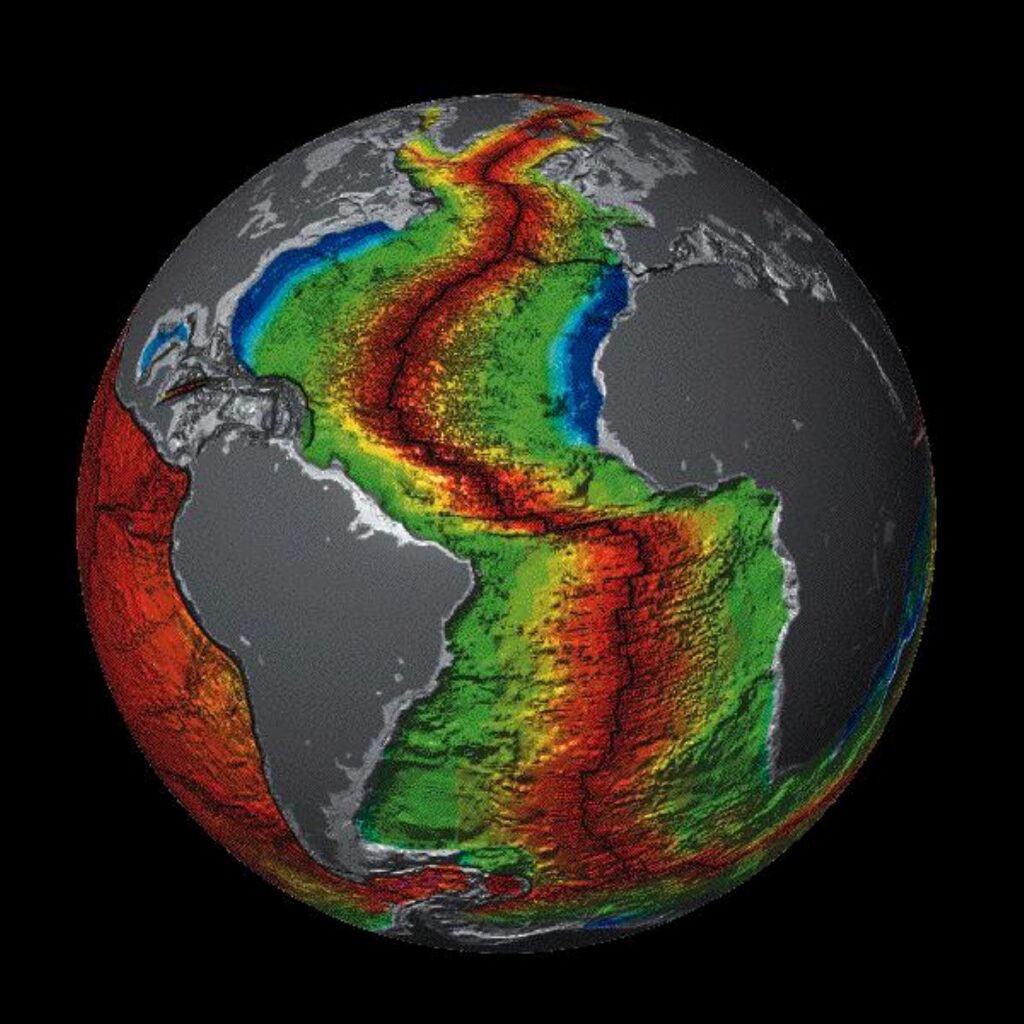
The Mid-Atlantic Ridge is a mid-ocean ridge located along the floor of the Atlantic Ocean and part of the longest mountain range in the world, stretching as part of the global mid-ocean ridge system that spans 65,000 km (40,400 miles) on all ocean floors. This underwater mountain range runs right down the middle of the Atlantic Ocean like a massive spine.
Running along the crest of the ridge is a long valley that is about 50 to 75 miles wide, containing the zone of seafloor spreading where molten magma from beneath Earth’s crust continuously wells up, cools, and is progressively pushed away from the ridge’s flanks. The axis of the Mid-Atlantic Ridge is marked by a major rift valley 1 to 1.5 kilometers deep, with a central floor 4 to 15 kilometers across.
Underwater Volcanic Activity Happening Right Now
Most volcanoes are in fact hidden on the seafloor, clustered in chains of seamounts, or spread along the mid-ocean ridges where volcanic activity is greatest. The volcanoes at mid-ocean ridges alone are estimated to account for 75% of the magma output on Earth.
The Mid-Atlantic Ridge is the site of volcanic activity and earthquakes along some portions of its length, with scientific research revealing a number of active hydrothermal fields that tend to be larger than active sites at other mid-ocean ridges and appear to exhibit periodic hydrothermal activity. Around 75% of all volcanic activity on Earth occurs at the mid-ocean ridges where tectonic plates spread apart, with crustal accretion confined to a narrow zone between 1 and 2 km in width.
Advanced Seafloor Mapping Reveals Hidden Volcanoes
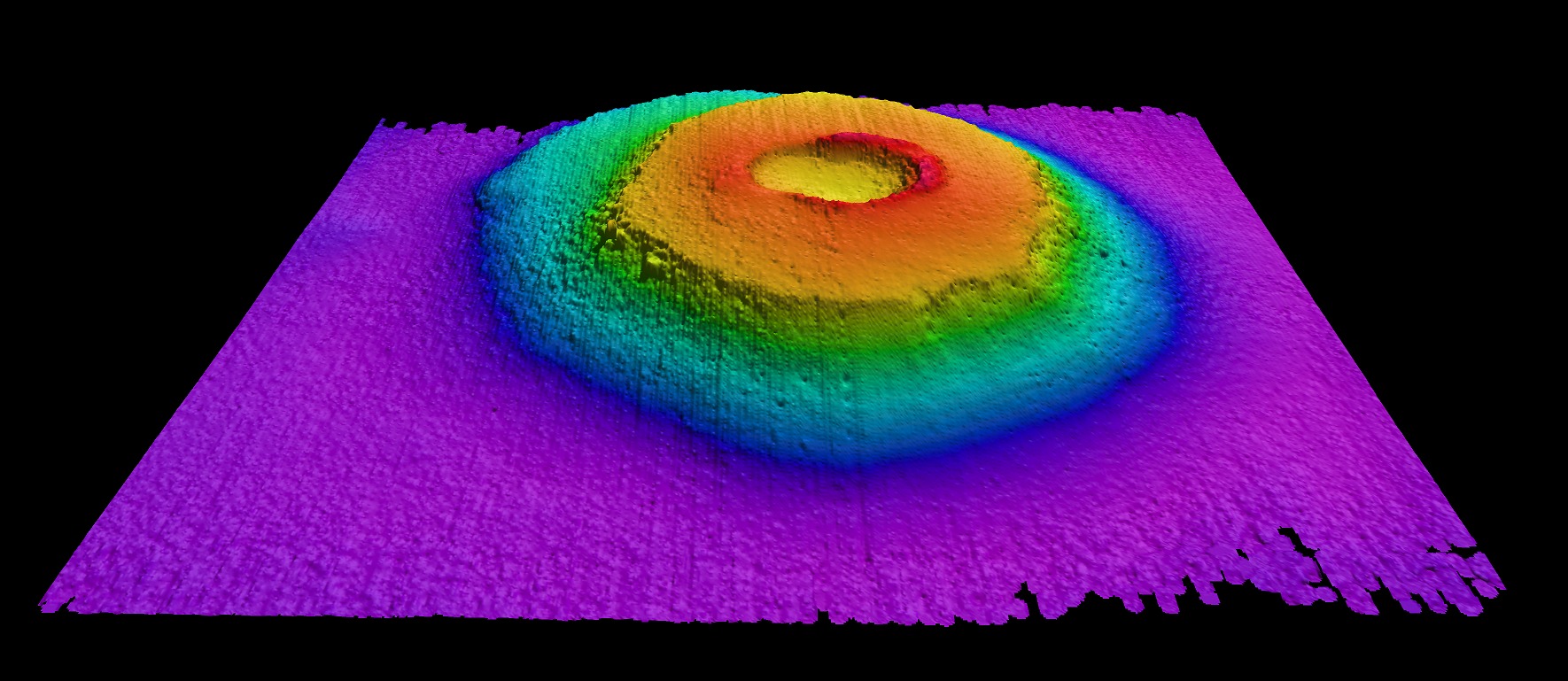
Multibeam sonar uses sound waves to create detailed, three-dimensional images of the seafloor, revealing intricate details of underwater mountains and valleys and helping scientists identify geological features. Autonomous underwater vehicles (AUVs) and remotely operated vehicles (ROVs) have enhanced our ability to explore the deep ocean, providing high-resolution imagery and samples from depths that were once inaccessible.
To date, approximately 20-25% of the ocean floor has been mapped to modern standards, with the remainder of the Atlantic Ocean floor being charted to make it the best-understood ocean on Earth. Satellites have detected more than 43,000 seamounts, but only 16,000 have been charted in detail by sonar from ships and submarines.
Massive Discovery of New Undersea Volcanoes
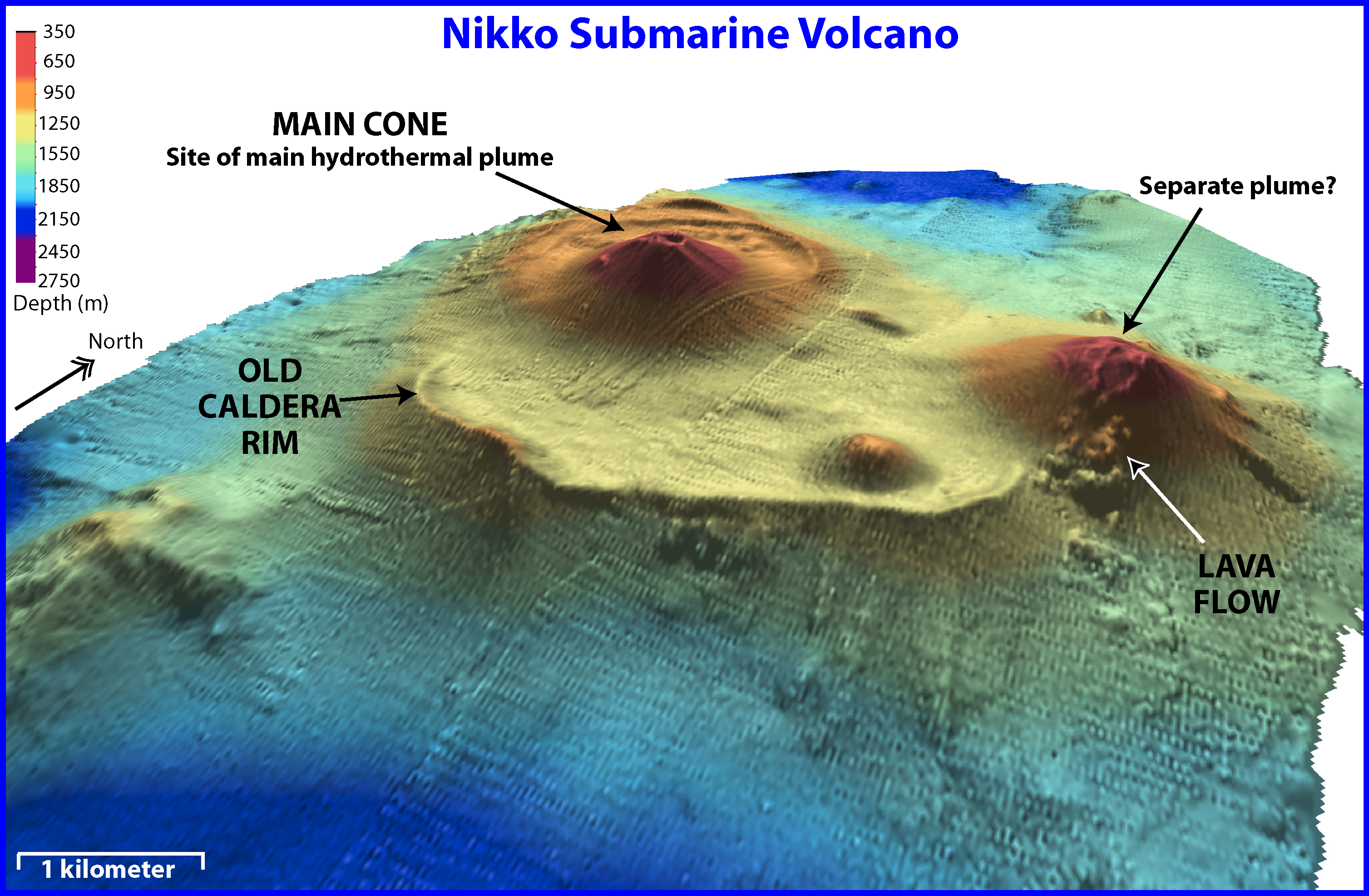
A 2011 census using satellite methods found more than 24,000 seamounts, with high-resolution radar data now adding more than 19,000 new ones. This catalog has already identified new seamounts in the northeast Atlantic Ocean that could help track the evolution of the mantle plume that feeds Iceland’s volcanoes, and spotted seamounts near a ridge in the Indian Ocean, suggesting a surprising amount of volcanism in a region once thought to be magma starved.
The size and distribution of these underwater mountains hold clues to plate tectonics and magmatism, while serving as pot-stirrers that help control large-scale ocean flows responsible for sequestering vast amounts of heat and carbon dioxide. Scientists describe the findings as revolutionary for understanding Earth’s hidden volcanic systems.
How Underwater Volcanoes Form and Erupt

Submarine volcanoes are underwater vents or fissures in the Earth’s surface from which magma can erupt, with many located near areas of tectonic plate formation known as mid-ocean ridges. As the rift widens, hot material from Earth’s mantle made up of bright green rocks called peridotites rises to fill the gap, beginning to melt by just a few percent, with the easiest-melting droplets mixing together to form streams of liquid that move upward.
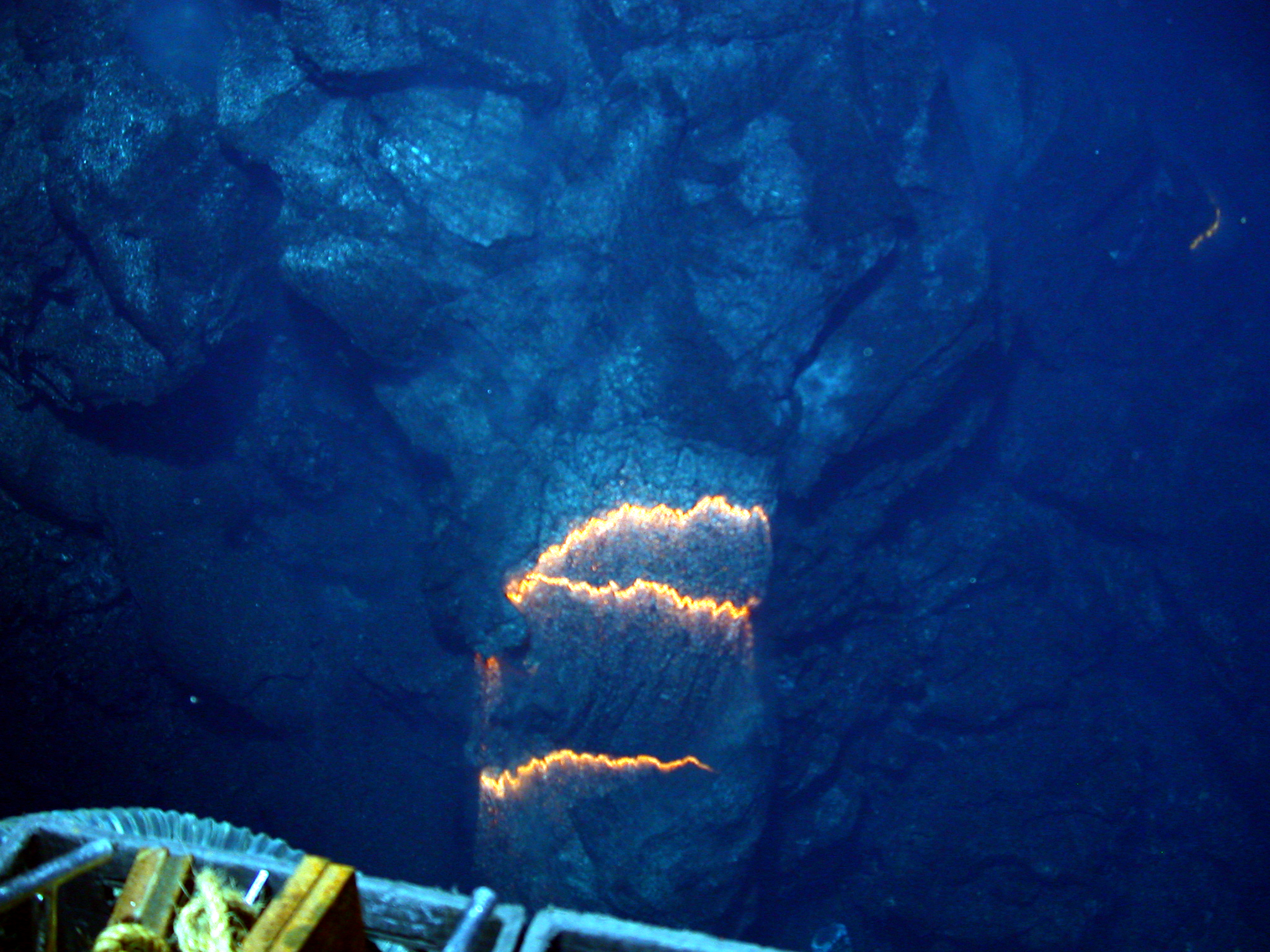
Water causes magma to cool and solidify much more quickly than in terrestrial eruptions, often turning it into volcanic glass, with a solid crust forming around the lava upon contact with water, and advancing lava flows forming what is known as pillow lava. The generated magmas are basalts, with most intruding into fractures of the stretched lithosphere, though some may erupt on the sea floor to create new oceanic crust and volcanoes along mid-ocean ridges.
The New England Seamounts: Ancient Atlantic Volcanoes
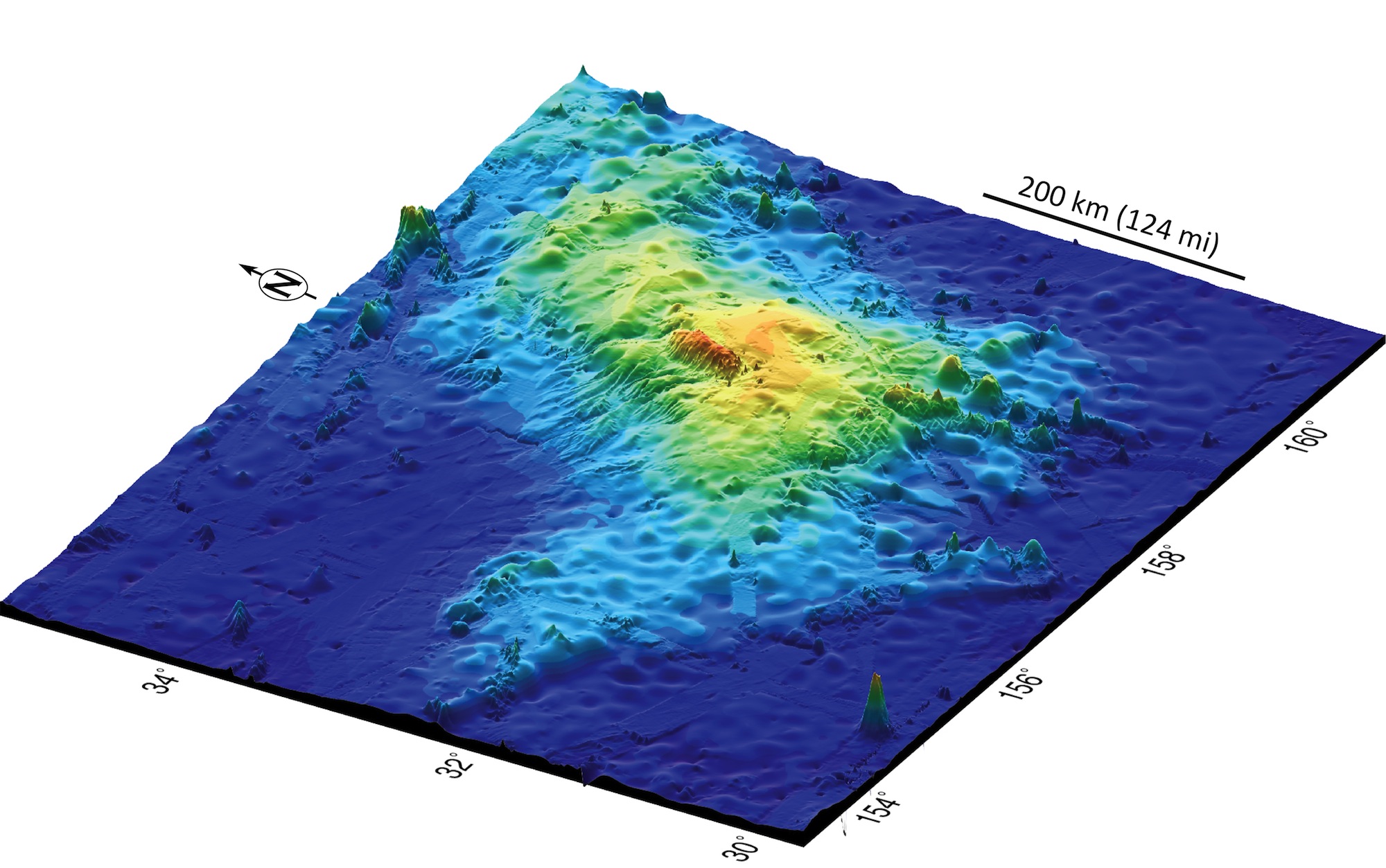
The New England Seamounts is a chain of over twenty underwater extinct volcanic mountains located off the coast of Massachusetts in the Atlantic Ocean, extending over 1,000 kilometers from the edge of Georges Bank. The New England Seamounts in the Atlantic Ocean were active between 130 and 80 million years ago, with the Corner Seamounts farther to the east forming around 75 million years ago.
There are about 25 large volcanoes that make up the New England Seamounts over a distance of about 1200 km, getting younger towards the east, with Bear Seamount at the west end being the oldest and Nashville Seamount being the youngest at about 80 million years old. The New England Seamounts were once at or above sea level, but as the chain moved farther away from the hotspot, the crust cooled and contracted, and the chain sank into the ocean with all peaks now a kilometer or more below the surface.
Volcanic Islands: Where Ocean Volcanoes Break the Surface
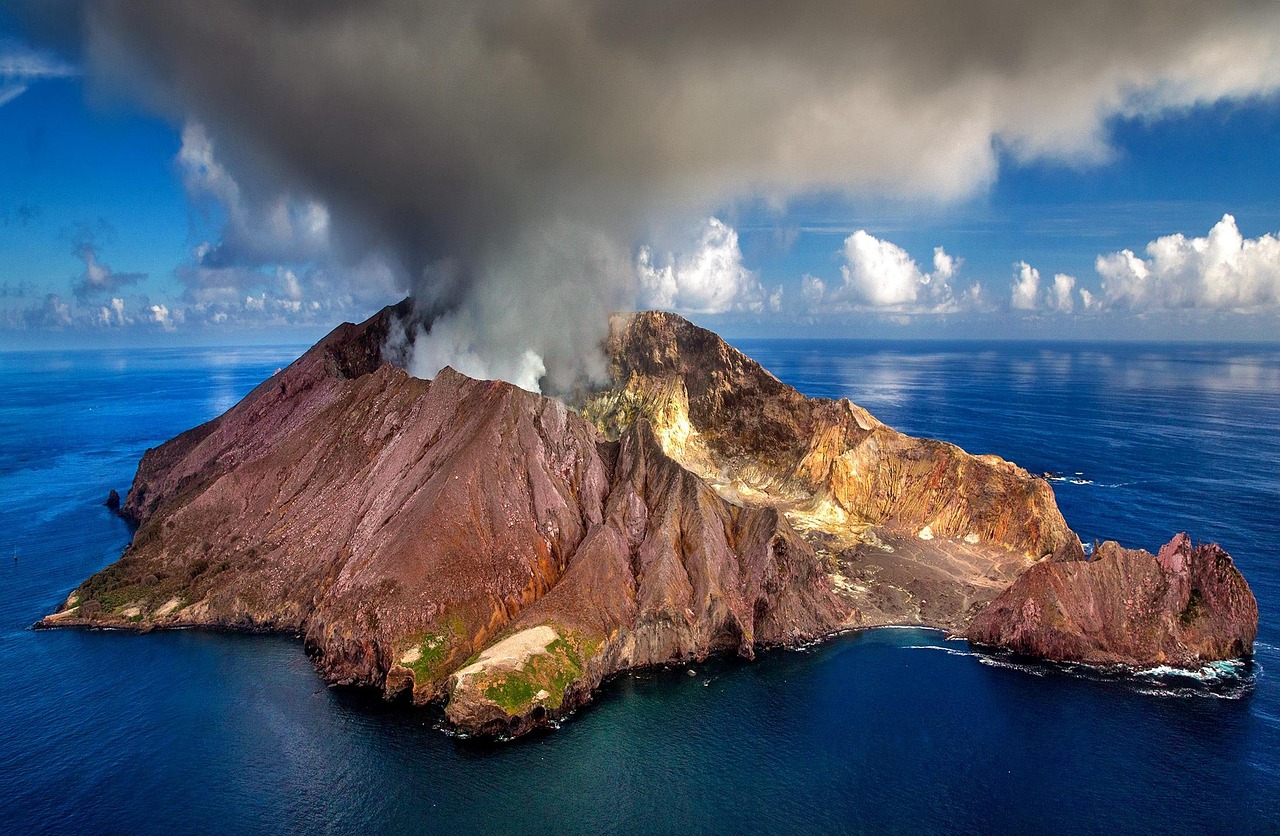
Many Atlantic islands, such as the Azores, Canary Islands, and Iceland, are the visible tips of underwater volcanoes, providing critical habitats for both terrestrial and marine species and serving as natural laboratories for studying volcanic processes. The Icelandic volcano Eyjafjallajökull that erupted explosively on April 14, 2010, straddles the Mid-Atlantic Ridge at one of the few places on Earth where a spreading center occurs on land.
Dom João de Castro Bank, located 65 km from Angra do Heroísmo, corresponds to a seamount that rises 1600 m compared to neighboring seabed with its top currently around 13 m deep, featuring an active volcanic building with significant seismic activity and a crater with important fumaroles and hydrothermal vents. This polygenetic volcano formed an island called “New Island” during volcanic activity in 1720 A.D., which has since vanished due to sea erosive action and the collapse of the volcanic cone.
Biodiversity Hotspots Around Underwater Volcanoes
Seamounts’ steep slopes resemble crowded, boisterous skyscrapers for corals and other marine life, serving as oases for biodiversity and biomass. Seamounts harbor more marine life than the surrounding seafloor because they disrupt ocean currents and cause deep waters rich in nutrients to move upwards towards the surface, while currents sweep the seafloor free of sediments so organisms like deep-sea corals can grow on the sides.
Since 2000, marine biologists have caught and classified over 203 species of fish and 214 species of invertebrates on the Bear Seamount during various exploratory studies, with this range of diversity suggesting that other seamounts may harbor more unknown macro-organisms. Scientists make the analogy of the deep-seafloor being like a desert for marine life, one that is interrupted by biological oases at seamounts.
Conclusion: A Hidden World of Fire and Life
The Atlantic Ocean conceals an extraordinary volcanic landscape beneath its surface. From the towering Mid-Atlantic Ridge to thousands of scattered seamounts, underwater volcanoes actively shape our planet’s geology and climate. These discoveries fundamentally change our understanding of Earth’s volcanic activity.
Advances in technology have opened new frontiers in our understanding of these hidden worlds, but much remains to be discovered, and by continuing to explore and protect these underwater marvels, we can deepen our knowledge of Earth’s processes. The Atlantic’s underwater volcanoes represent one of our planet’s most important and least understood geological features.
What would you have guessed about the sheer number of volcanoes hiding beneath the waves? Tell us what surprised you most in the comments.