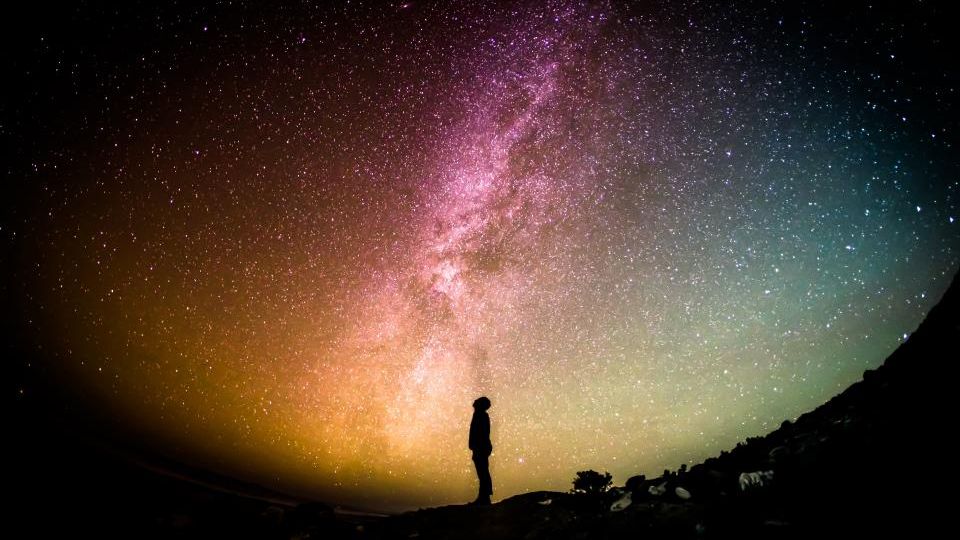

You have probably felt it at some point: a quiet sense of amazement that the universe works at all, let alone well enough for planets, people, and late-night questions about why you exist. When you look a bit closer, the numbers behind reality can seem almost uncomfortably precise, as if everything were set up on a knife-edge just so you could be here to ask about it. That eerie feeling is at the heart of what people call the fine-tuning problem in cosmology.
But there’s a twist you might not expect: many cosmologists argue you do not need a grand cosmic designer to explain why the universe looks so strangely friendly to life. Instead, the explanation may be more like a selection effect. You only ever find yourself in a universe that allows observers like you to exist, because there is simply no one around in the universes that do not. Once you see it that way, the whole debate about a “special” universe starts to look very different.
The Weird Coincidence: Why the Universe Looks So Unreasonably Hospitable
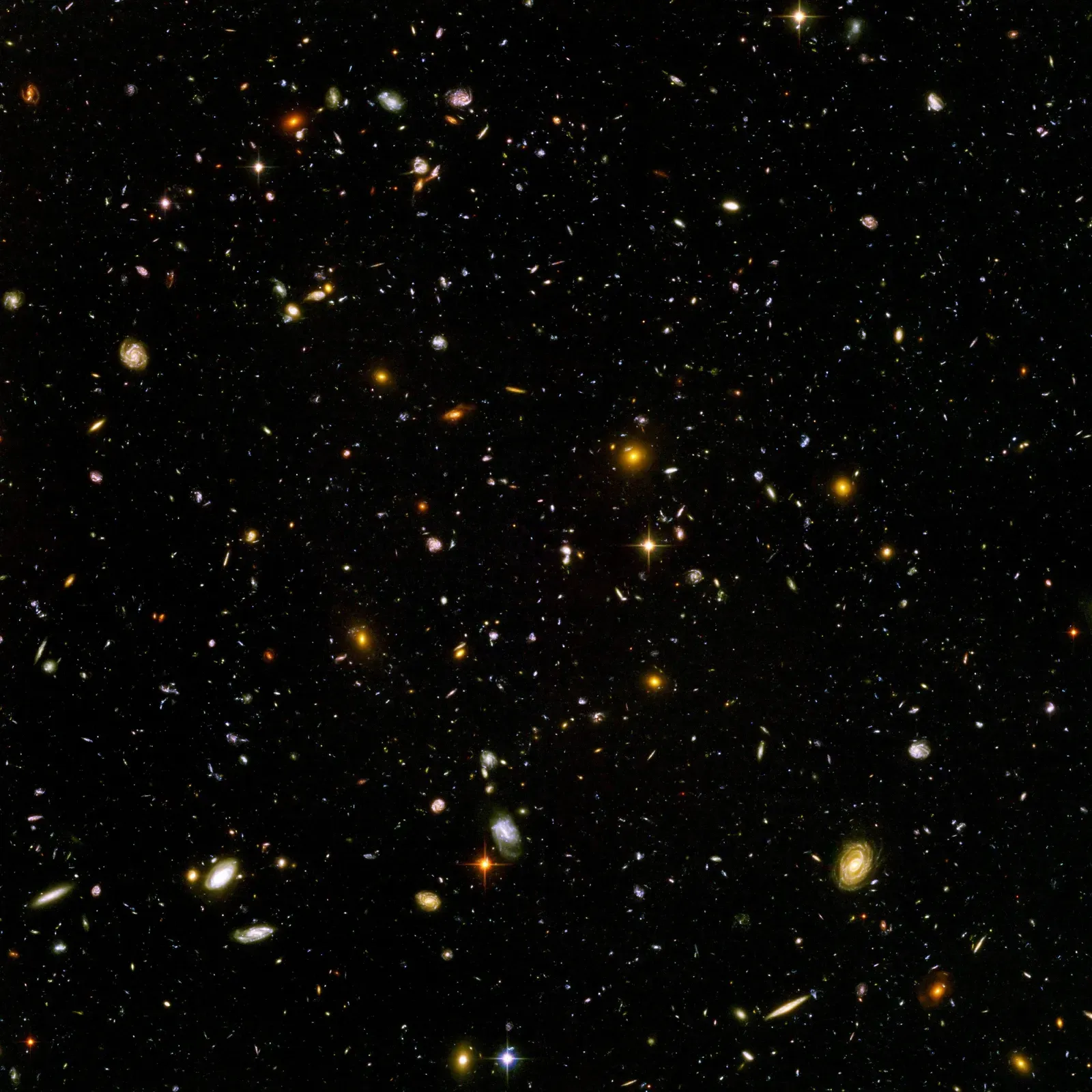
If you zoom out from everyday life and look at the basic ingredients of the universe, you run into a lot of suspicious-looking coincidences. You discover that the strength of gravity, the electric charge of the electron, the mass of the proton, and a handful of other constants all seem to sit in narrow ranges that let stars burn steadily, atoms form, and chemistry unfold. Change some of these values even a bit, and you stop getting long-lived stars or stable matter, and life as you know it never has a chance.
From your perspective, that can feel almost unsettling, like walking into a casino and discovering the roulette wheel has just happened to land on your birthday ten times in a row. You may feel nudged toward the idea that there must be an intention behind it, that such precision could not possibly be accidental. This is the raw emotional power of fine-tuning: it does not just look unlikely, it feels as if reality is conspiring in your favor, and that invites big, loaded questions about purpose and design.
The Anthropic Principle: You Only Get to Observe Survivable Universes
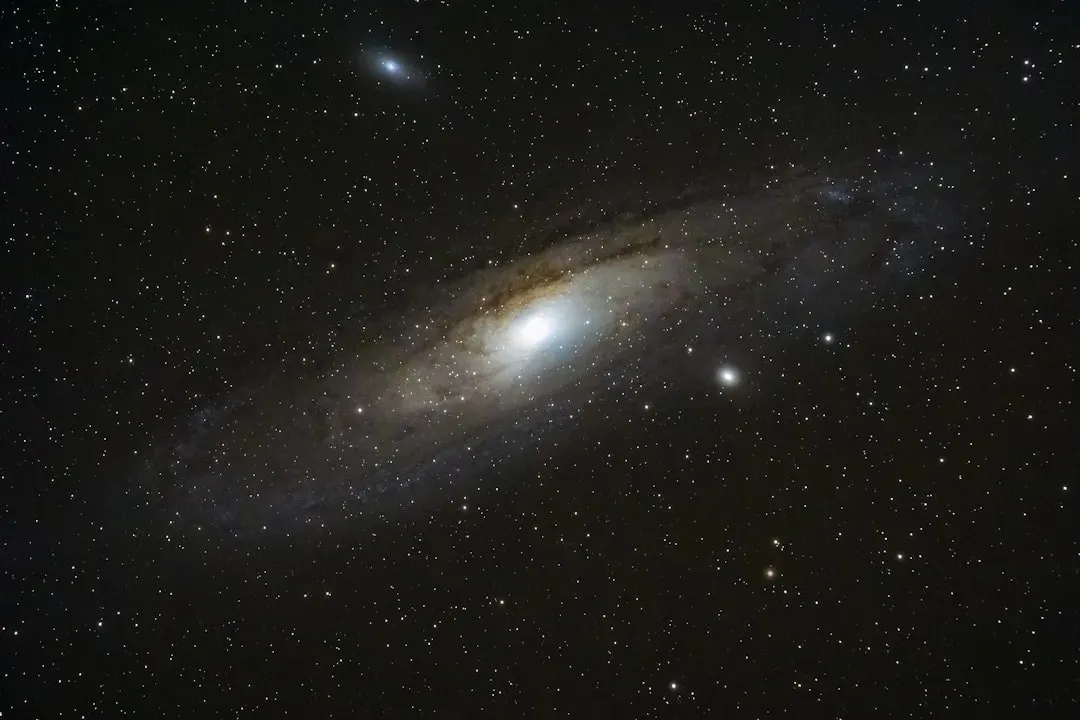
Here is where a simple but powerful idea steps in: the anthropic principle. In everyday language, it just says that any universe you find yourself in has to be one where observers like you can actually exist. That sounds almost trivial, but if you take it seriously, it completely changes how you think about those suspicious coincidences. You are not sampling from all possible universes; you are sampling only from the tiny subset that can host observers in the first place.
Think about it like looking around at buildings and noticing they all have doors at about your height. You could decide architects across history secretly worship your exact size, or you could realize you are just biased: buildings with doors too small or too high for you to use are not places you ever inhabit. In the same way, when you “look out” at the cosmos, you are automatically filtering out every universe where stars never form or chemistry never gets going, because in those universes, there is no “you” to look around.
Selection Effects: How Your Perspective Distorts What Seems Likely
A selection effect is what happens when the way you gather data changes what you think is typical. You know this intuitively from daily life: if you hang out only with marathon runners, you might start to think most people can easily run twenty miles, even though that is wildly untrue. Your sample is skewed. Cosmology takes that kind of bias and makes it cosmic, asking what happens when the only observers who can take measurements are the ones in universes that already permit their existence.
When you acknowledge that, many of the “wow, what are the odds?” moments around fine-tuning become less surprising. You were never going to wake up in a universe where galaxies never form, just like you were never going to grow up underwater and wonder why everyone around you breathes air. The fact that your universe looks strangely friendly to life may not be shocking evidence of design at all; it might simply be the inevitable outcome of only being able to notice the places where noticing is possible.
Constants of Nature: What Would Happen If the Dials Were Different?
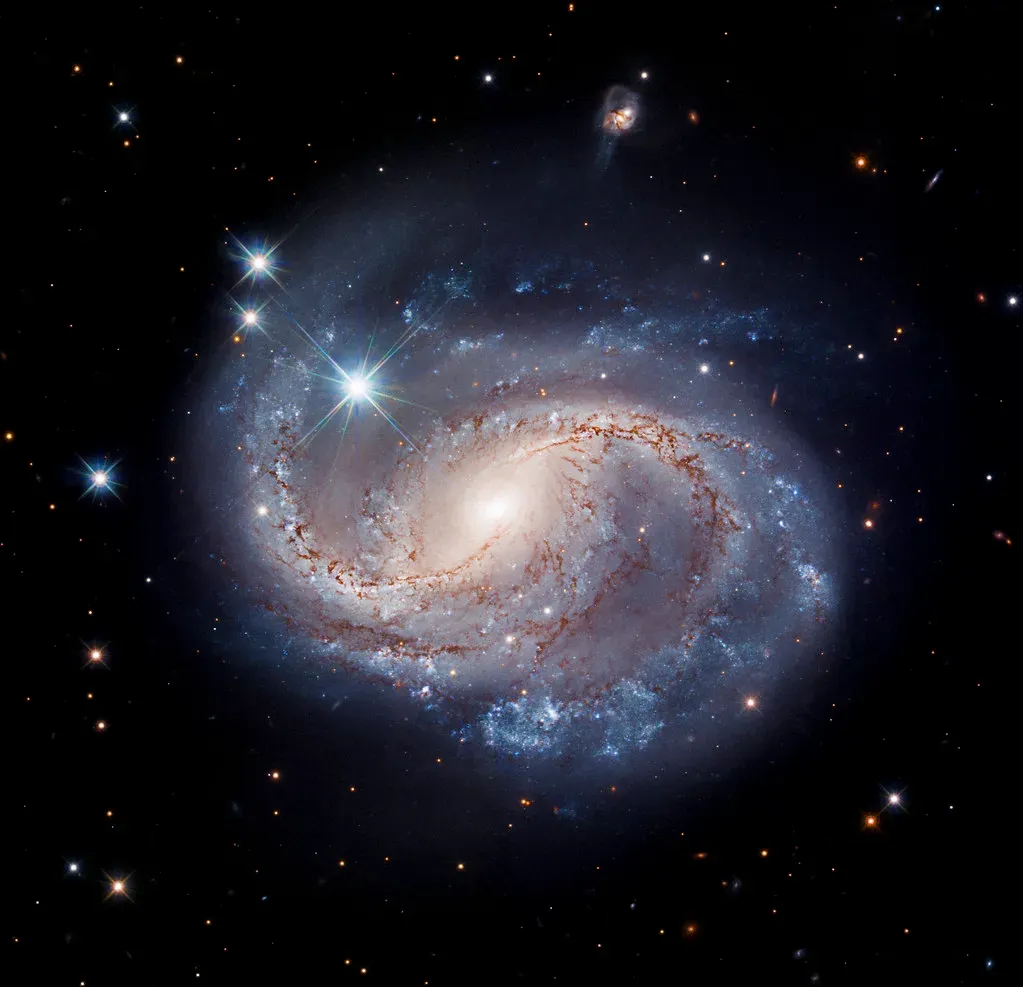
Cosmologists often talk about the fundamental constants as if they are dials on a cosmic control panel: the strength of gravity, the cosmological constant that drives cosmic acceleration, the ratio of proton to electron mass, and several others. You do not get to turn these dials yourself, of course, but you can imagine what would happen if they were set differently. In many scenarios studied by physicists, tiny shifts push the universe into regimes where stars shine too briefly, heavy elements never form, or everything collapses or blows apart too fast.
From your vantage point, that can make the actual values these constants have look uncannily tailored. Yet within the anthropic view, you are doing something like standing on the only patch of solid ground for miles and being shocked that your feet are not in the ocean. If there are many possible sets of constants, you were only ever going to show up in the narrow region where long-lived, complex structures can arise. Your surprise partly comes from forgetting all the uninhabitable possibilities where nobody is there to feel surprised in the first place.
The Multiverse Idea: Many Universes, Different Rules
The anthropic principle becomes even more interesting if you consider the possibility of a multiverse, a huge patchwork of regions where the laws or constants of nature take different values. Some inflationary models in cosmology suggest that new regions of space can bubble off with their own properties, like different levels of a branching game where each new level has new rules. You have no direct way to step into those other regions, but the idea that they exist gives you a natural pool of possibilities from which your own universe could be one draw.
In that picture, you do not need to assume your universe was carefully adjusted in advance. Instead, you treat it more like one winning lottery ticket among a vast sea of losing ones. You wake up holding the winning ticket, but only because being born in a losing universe is not an option; there are no observers in those. So from the inside, it looks inevitable that your ticket has the right numbers, even though, from an outside god’s-eye view, most tickets across the multiverse might be completely barren.
Design vs. Anthropic Reasoning: How to Avoid Over-Interpreting the Data
When you see astonishing coincidences, your mind is wired to reach for intentional explanations. If you walk into a room and every clock shows your birth time, you assume someone did that on purpose. With the universe, it is tempting to do the same, to jump from “these constants are just right for life” to “there must be a tuner.” The anthropic principle pushes you to slow down, to notice that you never had a chance to sample universes where you do not exist, and that this built-in bias can make chance outcomes look meaningful when they are not.
This does not mean cosmology proves there is no deeper purpose or design; science is not equipped to settle that kind of philosophical or theological claim. What it does mean is that you do not need a design hypothesis to explain why your universe looks so oddly comfortable. Once you account for selection effects and the possibility of many unrealized universes, the fine-tuning that once demanded a designer starts to look like something you should have expected all along from your limited, observer-dependent viewpoint.
What You Can and Cannot Infer from a Life-Friendly Universe
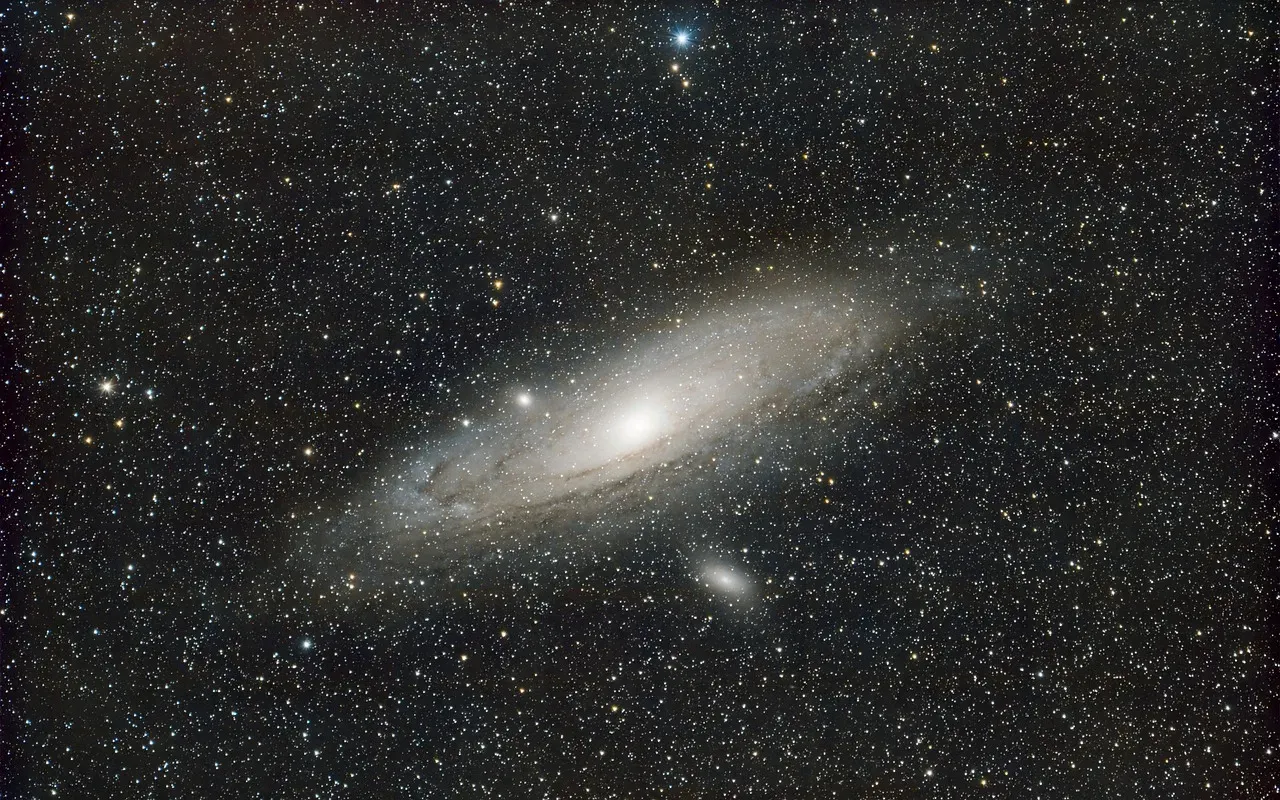
It is tempting to treat the life-friendly nature of the universe as a clue pointing toward some hidden story about why you are here. You may feel that because the constants look tuned to allow your existence, they must somehow be about you, as if the script of reality had you in mind from the beginning. The anthropic perspective tells you to be more cautious. All you can safely infer is that you happen to be in a universe where conditions permit beings like you to ask questions; you cannot reliably read purpose into that fact.
This is a bit like waking up in a hotel and noticing the bed fits your body perfectly. You could decide the room was custom-built for you personally, or you could recognize that millions of rooms were built to roughly fit lots of people, and you only ever wake up in the subset where that works. With the cosmos, your existence filters where you can possibly find yourself. That filter is powerful enough to produce a universe that looks welcoming without committing you to any grand conclusion about why it is that way.
Living with Cosmic Chance: Meaning Without Cosmic Intent
All of this might leave you with a strange mix of feelings. On one hand, the anthropic argument can feel deflating, as if it takes a universe that looked deeply meaningful and turns it into a statistical inevitability. On the other hand, it can also feel strangely liberating. You are no longer pressured to read hidden messages into the constants of nature, or to treat every cosmic coincidence as a coded signal about your destiny. Instead, you can see yourself as the outcome of a universe that simply allows complexity to arise and evolve under impersonal rules.
That does not stop you from creating your own meaning; it just shifts where you look for it. Instead of expecting purpose to come baked into the laws of physics, you find it in relationships, projects, discoveries, and small choices that only matter because you care about them. The idea that the universe is not designed specifically for you does not make your life smaller; it can make your freedom to define value feel larger. You get to decide what a universe like this is worth to you, even if its underlying structure does not have you singled out in advance.
Conclusion: Seeing Fine-Tuning Through the Eyes of an Observer
When you step back from the equations and thought experiments, the core message is surprisingly down to earth: you are an observer in a universe that permits observers. That sounds almost insultingly obvious, but it has deep consequences for how you interpret the apparent fine-tuning of the cosmos. What looked like suspicious evidence of careful design can instead be understood as the natural bias of your perspective, filtered through selection effects and, possibly, a much larger landscape of universes you will never see.
Instead of asking why the universe is so perfectly made for you, you can flip the question and ask why you are the kind of being that could only exist in a universe like this. That change in viewpoint does not answer every philosophical question about purpose, but it does give you a way to think about fine-tuning that does not lean on hidden intentions or cosmic favoritism. In the end, you find yourself in a universe that is just life-friendly enough for you to notice how strange it is – and perhaps the real mystery is not why it is that way, but what you choose to do now that you are here to notice it at all.