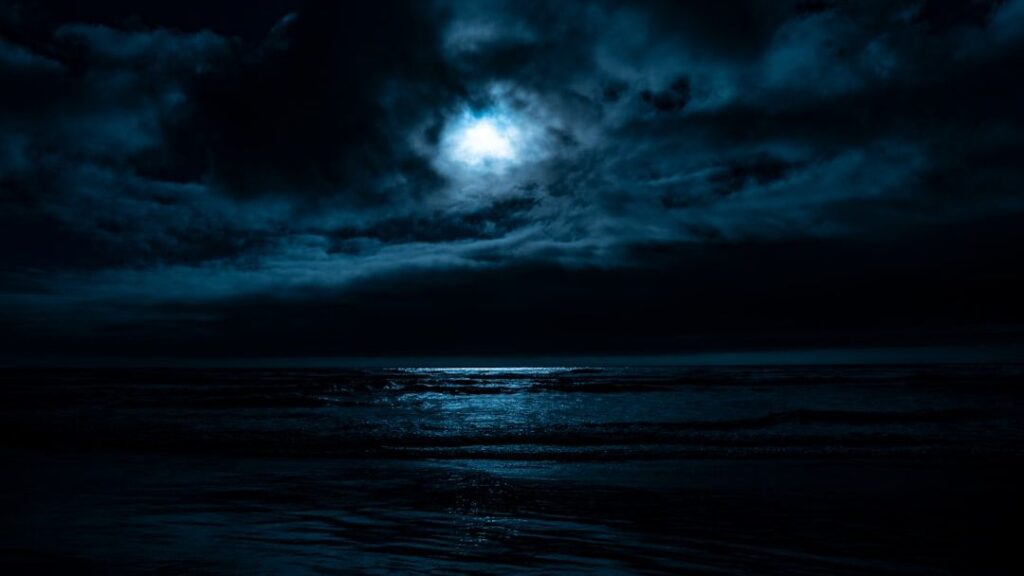

You have probably done this a hundred times without thinking: stepped outside at night, looked up for a second, seen a scattering of stars on a dark backdrop, and then gone back inside. It feels obvious that the sky at night is black, like it is just a blank canvas someone forgot to finish painting. But to a cosmologist, that darkness is not boring at all; it is shocking, puzzling, and deeply revealing. It is a cosmic riddle that quietly screams a message about the universe’s age, structure, and history.
Once you hear the puzzle stated clearly, it is almost unsettling. If space is filled with countless stars in all directions, why is the night sky not as bright as the surface of the Sun in every patch you look at? Why is there any darkness at all? The fact that there is blackness between the stars is not just a pretty backdrop for constellation apps and long-exposure photos. It is a clue so profound that, long before precision telescopes and satellites, it hinted that the universe cannot be static, infinite, and unchanging. We have been walking under a live status update from the cosmos every single night, and most of us never realize it.
The Weird Question Almost No One Thinks to Ask
At first glance, asking why the night sky is dark sounds a bit silly, like asking why water is wet. It just is. When I first encountered this question, it felt almost like a trick; how could something so obvious hide something so deep? But that is exactly what makes it so powerful. The everyday-ness of a dark sky makes it invisible as a problem until someone forces you to stare at it and really think.
Imagine walking into a dense forest in the middle of the day. No matter where you look, your line of sight will eventually hit a tree trunk. Space, filled with stars and galaxies, ought to be similar. If stars were spread out more or less evenly forever in all directions and had always been shining, then every line of sight should end on a star. The sky, in other words, should blaze with light. The fact that you see blackness instead of an unbroken sea of white is not just a curiosity; it is a sign that at least one of your naive assumptions about the cosmos must be wrong.
Olbers’ Paradox: When “Infinite” and “Eternal” Fall Apart
This puzzle has a name: Olbers’ paradox, after the nineteenth-century German physician and astronomer Heinrich Olbers who popularized it. The paradox can be summed up like this: in an infinite, static universe filled uniformly with stars that have always existed, the night sky should be infinitely bright. That conclusion is deeply at odds with what we actually see, which is mostly darkness punctuated by pinpricks of light. The paradox exposes a clash between simple assumptions and reality.
What makes Olbers’ paradox so useful is that it corners you logically. If the universe truly were infinite in size, filled with stars everywhere, and eternal in time, then dimmer, more distant stars would still contribute light. The farther you go, the more stars you collect in each shell of space, and those shells stack without limit. Even though individual stars get fainter with distance, there would be so many of them that their total light would add up to a uniformly bright sky. The mismatch between that expectation and our dark sky is the universe’s way of saying: one or more of those assumptions – static, eternal, infinite in the simple sense – has to go.
Why Dust and “Maybe We Just Can’t See Them” Don’t Solve It
![Why Dust and “Maybe We Just Can’t See Them” Don’t Solve It ([1], CC BY-SA 3.0 us)](https://nvmwebsites-budwg5g9avh3epea.z03.azurefd.net/dws/d57f6912addf61de9cb112f30730d6c7.webp)
When people first hear Olbers’ paradox, a very natural response pops up: maybe space is just full of dust blocking the light. On the surface, that sounds reasonable; after all, fog can dim car headlights and clouds can hide the Sun. But if you let starlight shine on dust for long enough, that dust heats up and starts glowing too. Over cosmic time, the dust would not permanently hide the stars; it would re-radiate the energy and still make the sky bright in some part of the spectrum. Hiding light forever is harder than it sounds.
Another instinctive explanation is that maybe most stars are just too far away and too faint to notice. Distance certainly makes individual stars dim, but remember that in the hypothetical infinite, eternal universe, you have more and more volume as you look farther out. For every factor of two increase in distance, the number of stars in that spherical shell grows roughly like the square of that distance. The math does not let you escape: if the universe were truly infinite, static, and old without limit, there would be enough stars to fill the sky with light, no matter how faint each one looks from far away. The darkness demands a more radical rethink.
The Real Answer: A Finite Age and a Dynamic, Expanding Universe
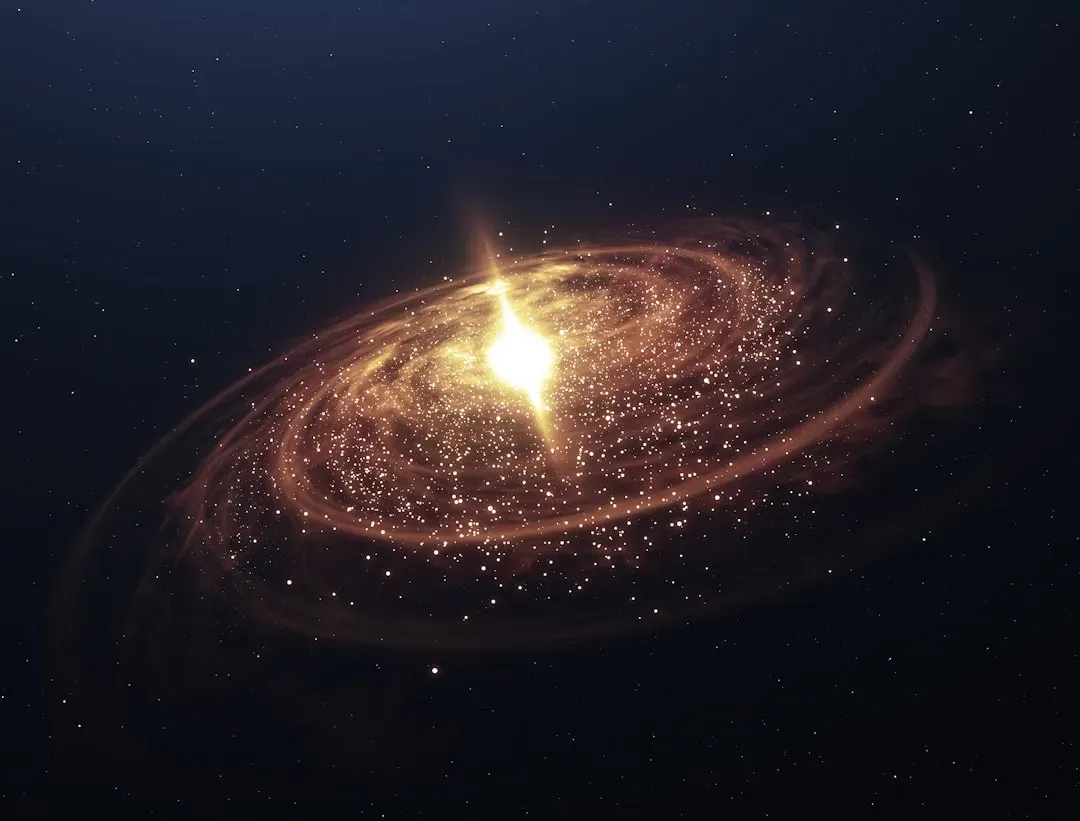
The key that unlocks the paradox is time. The universe has not been around forever; it has a finite age, on the order of many billions of years. That means there is a cosmic light horizon: we can only see light that has had enough time since the beginning of the universe to reach us. Some regions are simply too far for their light to have arrived yet. Darkness between the stars is, in a very real sense, the silence from places whose stories have not yet had time to be heard.
On top of that, the universe is not static; it is expanding. Space itself is stretching, and with that stretch, the light traveling through it gets stretched too. Photons that left very distant galaxies as visible light arrive here as faint, lower-energy infrared or microwave radiation. Instead of filling the night with blinding white starlight, much of the energy from the early universe has been shifted into wavelengths our eyes cannot see. The dark sky above your backyard is thus a direct, everyday consequence of living in a universe that began at a definite time in the past and has been expanding and cooling ever since.
How the Cosmic Microwave Background Hides in Plain Sight
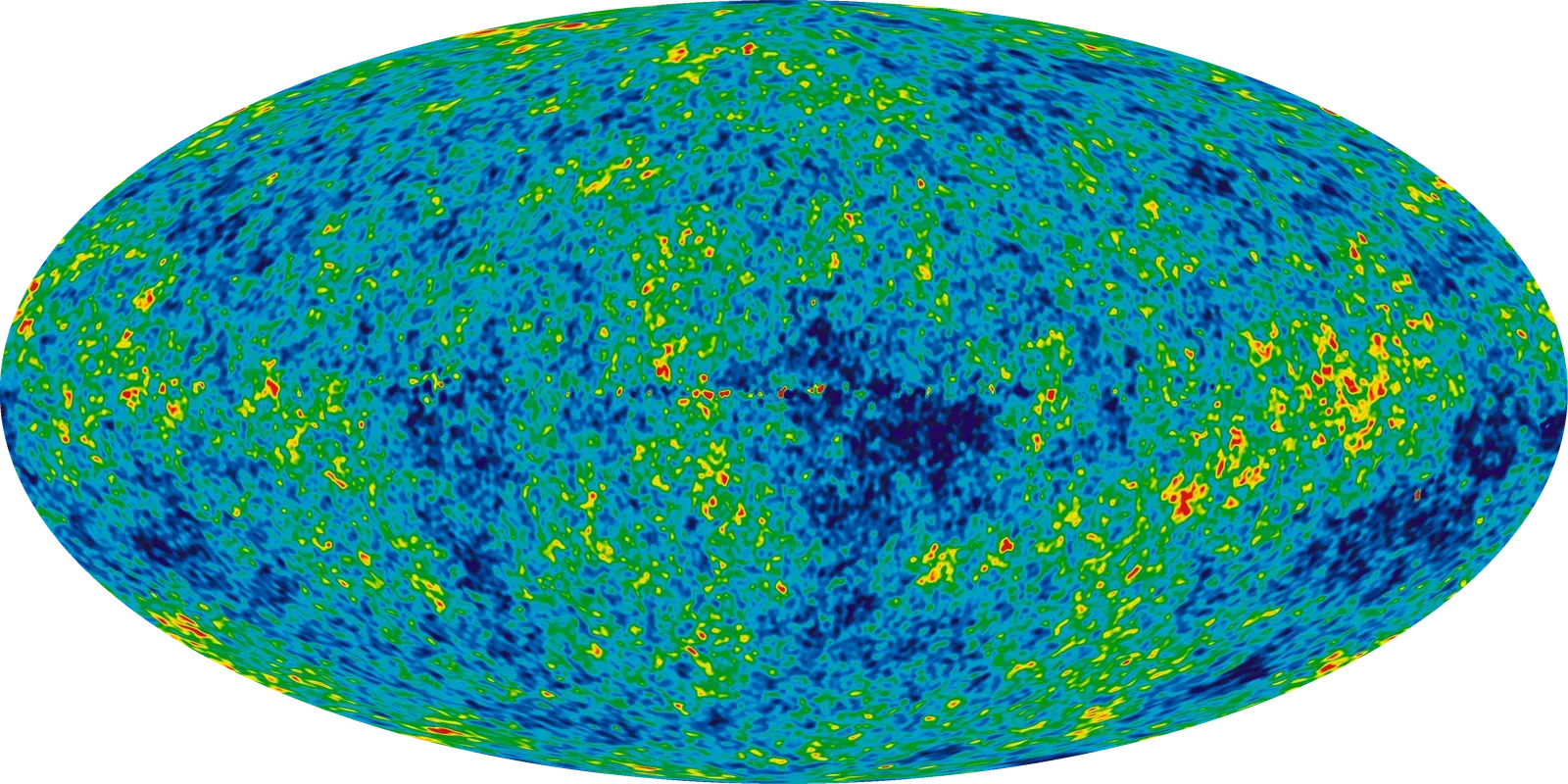
If the night sky is dark to your eyes, it is not dark to the right kind of detector. Roughly three hundred and eighty thousand years after the Big Bang, the universe cooled enough for electrons and protons to combine into neutral atoms, letting light travel freely for the first time. That light has been streaming through space ever since, stretched by expansion from a blistering, high-energy glow into a faint, nearly uniform bath of microwave radiation that fills all of space. This relic glow is known as the cosmic microwave background, and it is like the afterimage of the universe’s early fireball phase.
To your senses, that ancient light is invisible; it does not turn the night sky visibly bright because its energy has been stretched into microwave wavelengths that your eyes cannot detect. Yet it is everywhere, even in the direction that looks utterly black between the stars. Radio telescopes and satellite missions have mapped this background in extraordinary detail, finding tiny temperature variations that tell us about the early clumpiness of matter. To me, there is something quietly mind-blowing in the idea that when you look into a patch of “empty” night sky, you are actually staring through a faint, all-encompassing glow from the young universe itself, hidden just beyond your biological sensors.
Darkness as Direct Evidence the Universe Had a Beginning
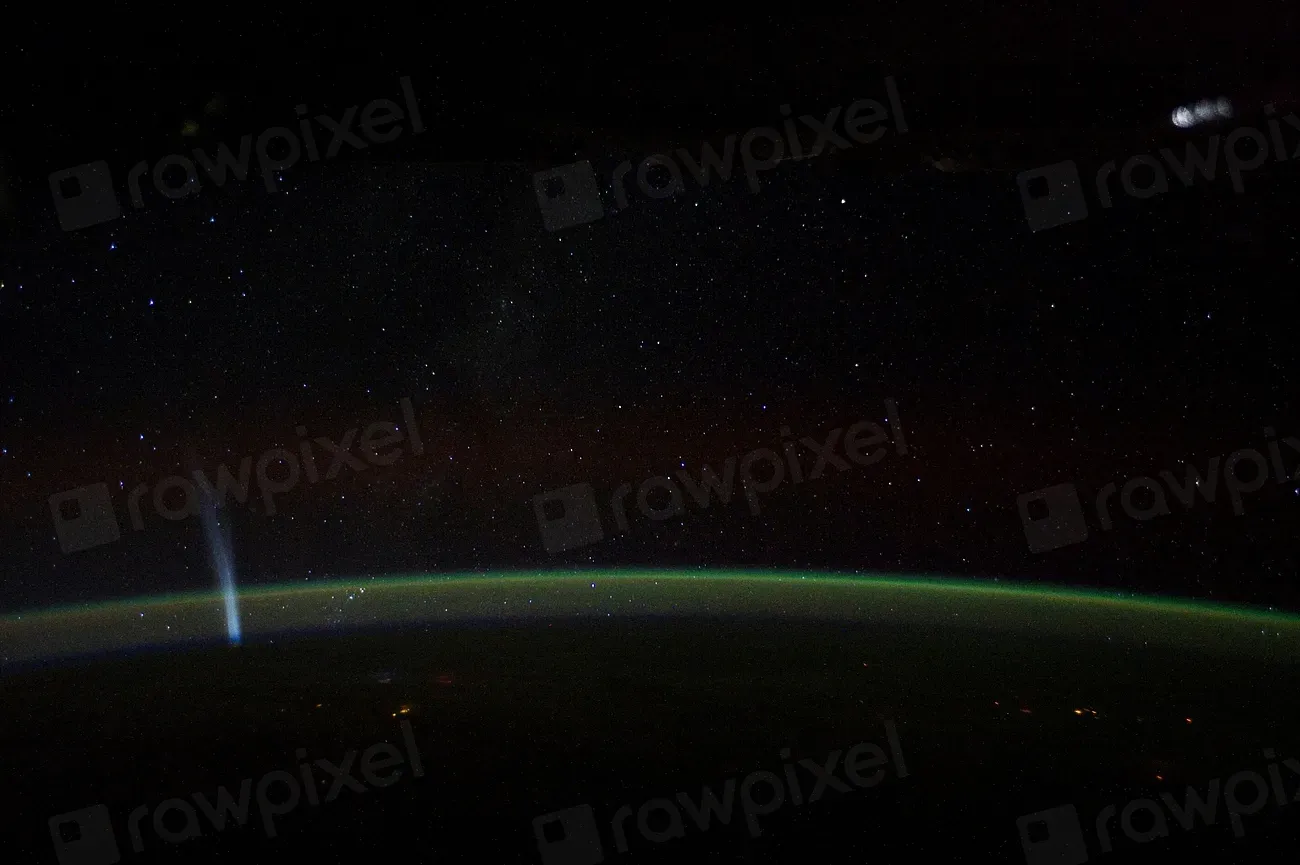
Here is where things become philosophically heavy. The dark night sky tells you, in a straightforward way, that the universe cannot have been shining forever. If it had, that endless accumulation of starlight would have erased the darkness by now. The only way to keep the sky dark is if the luminous objects have only been shining for a finite amount of time, or if there is some horizon beyond which light has not reached us yet, or both. In modern cosmology, both of those ideas are true: the universe has a finite age, and there is a horizon to what we can observe.
This is not just abstract theory; measurements back it up. Observations of distant galaxies show that the farther away they are, the faster they appear to be receding, a pattern that points to a universe that was denser and hotter in the past. When we roll the cosmic clock backward using these observations, we reach a time when the entire observable universe was packed into an incredibly hot, dense state. The dark sky above your neighborhood is therefore a fingerprint of that story. It is a quiet, everyday confirmation that we live in a universe with a beginning, not in a static, changeless forever.
What a Dark Sky Reveals About Scale, Time, and Our Place
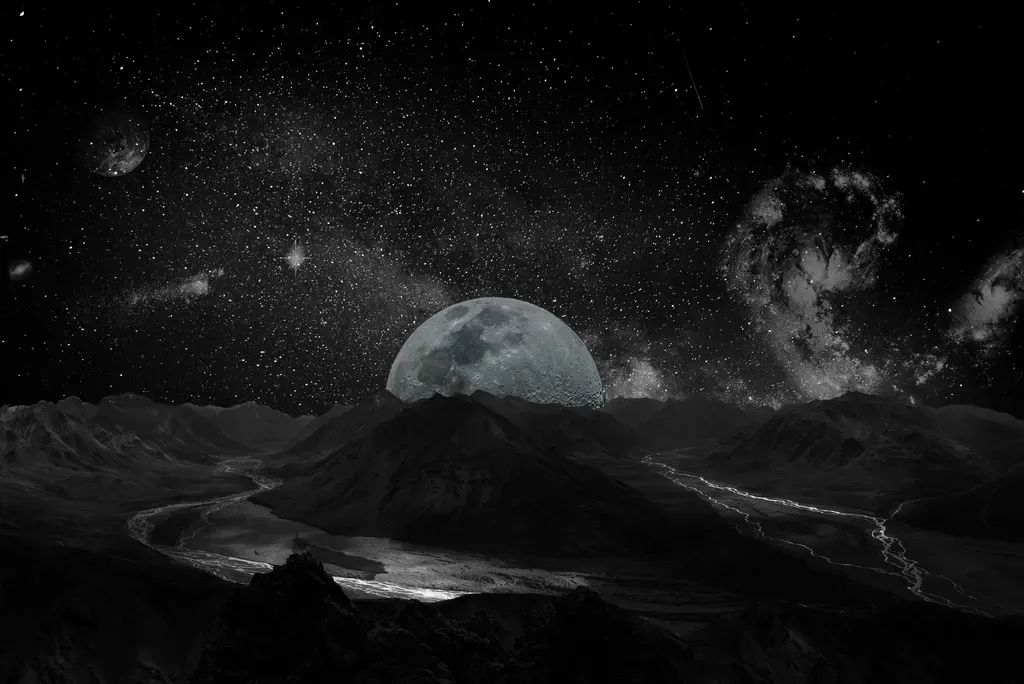
Once you absorb what the darkness is telling you, it becomes hard to see the night sky as just a backdrop. The blackness is not empty; it is an absence that points to finite time and to regions beyond our current reach. It whispers that there are galaxies whose light has not had enough time since the beginning to arrive here, not because we lack technology, but because of the way spacetime itself works. The darkness is shaped by cosmic history, not by human limitations.
On a more personal level, standing under that dark dome can make your own timescale feel tiny in a strangely comforting way. Human lifetimes are like brief sparks compared to the billions of years encoded in the sky’s silence. When I look up and remember that the darkness itself is evidence of a universe that began, evolved, and will keep changing long after I am gone, it shifts the weight of everyday worries a bit. Our dramas unfold in a thin slice of cosmic time, under a sky that is still in the process of lighting up fully. Somehow, that makes our moments feel both fragile and precious.
Why This Everyday Clue Might Be the Most Underrated Idea in Cosmology
If you ranked the big ideas in cosmology, the dark night sky as a clue about the universe’s age and history would belong near the top, yet most people never hear about it outside of a classroom or a science article. There is something almost poetic about that. The universe hands us this elegant, easily observable piece of evidence – no telescope required, just a clear night – and we mostly ignore it. In a culture that often equates “big” with “loud” and “complex,” this subtle, quiet clue feels underrated.
Personally, I think Olbers’ paradox and its resolution deserve far more attention than they get, precisely because they are so accessible. You do not need advanced math to appreciate the logic: if infinite, eternal, uniformly filled with stars, then bright sky; we see dark sky; therefore, those assumptions cannot all be right. Hidden in that simple chain of reasoning is the seed of the modern picture of a dynamic, finite-age universe. The next time you step outside at night and see more black than stars, you are not just looking at emptiness; you are looking at the universe admitting, in the plainest possible way, that it had a beginning and that its story is still unfolding. Did you ever imagine that the quiet darkness above your head was saying something that big?