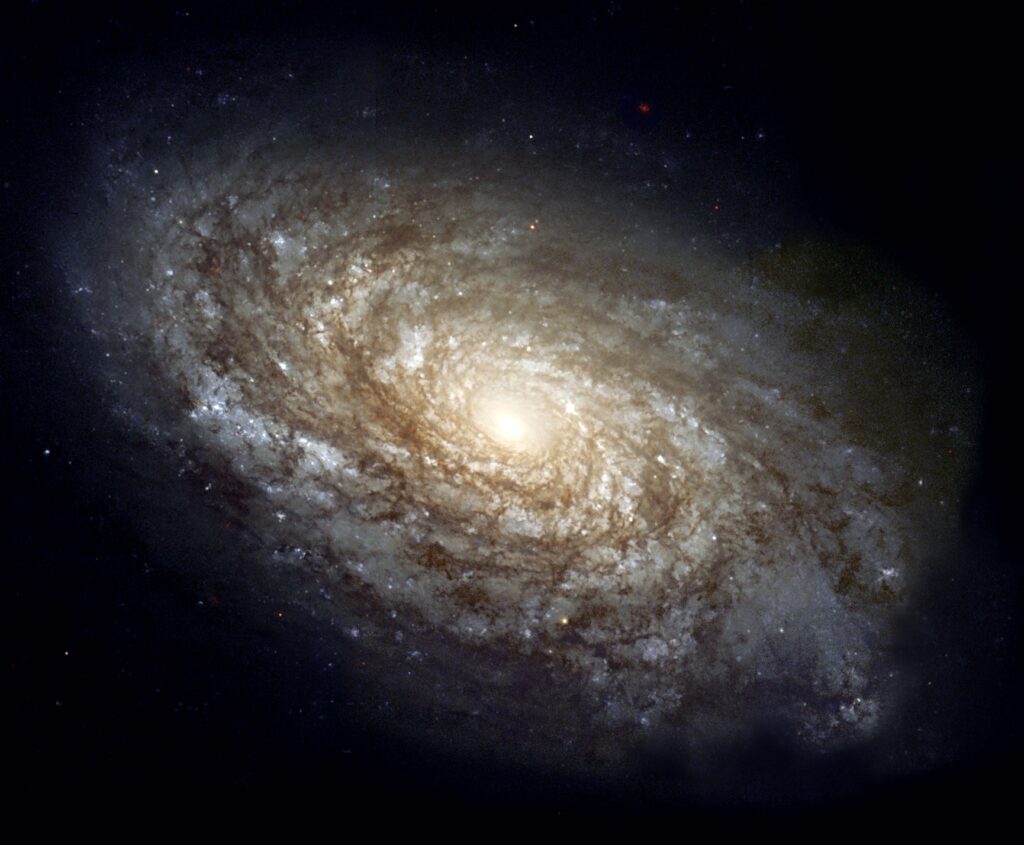

If you could zoom all the way out from your life, past Earth, past the Milky Way, and even beyond the nearby galaxies, you’d discover something quietly staggering: you, right now, are in motion toward a gigantic, unseen gravitational monster. Astronomers call it the Great Attractor, and the wild part is that your entire galaxy is flowing toward it like a leaf caught in a cosmic river. You do not feel it, you cannot see it, but every atom in your body is part of this slow, relentless drift across the universe.
That sounds like science fiction, yet it is one of the real, unsettling truths of modern cosmology. Because this thing is buried behind the plane of our own galaxy, hidden by dust, gas, and stars, you cannot just point a telescope at it and snap a clean picture. Instead, you have to infer its existence from how galaxies move, like watching floating buoys on an ocean to guess where an undersea vortex must be. Once you see the pattern, it is hard not to feel a little awed – and a little small.
You Are Not Sitting Still in Space (Not Even Close)

You might think of yourself as mostly stationary: you sit at your desk, your house sits on Earth, Earth orbits the Sun, and so on. But if you keep zooming out, you find that the Milky Way itself is racing through space at hundreds of kilometers per second relative to the cosmic microwave background, the leftover glow from the Big Bang. In other words, your galaxy is not calmly hanging in a void; it is tearing along a kind of cosmic highway.
When you measure the motion of the Milky Way relative to that ancient background light, you see a clear directional shift, like a headwind against your face telling you which way you are actually moving. That motion is not random. Part of it comes from the gravitational pull of nearby galaxy groups and clusters, but a big chunk points toward a region of the sky in the general direction of the constellations Centaurus and Hydra. You are already in the stream, carried along whether you like it or not.
What Astronomers Mean by a “Great Attractor”
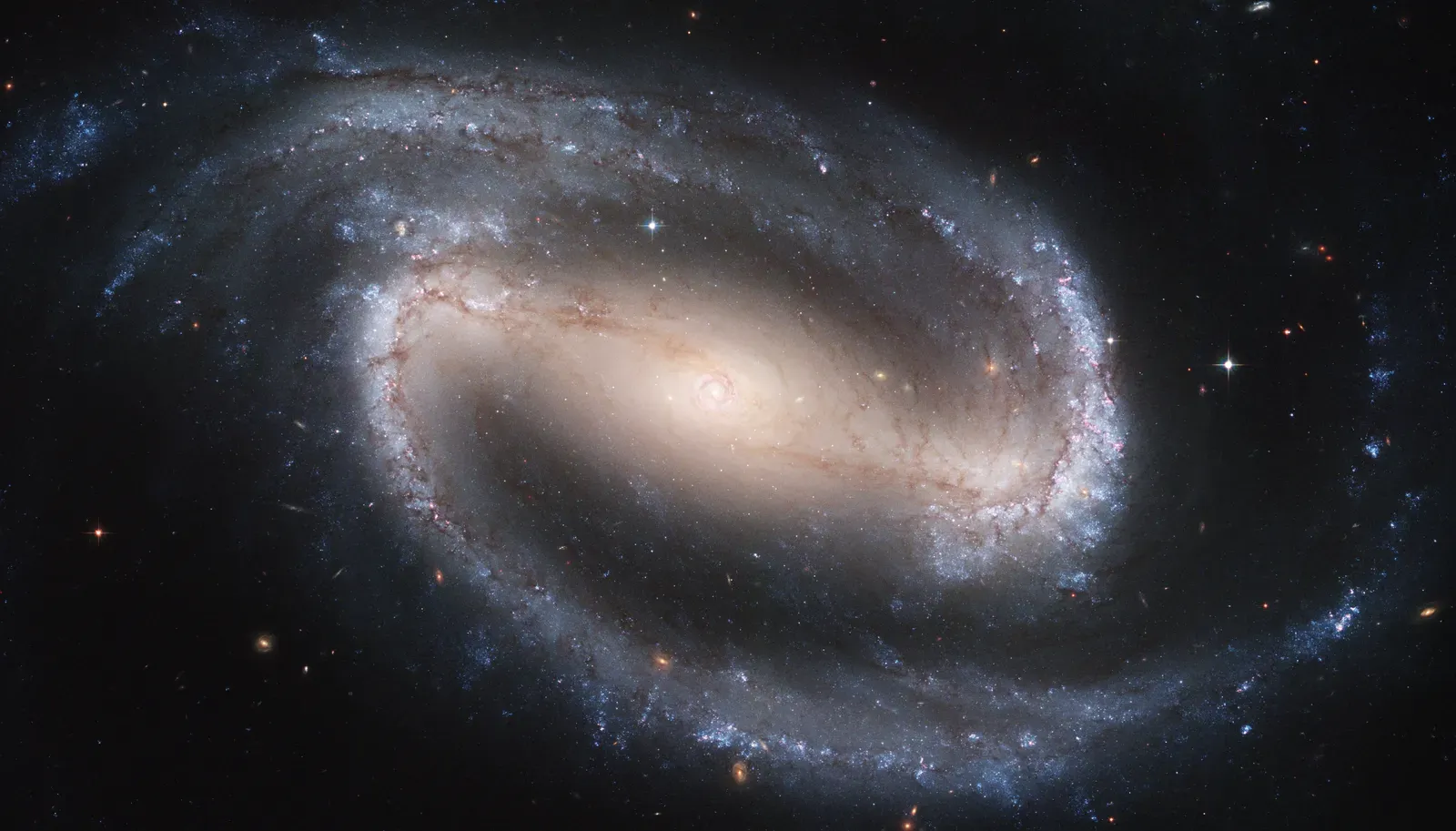
When cosmologists talk about the Great Attractor, they are not necessarily describing a single object like a lone supermassive black hole. Instead, you can think of it as a huge region of enhanced mass density – galaxy clusters, dark matter, gas – whose combined gravity tugs galaxies over tens or even hundreds of millions of light‑years. It is more like a deep valley carved into the fabric of space, and your galaxy is a marble rolling down its slope.
You notice its presence through a phenomenon called peculiar velocity, which is just the extra motion galaxies have on top of the general expansion of the universe. If the universe were expanding smoothly, galaxies at a given distance would all recede at roughly the same rate. But when you map them out, you find some are speeding up toward one patch of sky more than they “should.” That excess flow is what led astronomers to name this gravitational sink the Great Attractor – because in the language of motion, it really does act like a magnet for whole galaxies.
Why You Cannot See It: The Zone of Avoidance Problem
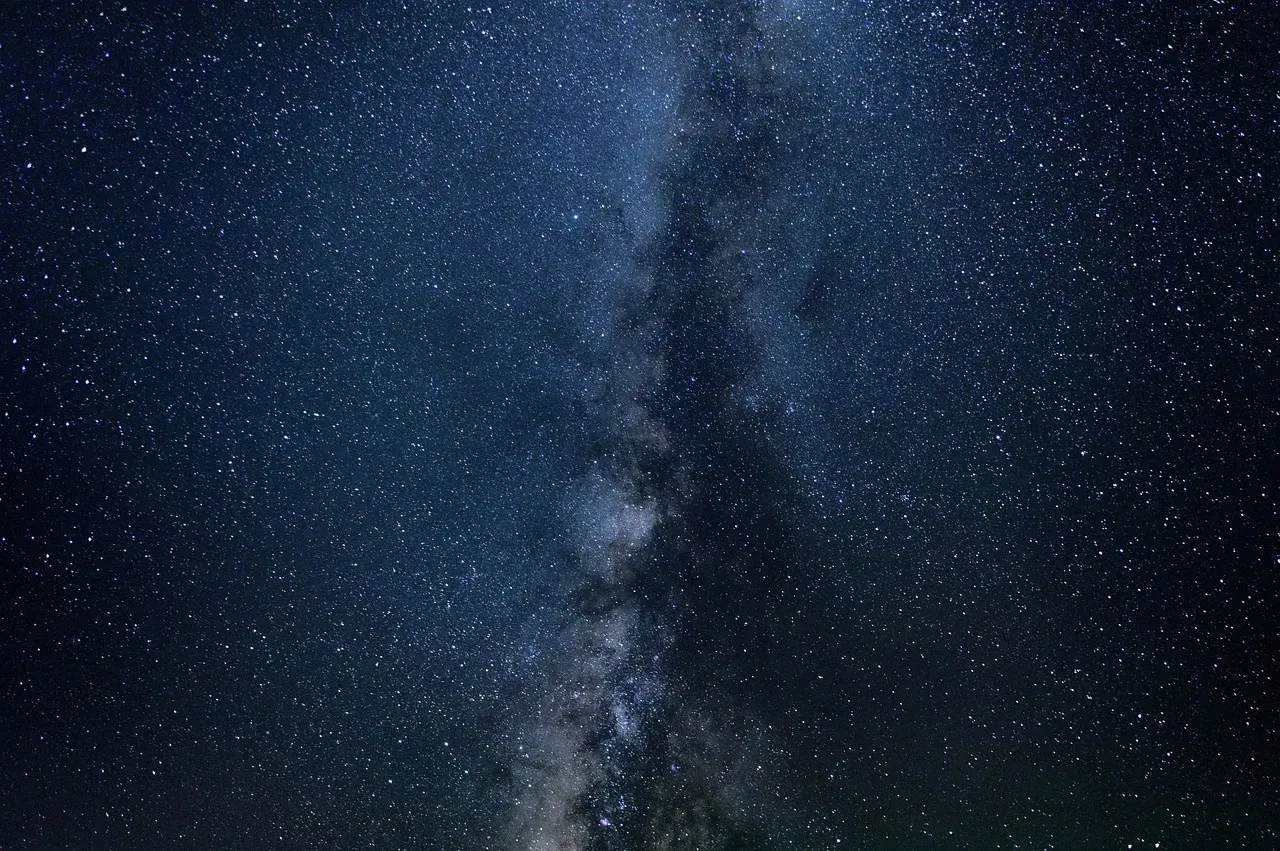
So if something so massive is pulling your whole galaxy, why have you never seen impressive pictures of it? The answer is annoyingly simple: your view is blocked by your own Milky Way. The Great Attractor lies behind the dense band of stars, dust, and gas that you see as the Milky Way stripe in the night sky. That region is ominously nicknamed the Zone of Avoidance because visible‑light surveys avoid it; there is just too much clutter in the way.
Imagine trying to study a distant mountain range while standing in the middle of a dense forest. The branches and leaves do not let you see the true shape of what lies beyond, even though you might sense its presence from echoes and wind patterns. In the same way, interstellar dust in our galaxy absorbs and scatters visible light coming from beyond, so standard optical telescopes are largely blind in that direction. You know something powerful is out there, but you have to get creative to peek around the obstruction.
How You Detect an Invisible Mass: Reading the Motions
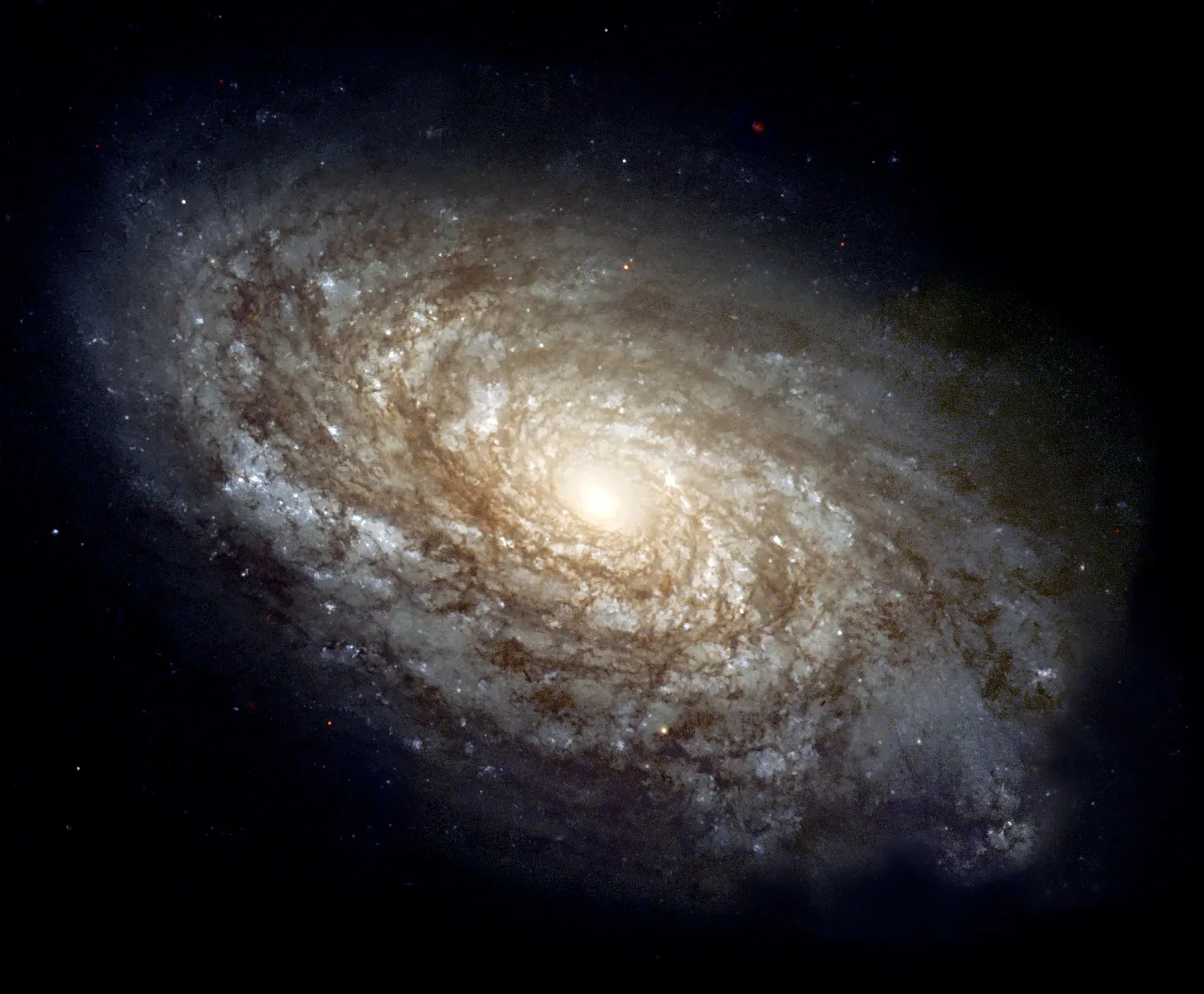
Because you cannot get a direct, clear image of the Great Attractor, you rely on detective work. One of your best clues comes from measuring redshifts – the way light from galaxies stretches as the universe expands. By comparing how fast galaxies are moving away with how far they appear to be, you can see where their motions deviate from the smooth Hubble expansion. Those deviations, those little speed-ups and slow‑downs, betray the pull of hidden mass.
When you plot thousands of galaxies in three dimensions and track their peculiar motions, a pattern emerges: many are drifting toward the same general region. It is like watching leaves in a pond all subtly drawn toward a hidden drain. Radio telescopes that can see through dust, and infrared observations that pierce much of the murk, help you fill in some of the missing galaxies hidden in the Zone of Avoidance. Piece by piece, they sketch a massive concentration of matter that lines up with the gravitational pull inferred from motion alone.
The Role of the Laniakea Supercluster: Your Cosmic Address Gets Bigger
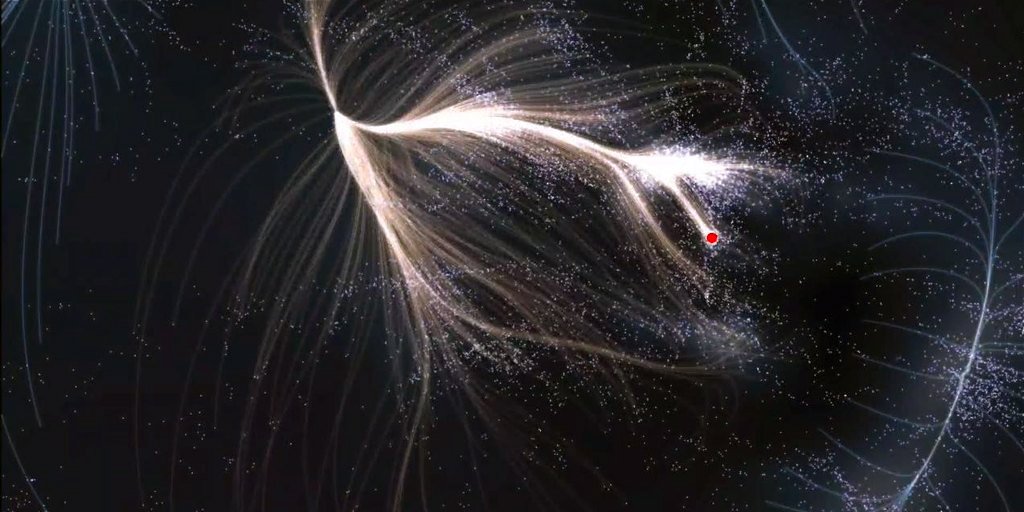
A few decades ago, you might have thought of your home on a relatively modest scale: Earth, Solar System, Milky Way, Local Group, Virgo Cluster, and that was about it. Now, astronomers have mapped an even grander structure called the Laniakea Supercluster, a huge region containing tens of thousands of galaxies, including your own. The Great Attractor sits near the center of this vast basin of attraction, acting as one of the primary gravitational anchors of your entire neighborhood.
When scientists trace the flow lines of galaxies within Laniakea, they find that many of them, including the Milky Way, are streaming down toward this central region. Picture a sprawling watershed: raindrops falling on different slopes all eventually drain into the same river system. In a similar way, countless galaxies in this supercluster are following gravitational “downhill” paths toward the Great Attractor. Knowing this gives you a new sense of address – you are part of a river of galaxies within a colossal valley in space‑time.
Enter Shapley: Maybe the Great Attractor Is Not the Final Stop
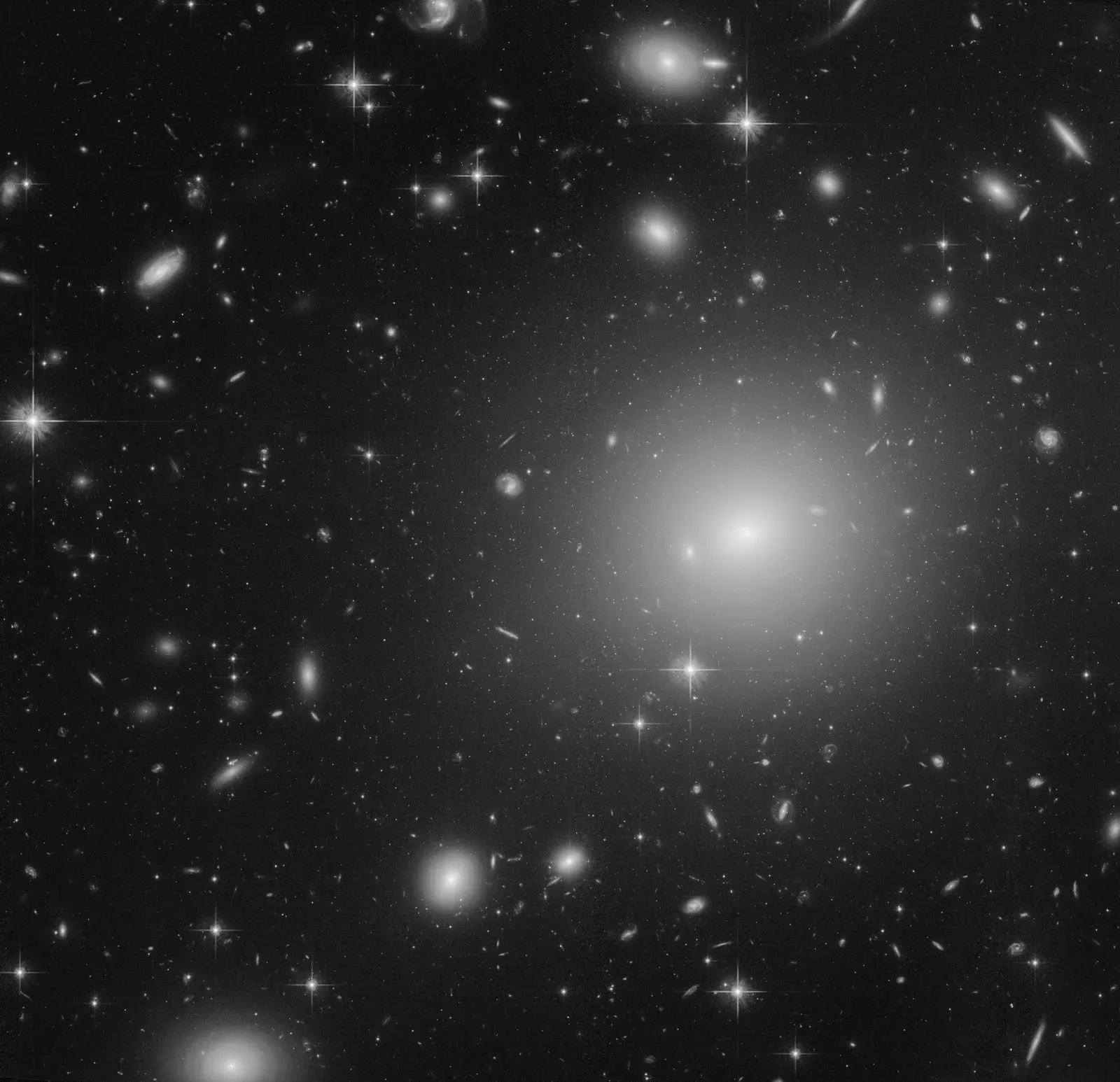
As you push the maps farther out, another beast on the horizon appears: the Shapley Supercluster, an even more massive concentration of galaxies and dark matter beyond the Great Attractor’s region. Some studies suggest that part of your galaxy’s motion is not just toward the Great Attractor but continues onward toward Shapley. In that view, the Great Attractor might be more like a major bend in the river rather than the final ocean where everything ends up.
This matters because it changes how you interpret the flow you are embedded in. If Shapley and other distant overdensities contribute significantly, then what you have been calling the Great Attractor may be just one important piece of a much larger gravitational landscape. You might be living in a universe where multiple massive regions tug on you at once, with your motion being the net result of a complex tug‑of‑war rather than a single dominant pull. Either way, you are a passenger on a long, slow journey across intergalactic space.
Dark Matter: The Invisible Backbone Doing Most of the Pulling
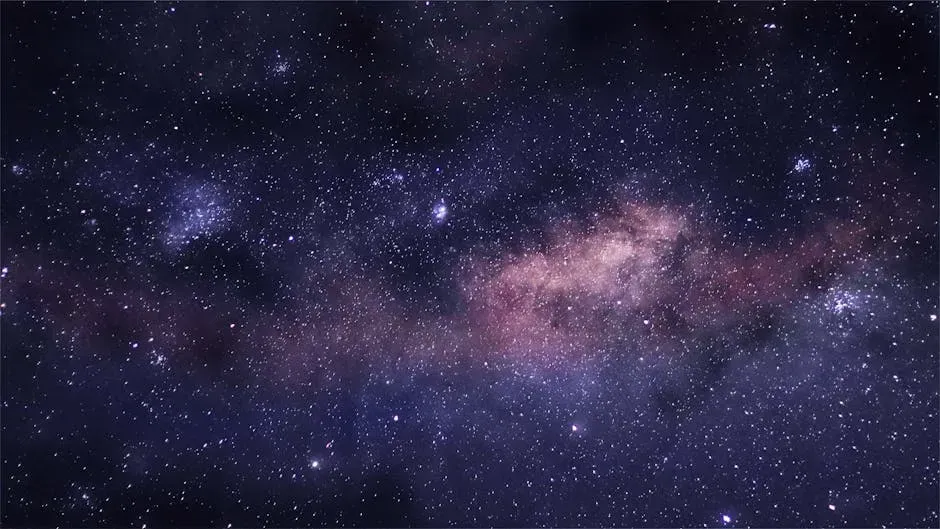
When you hear about massive attractors and galaxy flows, you might picture mostly stars and hot gas doing the job. In reality, the visible stuff is just the tip of the iceberg. The dominant mass in these regions is believed to be dark matter, an invisible component that does not emit or absorb light but reveals itself through gravity. Without it, the amount of ordinary matter you can see would not be enough to explain the observed motions of galaxies toward the Great Attractor.
You can think of dark matter as the hidden steel framework inside a skyscraper. You do not see it from the street, but it defines the building’s true structure and strength. In the same way, dark matter halos and filaments form the skeleton of large‑scale cosmic structures, guiding how galaxies clump and flow over billions of years. The Great Attractor, as far as current evidence suggests, is really a massive knot in this dark matter web, with luminous galaxies just tracing out its shape like lanterns hanging on invisible cables.
What This Means for You: No Doom, but Deep Perspective
![What This Means for You: No Doom, but Deep Perspective (Flickr and the review where it was used on Lonely Speck : [1], CC BY-SA 2.0)](https://nvmwebsites-budwg5g9avh3epea.z03.azurefd.net/dws/d49bb9e53632f620c830e7a27639fac6.webp)
Hearing that your entire galaxy is being pulled toward something massive and unseen might trigger a bit of quiet dread. You might wonder if this means eventual collision, destruction, or some dramatic endgame. The reassuring answer is that on human timescales, nothing catastrophic is likely to happen because of the Great Attractor. The motions involved unfold over hundreds of millions or billions of years, far beyond any horizon you or your civilization realistically needs to worry about.
What it does give you, though, is perspective. When you realize that you are part of a galaxy drifting through a cosmic flow you cannot feel, steering is completely out of your hands. Yet that powerlessness is paired with a kind of awe: somehow, a branch of life on a tiny planet has figured out that it is surfing a gravitational river inside a gigantic dark matter valley. Instead of fearing it, you can let that realization stretch your sense of scale and maybe shrink your everyday worries down to a more manageable size.
How Future Telescopes Could Sharpen the Picture
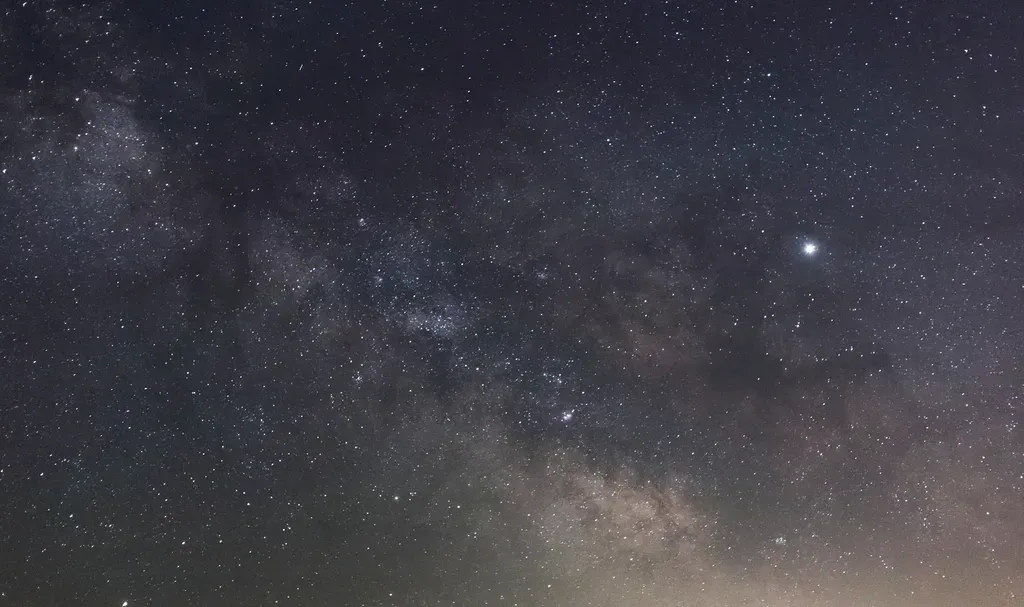
Even though you already have a rough sense of the Great Attractor’s influence, many details are still fuzzy. Future surveys using powerful radio arrays and next‑generation infrared telescopes will let you see more galaxies through the Milky Way’s dusty veil, tightening estimates of where the mass actually sits and how much of it there really is. As data improves, you may distinguish more clearly between the pull of the Great Attractor region and the pull of even larger structures like Shapley.
In addition, better measurements of the cosmic microwave background and galaxy distributions will refine your understanding of large‑scale flows across the universe. This is like upgrading from a rough road atlas to a high‑resolution satellite map of your cosmic surroundings. With each improvement, you get a clearer sense of your galaxy’s long‑term trajectory and the hidden architecture of the universe that shapes it. You may never see the Great Attractor the way you see a nearby nebula, but you can steadily tighten the net around its true nature.
Conclusion: Living Inside a Cosmic River You Cannot See
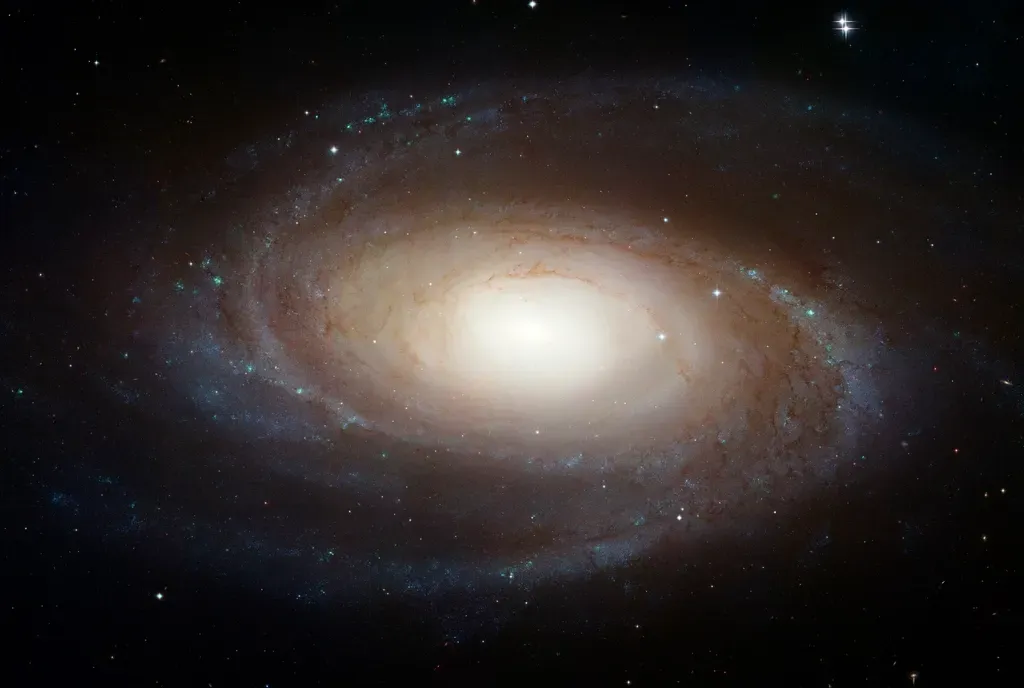
Right now, as you read this, you are being carried along by a river of galaxies flowing toward a massive, largely hidden region of space. You do not feel the motion, you cannot look up and point directly at the culprit, and yet its influence is written into the way your entire cosmic neighborhood moves. The Great Attractor may turn out to be just one major dip in a vast gravitational landscape, but it already serves as a powerful reminder that you live in a universe shaped by structures far beyond your direct senses.
In a way, knowing you are already inside the stream makes the story even more compelling – you are not standing on the shore watching galaxies drift by; you are on the raft with them. The next time you see the Milky Way arcing across the sky, you can quietly remember that this glowing band is not fixed at all, but part of a slow, majestic fall toward something unimaginably massive and mostly invisible. Does it change how you see your place in the universe to know you are always, silently, on the move?