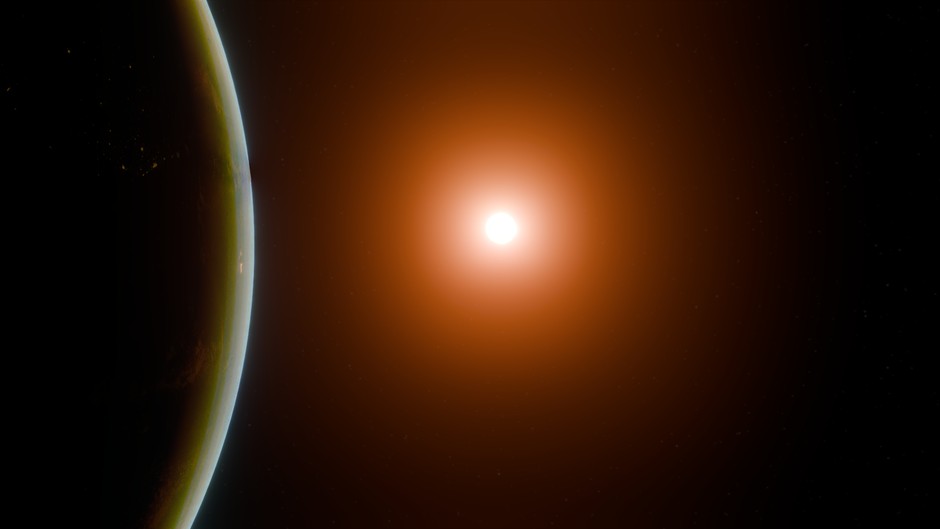

If you stepped out onto a tidally locked world around a red dwarf, you could literally walk from deadly daylight into permanent night. No sunrise, no sunset, just a fixed star burning overhead on one side and an ink-black sky on the other. It sounds like pure science fiction, but it is one of the most serious scenarios cosmologists and exoplanet researchers are studying right now.
Red dwarfs are the most common stars in our galaxy, and many of the exoplanets we have discovered so far orbit them. That means that if life is common, a huge fraction of it might evolve under a fixed, unblinking sun. Whether those worlds are hellish deserts, frozen tombs, or strangely habitable in between says a lot about our chances of finding another Earth. Let’s dig into what it really means for a planet to be locked into eternal day and night.
Why Red Dwarf Stars Dominate the Search for Habitable Worlds
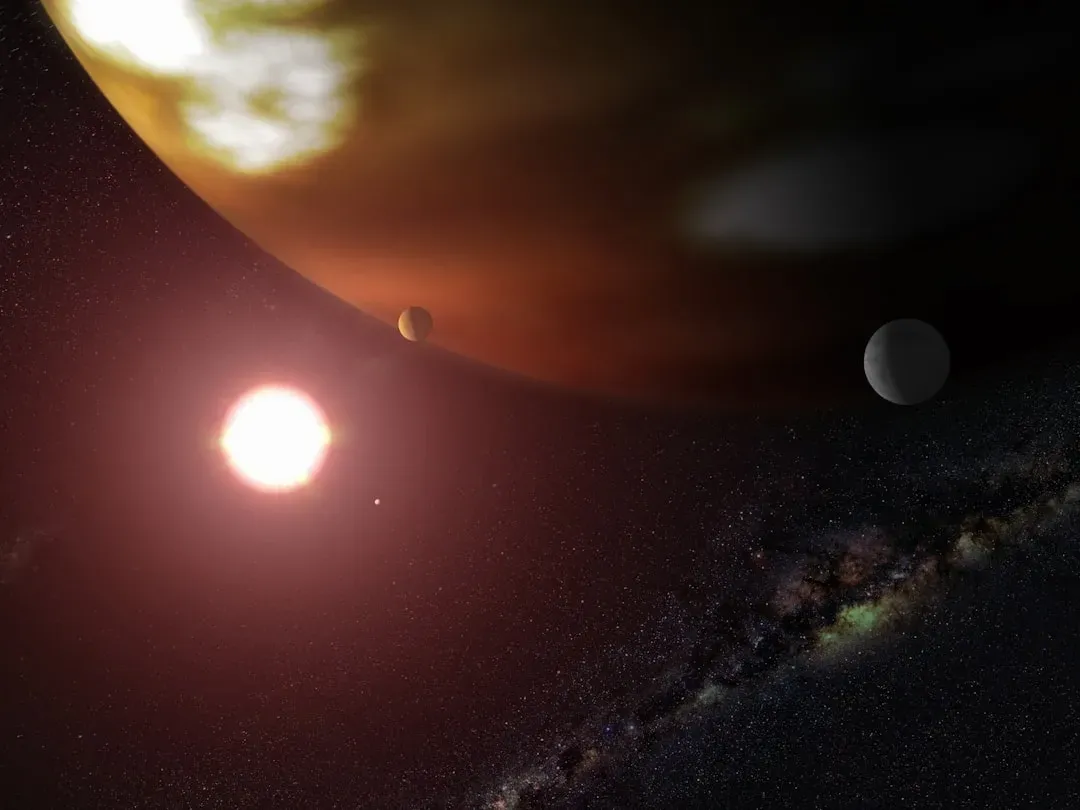
Red dwarfs are the quiet workhorses of the galaxy: small, cool, and unimaginably long-lived compared with stars like our Sun. Because they burn their fuel slowly, they can shine steadily for hundreds of billions of years, giving any potential lifeforms an almost absurd amount of time to emerge and evolve. Astronomers love them because their small size makes it easier to spot the subtle dimming when a planet passes in front, so many of the first Earth-sized exoplanets in habitable zones showed up around these stars.
There is a catch, though. The habitable zone of a red dwarf, where liquid water can exist on a planet’s surface, is huddled very close in. Instead of Earth’s comfortable distance, a red dwarf planet may orbit far tighter, whipping around its star in just a few days or weeks. That closeness changes everything about how the planet spins, how it is heated, and how calm or hostile its environment might be. Red dwarfs offer plenty of targets, but the fine print on those worlds can get harsh fast.
What Tidal Locking Really Means for a Planet’s Day and Night
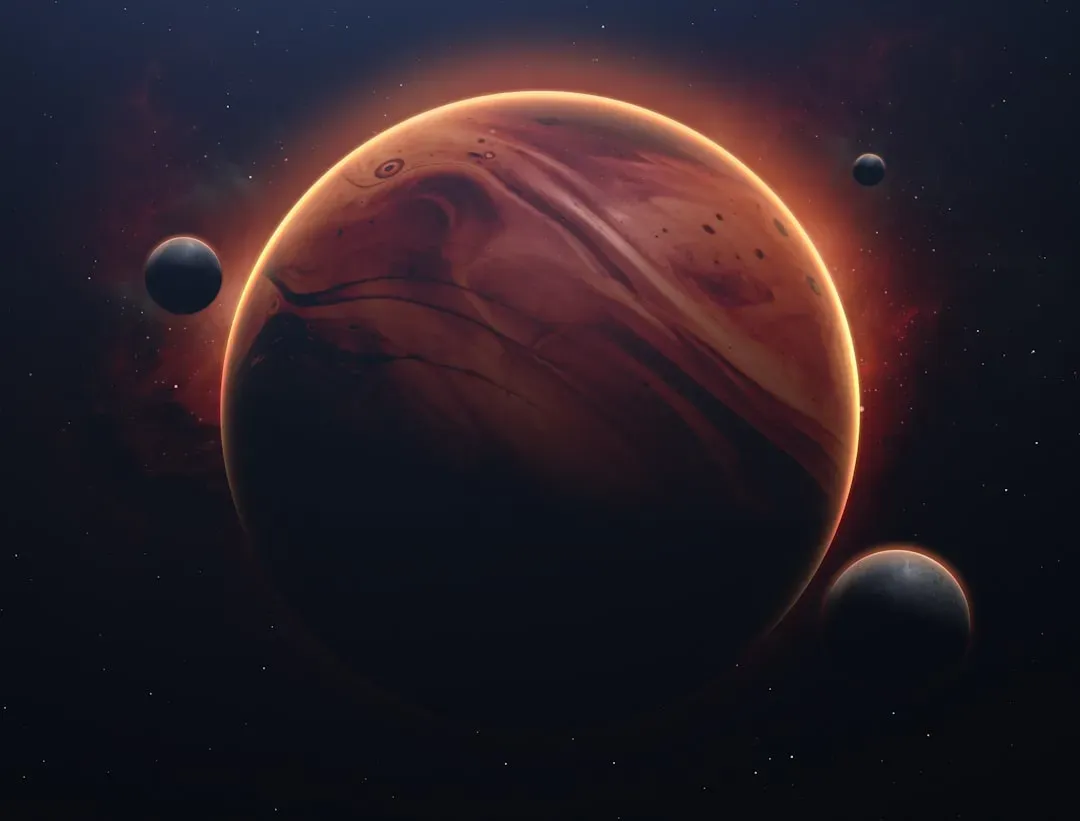
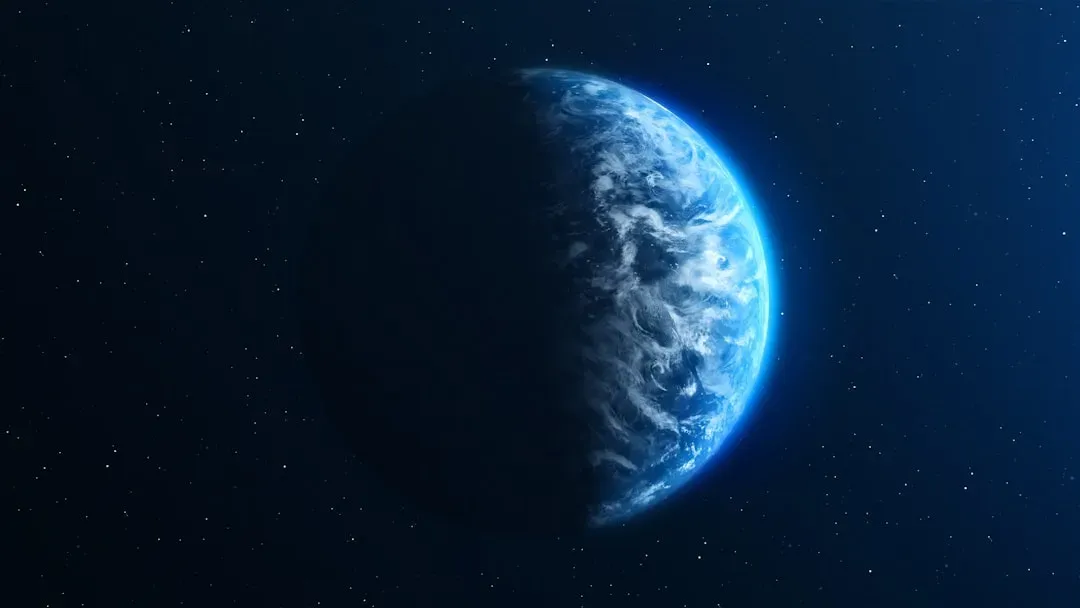
Tidal locking is what happens when a planet’s rotation period (its day) slows down until it exactly matches its orbital period (its year). The result is familiar: we see it every night in our own Moon, which always shows the same face toward Earth. Applied to an entire planet around a red dwarf, it means one hemisphere is permanently facing the star, baked by nonstop radiation, while the opposite hemisphere never sees starlight at all. There are no daily cycles, no shifting shadows, only a fixed pattern of light and dark.
The physics behind this is surprisingly straightforward. Strong gravitational forces from the nearby star raise tidal bulges in the planet’s material, whether rock or oceans. Friction slowly robs the planet of rotational energy, eventually locking its spin in step with its orbit. Around distant, Sun-like stars, this takes so long that Earth-type planets can stay freely spinning, but close-in worlds around red dwarfs feel much stronger tugs and can lock in relatively short cosmic timescales. For many of the red-dwarf habitable-zone planets we study, tidal locking is not some exotic twist; it is the default expectation.
The Scorching Dayside: Runaway Heat or Stable Warmth?
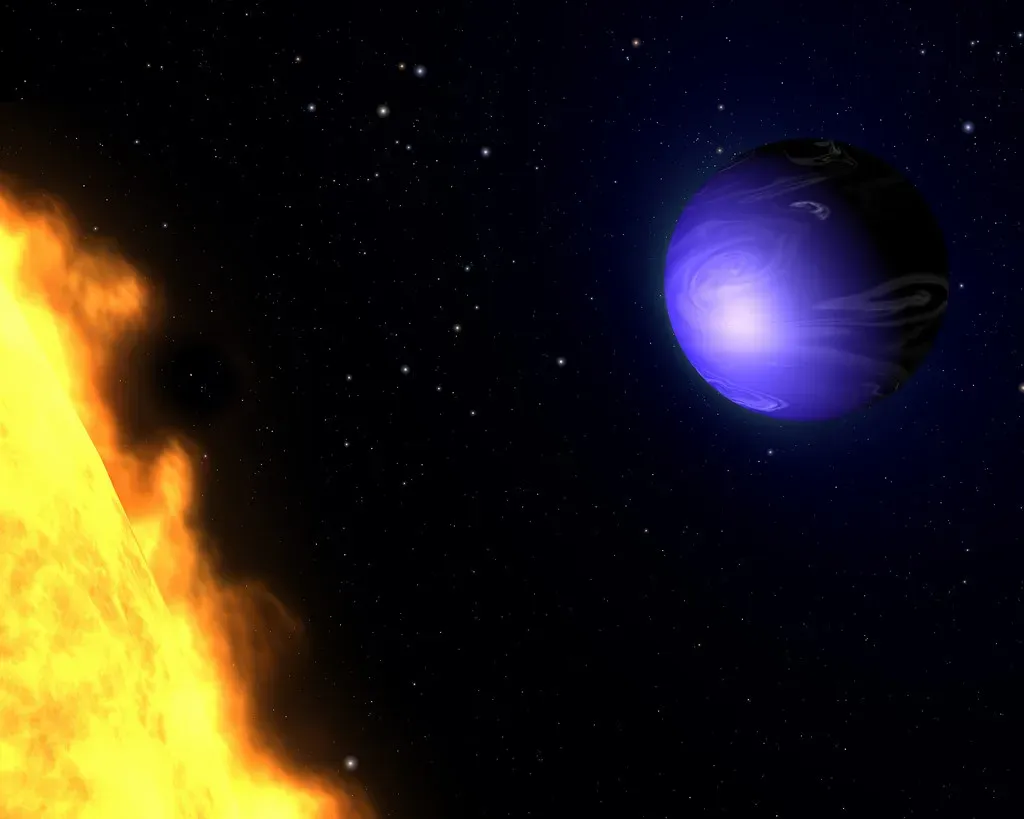
The permanently lit side of a tidally locked planet is where your most vivid nightmares and best hopes collide. With the star fixed high in the sky, the substellar point – the spot directly under the star – gets hammered with unending light and heat. Intuitively, you might imagine lava oceans, vaporized rock, and atmosphere boiled off into space, and in some cases that could be accurate, especially for planets that started with thin atmospheres or orbits slightly closer than the classical habitable zone.
But a thick atmosphere and perhaps a deep ocean can change the story dramatically. Air and water are incredibly effective at spreading heat, and global circulation could smear that intense energy across the planet rather than concentrating it into one blazing hotspot. Some models even suggest large cloud decks could form over the brightest part of the dayside, reflecting a lot of incoming starlight and acting like a natural sunshade. So the dayside is not automatically a flaming wasteland; in the right conditions, it might be more like a permanent afternoon or a very bright, humid tropics that never cools off.
The Frozen Nightside: Dead Ice Sheet or Hidden Heat Reservoir?
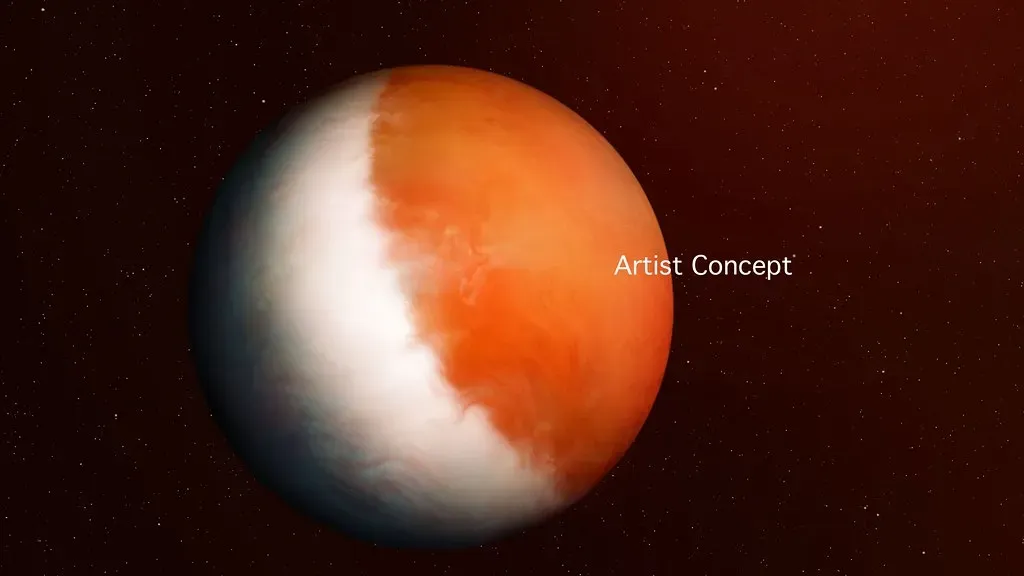
Turn your back on the red dwarf and walk far enough in the other direction, and you end up in a universe that never knew a sunrise. On a tidally locked nightside, the surface is exposed only to faint starlight from the rest of the galaxy and perhaps some shimmering auroras from its own star’s flares. Without direct heating, the ground and any surface water could freeze solid, building up staggering ice sheets that creep outward from the deep night. It is easy to imagine this hemisphere as a silent, airless wasteland.
However, if the planet carries a substantial atmosphere, that blanket does not end abruptly at the terminator – the dividing line between day and night. Winds can transport heat from the warm dayside, softening the cold and preventing the air from freezing out entirely on the nightside. Oceans, if present, can also move warmth through currents beneath the ice. The nightside might still be brutally cold, but not necessarily absolute zero of habitability. Under thick ice or beneath an insulating atmosphere, there could be pockets where temperatures are merely frigid rather than utterly lethal, especially deeper underground.
The Twilight Ring: A Thin, Strange Band Where Life Might Thrive
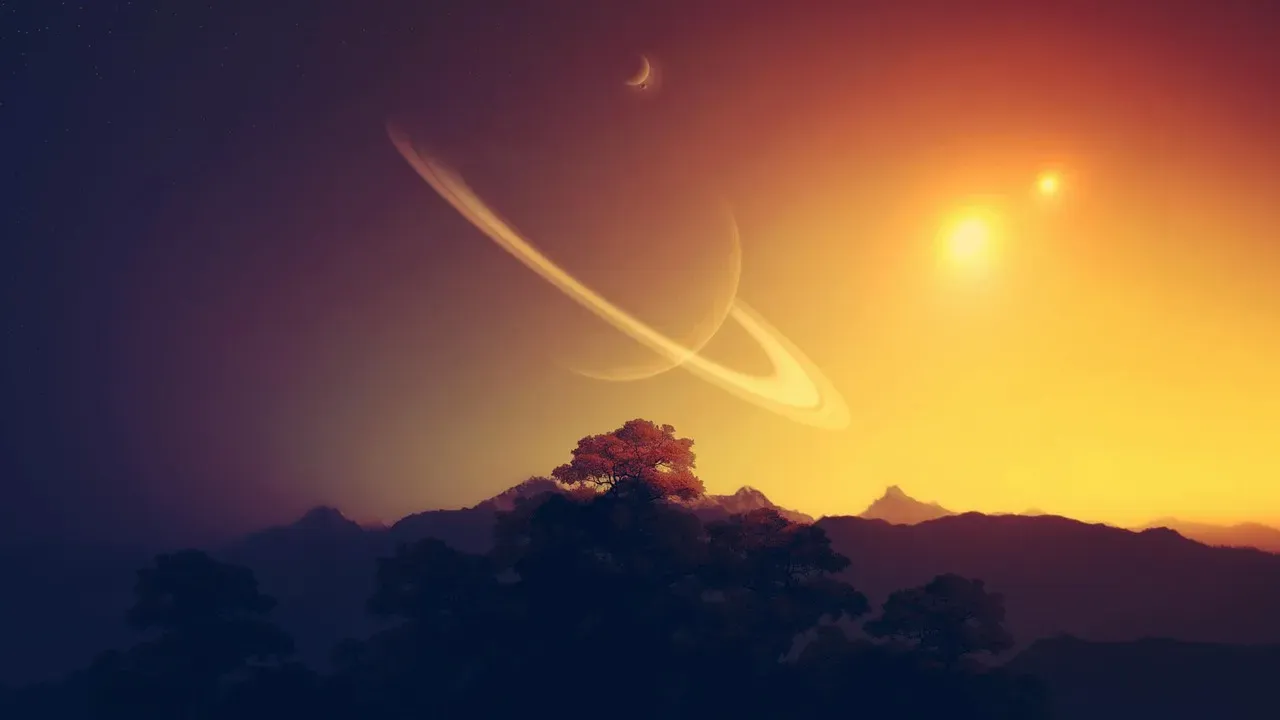
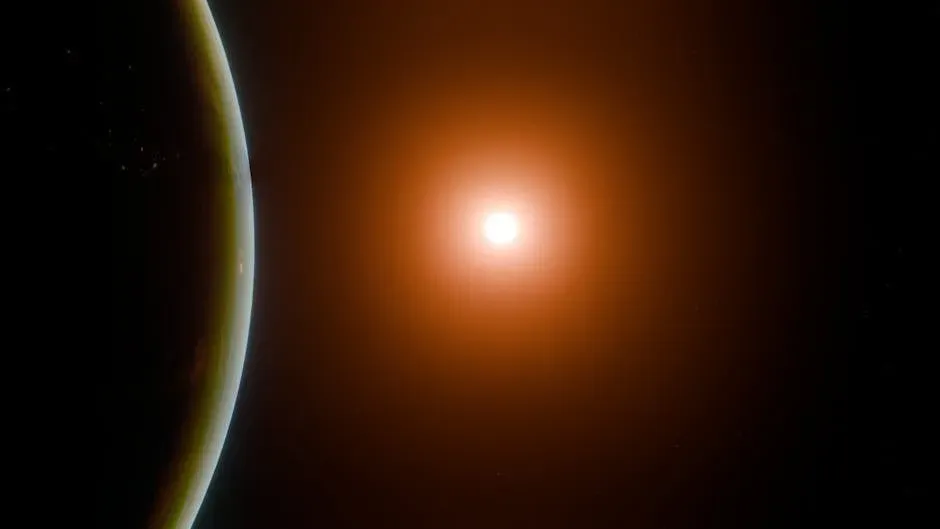
If you were placing bets on where life could survive on a tidally locked planet, the twilight ring is where you would put your chips. This is the narrow ring around the planet where the star always hangs low on the horizon, never fully rising, never fully setting. In that zone, temperatures might land somewhere between scorching and frozen, cooled by the constant angle of sunlight but warmed by the planet’s atmosphere and heat transport. Some researchers see this band as the likeliest region to host liquid water and temperate climates.
The idea is almost poetic: a world where the only truly comfortable place to live is a perpetual, encircling sunset. In that dim belt, plants – if they exist – would adapt to constant, sideways light, and weather patterns would be dominated by the tug-of-war between raging hot air from the dayside and cold, dense air from the nightside. It would not be Earth-like in any familiar sense, but it might be stable in its own alien way. I like to imagine civilizations walking westward forever and never seeing the star change height in the sky, chasing an endless golden horizon.
Flare-Stormed Skies: Radiation, Atmospheres, and the Harsh Reality of Red Dwarfs
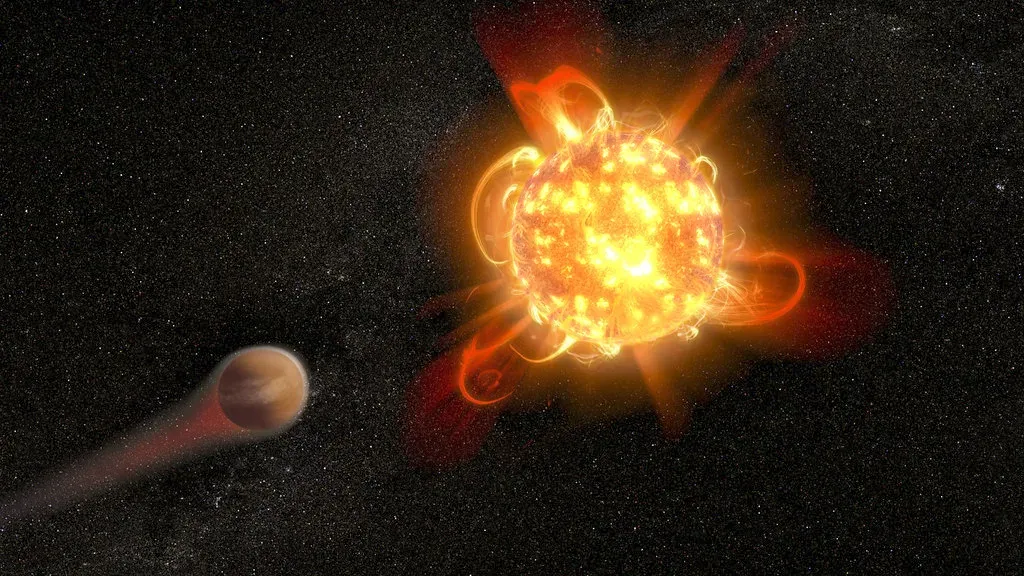
The ugly side of red dwarfs is that many of them are hyperactive when it comes to magnetic tantrums and flares. Young red dwarfs in particular can unleash bursts of radiation and charged particles that dwarf anything our Sun routinely produces. A planet parked close in, even in the habitable zone, is sitting right under the cosmic sprinkler of these events, and repeated exposure can strip away an atmosphere over time or sterilize its surface. Eternal day under a red dwarf can mean eternal radiation storms if the planet has poor protection.
Whether a tidally locked world can hang on to its atmosphere depends heavily on details like the planet’s magnetic field, the thickness and composition of its air, and the star’s age and behavior. Older, quieter red dwarfs may calm down enough that their planets get something closer to a gentle simmer of space weather instead of a constant broil. There is a legitimate debate here in the scientific community: some think most close-in red dwarf planets are toast, while others see plausible pathways to long-term stability. The truth is that we are still collecting data, and every new exoplanet discovered around these stars adds another piece to the puzzle.
Could Life Really Adapt to a World of Permanent Day and Night?
On Earth, life is deeply wired into the day-night cycle, from your sleep schedule to a plant’s opening and closing leaves. But life is also astonishingly flexible. We already know organisms that thrive in deep ocean vents far from sunlight, and microbes that endure polar winters in months of darkness. A tidally locked world would push that adaptability to the extreme, but it would not necessarily make life impossible. Evolution does not care about comfort; it cares about what works.
On the dayside, any surface life would need serious protection from radiation and heat, perhaps hugging the ground, burrowing, or evolving reflective or protective pigments. On the nightside, life might rely entirely on geothermal energy or chemical reactions, hidden under ice or rock. The twilight ring could host ecosystems that find a stable niche in the steady, slanting light with no nightly chill. I suspect that if these planets are common and can keep their atmospheres, at least some of them will host life – but probably life that would look and behave far stranger than anything we are used to.
Conclusion: Are Tidally Locked Red Dwarf Worlds Hope or Hype?
My own view is that we have been a little too quick to either romanticize or write off tidally locked planets around red dwarfs. The popular image of one side burning forever while the other freezes in eternal night is powerful, but reality is more nuanced. Atmospheres, oceans, clouds, and magnetic fields can soften the extremes, turning a simple nightmare into something far more complex and, frankly, more interesting. Still, it would be naive to ignore the intense flares, potential atmospheric loss, and bizarre climates these worlds must endure.
In the coming years, better telescopes will start measuring the actual atmospheres of these planets instead of leaving us to rely only on models, and I would not be shocked if some of our early assumptions get overturned. Maybe the twilight belts are more stable than we thought; maybe many worlds are dry, stripped husks; maybe we find hints that chemistry there is already flirting with life. For now, tidally locked red dwarf planets sit in a tantalizing middle ground: not the cozy second Earth some people dream of, but not hopeless either. If the galaxy is full of these half-burning, half-frozen worlds, the real question is not whether they can host life, but what kind of life chooses to call a planet of permanent dawn home – what would you expect to find there?