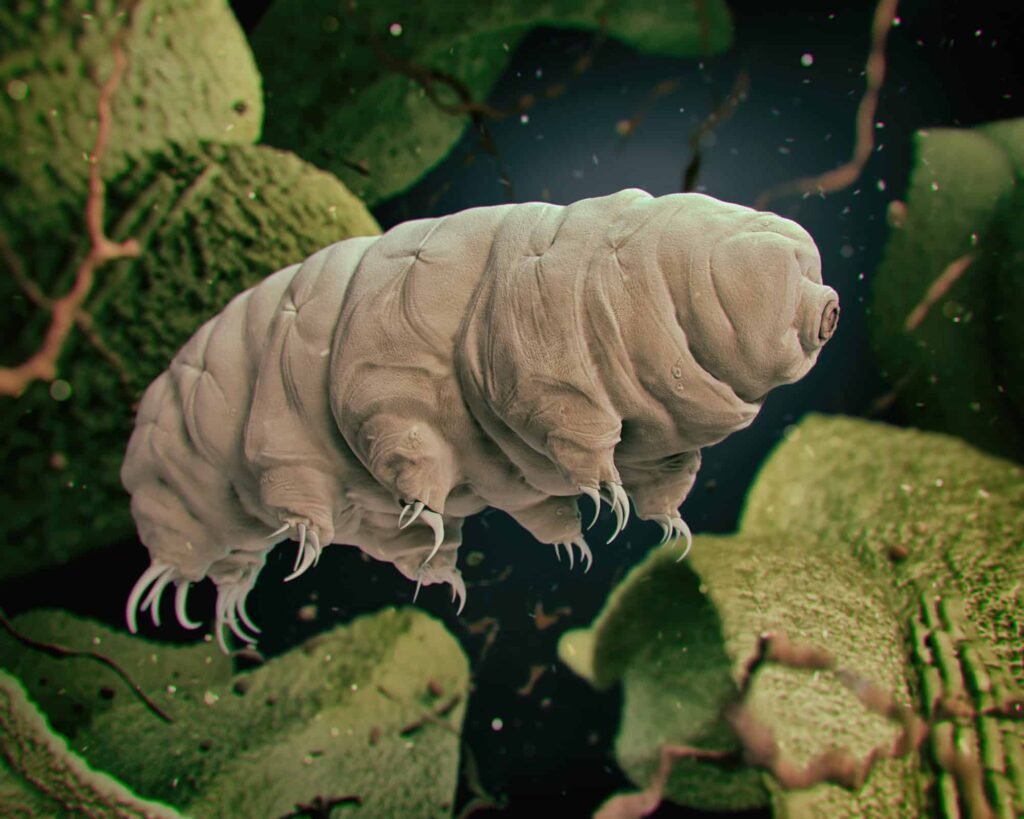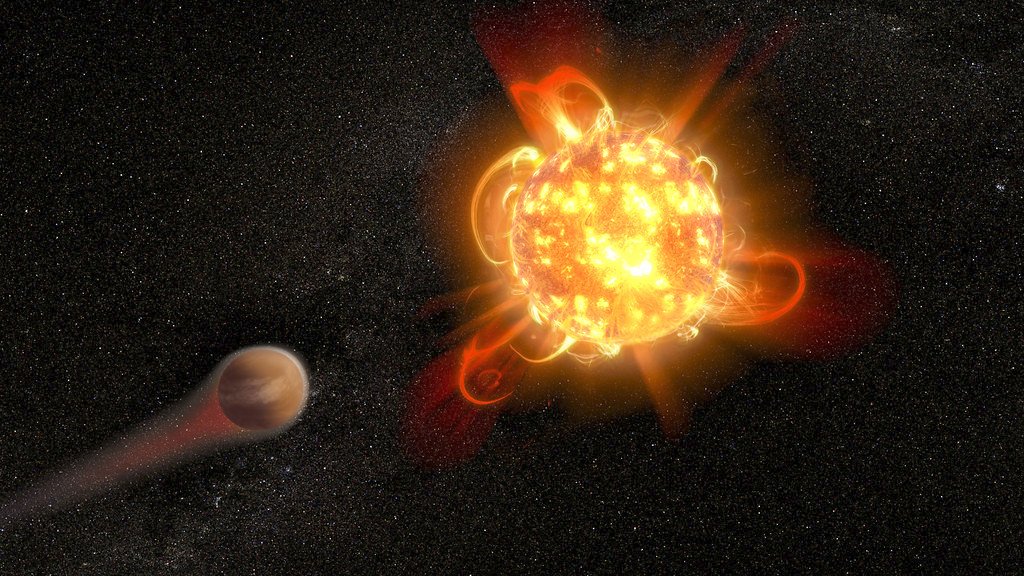

When you think of radiation shooting through space, you probably imagine something deadly, right? High-energy particles that destroy DNA, rip through cells, and basically make life impossible. Yet recent discoveries are flipping that assumption on its head in the most unexpected way. Scientists now propose that cosmic rays could actually be the secret ingredient sustaining alien life beneath the frozen surfaces of planets and moons in our own solar system.
Let’s be real, this sounds like science fiction. Organisms feeding on radiation instead of sunlight? It challenges everything we thought we knew about where and how life can exist. Yet the evidence keeps piling up, and researchers are getting more excited by the day.
When Radiation Becomes Food Instead of Poison
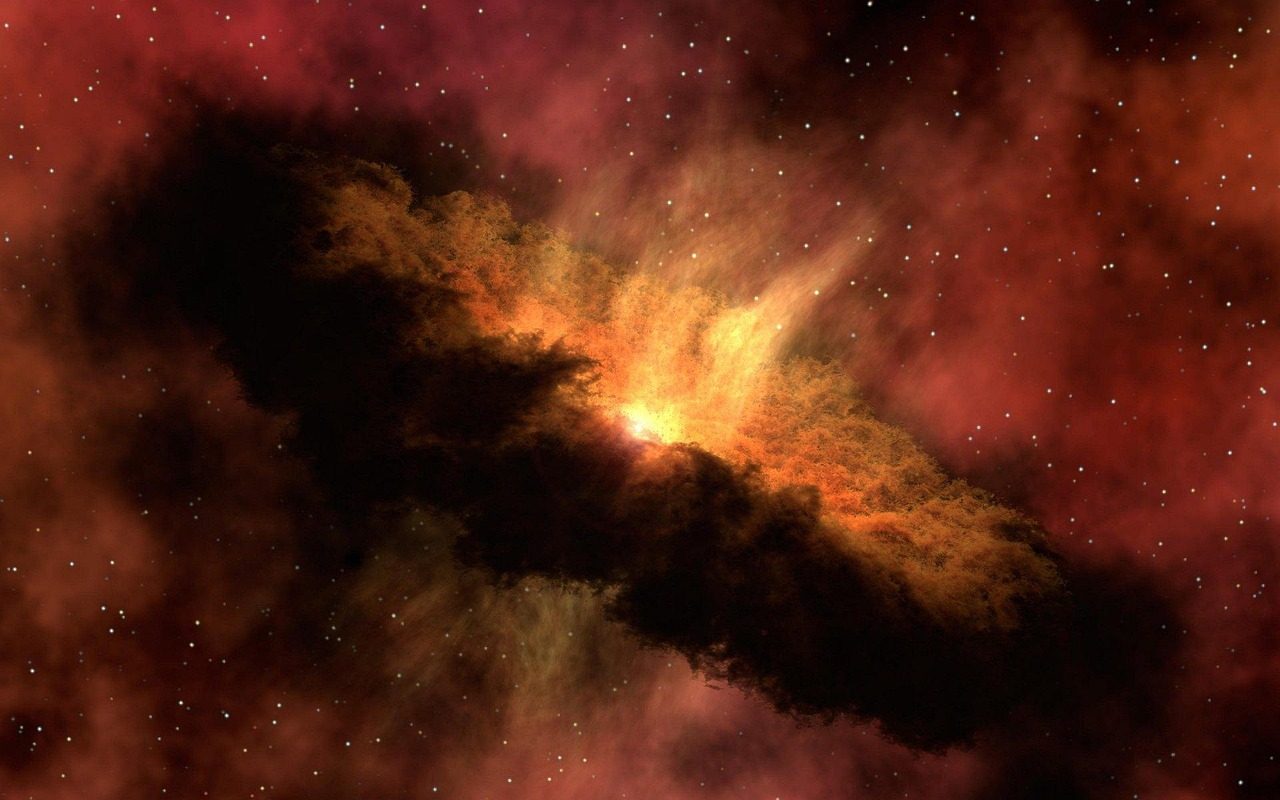
A paper published in the International Journal of Astrobiology this past July suggests that high-energy particle clusters, called galactic cosmic rays, that fly through space could sustain life on extraterrestrial worlds. Here’s the thing: on Earth, we’re well protected from these particles by our thick atmosphere and magnetic field. We barely notice them.
Cosmic rays that reach the depths of such places can break apart water molecules that may exist there as liquid or ice, in a process called radiolysis that releases electrons that can then power an organism’s biochemistry. Think of it like this: instead of plants converting sunlight into energy through photosynthesis, these theoretical microbes would be harvesting electrons released when cosmic rays smash into water molecules underground.
A Gold Mine Bug Shows Us the Way
The inspiration for this wild idea comes from an actual organism living right here on Earth, deep underground. The bacterium Candidatus Desulforudis audaxviator was found in a gold mine deep below South Africa and powers its metabolism using electrons released by ionizing radiation from surrounding rocks. It survives nearly three kilometers beneath the surface, where no sunlight has ever reached.
This little bug doesn’t need the sun, oxygen, or even other organisms to survive. It draws its energy from the radioactivity of uranium in the rock in the mine, where radiation from decaying uranium nuclei breaks apart sulfur and water molecules in the stone, producing molecular fragments such as sulfate and hydrogen peroxide that are excited with internal energy. Honestly, the fact that such a creature exists at all is mind-blowing.
Mars, Europa, and Enceladus: The New Prime Suspects
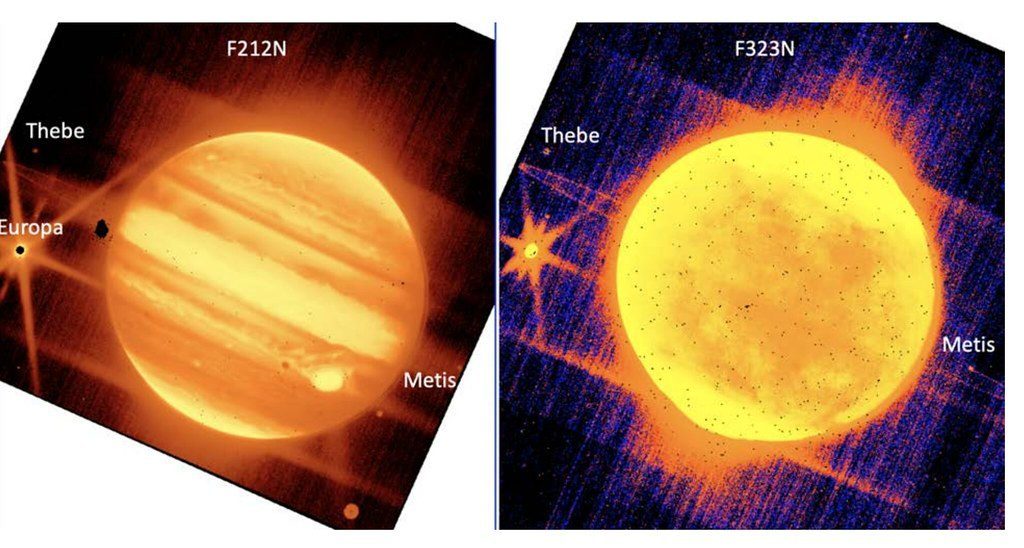
So where might we find similar cosmic ray-powered life beyond Earth? A study led by Dimitra Atri at NYU Abu Dhabi, published in the International Journal of Astrobiology (July 28, 2025), used simulations to show cosmic-ray-induced radiolysis could support microbial metabolism in these worlds. The team focused on Mars and two icy moons: Jupiter’s Europa and Saturn’s Enceladus.
These locations aren’t random picks. They all have thin atmospheres that allow cosmic rays to penetrate their surfaces, and scientists believe they harbor liquid or frozen water underground. The study found that Saturn’s icy moon Enceladus had the most potential to support life in this way, followed by Mars, and then Jupiter’s moon Europa. The specific calculations are pretty remarkable when you dig into them.
The Numbers Behind the Cosmic Buffet
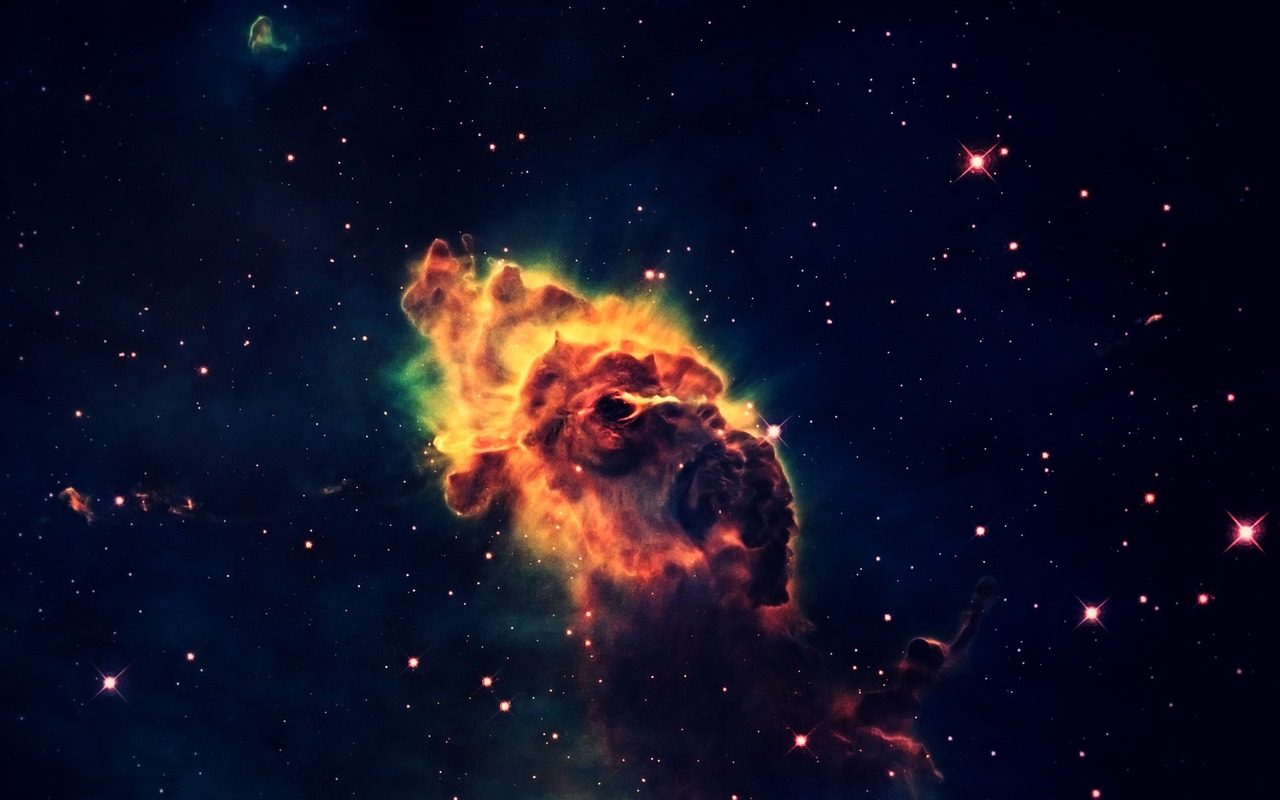
Let me walk you through the potential cell counts these environments could theoretically sustain. At a depth of two meters, cosmic ray-induced radiolysis on Enceladus would result in enough ATP to sustain 42,900 cells per cubic centimeter, while Mars could support 11,600 cells per cubic centimeter at 0.6 meters below its surface, and Europa could support 4,200 cells per cubic centimeter at one meter deep.
Now, before you get too excited, this wouldn’t be some thriving ecosystem with complex organisms. The cosmic rays would make a small amount of usable energy, just enough to keep things going, with a constant barrage of high-energy particles theoretically sustaining established microbes indefinitely. We’re talking about simple, single-celled life forms eking out an existence in the cold darkness.
Redefining the Habitable Zone
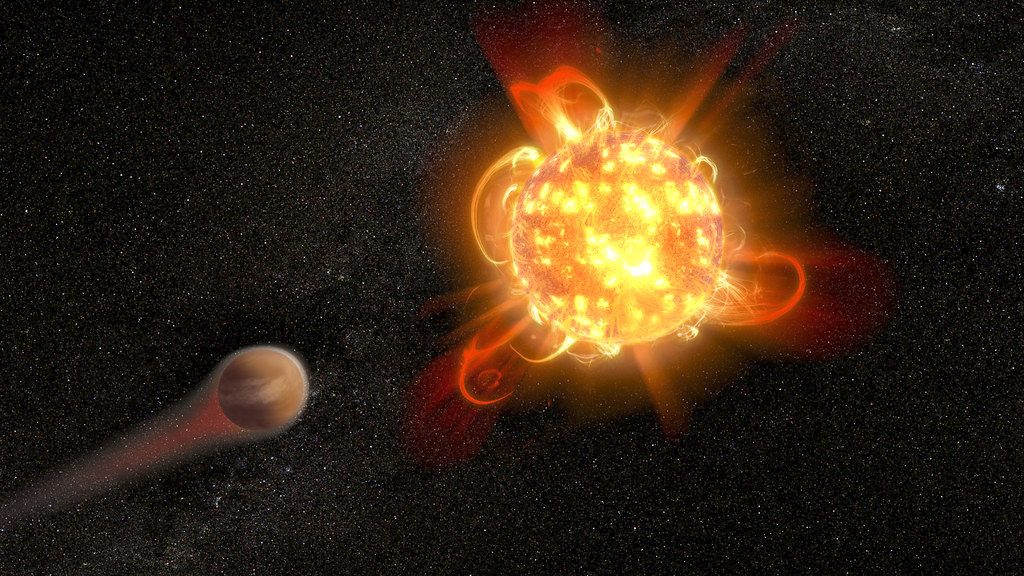
This discovery fundamentally changes the game when it comes to searching for life elsewhere. This shifts the familiar “Goldilocks Zone” concept – where life depends on surface liquid water – to a Radiolytic Habitable Zone (RHZ). Basically, we’re no longer limited to looking only at planets that orbit at just the right distance from their stars to keep water liquid on the surface.
In contrast to traditional habitability models, the Radiolytic Habitable Zone concept suggests life doesn’t need sunlit warmth – it simply needs buried water and cosmic ray exposure, opening potentially billions of cold, dark worlds to astrobiological possibility. Rogue planets drifting through interstellar space, distant Kuiper Belt objects, even asteroids could theoretically harbor life. The implications are staggering.
Melanin: Nature’s Radiation Converter

If you’ve heard about the infamous black fungus growing on the walls inside the Chernobyl reactor, you already know a bit about another angle to this story. Beginning in the 1990s, researchers at the Chernobyl Nuclear Power Plant uncovered some 200 species of apparently radiotrophic fungi containing the pigment melanin on the walls of the reactor room and in the surrounding soil. These organisms don’t just tolerate radiation – they seem to thrive because of it.
The key player appears to be melanin, the same pigment that gives human skin its color. The melanin found in the cell wall of radiotrophic fungi was suggested to be the prominent molecule used in harvesting usable energy from ionizing radiation, as ionizing radiation could change the electronic properties of melanin, such that its unpaired electrons are excited into states of higher energy. It’s hard to say for sure how the exact mechanism works, but the evidence keeps mounting.
What This Means for Future Space Exploration

Looking ahead, these findings could reshape how we search for life and even protect our own astronauts. The RHZ hypothesis calls for new mission designs and instruments capable of detecting radiolytic biosignatures beneath the surface, with missions like the upcoming Europa Clipper and ESA’s JUICE targeting regions of Europa with thin ice or brine exposure.
This discovery changes the way we think about where life might exist; instead of looking only for warm planets with sunlight, we can now consider places that are cold and dark, as long as they have some water beneath the surface and are exposed to cosmic rays, with life potentially able to survive in more places than we ever imagined. The universe just got a whole lot more interesting, and potentially more populated.
Conclusion
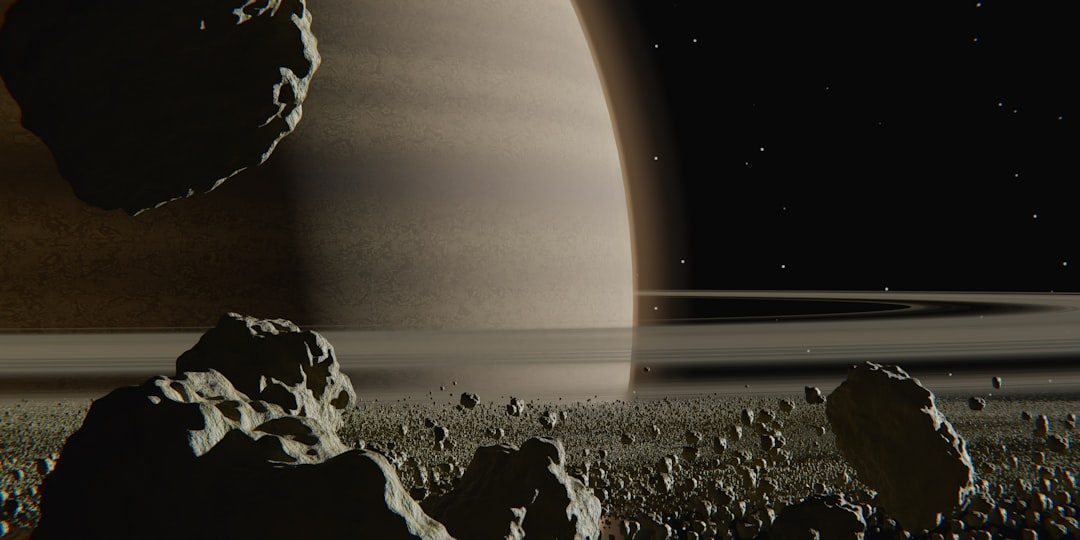
Here’s the thing: we’ve always searched for life in places that look like Earth, with liquid water on the surface, comfortable temperatures, and plenty of sunlight. This new research challenges us to think bigger and look deeper – literally. The idea that microbes could thrive on radiation in the frozen underground realms of distant worlds opens up an entirely new frontier in astrobiology.
The next generation of space missions will need to drill beneath the surface, not just study what’s on top. They’ll search for chemical signatures of radiolysis-powered metabolism in places we once considered lifeless. Who knows what we might find lurking in those dark, frigid depths?
What do you think – could cosmic rays be fueling hidden ecosystems throughout our solar system and beyond? The answer might be closer than we ever imagined.