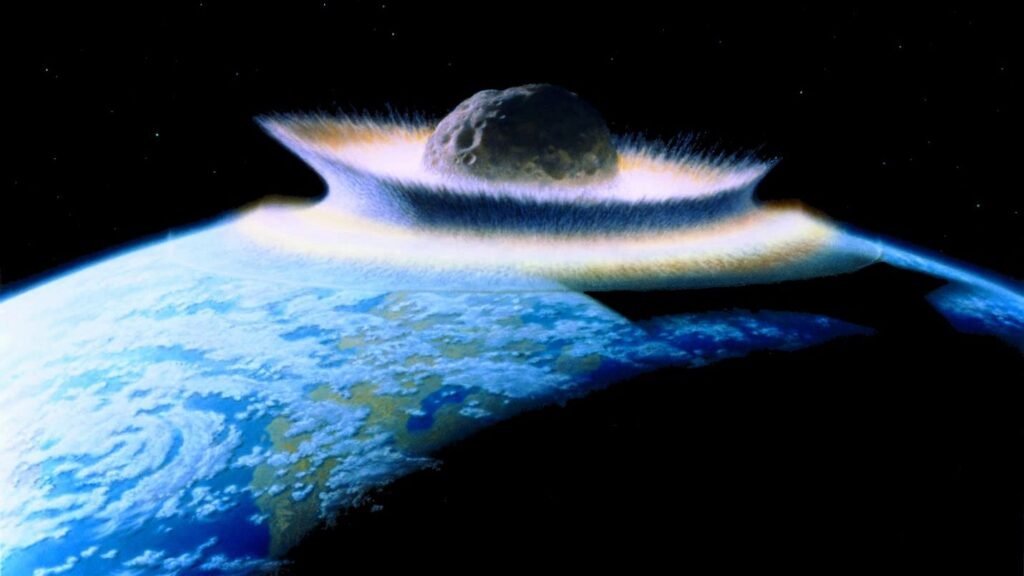

You live on a planet that has been punched, scarred, and sometimes almost reset by rocks and ice from space. It sounds like a wild science fiction plot, but Earth’s story is literally written in craters, shattered rocks, and thin layers of dust buried in the ground beneath your feet. When you start to see the planet this way, every clear night sky feels a bit different: not just beautiful, but slightly dangerous.
What makes this story so gripping is that these ancient impacts have both destroyed and created the world you know. They have wiped out species, opened new paths for life, delivered crucial ingredients for oceans and biology, and maybe even set the stage for you to exist at all. As you work through these collisions in your mind, you begin to realize that Earth is not a quiet, isolated world – it’s a target in a cosmic shooting gallery, and the game has never really stopped.
The Violent Birth of a Cratered World
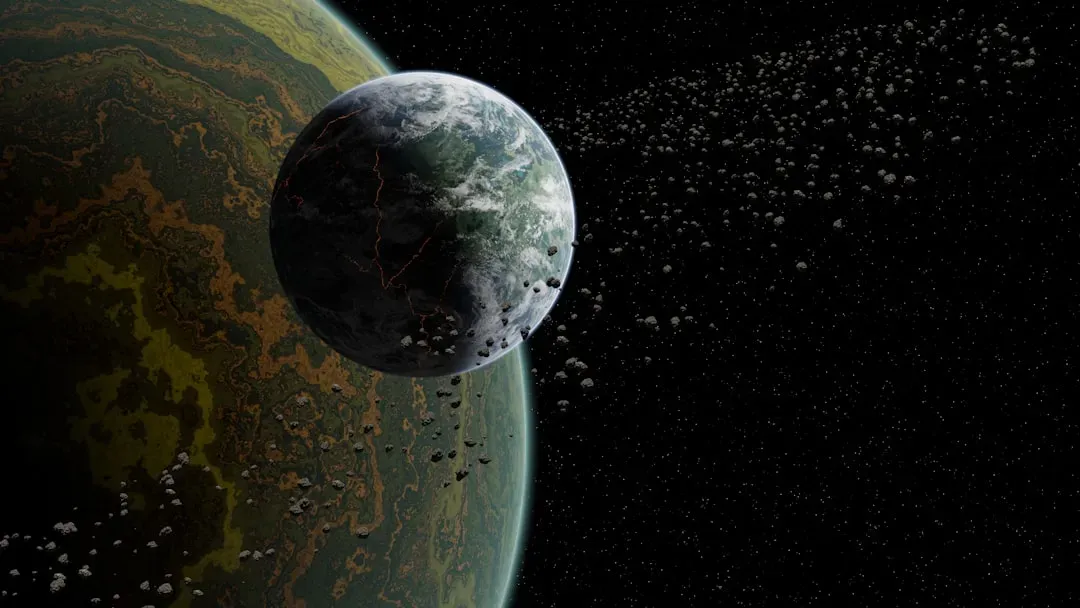
If you could rewind Earth’s history to its first few hundred million years, you probably would not recognize the place. Instead of blue oceans and green continents, you’d see a hellish landscape hammered by frequent impacts from asteroids and comets, with molten rock, toxic gases, and a sky clogged with dust. Planet formation in the early solar system was messy, and you are living on one of the survivors that made it through that chaos.
During that early period, sometimes called the late heavy bombardment, space debris rained down so often that Earth’s surface was constantly being resurfaced. Craters overlapped, oceans boiled away and condensed again, and any early crust was repeatedly broken and re-melted. You do not see these ancient scars today because plate tectonics, erosion, and volcanic activity have recycled most of the evidence, but the Moon still wears its pockmarked history openly – and it gives you a good hint of what Earth endured.
Comets and Asteroids as Cosmic Delivery Systems
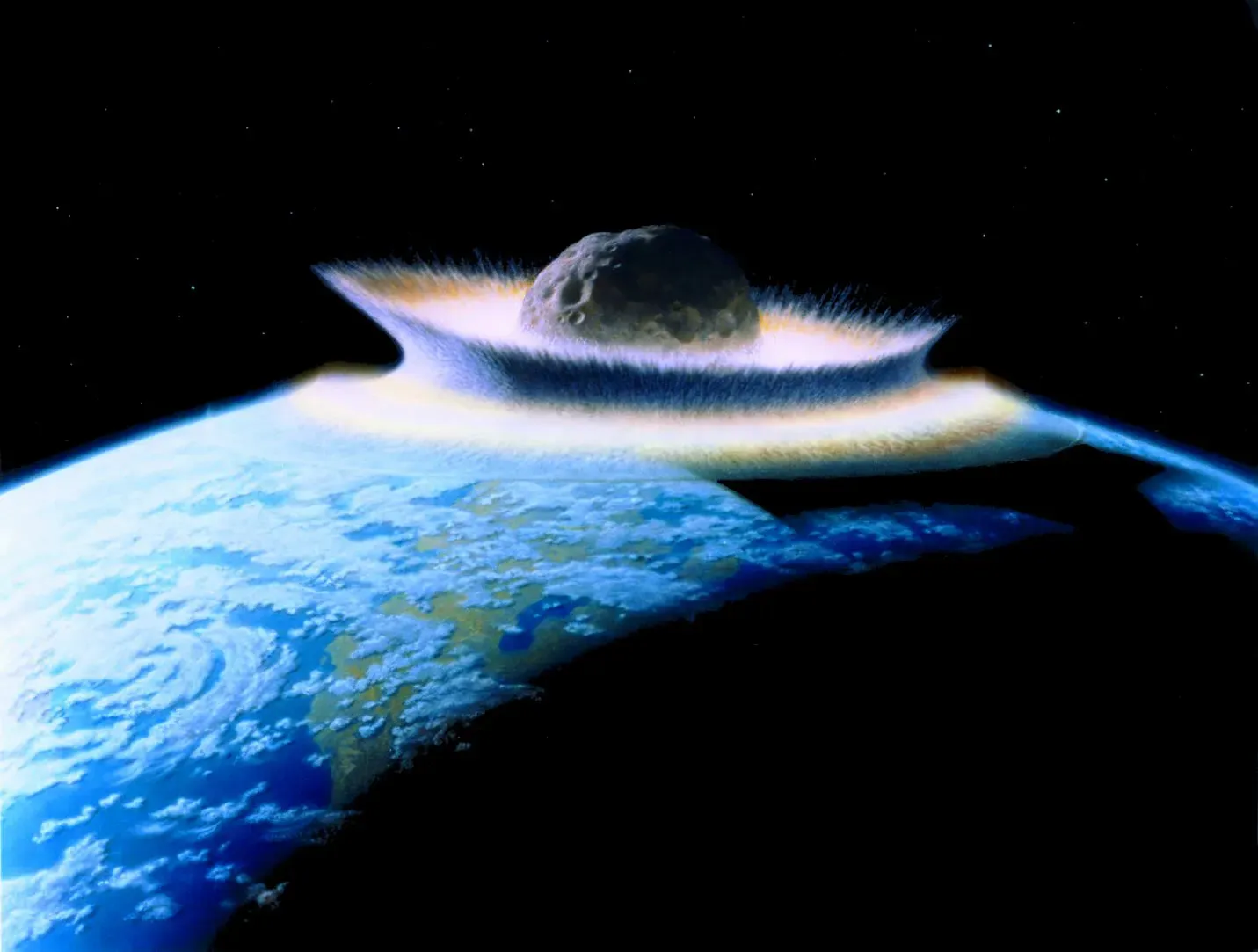
When you picture an impact, you probably imagine destruction first: shockwaves, fireballs, tsunamis. But you might underestimate how much these collisions may have given you. Many scientists think that icy comets and water-rich asteroids helped deliver a large fraction of Earth’s water, along with carbon-based molecules and other ingredients that your kind of life needs. In a way, some of your drinking water and maybe even part of your body chemistry may have once been locked inside a distant, frozen object.
You can think of these space rocks as messy delivery trucks: they slammed in hard, but they brought packages filled with volatiles – water, carbon, nitrogen compounds – that were hard to come by on the early, searing-hot Earth. As the impacts slowed over time, the planet could keep more of what was delivered instead of instantly losing it to space or vaporizing it. It is a strange thought, but without those violent deliveries, you might not have oceans, clouds, or the rich, complex chemistry that eventually turned into living cells.
The Dinosaur-Killing Impact and the Rise of Mammals
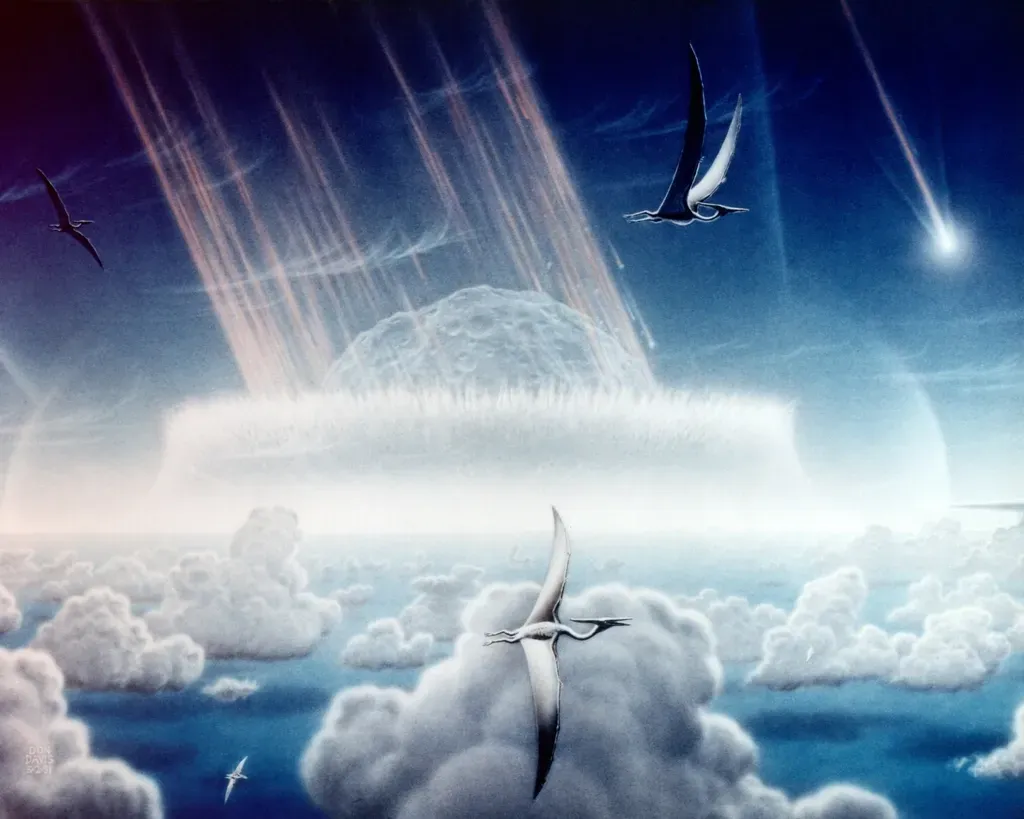
Here is the twist that matters to you: that catastrophe opened ecological space for mammals to expand, diversify, and eventually produce primates, apes, and your own species. Without that one impact, the planet might still be ruled by large reptiles instead of by tool-using primates who build cities and write articles about space rocks. So when you think about that asteroid, you are not just picturing an extinction event – you are looking at a turning point that, in a roundabout way, cleared the stage for you.
Hidden Impact Craters Beneath Your Feet
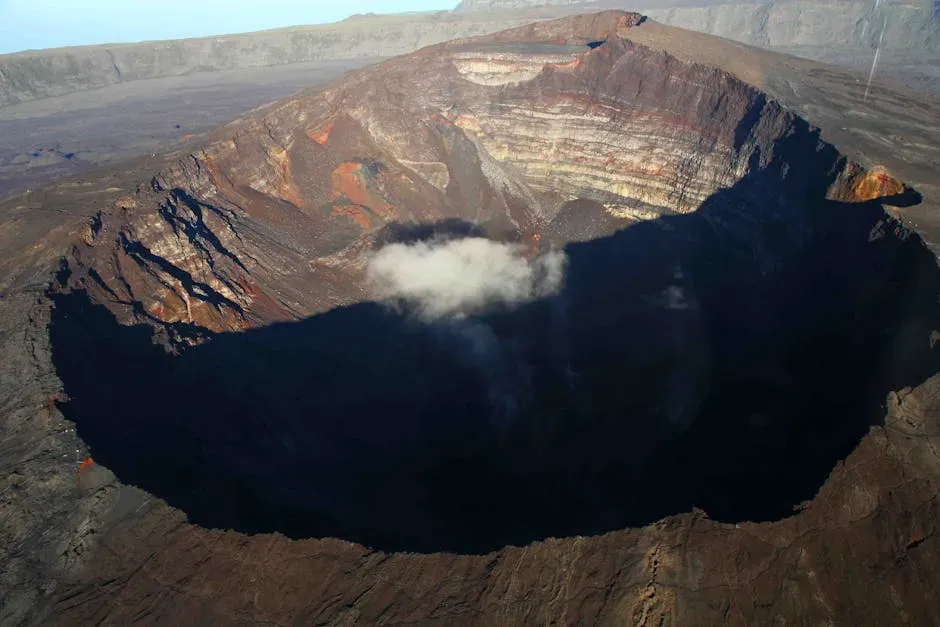
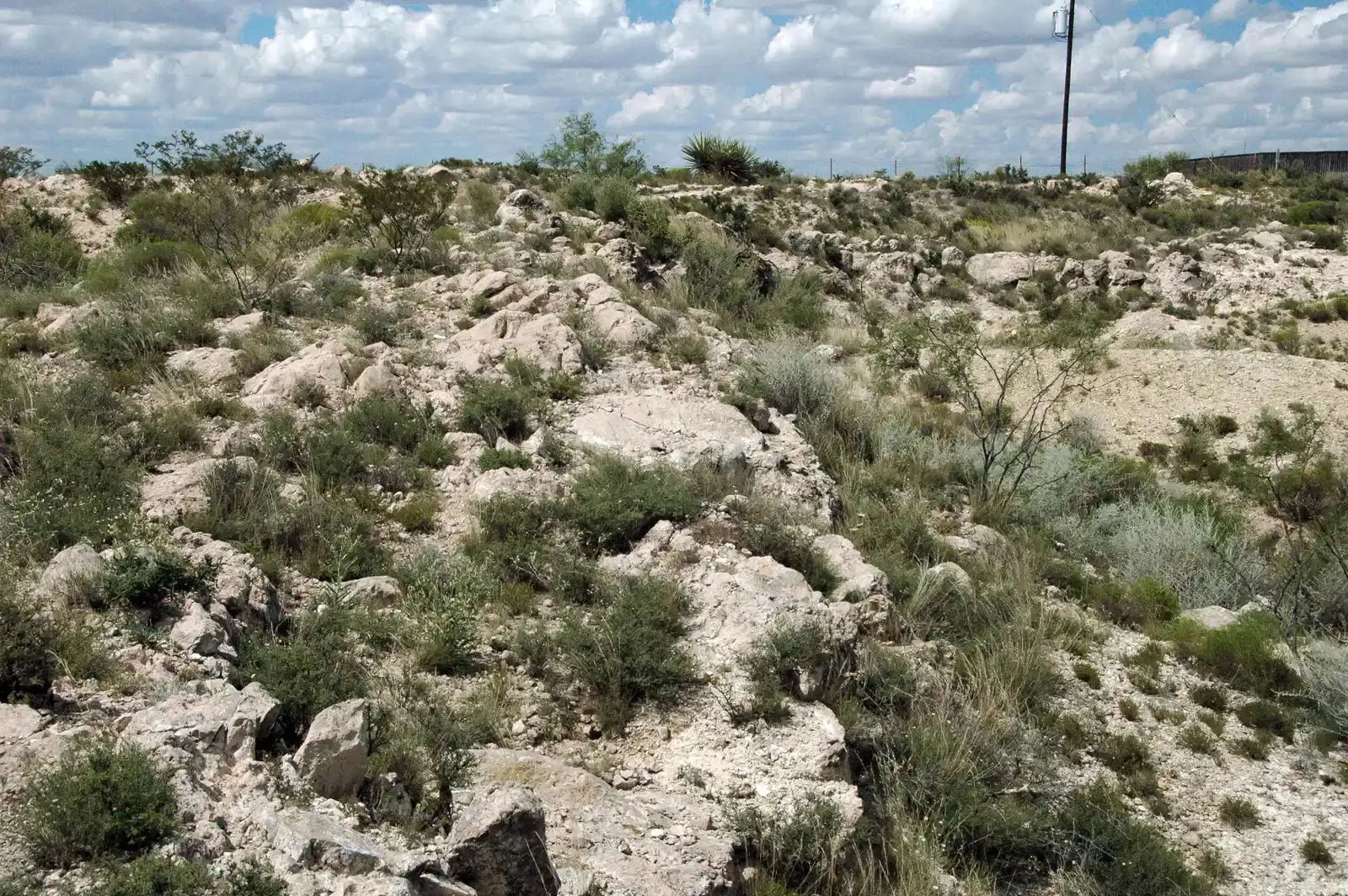
You might assume you would see every big crater just by looking at a satellite image of Earth, but most of the scars are buried, eroded, or camouflaged. Geologists have identified hundreds of confirmed impact structures across the planet, from Canada’s ancient, eroded rings to underwater craters and circular features hidden under sediment. Many more candidates are still under investigation, and some may sit unnoticed beneath your farmland, forests, or city streets.
When you look at a calm lake that happens to be perfectly circular, or a strangely round bay on a coastline, you might be staring at the softened footprint of a long-ago collision. Over millions of years, weather, rivers, glaciers, and tectonic forces slowly blur the outlines, but the underlying fractured rocks, shocked minerals, and unusual layers still betray what happened. Once you know this, you start to realize that your planet is not as smooth and gentle as it appears; it just hides its trauma well.
How Impacts Have Steered Climate and Evolution
Each large impact is like slamming Earth’s climate system with a hammer, and you can trace those blows through geological time. When a sizable comet or asteroid hits, it throws dust and vaporized rock into the atmosphere, blocking sunlight and cooling the planet, sometimes for years. If sulfur-rich rocks are involved, you may get chemical reactions that trigger acid rain and longer-term climate shifts, pushing ecosystems past their limits.
From your perspective, these events act like brutal reset buttons for evolution. Entire branches of the tree of life can be pruned in what feels like an instant on geological timescales, while other branches suddenly have room to grow. New species radiate into empty niches, giving you bursts of evolutionary innovation after each disaster. You are essentially living in a world that has been edited and rewritten multiple times by cosmic collisions, with each draft erasing some possibilities and enabling others.
Small Impacts You Never Hear About
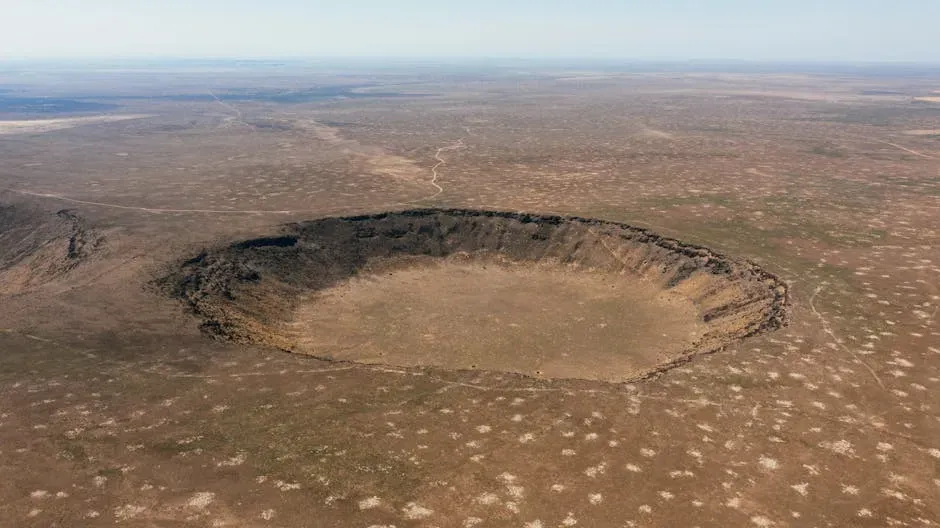
Because the big, dinosaur-scale events grab your imagination, you might forget that smaller space rocks hit Earth all the time. Most of them burn up as meteors in the upper atmosphere, giving you those quick streaks of light that people make wishes on. Every so often, though, something larger survives and explodes in the air or hits the ground with enough power to shatter windows, flatten trees, or carve out a fresh crater.
Events like the early twentieth-century blast over Siberia or the more recent airburst over Russia’s Chelyabinsk region remind you that you do not need a planet-killer to cause real damage. A relatively modest object can still injure people, disrupt infrastructure, or cause panic in a modern, densely populated world. When you realize that the planet keeps taking these smaller hits even now, it becomes clear that cosmic collisions are not just an ancient chapter in Earth’s story – they are an ongoing series.
Watching the Skies: How You Track and Defend Against Impacts
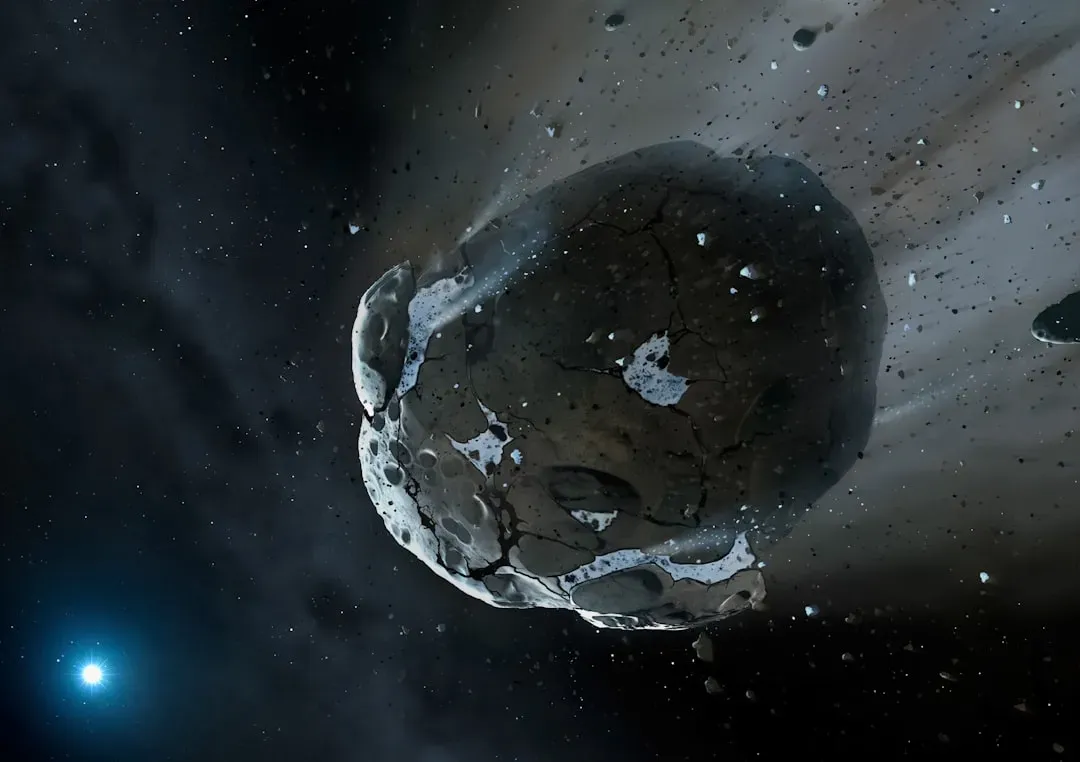
Once you understand how much impacts have shaped Earth’s past, you naturally start wondering what you can do about the future. Around the world, astronomers are scanning the sky to find and track near-Earth objects – asteroids and comets whose orbits bring them close to your planet. With better telescopes, survey programs, and space missions, you can catalog more of these objects, estimate their sizes, and predict whether any of them pose a genuine threat in the coming centuries.
For the first time in Earth’s history, a species – you – has the technology to actually push back. Space missions have already demonstrated that you can nudge the path of a small asteroid by deliberately slamming a spacecraft into it, slightly changing its orbit. In the future, with enough warning time, you could use similar techniques to steer a hazardous object away from a collision course. It is humbling to realize that the same cosmos that once reshaped your world without mercy can now be negotiated with, at least a little, by your machines and math.
Why Cosmic Collisions Matter to Your Future
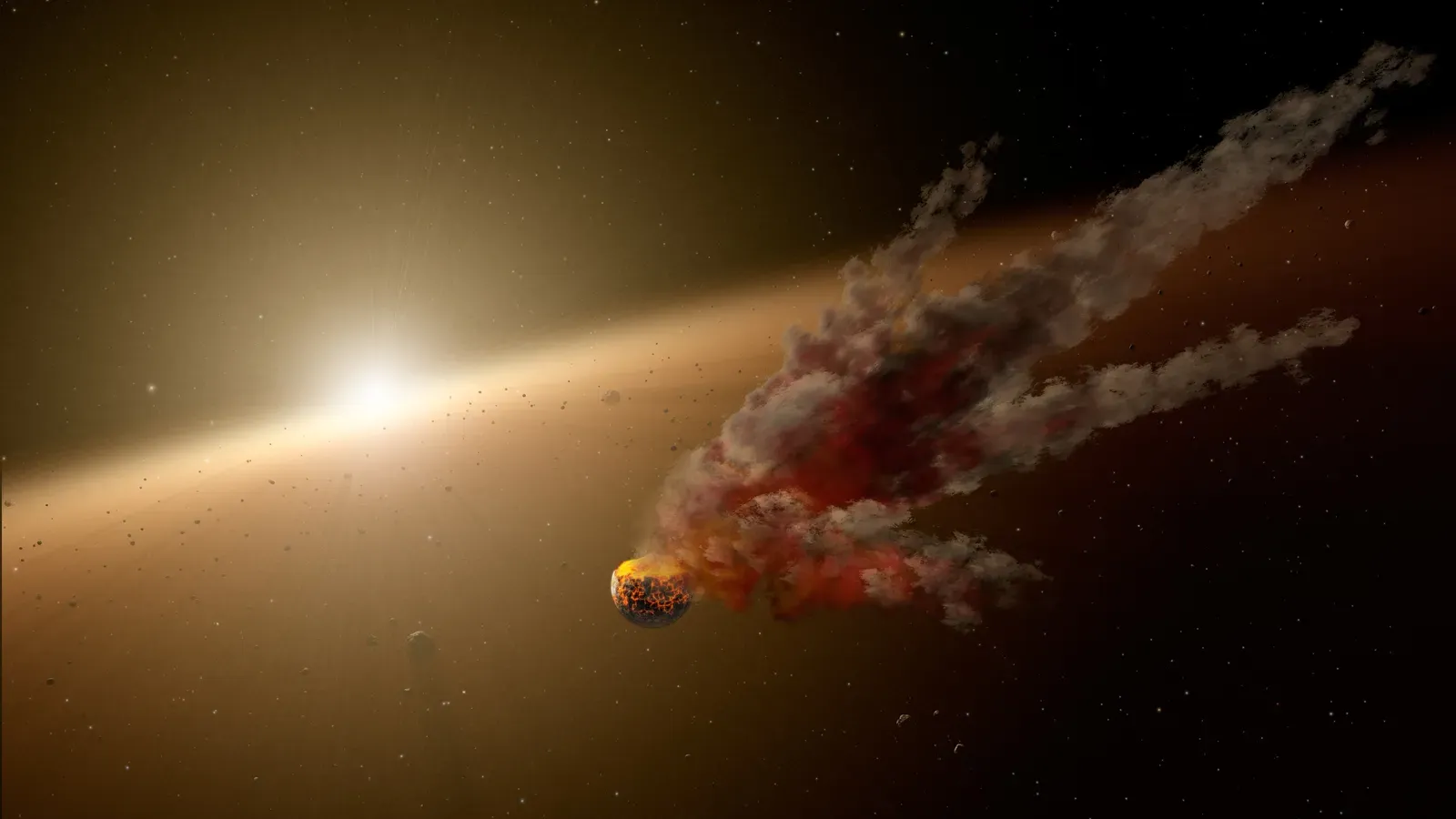
When you zoom out, cosmic impacts are not just astronomy trivia or dramatic scenes from disaster movies – they are part of the long-term risk landscape you actually live in. The odds of a truly massive impact in your lifetime are low, but the consequences would be so severe that ignoring the risk would be reckless. At the same time, focusing on it can give you a strange kind of clarity about what really matters: long-term thinking, global cooperation, and an honest look at your species’ place in the universe.
Paying attention to these collisions also changes how you feel when you look up at the night sky. Instead of seeing a distant, decorative backdrop, you start to see a dynamic, interconnected system that has already shaped your past and will continue to shape your future. You are not just a passive passenger on a quiet rock – you are part of a civilization that can study, anticipate, and maybe even prevent some of the universe’s more violent surprises. That realization can be a little unsettling, but it is also empowering: what other animal has ever had the chance to protect its world from the very cosmos that created it?
In the end, the story of asteroids and comets is really a story about you and your planet learning to live with a dangerous neighborhood. The same impacts that once boiled oceans, darkened skies, and ended entire eras have also delivered water, sparked evolutionary leaps, and, indirectly, made your existence possible. The next chapters are not fully written yet, and that is where your choices come in: how seriously you take the risk, how well you watch the skies, and how prepared you are to act when it counts.
As you step outside tonight and glance up, you might feel a new mix of awe and caution, knowing how many times the universe has tried to rewrite Earth’s story – and how many times it has succeeded. The difference now is that you get a say in what happens next, at least a little, if you choose to use the tools and knowledge you have built. So when you look at that dark, star-filled sky, you might quietly ask yourself: are you ready for your role in the next chapter, or did you once imagine the cosmos was just a pretty backdrop?