You’ve probably stood in front of a famous painting and assumed you were looking at the whole story – one artist, one decision, one moment sealed in paint forever. That’s the fantasy museums are built on. X-rays, infrared scanners, and synchrotron imaging have spent decades quietly wrecking that fantasy, one canvas at a time.
Underneath some of the world’s most beloved paintings, conservators keep finding entire other paintings hiding in the dark – abandoned lovers, secret self-portraits, discarded landscapes, even full compositions the artist apparently regretted enough to bury alive. Here are twelve of the strangest, most revealing discoveries, and why they change the way you’ll look at the “finished” version ever again.
#1 – Picasso’s “La Miséreuse Accroupie” Is Hiding a Completely Different Landscape
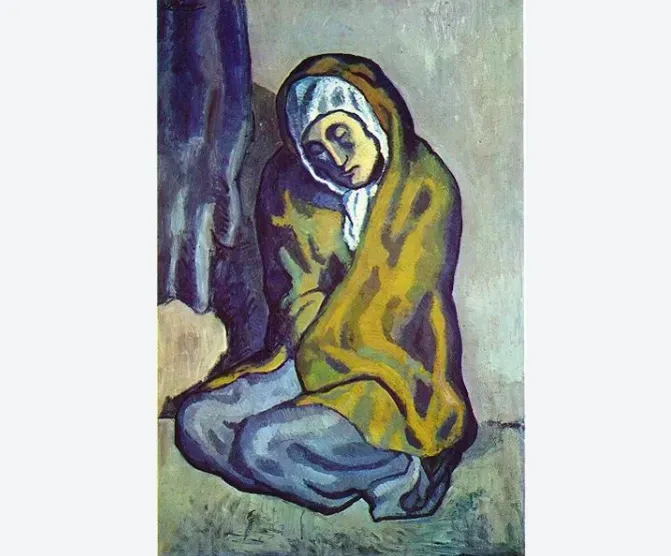
It sounds like clickbait, but it’s true: one of Picasso’s most famous Blue Period paintings is sitting directly on top of someone else’s landscape. Conservators studying La Miséreuse Accroupie (The Crouching Beggar Woman, 1902) ran X-ray and infrared reflectography scans expecting minor pentimenti.
Instead they found a full vertical landscape by another Barcelona painter, buried under the blue-toned beggar woman entirely. Picasso didn’t just paint over it – he rotated the canvas 90 degrees and reused the original cliffs as the outline of the woman’s hunched back.
Even stranger, parts of that hidden landscape are still quietly steering the color zones and contours in the final composition. He wasn’t covering a mistake. He was cannibalizing someone else’s finished work as structural scaffolding for his own.
For scholars, this is gold. It proves how broke and how ruthless early Picasso really was – recycling art like most people recycle cardboard, and somehow turning it into one of the defining images of his career.
Fast Facts
- Painting: La Miséreuse Accroupie, completed 1902 during Picasso’s Blue Period
- Detection method: X-ray combined with infrared reflectography
- Hidden image: A full vertical landscape by another Barcelona-based painter
- The twist: Picasso rotated the canvas 90 degrees and built the woman’s back from the original cliffs
#2 – Van Gogh Buried a Woman’s Portrait Under a Patch of Grass
Most people picture Van Gogh endlessly chasing sunflowers and wheat fields. Fewer know he was sometimes so broke he painted directly over his own portraits just to keep working.
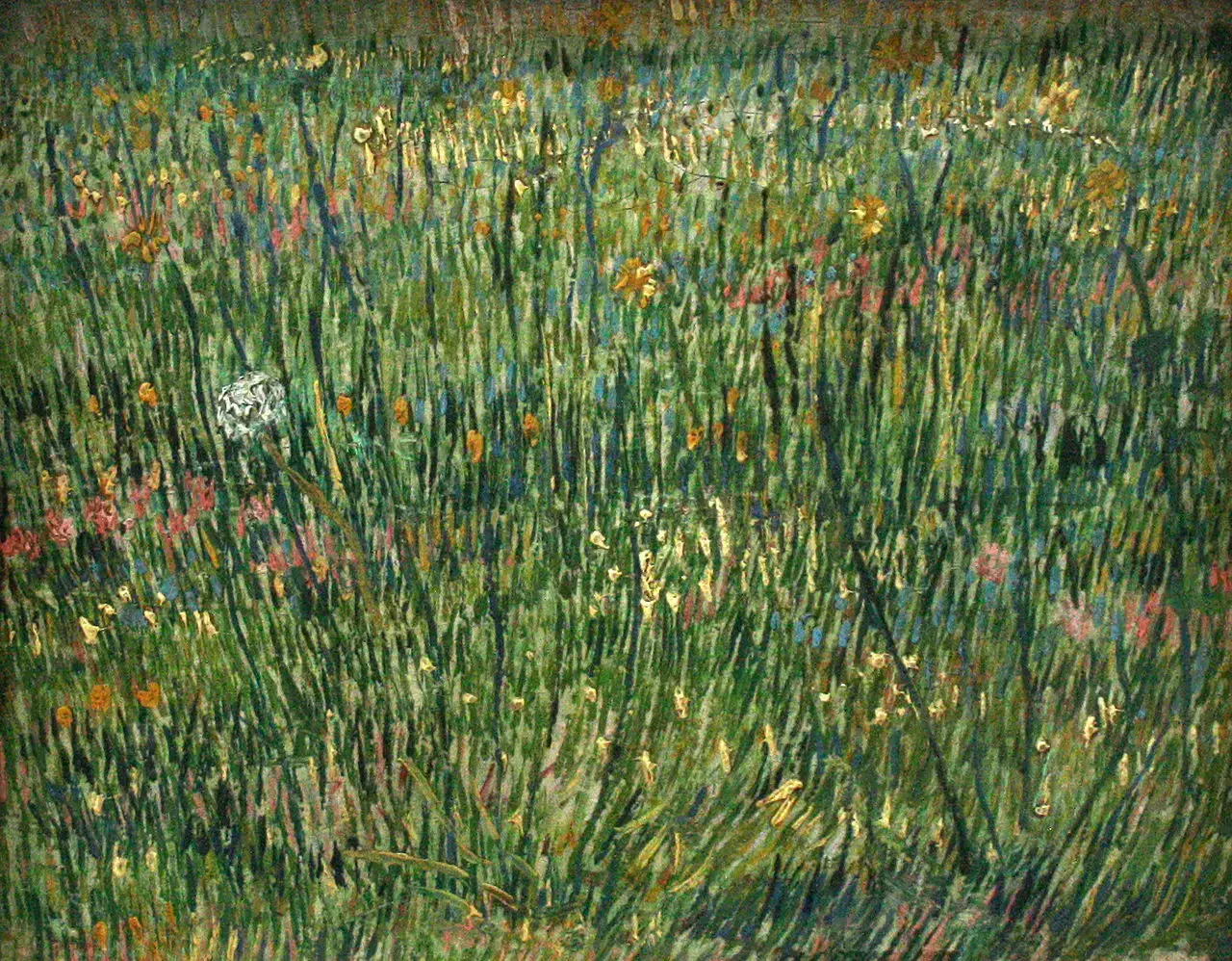
Under Patch of Grass (1887), researchers using X-ray and later synchrotron radiation reconstructed an entire lost portrait of a woman. Her head is turned slightly to the left, dressed in dark clothing, with a somber, unreadable expression.
It’s essentially a vanished Van Gogh, preserved only because he couldn’t afford a fresh canvas. Early in his career he painted dozens of local sitters for practice and small commissions – and when the money or the motivation ran out, the canvas simply got reused.
The eerie part is physical, not just historical: the paint buildup from the hidden face changes the texture of the grass on top. That strange bumpiness you can see in the surface today is literally the ghost of a woman’s face pushing through from underneath.
#3 – Leonardo da Vinci Abandoned Two Other Versions of “Virgin of the Rocks”
People love to imagine Leonardo as a flawless, hyper-planned genius who never second-guessed a brushstroke. The scans tell a messier story.
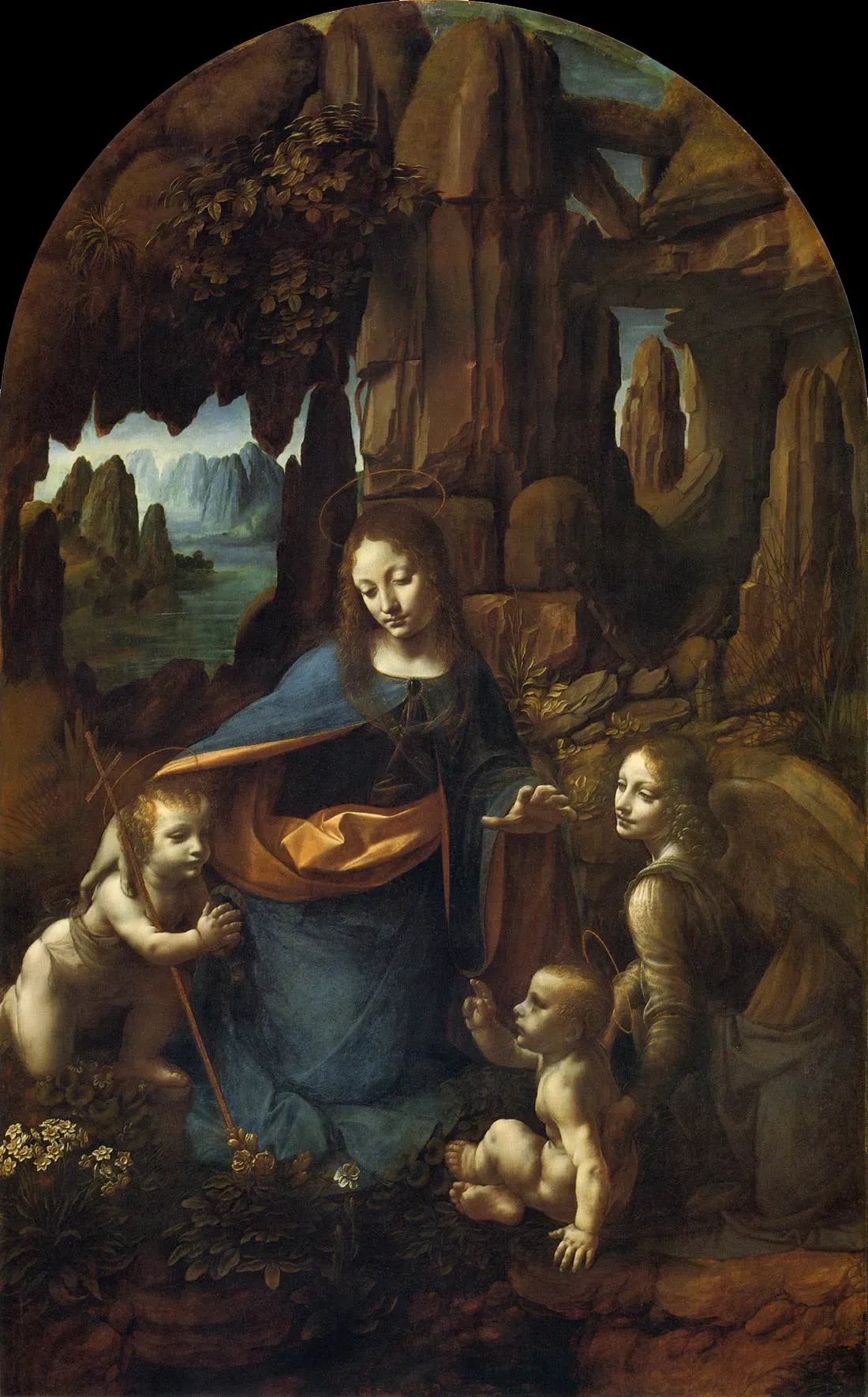
Infrared reflectography on the London Virgin of the Rocks has revealed at least one, possibly two, earlier arrangements of the figures sitting underneath the final version. One shows the Virgin, Christ Child, and an angel spaced completely differently than what we see today.
Leonardo laid out an entire idea, abandoned it, and reworked the whole design on the same panel – essentially sketching in oil paint instead of on paper. You can trace hands that were moved, heads that were resized, drapery that was reimagined from scratch.
The painting looks serene and inevitable from the gallery floor. Under the surface, it’s a record of trial, error, and second-guessing – proof that even Renaissance perfection was built on a pile of rejected first drafts.
#4 – Picasso’s “The Blue Room” Was Hiding a Silent Man in a Bow Tie
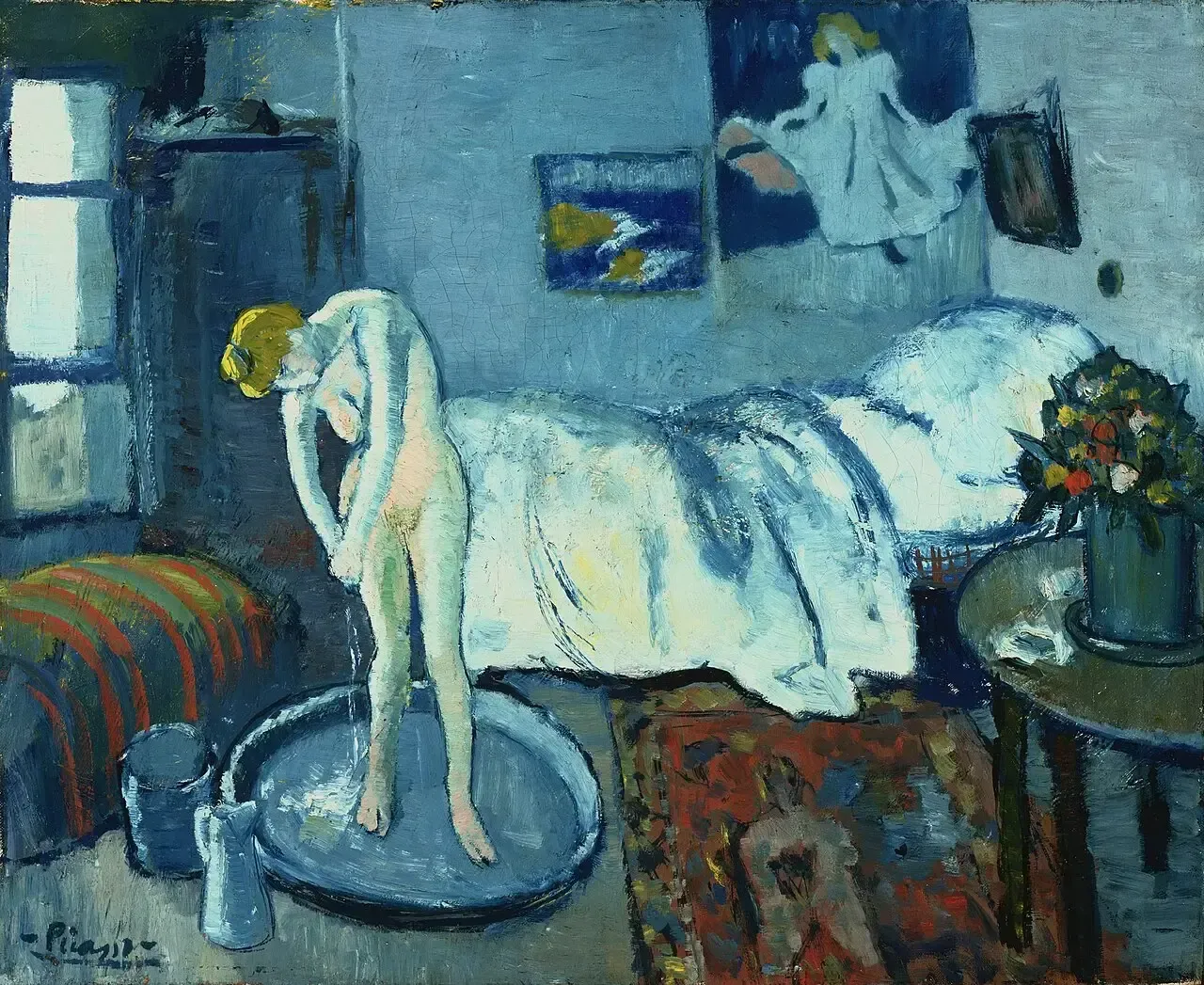
Picasso might genuinely be the reigning king of hidden paintings, because he did it again. The Blue Room (1901) shows a woman bathing in a quiet Parisian interior – except that’s not the whole canvas.
Technical imaging revealed a completely different portrait underneath: a bearded man in a bow tie, resting his head on his hand, staring calmly at the viewer. For over a century, museumgoers admired the bathing woman without any idea a full-scale male portrait was lying silently beneath their feet.
The practical explanation is poverty – reusing canvases was standard survival in Picasso’s early Paris years. The more interesting theory is aesthetic: the calm, buttoned-up man simply didn’t fit the emotional, melancholic Blue Period brand that was about to make Picasso famous.
Conservators can now digitally strip away the bathing woman and display both images side by side, turning one painting into a two-in-one time capsule of an artist reinventing himself in real time.
#5 – Rembrandt Painted Over a Completely Different Man’s Face
Everyone lines up for Rembrandt’s finished portraits without a second thought. What’s quietly fascinating experts right now is what’s hiding underneath one of them.
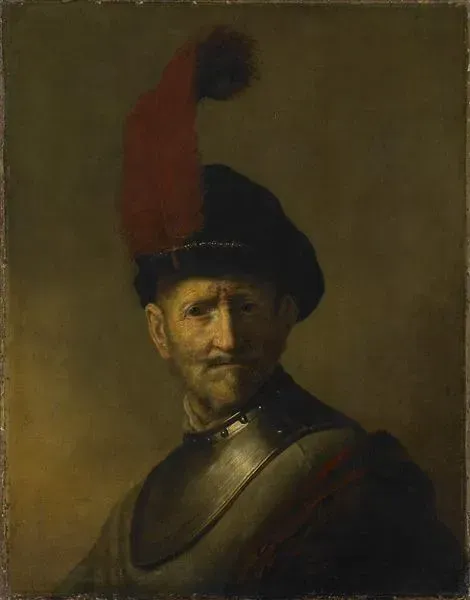
An Old Man in Military Costume (c. 1630–31) looks like a single, solemn sitter. Imaging revealed another head painted at a completely different angle underneath – a face that doesn’t match the final man at all, with different eyes, nose, and mouth placement, and lighting that doesn’t line up either.
This suggests Rembrandt either abandoned a commission or scrapped a study he wasn’t happy with, then simply painted a new man right on top. It’s a small but pointed reminder that portrait commissions – which we love to romanticize – were sometimes just as messy and negotiable as a modern photo shoot gone wrong.
Some historians even wonder if mapping these hidden faces across Rembrandt’s catalog could quietly rewrite who his actual clients were.
Quick Compare: How Conservators Actually See Through Paint
- X-ray imaging: reads density differences, ideal for spotting lead-heavy pigments buried under later layers
- Infrared reflectography: sees through top paint to catch underdrawing and reworked outlines
- Synchrotron radiation: an ultra-powerful scan used when a hidden image is too faint for standard X-ray
- Combined imaging: most major discoveries on this list only surfaced once two or more methods were layered together
#6 – Degas Erased an Entire Woman to Paint a Different One
Degas is remembered for ballerinas and racehorses, a polite Impressionist brand. Behind that reputation was a far more ruthless experimenter than most people realize.
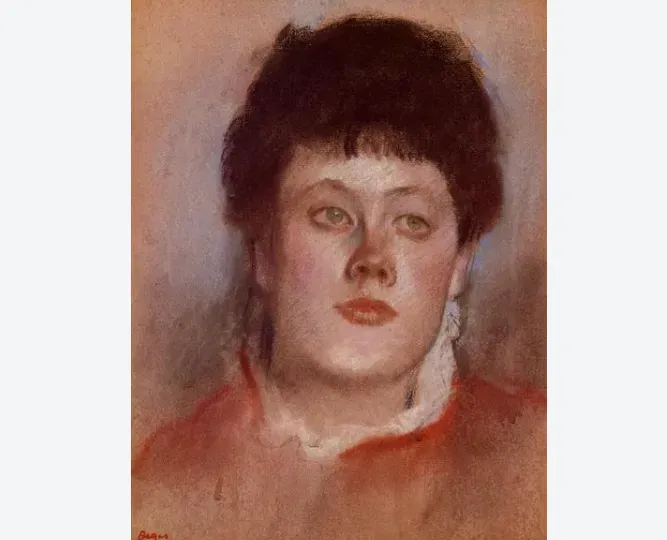
X-ray studies of Portrait of a Woman uncovered a fully realized, different sitter underneath the visible one – distinct facial features, a separate hairstyle, and clothing details that match nobody in the final painting. This isn’t a vague sketch. It’s a complete, finished portrait that got erased.
Why erase her? Maybe a more important client came along and the canvas got reused. Maybe Degas simply wasn’t happy with the likeness. Either way, a real woman’s image – her identity now lost to history – was quietly painted over and forgotten.
Conservators now use this canvas to ask an uncomfortable question: how many women’s portraits were treated as disposable in 19th-century studios, simply because a better-connected sitter walked through the door?
#7 – Van Gogh May Have Buried His Own Self-Portrait Under a Peasant Woman
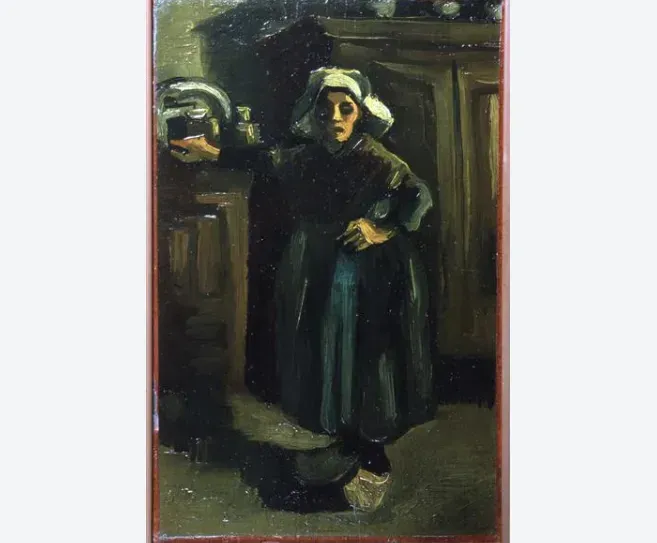
This one doesn’t just add a footnote – it quietly rewrites how people picture Van Gogh’s own face. In 2008, conservators studying Head of a Peasant Woman (1885) noticed strange density on one side of the panel.
X-rays revealed a man wearing a broad-brimmed hat and high-collared coat, in proportions and pose that closely match Van Gogh’s known self-portraits. The evidence lines up well enough that many scholars believe there’s a real self-portrait hiding beneath the peasant woman.
He most likely flipped the panel over and reused it when he moved on from Nuenen to the next phase of his career. The irony is brutal: museums treat every surviving Van Gogh self-portrait like sacred relics, while this one – arguably just as intimate – was considered disposable enough to cover with a village stranger.
Conservators can’t remove the peasant woman without destroying her, so the hidden Van Gogh exists in permanent limbo: scientifically proven, digitally reconstructed, but never to be seen with the naked eye.
Worth Knowing
- Many hidden paintings can only ever be viewed as digital reconstructions, not physical reveals
- Uncovering the buried image would mean destroying the finished painting on top
- Museums weigh historical curiosity against the risk of losing an already-beloved artwork
- This is why so many of these “discoveries” live in scan data and lab archives rather than on gallery walls
#8 – Goya’s Black Paintings Are Sitting on Top of Abandoned Scenes
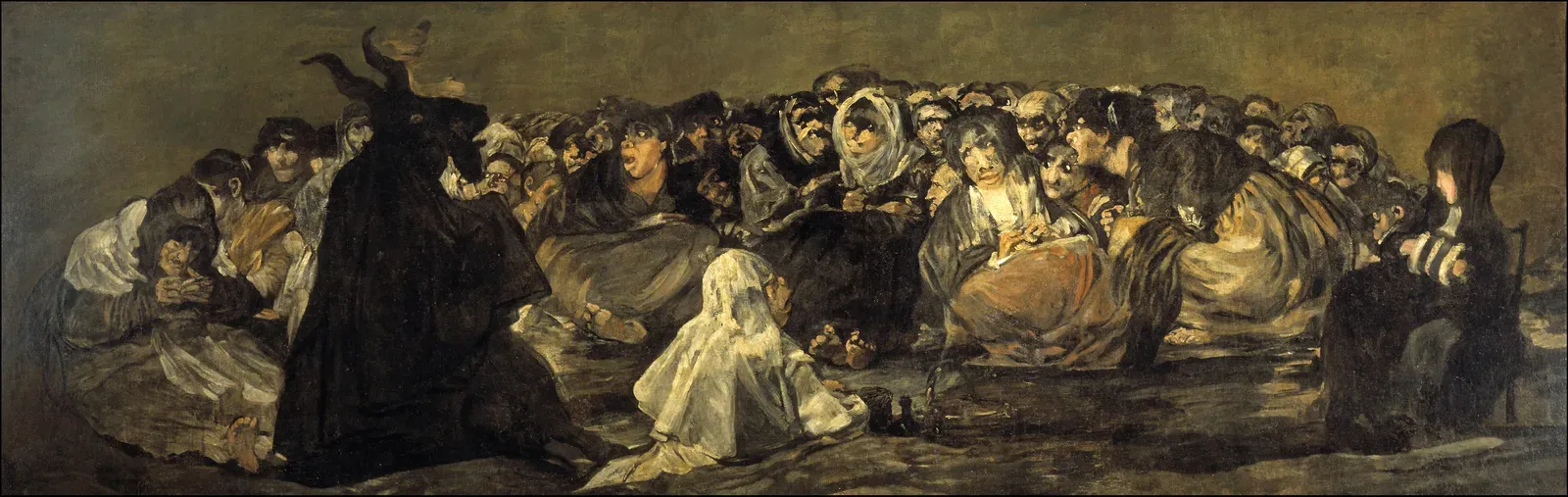
Goya’s late work is already unsettling. Technical imaging suggests the darkness runs even deeper than the paint you can actually see.
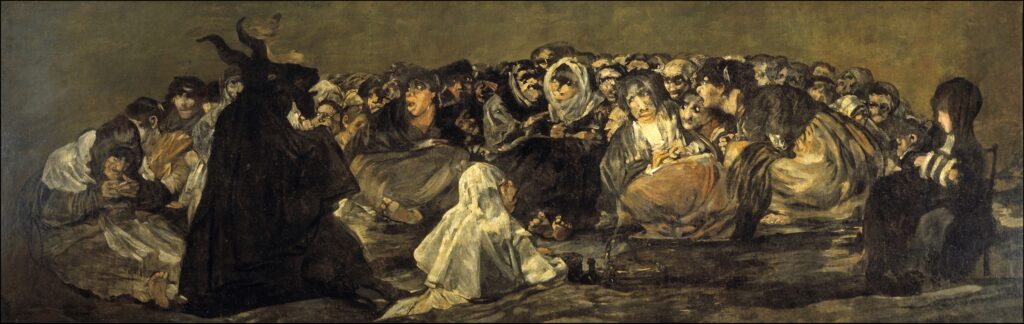
In the painting known as Witches in the Air – part of the notorious Black Paintings group – studies have revealed earlier compositions underneath, including differently arranged figures and possibly entirely unrelated subject matter. Goya reworked these canvases repeatedly, scraping and repainting rather than starting fresh.
This quietly kills the tidy story that Goya “suddenly” turned dark and visionary late in life. What the layers actually show is a slower process of revision, regret, and erasure, as more conventional scenes got painted out and replaced with nightmares.
So when tourists pose for photos in front of Goya’s most haunting images today, they’re often standing in front of a buried, more ordinary painting that he deliberately chose to destroy.
#9 – Klimt Painted a New Woman Directly Over a Lost Portrait
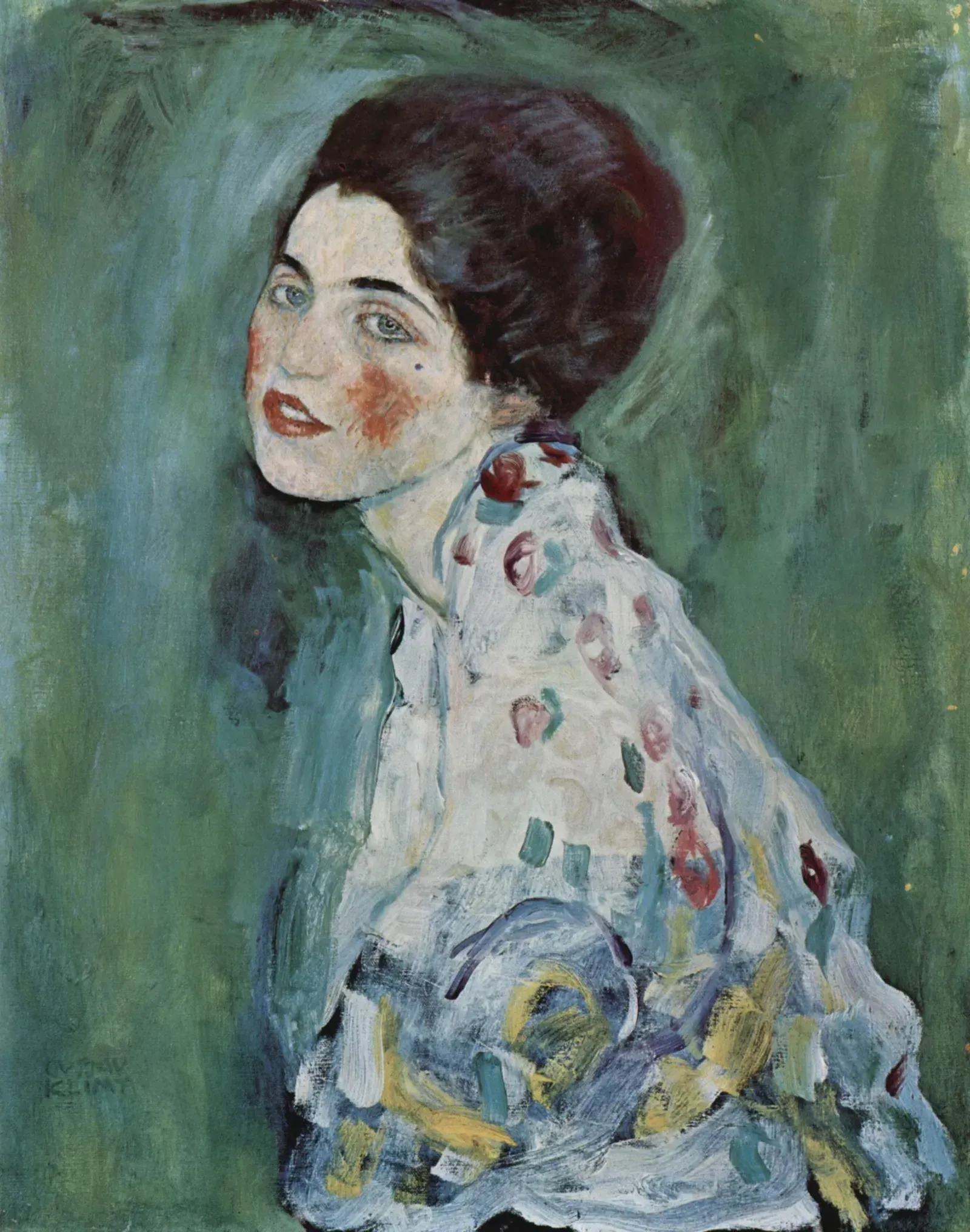
Most people think of Klimt as gold leaf and glamour. One of his portraits hides a story that sounds ripped from a novel.
In the 1990s, X-ray analysis of Portrait of a Lady (1916–17) revealed an entirely different, younger woman underneath – one matching another Klimt portrait long considered lost. He didn’t tweak a detail here. He painted one complete woman entirely over another.
The popular theory is heartbreaking: the original sitter, believed to be a young woman close to Klimt, died unexpectedly, and he reused her portrait as the base for a new commission. The scans confirm distinct facial features and a different pose in the earlier layer, aligned closely enough in size and placement to make this one of the cleanest “before and after” double portraits in modern art.
In a twist that sounds too neat to be true, the finished painting was later stolen and eventually recovered – adding a third life to a canvas that already secretly held two women.
#10 – “The Scream” Was Once a Calmer, More Ordinary Sky
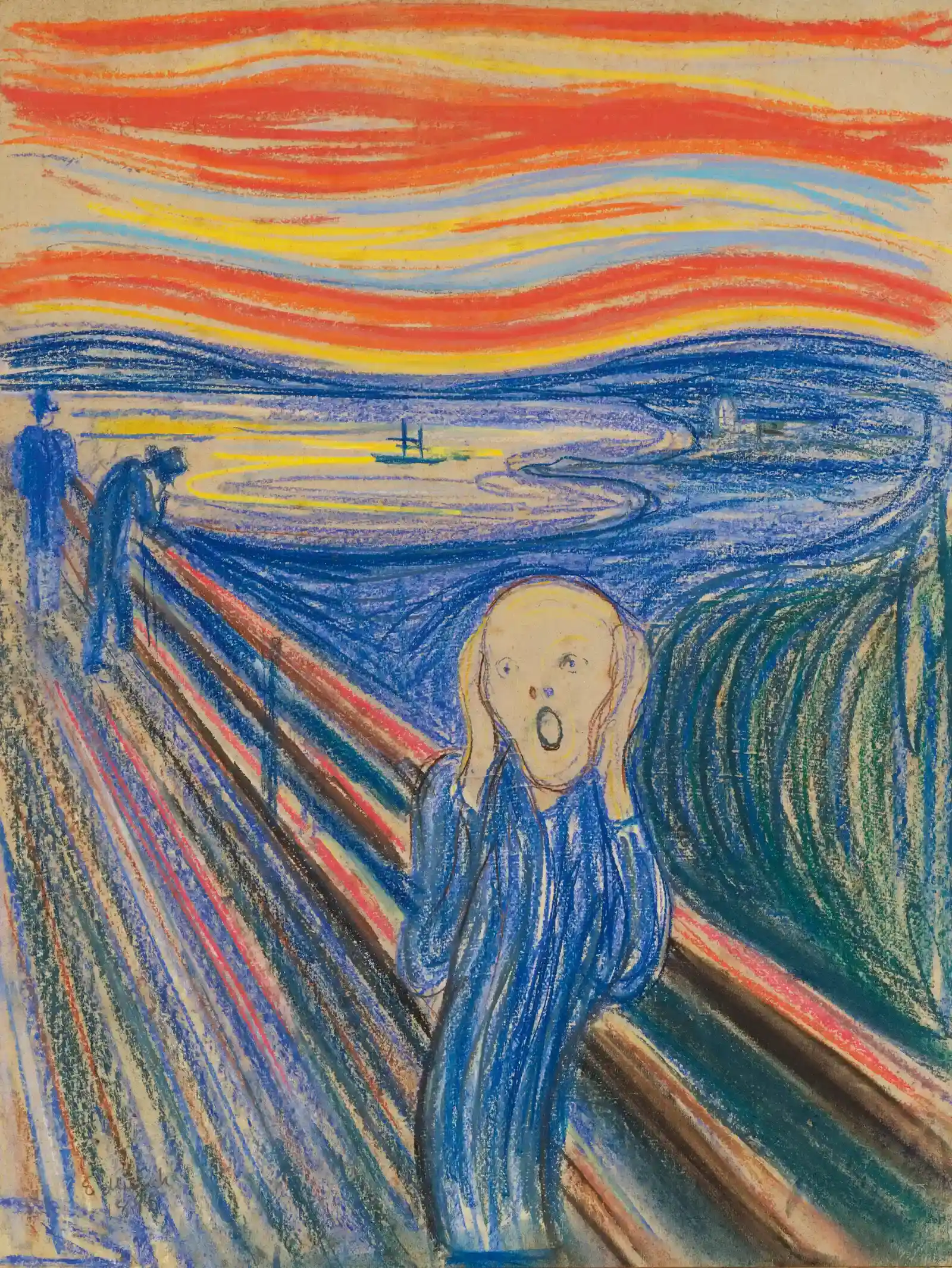
Everyone recognizes The Scream as one instantly iconic image. The reality underneath is more complicated, and more literally layered, than most people assume.
Conservation analysis on some versions of Munch’s The Scream has revealed earlier paint stages that were radically reworked – traces of a calmer sky treatment, shifted horizon lines, and adjusted figure outlines sitting beneath the final swirling composition.
This isn’t a hidden secret portrait like the others on this list. It’s a buried emotional state – proof that the panic in the final image was built up deliberately, stage by stage, rather than captured in one instinctive burst.
Put bluntly: the version that made Munch famous is painted directly on top of a more restrained, more ordinary version of the same scene. The horror we know is the last, most extreme draft of something that started off calm.
Why It Stands Out
- Unlike the other discoveries here, the layers beneath this one belong to the same artist reworking his own feelings, not a separate portrait
- It shows the iconic panic was engineered through revision, not captured in a single spontaneous burst
- It’s one of the rare cases where the “hidden painting” is an earlier draft of the exact same idea, not a different subject entirely
#11 – Caravaggio Buried an Entire Stack of Rejected Ideas in “The Taking of Christ”
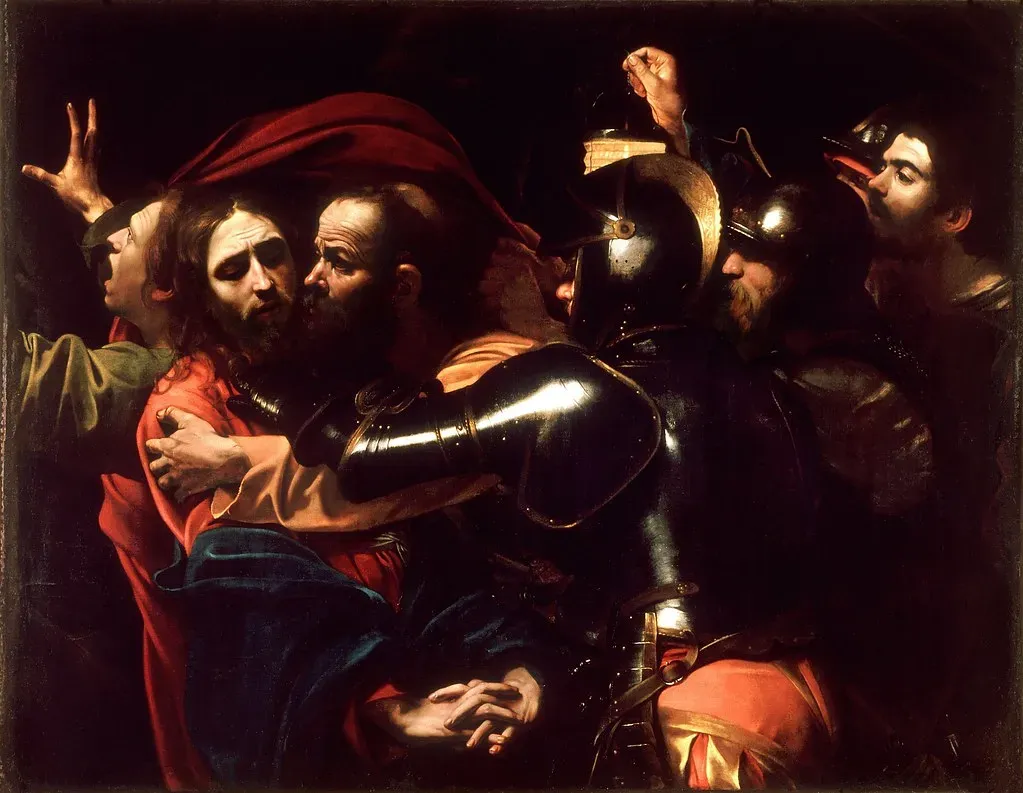
Caravaggio fans love to talk about his dramatic lighting. The underrated story is how violently he revised his own canvases as he worked.
In The Taking of Christ (c. 1602), technical analysis has revealed major underdrawing changes and partially painted-out figures. Hands were relocated, helmets shifted position, and certain heads sit in entirely different spots beneath the final paint layer.
This wasn’t a case of neatly transferring a pre-planned cartoon onto canvas. Caravaggio was solving the composition live, using paint itself as both sketch and correction fluid, discarding solutions as he found better ones.
The famous “spontaneous realism” people praise in this painting is actually the surviving tip of a much messier process – a silent stack of rejected Caravaggios sitting directly underneath the one we admire.
#12 – Mondrian’s Rigid Grids Were Rearranged and Buried More Than Once
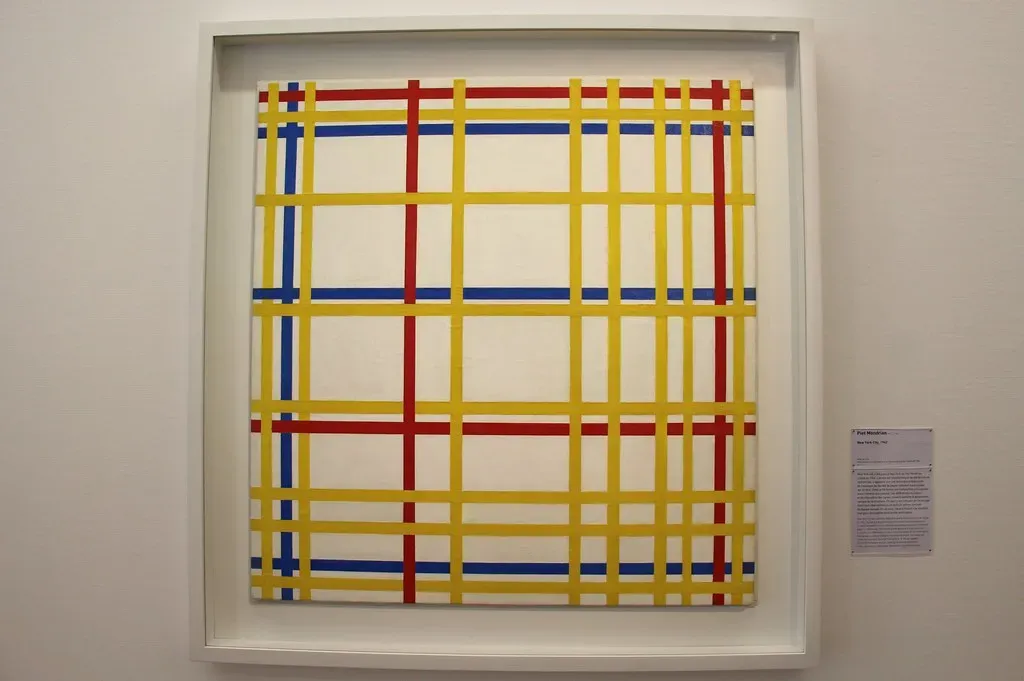
You don’t expect the words “hidden painting” to apply to cold, hard-edge abstraction. Mondrian proves that assumption wrong.
In New York City I and related grid paintings, advanced imaging has revealed earlier configurations of lines and colors underneath the final design. In at least one work, hidden tape lines and painted-over grids show an entirely different rhythm that Mondrian built, then abandoned, on the very same canvas.
This stings a little for purists who like to imagine Mondrian as a purely mathematical planner. The layers tell a more human story: verticals and horizontals shifted, colors tested and rejected, and decisions about where red, blue, or yellow belonged made and unmade multiple times.
In a strange twist that fits right in, one museum reportedly displayed a Mondrian upside down for decades before scholars caught the mistake – a small, fitting reminder that even his most “finished” grids were never quite as settled as they look.
The Real Masterpiece Might Be the One You Can’t See
Conservators have basically demolished the idea that a painting is one fixed decision, frozen at a single moment. Under Picasso’s Blue Period canvases, Van Gogh’s recycled panels, Leonardo’s serene Madonnas, and Klimt’s glamorous portraits, there are other lives, other faces, and other abandoned ideas literally entombed in paint.
Sometimes it was poverty. Sometimes it was grief, or plain stubborn perfectionism. Either way, the “masterpiece” hanging on the wall is often just the last draft that happened to survive the artist’s editing process – not some perfect, singular vision that arrived fully formed.
Here’s the part that actually bothers me: museums keep selling the illusion of finality, even while their own conservation labs quietly prove how provisional these images really were. If anything, the buried paintings feel more honest than the polished surfaces we’ve spent a century fetishizing.
Did we miss a hidden painting that deserves more attention – or do you think museums should start showing the ghost images right alongside the finished ones? Drop your take in the comments.