You have probably been told your whole life that fish are simple, unfeeling creatures, more like moving plants than animals with an inner world. For a long time, scientists talked about them almost like biological robots: they react, they twitch, they flee, but they do not really feel. Now, a growing body of research is quietly tearing that story apart, and once you see what has been discovered, it becomes very hard to look at a fish in the same way again.
Consciousness researchers and animal welfare scientists are increasingly arguing that fish do something very close to what you would call “feeling pain” – not just basic reflexes, but distress that matters to them. This changes the emotional weight of everything from your weekend fishing plans to the way entire nations run their seafood industries. The ocean stops looking like a backdrop and starts looking like a crowded, mostly invisible moral community, full of beings whose experiences you have been underestimating for decades.
The New Science of Fish Pain: More Than Just Reflexes
When you touch a hot stove, your hand jerks back before you consciously register the pain; that quick pull-away is a reflex. For years, people argued that fish only had that kind of basic reflex, and nothing more, so hooking or cutting them was thought to be no more morally serious than trimming a plant. But when researchers started looking closely, they found fish reacting in ways that go well beyond simple automatic responses, suggesting that something more like what you call “suffering” is happening.
In many experiments, when fish are exposed to something clearly harmful, like acid or a sharp injection, they do not just twitch and move on. They rub the injured area on the sides of the tank, they rock or shimmy in unusual ways, and they avoid eating even when they are hungry. When those same fish are given pain-relieving drugs, they stop behaving in those distressed patterns and return to normal, just as you would expect if the drugs were easing an unpleasant experience rather than just numbing a wire.
Inside a Fish’s Head: Brains, Nerves, and the Machinery of Feeling
If you open up a fish’s head, you will not see a brain that looks like yours, and that difference has been used as a reason to dismiss the idea of fish pain. But the deeper you go into the neuroscience, the clearer it becomes that brains do not have to look the same to do something functionally similar. Fish have specialized nerve endings that respond to damaging stimuli, and they have brain regions that process this information in complex ways, rather than simply flipping a reflex switch.
When researchers record from fish brains during harmful events, they see coordinated activity in multiple areas, not just in a tiny reflex loop. You also find that fish have learning systems that integrate painful experiences with memory, so they learn to avoid what hurt them in the past in quite sophisticated ways. You rely on the same sort of pain-memory connection to keep you from touching hot metal twice, and although the wiring details differ, the functional logic in fish seems surprisingly close to what you see in other vertebrates you already accept as feeling beings.
Behavior That Looks Uncomfortably Familiar
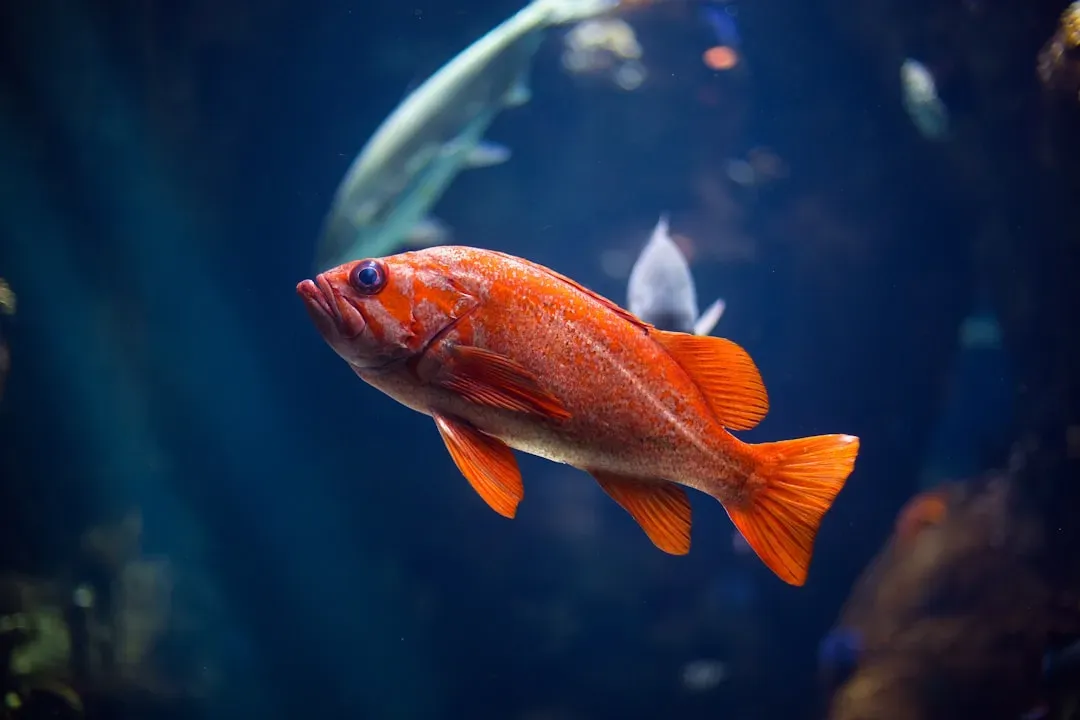
If you want to know whether another animal feels something like pain, you often start by just watching what it does. When fish are injured, they do not behave like insensitive machines; they behave more like small, frightened animals trying to manage a bad situation. You see them guarding the injured body part, swimming more cautiously, hiding more often, and showing signs of what looks very much like long-lasting anxiety and wariness.
In some studies, fish will give up food or exploration opportunities to avoid areas associated with past harm, even when they are stressed or hungry. That trade-off tells you that something deeply negative is being weighed against their immediate needs, a bit like when you choose not to walk down a dark alley where you were once attacked, even if it is the fastest way home. The more closely you look, the harder it becomes to keep pretending fish are just meat that moves.
What “Functionally Identical to Pain” Really Means for You
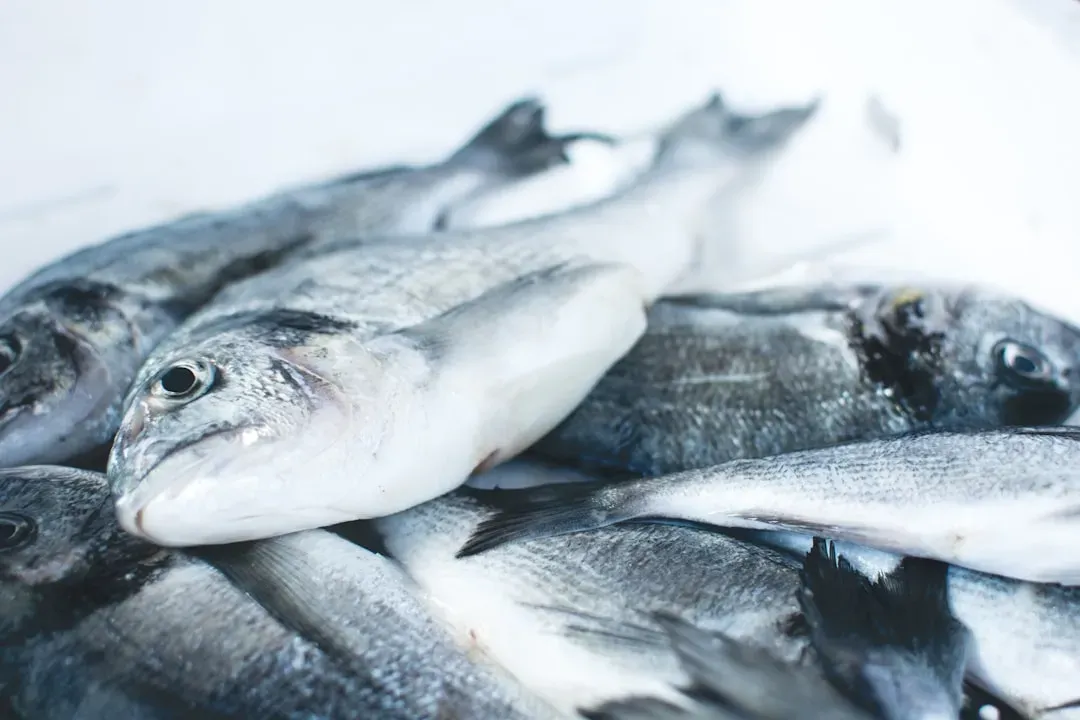
When scientists say fish likely experience something “functionally identical to pain,” they are making a very specific and important claim. They are not promising you that a trout’s inner world feels exactly like yours, with the same shades of dread, panic, or hurt, because no one can fully step into another species’ mind. Instead, they are saying that fish have the neurological hardware, the behavioral reactions, and the learning patterns that all line up with the role pain plays in mammals like you.
In your own life, pain does at least two big things: it protects you in the moment and teaches you for the future. Fish show those same two functions in ways that are hard to dismiss, which suggests that whatever is happening in their experience is not just a meaningless reflex storm. This means that if you use the same standard you already apply to dogs, cats, or birds, you should probably extend similar moral concern to fish, even if their faces do not wrinkle the way yours does when you get hurt.
Rethinking Seafood: What Ends Up on Your Plate
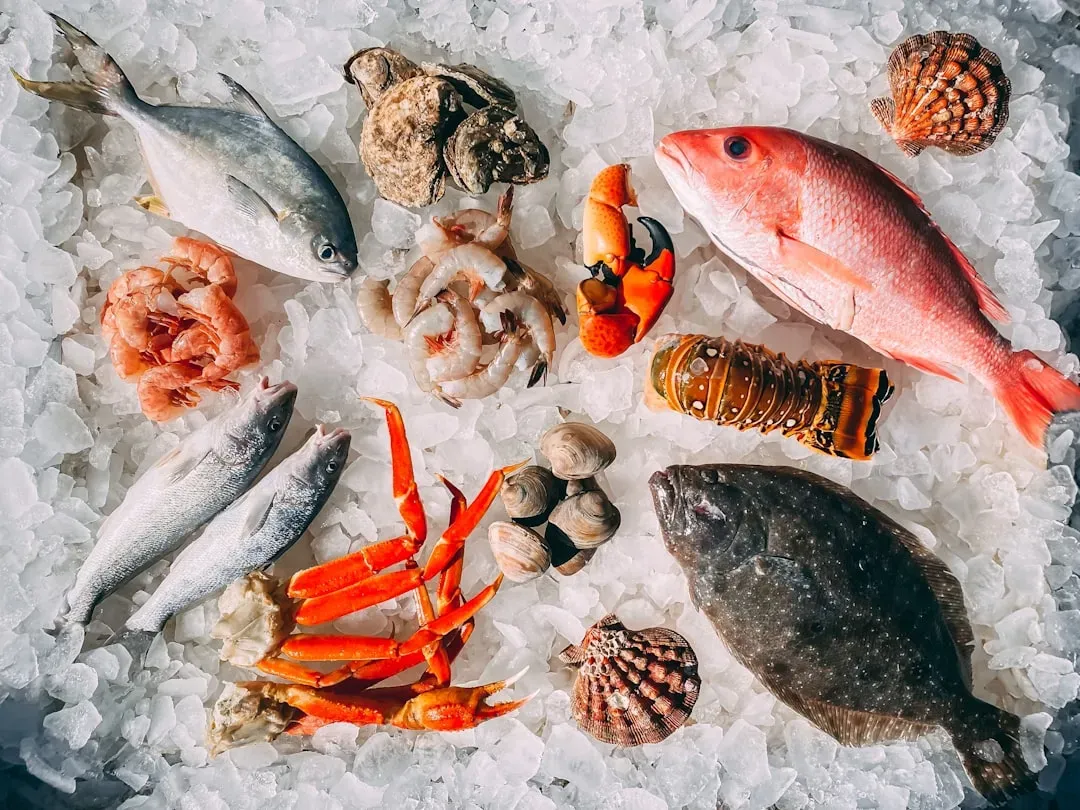
Once you accept that fish likely feel something akin to pain, your relationship with seafood starts to look very different. You are no longer just choosing between proteins; you are choosing how much unacknowledged suffering you are willing to tolerate in your meals. Industrial fishing and aquaculture involve practices like crowded net pens, long periods out of water, slow suffocation, and rough handling that you would never accept if they were happening to animals you see as clearly sentient.
This does not automatically mean you must stop eating fish, but it does push you toward more thoughtful decisions. You might start seeking out producers that use quicker, more humane killing methods or support regulations that reduce the worst forms of suffering. You can also explore eating fish less often, or shifting some meals to plant-based or lab-grown alternatives, treating fish as morally serious beings whose lives should not be treated as cheap and disposable.
Fishing for Fun: When Recreation Involves Real Distress
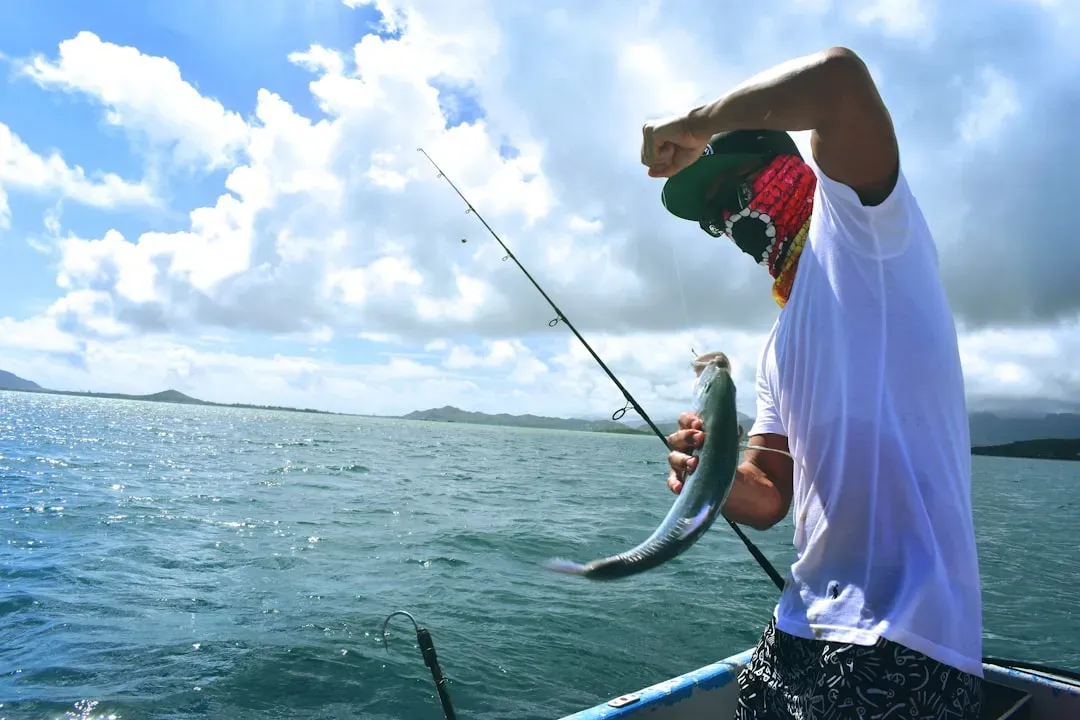
If you enjoy recreational fishing, you have probably been told that catch-and-release is harmless, or that fish forget the experience almost instantly. The emerging science on fish pain delivers a difficult message here: being hooked through the mouth, dragged through the water, and handled at the surface is very likely a deeply stressful and painful experience for the fish, even if it swims away afterward. When you see it that way, a casual weekend activity suddenly looks more ethically charged.
You do not have to throw away your love of being near the water to respond to this new understanding. You can shift toward forms of enjoyment that do not involve hooking animals, like wildlife watching, underwater photography, or conservation volunteering. If you are not ready to give up fishing, you can at least adopt best practices that shorten fight times, use barbless hooks, keep fish in the water as much as possible, and avoid fishing in extreme temperatures. Each of these choices is a small but real way of taking fish experiences seriously.
The Ocean as a Moral Community, Not Just a Resource
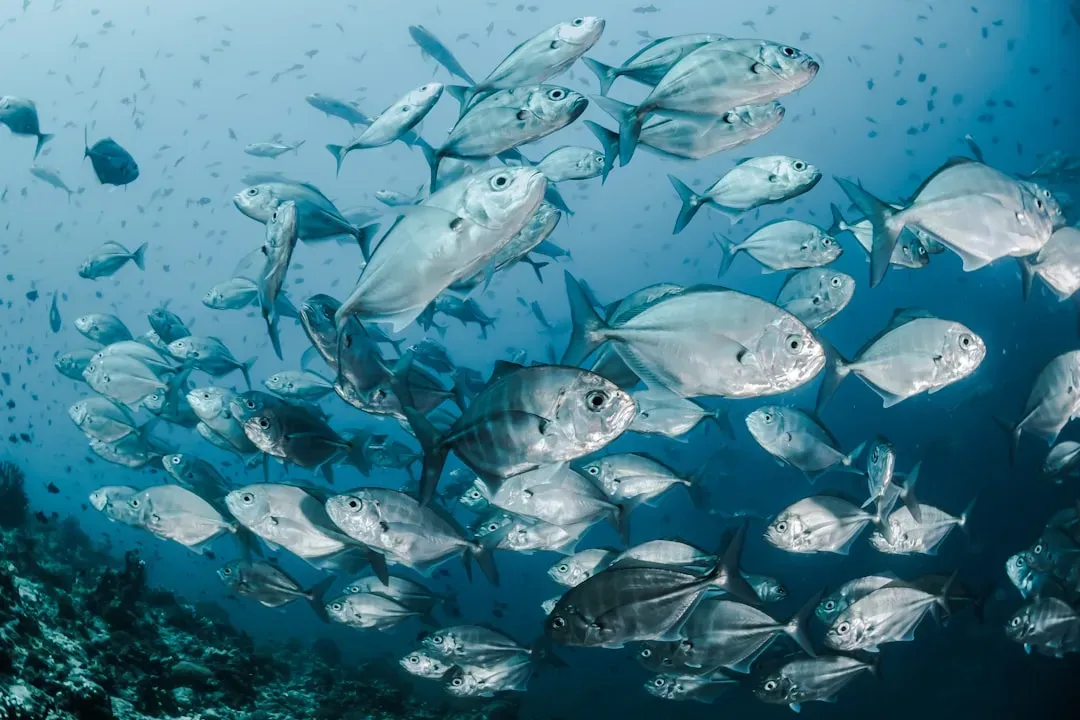
You have been encouraged to think of the ocean mostly in terms of resources: fish stocks, harvest quotas, tonnage landed each year. When you start to see fish as beings capable of pain, that framing suddenly feels narrow and cold. The sea stops being a supermarket shelf and starts looking more like a crowded city, full of lives unfolding with their own needs, fears, and preferences, even if they are very different from yours.
This shift in perspective can be uncomfortable, because it means that every big trawler, every massive aquaculture facility, and every overfished region of the ocean carries a heavy unseen cost in lived experience. At the same time, it can also be deeply motivating. When you recognize the ocean as a moral community, you are more likely to support marine protected areas, sustainable practices, and policies that reduce not just population collapse but also individual suffering. The ocean becomes not only something you depend on, but something you owe respect to.
What You Can Actually Do With This Knowledge
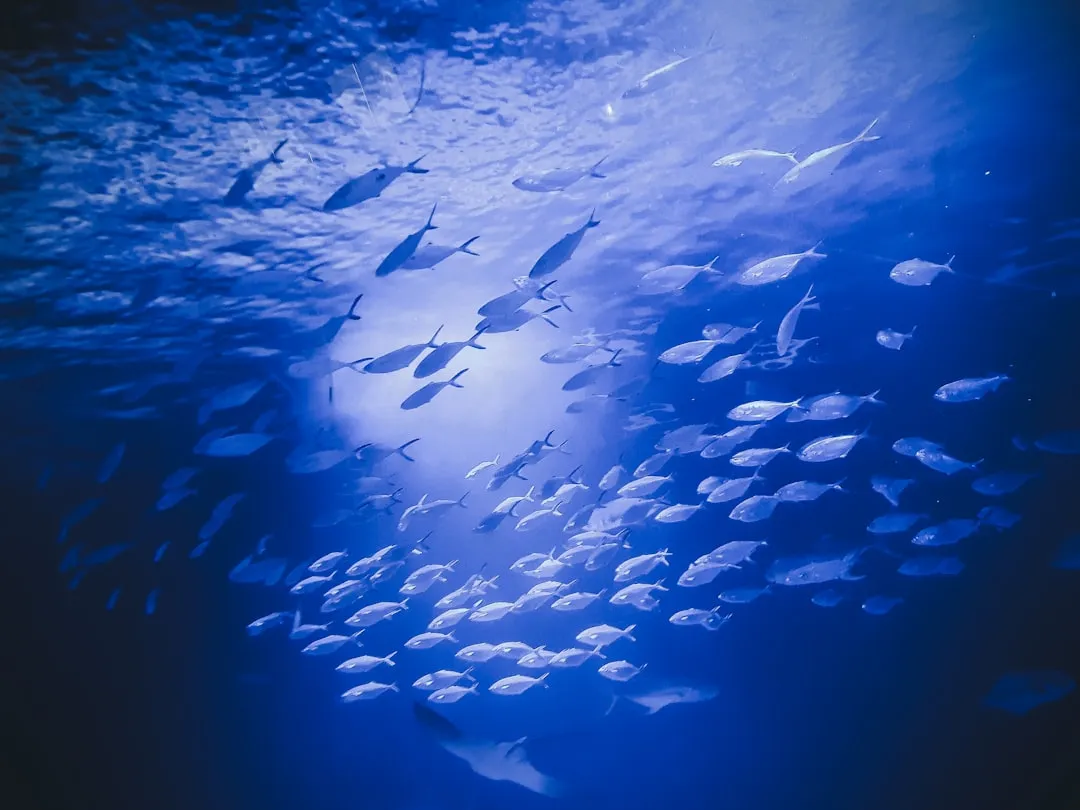
Learning that fish likely feel something like pain can leave you wondering what, if anything, you should change in your own life. You do not have to overhaul everything overnight, but you can start with small, concrete steps that match your values. You might begin by paying closer attention to where your seafood comes from, choosing options certified for better welfare and sustainability, and treating fish as seriously as you would other animals whose suffering you recognize.
You can also use your voice in quiet but powerful ways: ask questions at restaurants, support organizations working on ocean health and animal welfare, and talk to friends and family about what you have learned without shaming them. Even adopting a “less but better” approach to eating fish can reduce pressure on the most exploited species. Each adjustment you make is a way of aligning your habits with your growing understanding that the ocean is full of feeling creatures, not mindless commodities.
Conclusion: Seeing Fish – and the Ocean – With New Eyes
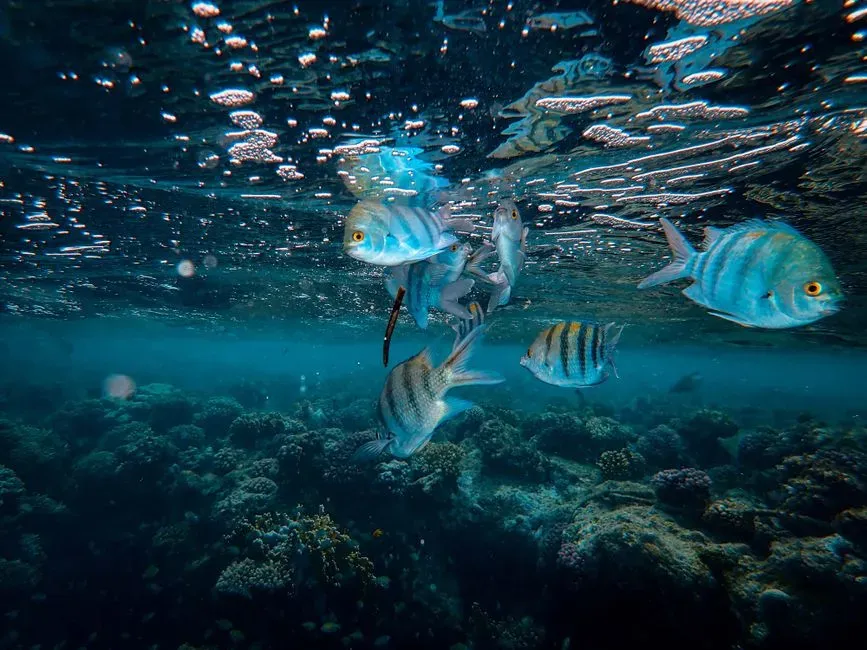
Once you accept that fish likely experience something functionally similar to pain, you cannot help but see the ocean differently. The quiet, flickering shapes beneath the surface are no longer just background scenery or moving food; they are individuals with experiences that can go badly or well, depending on what you and your society choose to do. This realization can feel heavy, because it reveals how much unseen suffering may already be woven into your everyday choices.
At the same time, it is also a kind of invitation. You now have the chance to treat the ocean with a deeper respect, to reduce unnecessary harm where you can, and to demand better from the systems that turn living beings into anonymous products. You do not have to be perfect to matter; even modest shifts in awareness and behavior can ripple outward in ways you may never fully see. Now that you know fish likely feel more than you once thought, how will you let that knowledge change the way you relate to the sea?