
You walk around every day with a clear sense of who you are: your likes, your dislikes, your memories, your opinions. It feels solid and continuous, like an unbroken movie of “you” playing from childhood to now. But modern consciousness research is quietly suggesting something far more unsettling and fascinating: that this inner “you” might be less of an objective truth and more of a story your brain is constantly editing on the fly.
That doesn’t mean you’re fake, or that nothing about you is real. It means the brain might work more like a storyteller than a camera, more like a social media feed than a static filing cabinet. And once you see how deep that goes – how memory, identity, and even free will can be shaped by hidden brain processes – it changes how you look at almost everything, from your worst mistakes to your proudest achievements.
The Brain as a Storytelling Machine, Not a Passive Mirror
One of the most surprising findings in consciousness research is that the brain doesn’t simply “record” reality like a security camera. Instead, it builds an ongoing narrative that makes sense of scattered sensations, emotions, and memories. Think of it like your brain is running an internal news channel, constantly turning chaotic raw footage into clean, coherent headlines that feel obvious and inevitable in hindsight.
This story-making is not a minor side feature; it appears to be central to how we experience being a self. Rather than uncovering some pure, unfiltered “true you,” your brain assembles a version of you that fits your current needs, beliefs, and social context. That version often feels deeply authentic, but it can also be biased, incomplete, or just plain wrong – and you’ll rarely get a notification that the story has been quietly rewritten.
The “Interpreter” in Your Head and Why It Always Has an Explanation
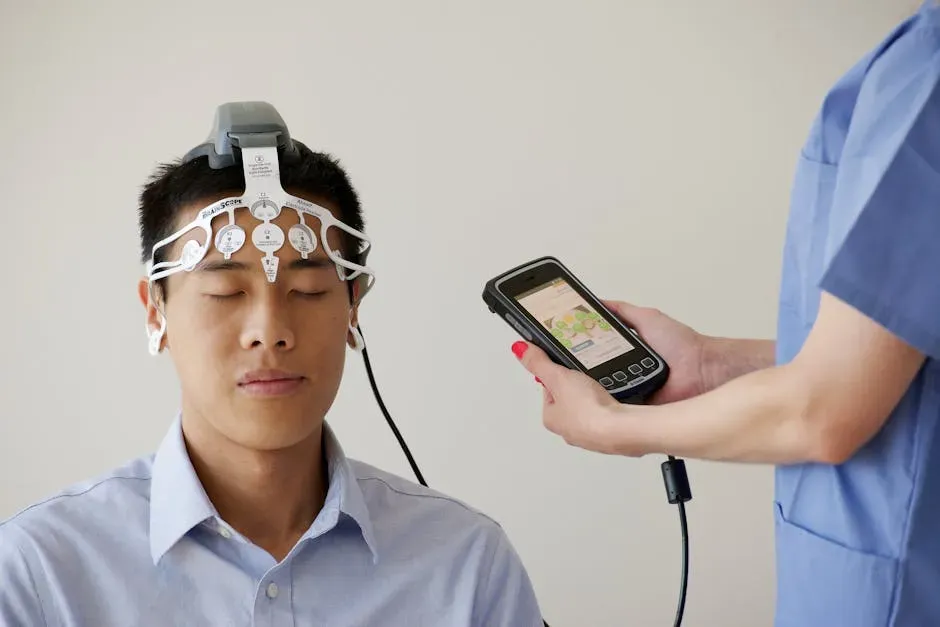
Neuroscientists studying patients with brain injuries have found something eerie: people will confidently explain their own behavior even when key brain circuits are offline and they literally cannot know why they did what they did. The mind tries to fill in the gaps, offering reasons that sound reasonable even if they are invented after the fact. This habit of instant explanation suggests the brain houses an “interpreter” that cares more about coherence than accuracy.
You can see a softer version of this in everyday life. You might say you bought a certain product because of a smart, rational feature, when in reality you were swayed by color, mood, or a subtle social cue you never consciously noticed. The explanation still feels true because the interpreter quickly builds a story that preserves your image as a consistent, rational person. The scary part is not that we misinterpret ourselves; it’s that we rarely suspect we are doing it.
Memory: Less Like a Hard Drive, More Like a Wikipedia Page
We tend to treat memory as storage: events go in, and later we pull them out more or less intact. But research on memory shows something much messier. Every time you remember, you are not just replaying; you are actively reconstructing. Bits can be added, reshaped, or quietly dropped, influenced by your current emotions, beliefs, and even the stories other people tell about the same event.
This matters for identity because your sense of who you are is built on those memories. If your brain is subtly rewriting episodes from your past – highlighting some details, muting others – you end up with a life story that’s polished but not perfectly accurate. It’s like editing your own biography without realizing you’re the author, not just the subject, which makes the “self” feel stable even as the source material keeps shifting.
The Illusion of a Single, Unified Self
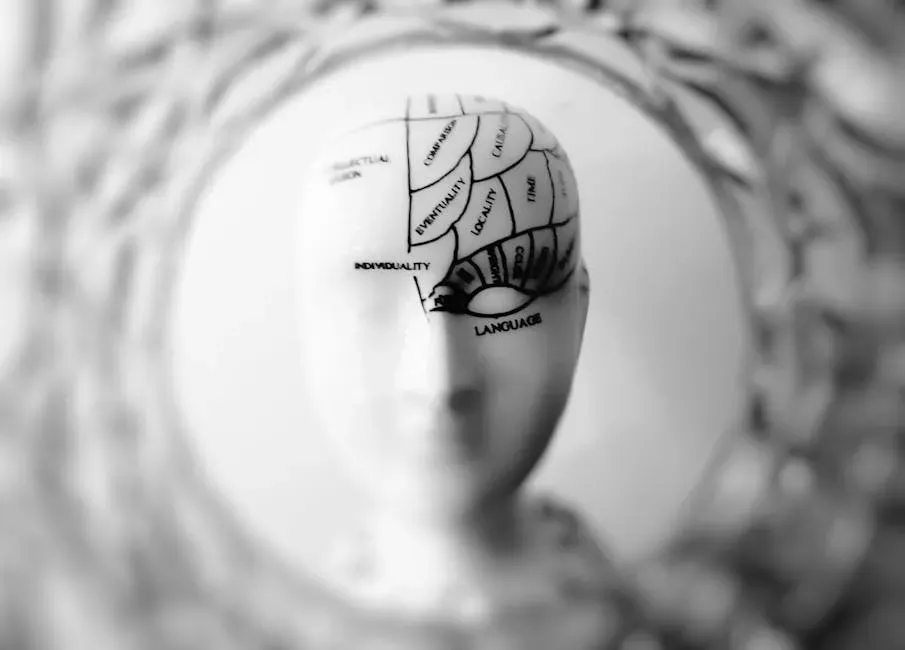
We feel like a single, unified person, yet a lot of evidence points to the brain being more like a committee of different systems, each with its own priorities. There are circuits for habit, for threat detection, for planning, for social reasoning, and more. Often they cooperate, but sometimes they clash, which you experience as inner conflict: part of you wants to stay up late scrolling, another part wants to sleep, and a third part is already regretting tomorrow’s grogginess.
The sense of one “I” overseeing all of this might be an elegant user interface rather than a literal control center. Your consciousness presents a smooth front-end so you do not feel like a swarm of competing processes. That unified self is incredibly useful for navigating the world and relationships, but it risks being overrated as a faithful picture of what’s really happening under the hood.
Free Will, Decisions, and the Split-Second Head Start of the Brain

Experiments measuring brain activity suggest that the neural buildup leading to a simple decision can sometimes be seen shortly before you consciously feel you have chosen. In other words, by the time the “I” in your head says, “I’ve decided,” unconscious processes may already be well underway, nudging your body toward a particular action. That does not prove you have no free will, but it does raise uncomfortable questions about how much of your choice happens behind the scenes.
One way to think about it is this: your conscious sense of deciding might be more like a commentary track layered on top of deeper, faster processes. You still experience agency, you still care about your choices, and your values can influence those unconscious pathways over time. But the clean feeling of “I chose this, start to finish” looks more like a persuasive story than a perfect transcript of cause and effect.
Social Media Selves vs. Brain-Built Selves
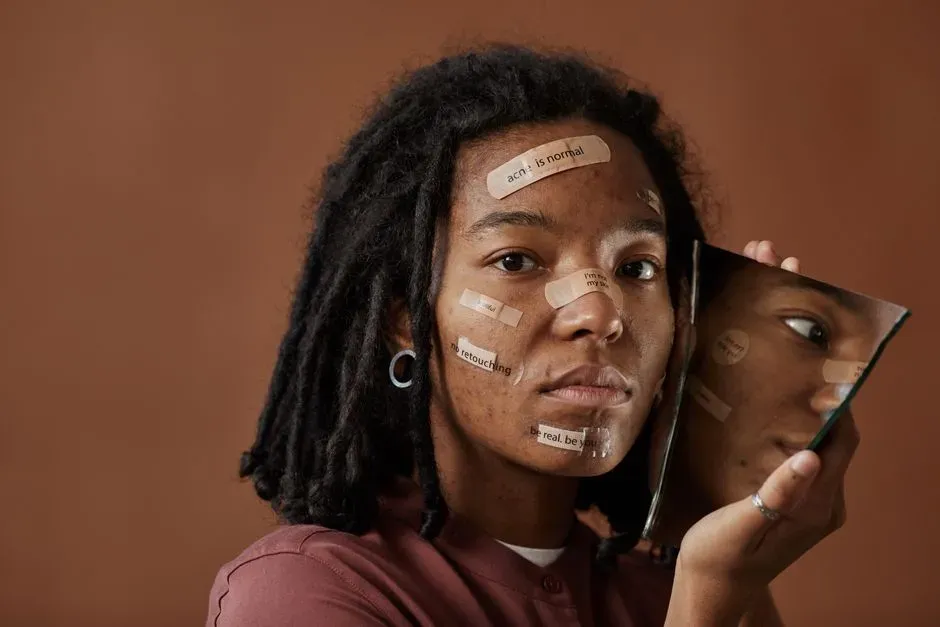
We are all familiar with curated online identities: the highlight reels, the filtered photos, the carefully worded posts that show the version of ourselves we want others to see. It’s tempting to think the “real self” is what happens offline, but modern psychology suggests the line is not that clear. Your brain is also curating, deleting, and editing behind the scenes in everyday life, long before anything hits a screen.
In that sense, the social media self is just a more visible, intentional version of what the brain does automatically: it smooths out contradictions, amplifies some traits, and hides others to maintain a coherent story. The problem comes when you start believing that any one of these stories – the online you, the private you, the professional you – is the whole truth. The reality is messier, but also more honest: you are a cluster of overlapping, partly conflicting narratives, and that is not a flaw, it is the default setting.
Why This Isn’t All Bad News: Flexibility as a Superpower
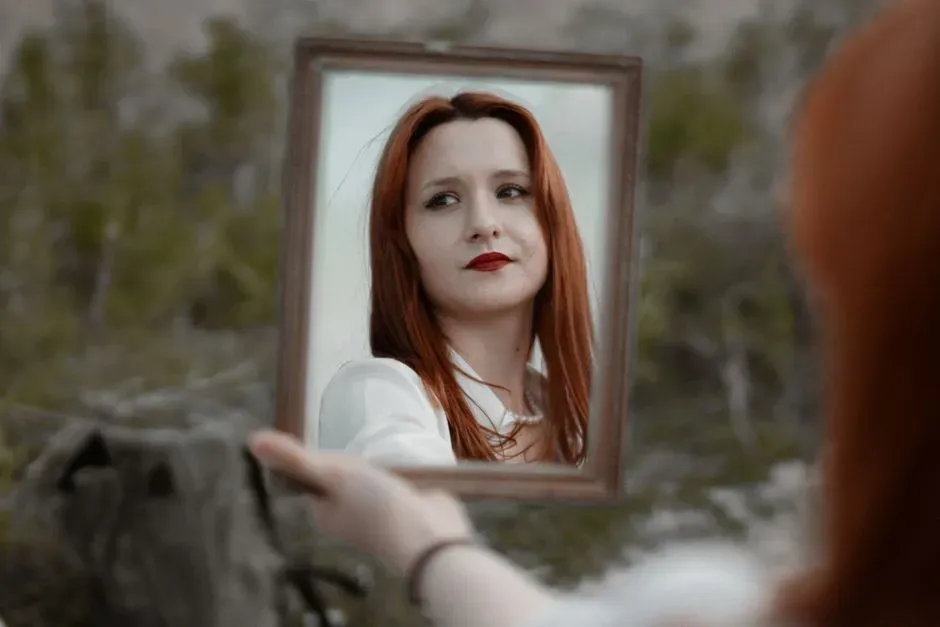
At first, learning that your cherished self might be a story can feel like an existential rug pull. If my brain is making half this up, what can I trust? But there is a gentler interpretation. If the self is a story, then it is also editable. That means you are not permanently chained to whatever script you absorbed in childhood, early relationships, or a rough stretch in your twenties. You can revise the narrative in light of new evidence and healthier perspectives.
This is one reason therapies, journaling, and even long, honest conversations can be so powerful. They literally help the brain rewrite how it understands you and your past, swapping “I always fail” for “I struggled, then adapted,” or “I’m broken” for “I went through something hard, and I’m still here.” The fact that the self is constructed is not a bug; it is precisely what makes growth and healing possible, even if it means admitting that yesterday’s story felt true but was incomplete.
Living with the Story: My Take on What We Should Do with This

Personally, I find this research both unnerving and strangely comforting. It is unnerving because it pulls the mask off the inner narrator I used to treat as a neutral reporter. When I catch myself saying, “That’s just who I am,” I now pause and wonder whose voice that is, when it started, and whether it still deserves to be in charge. It forces a kind of intellectual humility: if my brain is this good at telling believable stories, I should be cautious about worshipping any one version of myself as absolute truth.
At the same time, there is a deep kindness hiding in this view. If the person you think you are is a convincing story rather than a precise photograph, then you are not trapped by every past failure, label, or bad habit. You can choose to co-author a better narrative, one that stays grounded in reality but leaves room for change, contradiction, and surprise. Maybe the real question is not “Who am I, really?” but “Which story about myself helps me live more honestly, more courageously, and with more compassion – for others and for the many shifting versions of me?” Did you expect the answer to be that flexible?