Our sense of being a continuous “me” feels so solid that it is almost sacred. You wake up, you blink, you check your phone, and it feels like the exact same person is moving through time like a smooth, unbroken movie. But a growing wave of consciousness research suggests something much stranger: what you experience as one flowing moment of existence might actually be a rapid flicker, your brain rebuilding the feeling of “now” again and again, thousands of times every second. The seamless self you lean on might be more like a high‑frame‑rate animation than a single permanent thing. When I first encountered this idea, it honestly made my stomach drop. If my brain is just stitching together micro‑moments, what exactly is this “I” that I’m so sure about? At the same time, it felt liberating, like finding out the magic trick behind a show you’ve loved your entire life. In the next sections, we’ll walk through how scientists even test something this slippery, what brain rhythms have to do with your inner movie of reality, and why the very feeling that you exist right now could be a construction – beautiful, useful, and constantly being rebuilt from scratch.
The Strange Idea That Consciousness Comes in Tiny Pulses
It sounds wild to say that consciousness might come in pulses, but that’s exactly what several theories now explore. The big claim is not that you blink in and out of total nothingness like a strobe light, but that your brain updates what you consciously experience in very rapid, discrete packages. Think of it less like a continuous line of ink and more like a series of dots placed so close that your eyes blend them into a smooth curve. Some researchers argue that these “frames” of awareness might be tied to very fast brain rhythms measured in cycles per second, with each cycle enabling a new snapshot of what you see, feel, or think. Others push back and say consciousness is more like a gently flowing stream that still rides on top of these rhythms without being chopped into chunks. The interesting part is that both sides agree on one thing: your brain is constantly reconstructing the present moment, and whatever you call “now” is far from simple.
How Brain Rhythms Turn Raw Sensation into a Moving Inner World
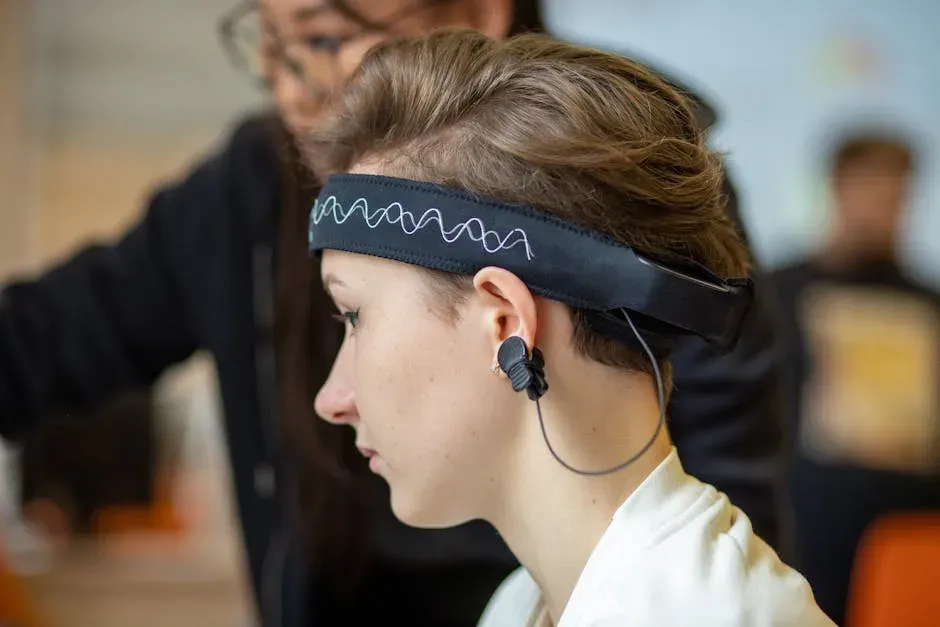
If you attach electrodes to someone’s scalp or place them in a brain scanner, you can measure electrical rhythms that oscillate at different speeds. Some are slow, cycling a handful of times a second, while others are extremely fast, firing dozens or even hundreds of times in the same window. These rhythms don’t just sit there humming in the background; they organize when neurons are likely to fire together, almost like a conductor setting the tempo for an orchestra. Several lines of research suggest that these rhythms create windows of high and low excitability, meaning there are favorable moments when input is more likely to influence what reaches consciousness. In simple terms, your brain may “sample” the world rhythmically, like a camera snapping rapid‑fire shots. When scientists flash stimuli at carefully timed intervals, people are sometimes more likely to notice them at certain rhythmic phases, hinting that awareness itself has a beat. It’s as though the “you” that exists right now is updated at the tempo of your brain’s hidden soundtrack.
Why Your Sense of a Continuous “Now” Is Probably an Illusion
Here’s the unsettling twist: if your brain is constantly taking rapid snapshots, then your strong feeling of a continuous, thick band of “now” is probably a highly polished illusion. Your mind does what phones and TVs do with video – it stitches still frames into a convincing movie. You never see the gaps between frames on a high‑refresh‑rate screen, and in the same way, you never feel the tiny neural gaps where the last micro‑moment ends and the next begins. There are everyday examples that hint at this reconstruction. In certain visual illusions, what you “see” right now partly depends on what appears a fraction of a second later, as if the brain is editing the past to keep the story smooth. Pain can be felt as starting a little earlier than the actual stimulus, or timing judgments can be warped when events are shifted by just tens of milliseconds. All of this suggests your brain is less a live stream and more a skillful editor, retroactively building a present that feels far more continuous and solid than the underlying mechanics really are.
From Flickering Frames to a Stable Self: How the Brain Sews It All Together
If conscious moments might arise in pulses, how do we end up feeling like one stable self that stretches across years? One way to picture it is to imagine a stop‑motion movie of a clay character. Each frame is just a slightly different pose, but because the character’s form is preserved and the changes are small, you experience one person moving fluidly through time. In a similar way, your brain preserves key patterns – your memories, habits, personality traits – and applies them again and again to each micro‑moment. Memory plays a huge role here. The brain does not start from zero each flicker; it carries forward what came just before and predicts what should come next. This constant prediction and correction gives you the sense that “I, the same person as yesterday, am still here watching this unfold.” In that light, the feeling that you exist right now is less a proof of some indivisible inner core and more a clever data‑compression trick, collapsing a wild stream of neural events into a neat, believable story of a single self.
What Experiments and Brain Disorders Reveal about the Fragile Present
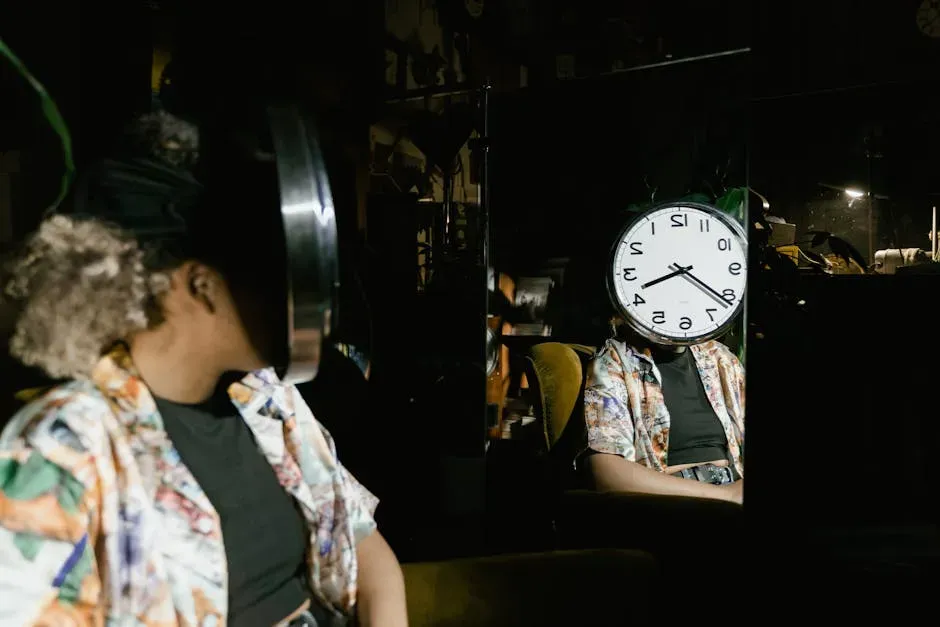
Some of the most striking evidence for a constructed present comes from what happens when things go wrong. Certain neurological conditions can distort a person’s sense of time, making the world feel like it is moving too fast, too slow, or in chopped‑up chunks. People with specific types of brain damage or epileptic activity sometimes report their experiences as fragmented, or they struggle to order events correctly, as if their internal clock had lost its calibration. These cases are tragic, but they also expose the hidden machinery that the rest of us usually take for granted. Experiments with rapid visual flashes, sound sequences, or touches to the skin show that tiny timing manipulations can change what people report as having happened “first” or even as having happened at all. Under the hood, the brain is trying to integrate signals that arrive at slightly different times through different senses and channels, then present them to you as a single, unified now. When that integration window is stretched, compressed, or disrupted, the supposed smoothness of the moment reveals its seams.
The Philosophical Shock: If “Now” Is Rebuilt, What Is the “Real” You?
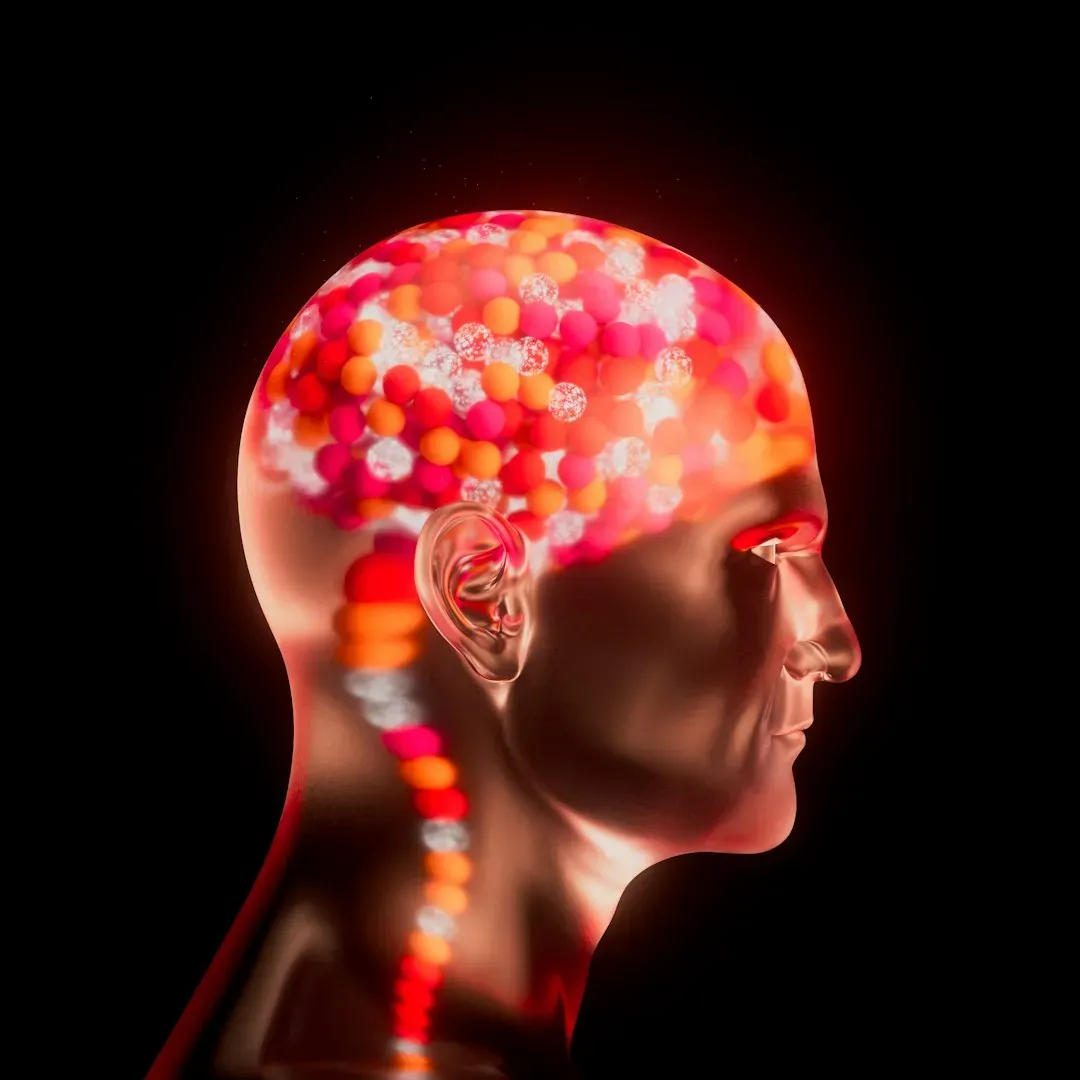
Once you start thinking about consciousness as a rapid rebuild instead of a continuous glow, big philosophical questions crash the party. If “you” are just the latest frame in a sequence, then what exactly survives from one flicker to the next? Is there a deeper, unchanging entity beneath the updates, or is the self nothing more than the pattern of those updates over time? The idea that the self could be more like a song than a singer – existing only as long as the pattern is being played – can feel deeply unsettling. Personally, I find a strange comfort in the pattern view. Instead of clinging to the hope of an untouchable inner nugget of identity, you can see yourself as a living process, constantly being remade. Every time your brain rebuilds the sense that you exist right now, it is re‑committing to that pattern, weaving your history, values, and relationships into the newest frame. You are not less real because you are rebuilt; you are real in exactly the way a flame is real – always changing, yet recognizably the same.
Everyday Life in a Flickering World: Attention, Mind‑Wandering, and Flow

All of this might sound abstract until you start noticing how your day subtly reflects it. When your attention jumps from app to app, conversation to notification, you can almost feel the brain snapping to new “frames” more dramatically than usual. Moments of stress or distraction make your sense of continuity feel thinner, as if each second is its own disconnected tile. In contrast, when you sink into a deep conversation or an absorbing hobby, the frames line up so smoothly that hours pass without you noticing. That state people call flow – when you are fully engaged, time feels warped, and action seems to happen almost effortlessly – may be when the brain’s many rhythms are unusually well coordinated. In flow, the micro‑rebuilds of your experience line up with your goals and actions so cleanly that the sense of a separate watcher in your head fades into the background. You still exist in flickers, but the story they tell is so cohesive and satisfying that you stop questioning the underlying mechanism. You just live it.
Opinionated Conclusion: You Are Less Solid Than You Feel, and That Might Be Good News
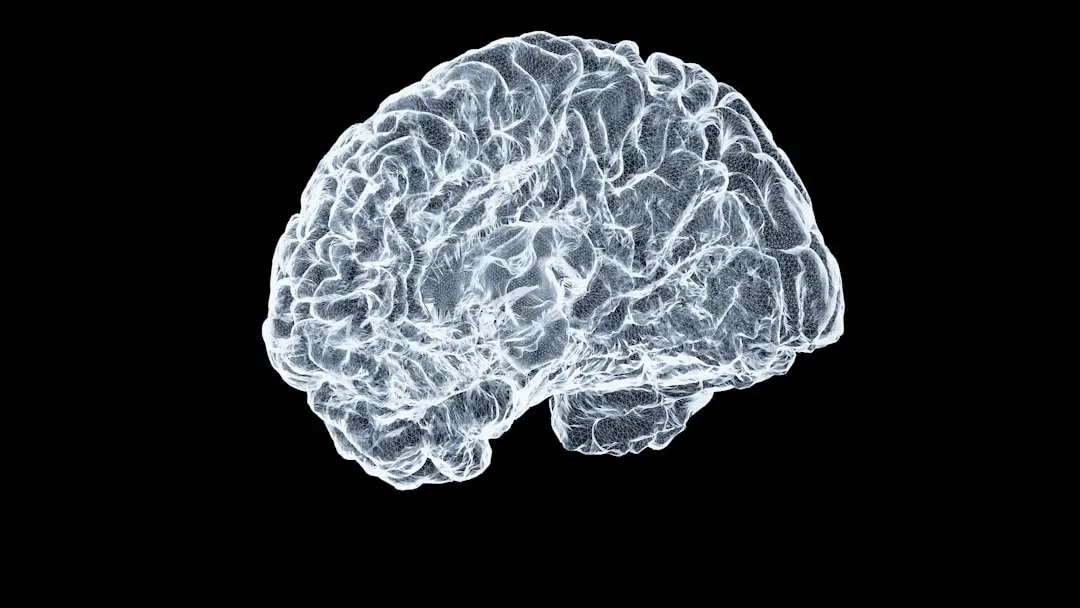
If consciousness research is on the right track, then the solid, continuous “you” you swear you feel is not a basic fact of the universe, but a high‑speed construction project your brain is running all the time. I think that is both humbling and oddly empowering. Humbling, because it undercuts the fantasy that there is a perfectly stable, untouchable self sitting behind your eyes. Empowering, because it suggests that who you are is a pattern that can evolve, heal, and grow as your brain keeps rebuilding you, frame after frame. To me, the exciting takeaway is this: the feeling that you exist right now is not cheapened by being rebuilt thousands of times every second. If anything, it becomes more precious – a delicate achievement of biology and experience that could have been otherwise. The self stops being a fixed object to defend and becomes a work in progress to participate in. The next time you notice a breath or a thought and think “this is me,” it might be worth asking: how many invisible rebuilds did it take to get you to that exact moment, and what do you want the next one to look like?