
For more than a century, neuroscience has told a remarkably confident story: the brain is the seat of the mind, full stop. Yet as brain scanners get sharper and theories more precise, an uncomfortable pattern keeps emerging – our measurements of neural activity often fall strangely short of explaining what it actually feels like to be you. Across physics, biology, and philosophy, a new wave of research is challenging the idea that consciousness is a neat, self-contained product of brain tissue alone. This does not mean abandoning neuroscience, but it does mean zooming out and asking whether we have been looking at only one piece of a much larger puzzle. The stakes are high: how we answer this question reshapes everything from medicine and AI to how we think about life itself.
The Brain-Centric Story And Where It Starts To Crack
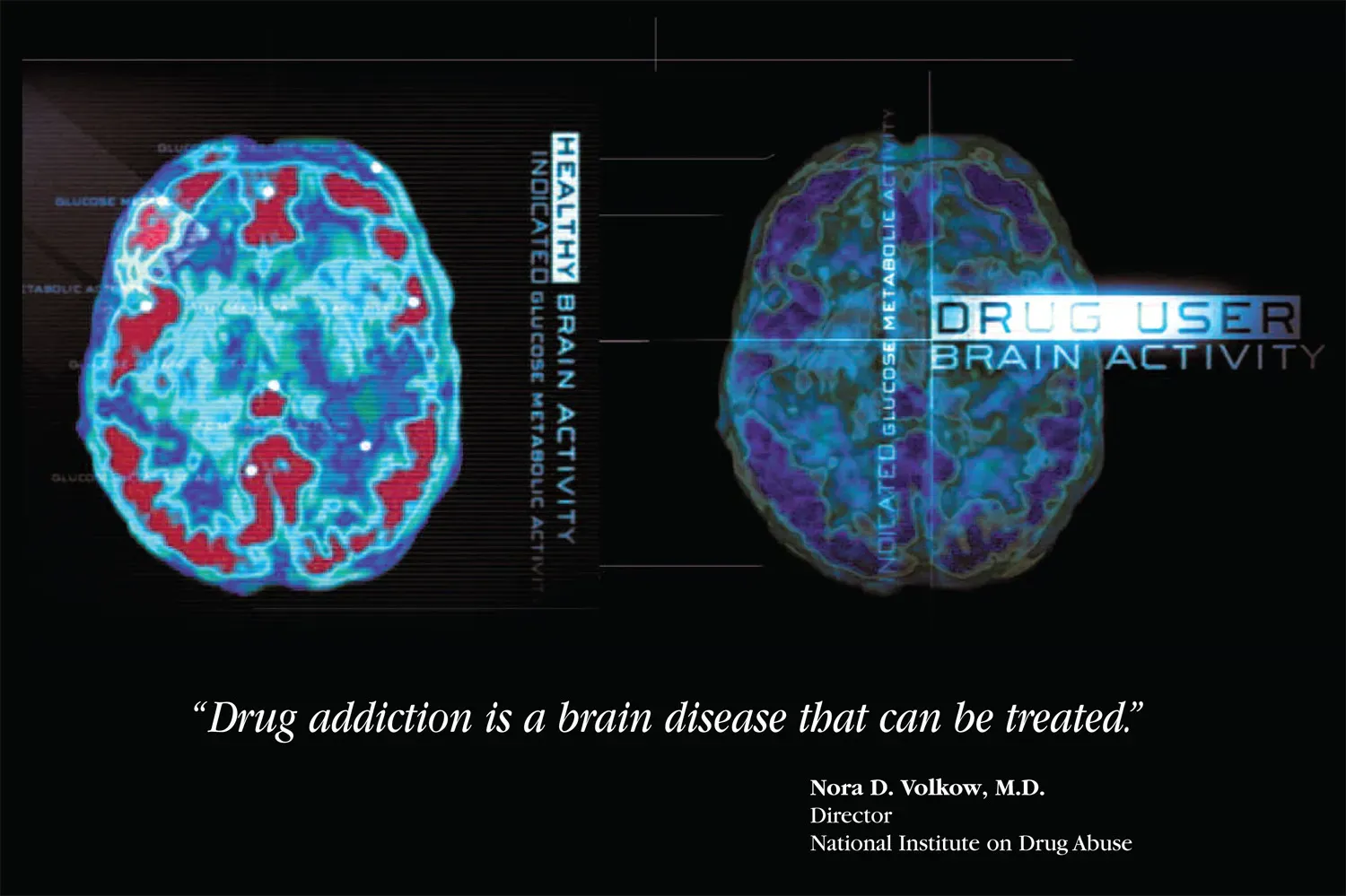
The standard view most of us learned is elegant in its simplicity: neurons fire, networks synchronize, and from this electrical storm consciousness somehow emerges. Brain imaging has shown clear links between patterns of activity and specific experiences, like recognizing a face or feeling pain, which makes it tempting to say the brain is both necessary and sufficient for the mind. But as the detail of those maps has improved, researchers have noticed that even nearly identical brain patterns can correspond to very different subjective experiences – or none at all, as in some cases of anesthesia. Two people can show similar neural signatures in pain-related regions, yet one reports agony while the other feels only mild discomfort.
These gaps are not just technical annoyances; they raise a deeper question about whether brain activity alone can capture the full story of awareness. Disorders of consciousness make the problem especially sharp, with some patients showing brain activity that looks almost normal despite being behaviorally unresponsive. At the same time, simple organisms without anything like a human brain display surprisingly sophisticated behaviors that look a lot like decision-making. All of this has pushed some scientists to wonder if our brain-only framing is too narrow, or even fundamentally incomplete.
Embodied Minds: How The Rest Of The Body Talks Back

One of the most powerful challenges to a brain-only view comes from the science of embodiment, which shows that what you experience as “mind” is woven through your entire body. The gut, for example, contains vast networks of neurons that communicate constantly with the brain, influencing mood, stress, and even risk-taking through hormonal and immune pathways. People with disruptions in this gut–brain axis often report profound changes not just in digestion but in how they feel and think. It is hard to draw a clean line and say where “brain” ends and “body” begins in the production of subjective experience.
Hormones released by organs such as the thyroid, adrenal glands, and heart shape alertness, emotional tone, and the sense of self in ways that can be dramatic when they shift. After major heart surgery or organ transplants, some patients describe subtle but persistent changes in their outlook or emotional life, even when their brains show no obvious structural differences. These stories are not proof that organs “store” consciousness, but they highlight how the body is less a passive support system and more an active, dynamic partner in whatever consciousness is. A growing number of researchers now argue that any serious theory of mind has to treat the body as part of the thinking apparatus, not just something the brain pilots.
Beyond The Skull: Brains As Open, Environmental Systems
Another line of research asks us to step even further back and think of the brain not as a self-contained machine, but as a device that makes sense only in relation to the world around it. From infancy onward, neural circuits are shaped down to the microscopic level by patterns of light, sound, touch, and social interaction. In this view, consciousness is not just something that happens inside the head, but a process extended across brain, body, and environment. The mind becomes more like a dance between an organism and its surroundings than a performance on a sealed internal stage.
Consider how radically your awareness changes in a silent forest, a crowded subway, or a digital environment that streams constant notifications. The same brain, with the same basic wiring, supports very different forms of consciousness depending on the sensory and social scaffolding it is embedded in. Tools, languages, and technologies can effectively become “external memory” or “external attention” systems that blend with our internal processes. When researchers study cognition in highly controlled laboratory settings, they sometimes strip away this rich context – and in doing so may underestimate how much consciousness depends on a web of relationships beyond the brain itself.
Strange Loops: Feedback, Fields, And The Physics Of Experience
One of the more provocative ideas is that consciousness might be tied not just to neurons as individual cells, but to the large-scale electromagnetic and informational fields they generate. When billions of neurons fire in coordinated rhythms, they produce complex patterns of electrical and magnetic activity that extend across brain regions and fluctuate over milliseconds. Some theorists suggest that these global fields may play an active role in binding together scattered neural events into a unified moment of experience. On this picture, the brain is not simply a tangle of wires; it is also a shifting cloud of energy patterns that might be central to what it feels like to be awake and aware.
Others push the envelope even further, linking consciousness to deep physical principles about information and causation. A few modern theories propose that under certain conditions, organized systems – whether brains, circuits, or other forms of matter – can generate intrinsic, first-person points of view. These ideas remain controversial, partly because they are difficult to test and easy to misinterpret as mystical. Still, they share a common move: they refuse to confine consciousness neatly within the boundaries of gray matter and instead treat the brain as one special case of a broader physical phenomenon. Even if many versions of these theories turn out to be wrong, they force researchers to clarify what exactly they believe consciousness is made of.
Lessons From Brains At The Edge: Anesthesia, Coma, And Psychedelics
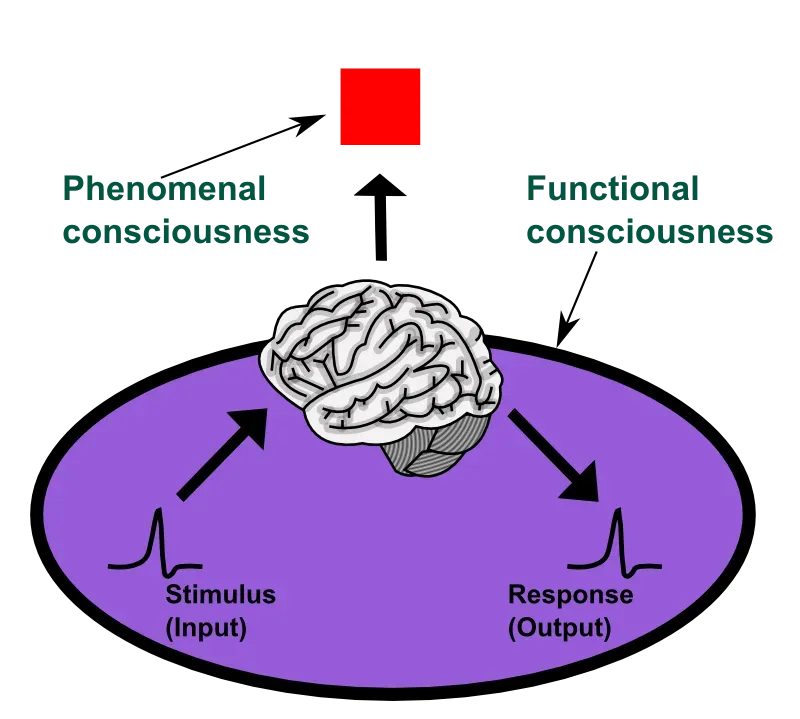
States in which consciousness fades, fractures, or dramatically transforms offer some of the clearest clues about what sustains it. Under general anesthesia, for instance, the brain does not simply switch off like a light; instead, coordination between distant regions breaks down, and the usual flow of information reorganizes. Yet in some cases, measurable activity persists in networks that normally support awareness, even while patients later report an absolute blank. Coma and related conditions add further complications, with some individuals showing patterns of brain responsiveness that suggest hidden islands of awareness beneath an unresponsive surface.
Psychedelic substances scramble the usual rules even more dramatically, temporarily dissolving the sense of a bounded self while increasing communication across widely separated brain areas. Some people describe experiences of merging with their body, other people, or even the surrounding environment, blurring distinctions that normally feel rock-solid. These altered states hint that consciousness is not a simple on–off property of a brain, but a fragile balance sustained by ongoing interactions within the nervous system and between the organism and its world. When that balance shifts, the boundaries of consciousness appear to ripple far beyond the skull.
Humans, Animals, And Machines: A Wider Map Of Minds
When we widen the lens to include other creatures – and now, artificial systems – the story becomes even more complicated. Many animals with far simpler nervous systems than ours still display flexible problem-solving, social awareness, and what looks like curiosity. Evidence suggests that several nonhuman species experience pain, pleasure, and even forms of grief or anticipation, despite lacking a human-style cortex. This raises the unsettling possibility that consciousness may arise in different architectures, not just the particular layered structure of our own brains.
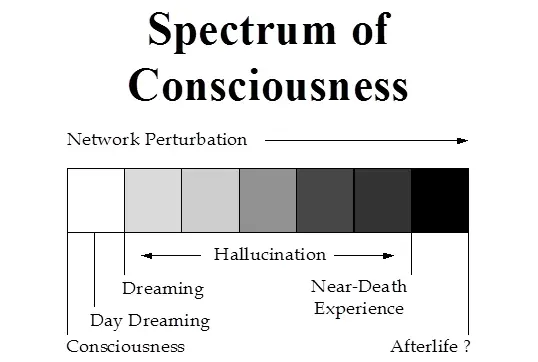
At the same time, modern AI systems can now mimic conversation, recognize patterns, and generate images or text in ways that feel uncannily intelligent, yet they run on silicon chips with no biology at all. Most researchers remain skeptical that today’s AI is conscious in any meaningful sense, but the comparison forces a tough question: is consciousness about the material you are made of, the computations you perform, the way you are embedded in a living body, or some combination of all three? As we design more autonomous systems and uncover more about animal minds, it becomes harder to defend a neat dividing line in which human brains alone deserve the label “conscious.” Instead, we may have to think in terms of a spectrum of minds, each shaped by different bodies, environments, and histories.
Rethinking Consciousness: A Deeper Analytical Look
The real shift underway is less about adding exotic new theories and more about recognizing that our old categories may have been too narrow from the start. Traditionally, scientists tried to explain consciousness by correlating internal brain events with reported experiences, assuming the brain was the primary, if not sole, stage on which the drama unfolded. Now, more researchers are framing consciousness as a system-level property that spans neural circuits, bodily states, and environmental structures. In earlier eras, this kind of talk might have sounded philosophical or vague; today it is increasingly grounded in measurable feedback loops, from heart-rate variability to social synchrony in group interactions.
Comparing past and present approaches, you can see a move away from simple “brain regions for X” maps toward network-based, multi-scale models. Older methods often treated the rest of the body as background noise and the environment as a controlled nuisance to be eliminated in experiments. In contrast, newer approaches examine how changing posture, breathing, sensory context, or social setting can reconfigure patterns of neural dynamics in ways that correlate with shifts in awareness. Culturally, this reframing matters because it pushes us to see consciousness less as an isolated resource locked inside individual heads and more as something co-created through relationships, practices, and surroundings. For medicine, technology, and ethics alike, that is a profound change in how we understand what a mind really is.
Open Questions And How Far We Can Honestly Go

Despite this expanding picture, there are hard limits to what scientists can currently claim, and it is important not to gloss over them. No existing theory – whether it emphasizes neural circuits, bodily signals, information fields, or environmental coupling – has yet delivered a complete, widely accepted explanation of how subjective experience arises. Many of the bolder frameworks remain intensely debated, and some predictions have proven difficult or impossible to test so far. Even within neuroscience, researchers wrestle with conflicting data about which patterns of brain activity are truly essential for consciousness and which are just byproducts.
There is also an ongoing tension between our desire for a single, elegant theory and the messy, layered reality that the evidence seems to suggest. Consciousness may not have one clean origin story but instead emerge from overlapping mechanisms that differ across species, developmental stages, and states of mind. What we can say with confidence is that the brain is crucial but probably not the whole story, and that any satisfying account will have to integrate insights from physiology, physics, psychology, and even the social sciences. That is less tidy than a simple “brain equals mind” slogan, but it is likely closer to the truth.
Living With A Larger Mind: What Readers Can Do With This
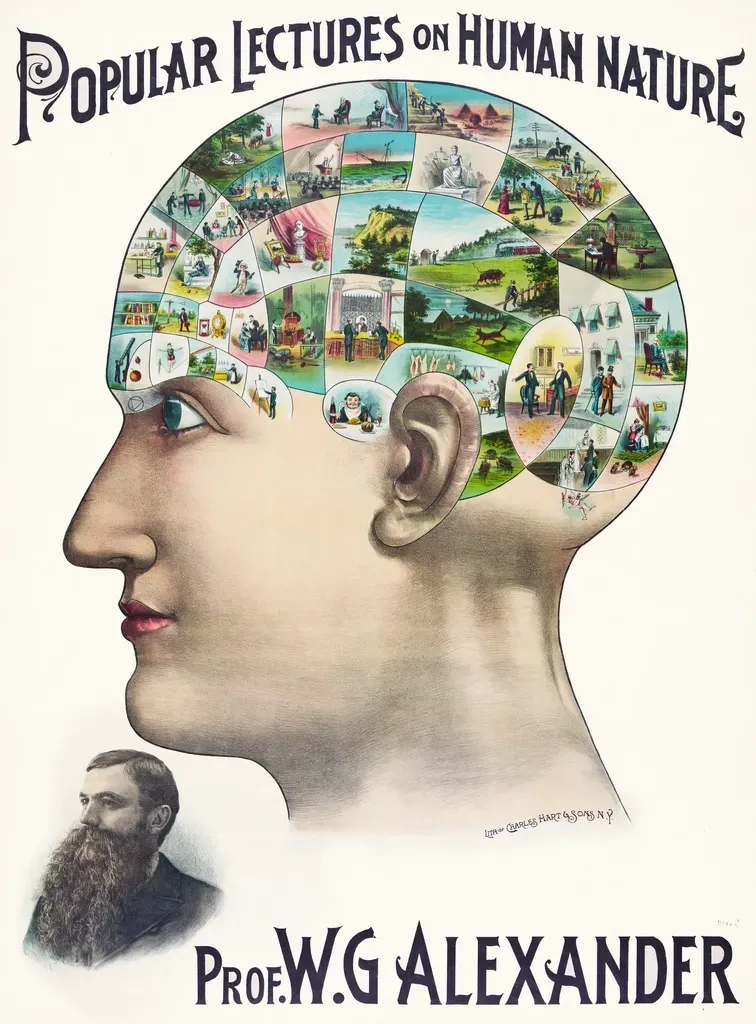
If consciousness is not confined strictly to your brain, then paying attention to your whole body and environment is not just wellness advice – it is a way of directly shaping your lived experience. Simple practices like noticing your breathing, tuning in to posture, or spending regular time in natural settings can reveal how quickly your sense of clarity, mood, and presence shift when the larger system changes. You do not need specialized equipment to see this; a quiet walk without headphones or a few minutes of focused body awareness can feel like adjusting the lens on a camera. The world outside your skull is not just scenery; it is part of the circuitry of your mind.
On a broader level, staying curious about consciousness means supporting science that crosses disciplinary boundaries and questions its own assumptions. You can follow research from neuroscience, psychology, physics, and philosophy with a healthy mix of openness and skepticism, resisting both simplistic reductionism and unfounded mysticism. Conversations about AI, animal welfare, mental health, and education all look different when we treat minds as deeply interconnected with bodies and surroundings. In the end, recognizing that your is less a threat to science than an invitation to expand it. What else might we discover if we stop insisting that the most interesting part of being alive fits neatly inside our heads?
Suhail Ahmed is a passionate digital professional and nature enthusiast with over 8 years of experience in content strategy, SEO, web development, and digital operations. Alongside his freelance journey, Suhail actively contributes to nature and wildlife platforms like Discover Wildlife, where he channels his curiosity for the planet into engaging, educational storytelling.
With a strong background in managing digital ecosystems — from ecommerce stores and WordPress websites to social media and automation — Suhail merges technical precision with creative insight. His content reflects a rare balance: SEO-friendly yet deeply human, data-informed yet emotionally resonant.
Driven by a love for discovery and storytelling, Suhail believes in using digital platforms to amplify causes that matter — especially those protecting Earth’s biodiversity and inspiring sustainable living. Whether he’s managing online projects or crafting wildlife content, his goal remains the same: to inform, inspire, and leave a positive digital footprint.