
You probably already feel it in your gut: some goodbyes with your dog feel heavier than others. Maybe it was the last drive to the vet with an elderly companion, or the way a dog waited by the door for someone who never came back. You sense that your dog knew something was different, even if no one said a word. Modern canine psychology suggests you’re not imagining that. While science is cautious about claiming that dogs fully grasp the idea of death or “forever,” there is growing evidence that they react very differently to long, meaningful separations than they do to routine comings and goings. The story is more nuanced than a simple yes or no, and understanding that nuance can change how you handle your own goodbyes.
You Live on a Mental Map Inside Your Dog’s Brain

When you walk out the door for work, your dog doesn’t just see a body disappearing; they’re updating the mental map they carry of you. Research into attachment and separation in dogs shows that they form a strong internal image of you, your routines, your scent, and your typical patterns of leaving and returning. Over time, your “usual” absences become predictable events, like sunrise and sunset, and your dog’s nervous system learns to ride that small daily wave of separation without falling apart. This is why you notice your dog settles after you leave for the office but reacts differently when you pack the car for a long trip, or when your energy feels strange. The mental map they hold of you is not static; it’s constantly shaped by how consistently you come back and how emotionally charged the context is when you go. When you break your usual script, your dog notices, even if you think you’re hiding it well.
Routine Departures Feel Predictable, Even If Your Dog Still Hates Them

You can probably picture your everyday leaving scene: keys, shoes, bag, maybe a quick scratch behind the ears, and then you’re gone. Over time, your dog learns that this particular pattern ends the same way almost every time: you return. Studies on separation-related behavior in dogs show that many dogs experience some stress with these daily absences, but the emotional response tends to be limited and short-lived, especially when the pattern is stable and predictable. You might still see pacing, a little whining, or a sad look from the doorway, but those signs usually fade once your dog realizes the script is familiar. The brain essentially says, “I know this one; they always come back after this kind of leaving.” That predictability is why your dog may nap, play, or eat while you’re gone during an average workday, then flip into a completely different emotional gear when a departure breaks that established rhythm.
Dogs Track Time Differently Than You Think
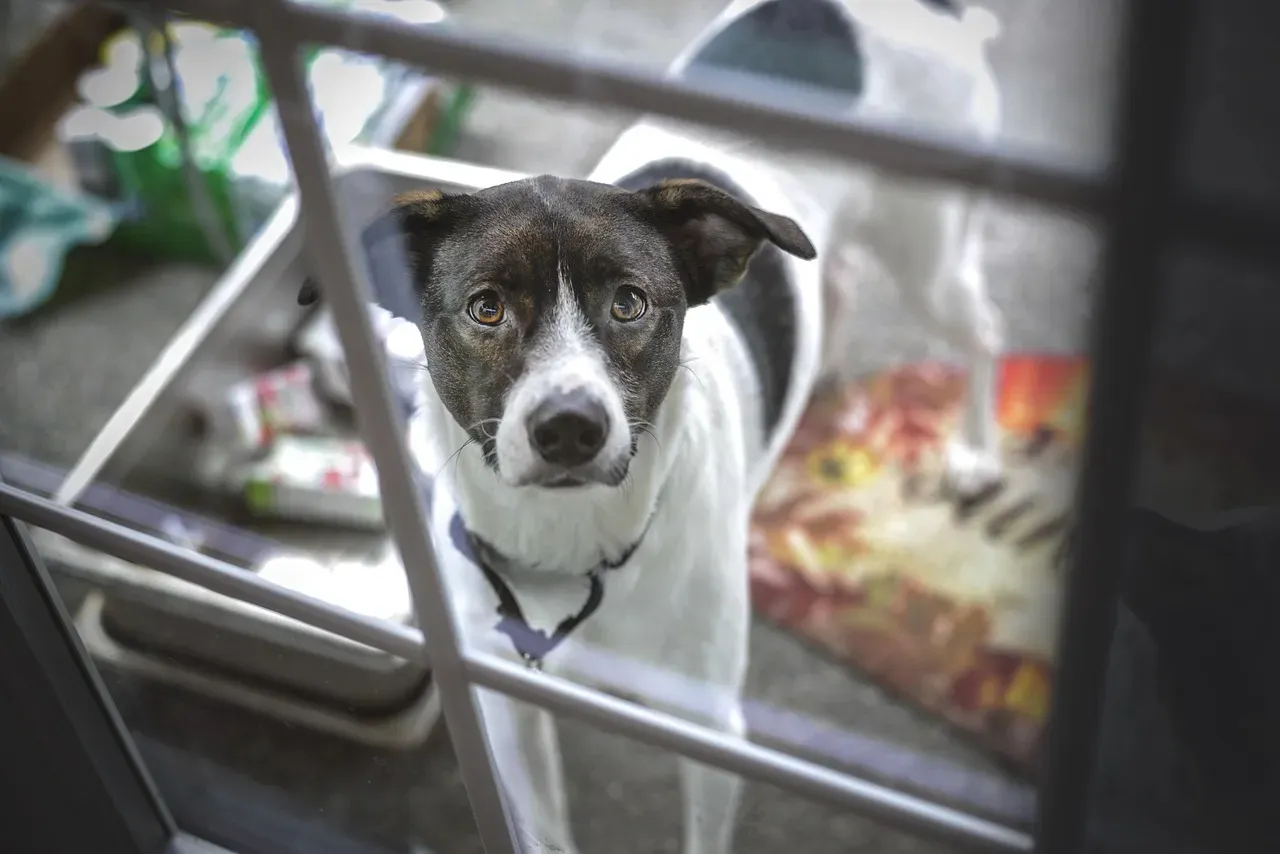
You’ve probably heard people say that dogs have no sense of time, but you know from experience that this is not quite true. Many dogs act more excited when you’ve been gone for many hours than when you just stepped out for a minute. Experimental work with dogs suggests they can at least distinguish shorter from longer absences, reacting more intensely to owners returning after longer gaps. They may not read a clock, but their bodies track changes in routine, light, hunger, and internal rhythms. When a departure stretches far beyond the usual pattern – days, weeks, months – your dog’s system experiences something that feels qualitatively different. The expected arc from “goodbye” to “hello again” doesn’t complete. Over time, their behavior can shift from initial stress or searching to a quieter, more resigned state. You may see less waiting at the door and more generalized low mood or reduced engagement, which can be easy to misread as simple laziness rather than a response to a deeper, unresolved absence.
Permanent or Not, Your Dog Feels the Weight of Your Emotions

You might try to act calm when facing a serious goodbye, but your body usually betrays you. Dogs are remarkably sensitive to your tone of voice, micro-expressions, body tension, scent changes related to stress hormones, and even shifts in how you move around the home. When something big is happening – like a terminal prognosis, a breakup, or a one-way move – your inner turmoil becomes part of the environment your dog is reading. In those moments, your usual “see you later” energy is gone. Many owners notice their dog becoming clingier, more watchful, or more restless in the days or hours leading up to a major parting, even if no one has changed the visible routine yet. Your dog may not be thinking, “This is a permanent goodbye,” in the way you would phrase it, but they are responding to a kind of emotional weather front rolling through your home. To your dog, your mood is data, and during heavy times, that data screams that something about this goodbye is not like the others.
Grief in Dogs Is Real, Even If It Looks Different From Yours

When someone your dog loves disappears and never returns – whether it’s a human or another animal – you often see behaviors that look a lot like mourning. You might notice searching, waiting at the door or window, sleeping in that person’s usual spot, loss of appetite, listlessness, or sudden changes in clinginess. Research on canine grief is still developing, but what we do know points to real emotional distress tied to the loss of important social partners. You may be tempted to downplay this and reassure yourself that your dog just “moves on,” but many dogs show signs of distress for weeks or even months. Over time, those acute signs of searching tend to soften into quieter adaptations: your dog may still perk up at certain cues that used to signal the missing person’s arrival, but the intensity decreases. The pain shifts from sharp and expectant to more muted and resigned – an emotional arc that looks uncomfortably familiar if you’ve ever lost someone yourself.
Anticipation of a Final Goodbye Can Change Your Dog’s Behavior
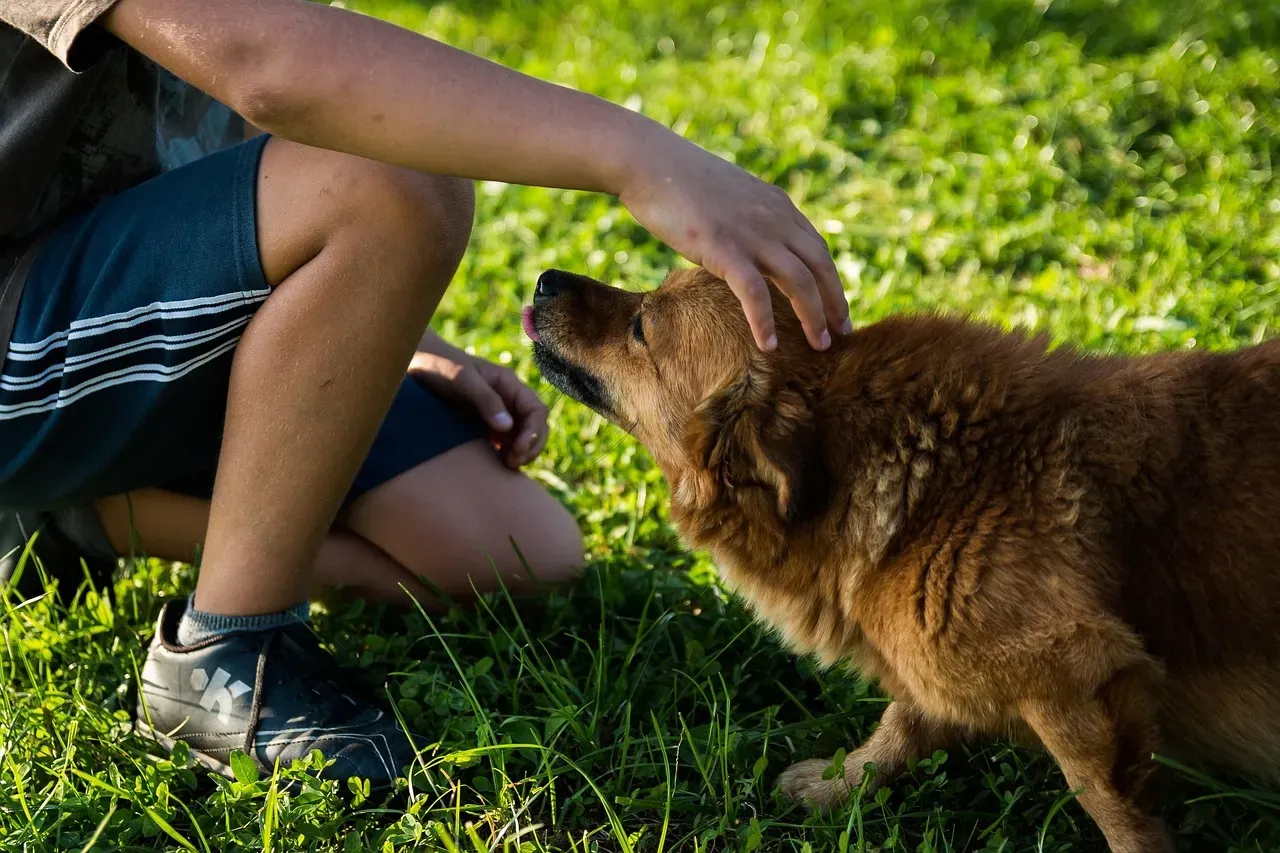
There are times when a permanent goodbye is not sudden. Maybe your dog is old or seriously ill, or maybe you know you’re leaving for good due to a life change. In those periods, you often see behavior changes long before the separation actually happens. Dogs with serious illness can become more attached to you, more easily startled by your movements, or more distressed when you leave even for short periods. Their world is shrinking, and your presence becomes their primary anchor. From your side, knowing the end is near can also make you act differently – you may hover more, speak more softly, hover over your dog’s bed, or alter your daily rhythm. Your dog reads all of this. While science cannot say with certainty that dogs consciously recognize “this is the last goodbye,” many owners report that their dogs behave in strangely focused, tender, or unusually calm ways near the very end. You’re likely seeing a mix of changing physical state, deep attachment, and an emotional environment that signals to your dog that something profound is happening.
Sudden Loss vs. Expected Loss: Your Dog’s System Copes Differently

A sudden, unexpected loss – like an accident or emergency – hits you in a chaotic way, and your dog experiences that chaos too. There is no slow adjustment, no gradual change in routine, just a sharp break. Your dog might show intense searching and agitation right after, especially if the missing person was closely involved in daily rituals like feeding, walking, or sleeping arrangements. The contrast between “they were just here” and “they are gone” is brutal for everyone, including your dog. With an expected loss, the emotional strain is spread out over time. Your dog experiences shifts in attention, energy, and routine gradually, which can help their system partially adapt before the final goodbye. That doesn’t mean it hurts less, but the behavioral signs might look different – less explosive panic and more slow withdrawal or low-level anxiety. Either way, what stands out compared with a standard workday departure is how long the emotional echo lingers after the goodbye.
How You Handle Goodbyes Shapes Your Dog’s Emotional World

You might think that making a big emotional scene at the door shows your dog how much you care, but for many dogs, it mainly signals that departures are scary and unpredictable. For everyday comings and goings, keeping your leaving and returning low-key helps your dog build a mental category of “normal, safe absence.” Your tone, body language, and consistency turn those doors opening and closing into background noise instead of emotional earthquakes. When you suspect a goodbye may be permanent – especially in end-of-life situations – your goal shifts from “make this look normal” to “make this feel safe, loving, and calm.” That might mean spending quieter, uninterrupted time together, using a soothing voice, allowing familiar comforts like favorite blankets or toys, and avoiding frantic, desperate energy that can flood your dog with anxiety. You cannot erase the pain of goodbye, but you can control how much confusion and fear are layered on top of it.
What You Can Do to Support Your Dog Through a Permanent Goodbye
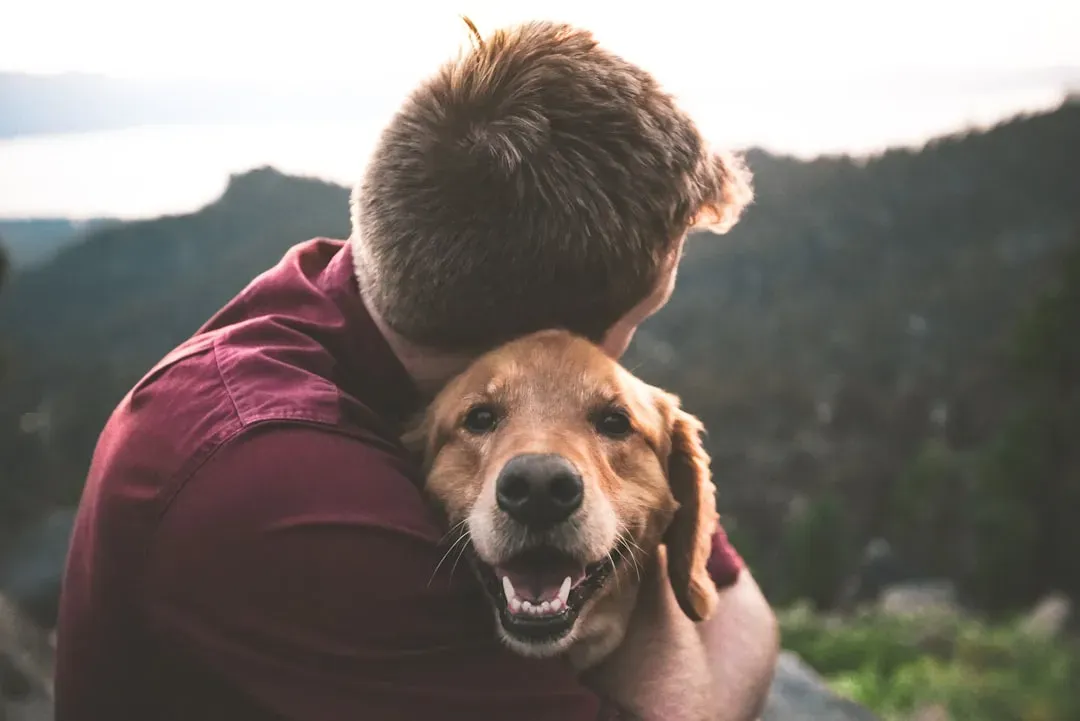
If you know a permanent separation is coming, you’re not powerless. You can help your dog by preserving as much routine as realistically possible – mealtimes, walks, sleeping spots – so that not everything changes at once. Familiarity is a powerful regulator; it tells your dog that even though someone is missing, the world has not completely fallen apart. Keeping some of the same routes, objects, and phrases creates continuity when their emotional ground feels shaky. If a person your dog loves is leaving permanently, it can help to let your dog say goodbye in a calm, unhurried way, without flooding them with drama. After the separation, give your dog time to adjust, and watch for persistent changes like loss of appetite, destructive behavior, or constant vocalizing. Those can be signs that your dog is struggling and might need additional support – from training changes, environmental enrichment, or, in more severe cases, guidance from a veterinarian or behavior professional. You’re not just comforting a pet; you’re helping a grieving family member navigate a new reality.
Conclusion: Your Dog May Not Understand “Forever,” But They Feel It
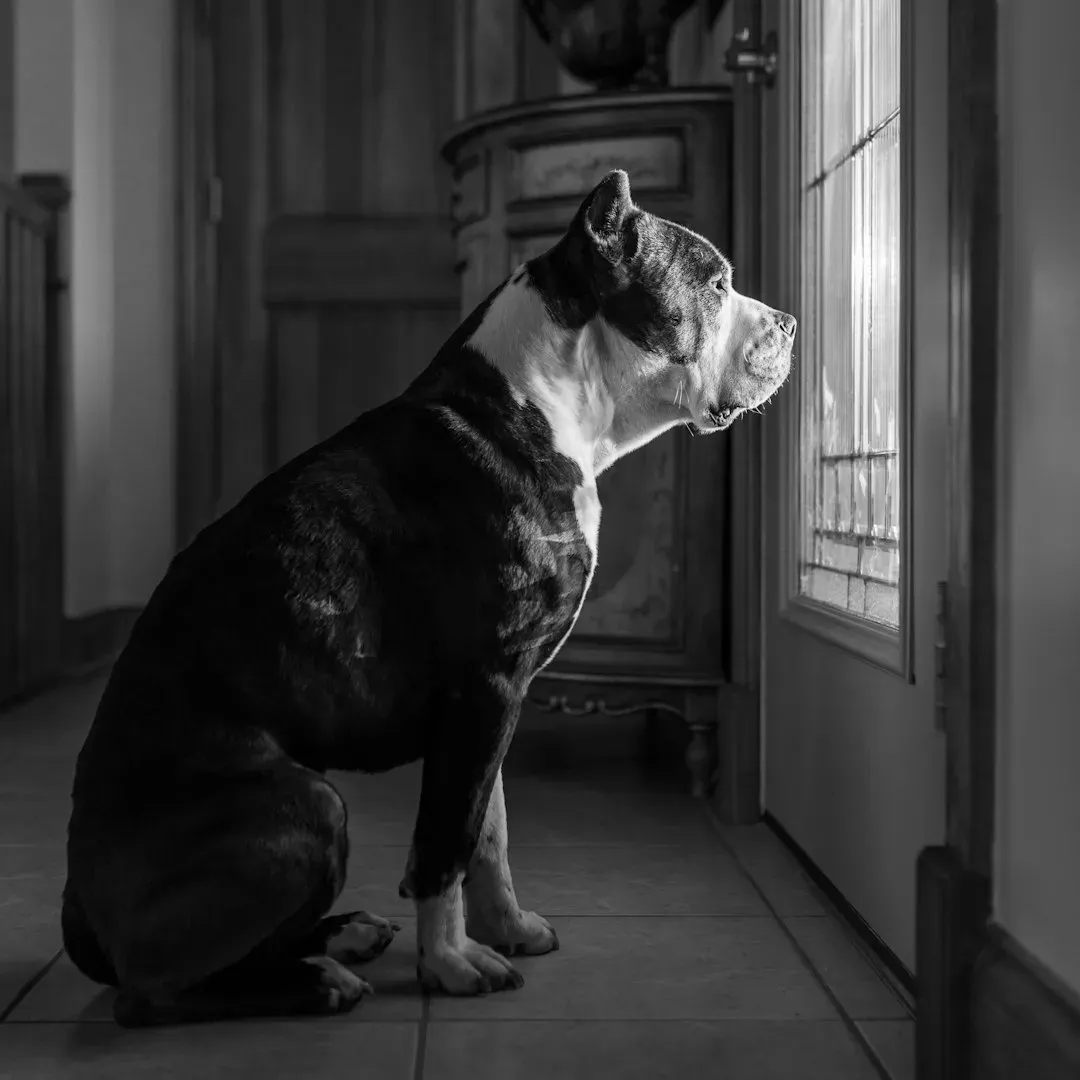
You never really know what exact words would run through your dog’s mind, if they had them, but you can see the difference in how they respond to everyday goodbyes versus life-altering ones. Routine departures slot neatly into the mental pattern of a world where you always come home, while permanent losses leave a kind of emotional dent – changes in searching, mood, and connection that can echo long after the door closes for the last time. Your dog might not understand “forever” as an abstract concept, but they feel the rupture when a familiar presence does not return. If you take anything from canine psychology on this, let it be permission to trust what you already sense: your dog is not a simple creature who forgets the moment you leave the room. They live in a rich emotional world where your comings and goings matter deeply. So the next time you say goodbye – especially the big ones – you can choose to handle it with a little more calm, a little more intention, and a lot more compassion for both of you. If you could ask your dog how they want to be said goodbye to, what do you think they’d tell you?