


Mercury pollution is a pressing environmental concern with far-reaching implications for ecosystems and human health. As scientists explore innovative solutions to this global challenge, one particularly fascinating avenue of research involves the use of genetically engineered animals. These organisms hold promise not only in fighting pollution but also in advancing our understanding of genetic engineering’s potential. This article delves into the science behind these genetic pollution fighters and their potential to tackle mercury pollution.
The Mercury Pollution Problem

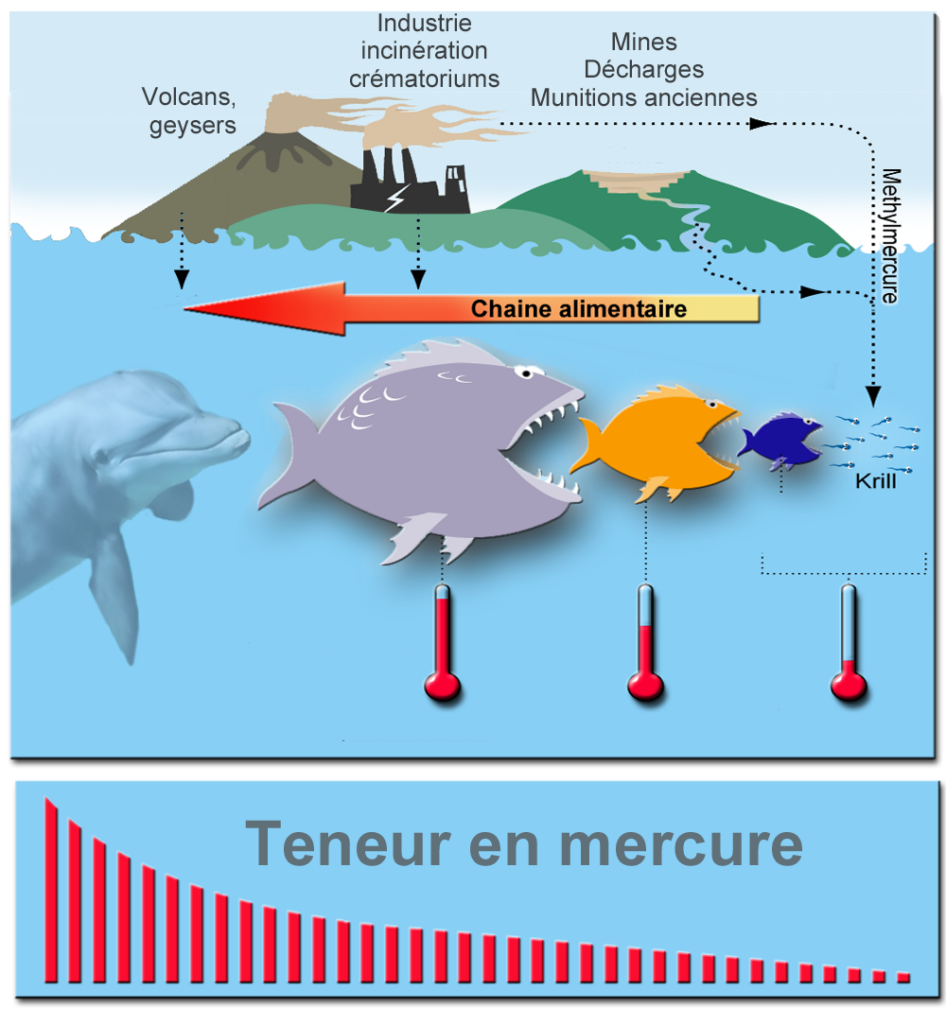
Mercury is a heavy metal that poses significant environmental and health risks. It originates from natural sources like volcanic activity, but human activities such as coal burning, gold mining, and industrial processes significantly amplify its presence in the environment. Once released, mercury enters the atmosphere and eventually deposits in water bodies, where it transforms into methylmercury—a highly toxic compound that accumulates in aquatic organisms and magnifies across the food chain, leading to severe health issues in humans and wildlife.
The Need for Innovative Solutions
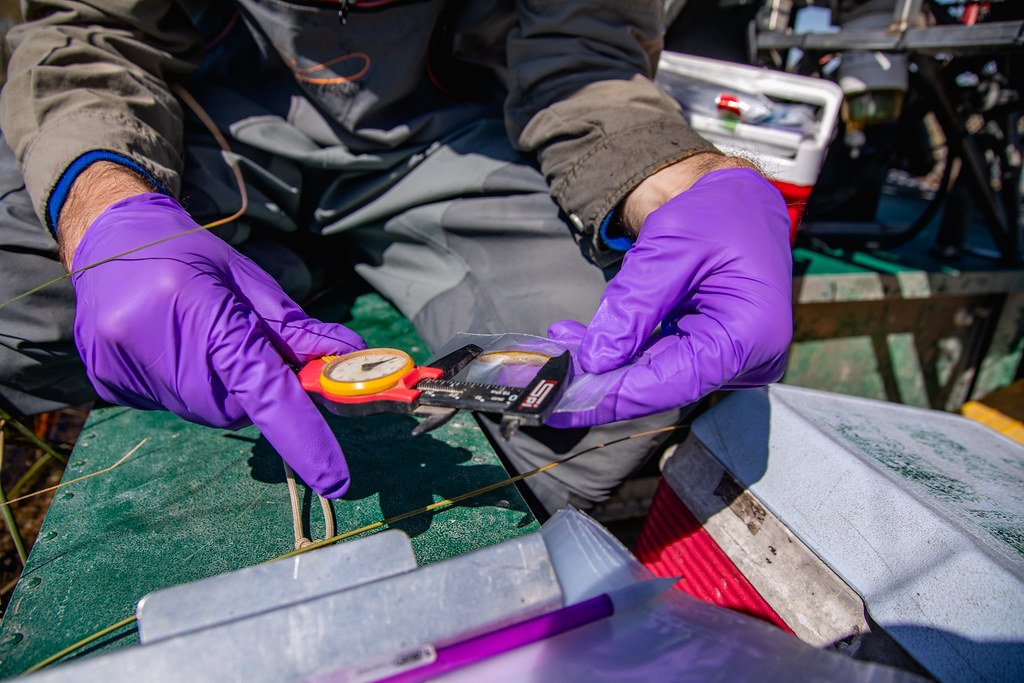
Traditional methods for managing mercury pollution, such as waste treatment technologies and stricter environmental regulations, often prove insufficient or impractical, especially in developing regions. These limitations have spurred researchers to seek out more sustainable and effective solutions.
Genetic Engineering as a Tool for Pollution Control

Genetic engineering offers the ability to modify organisms in ways that could help mitigate environmental pollutants. This field of science allows for the creation of organisms that possess specific traits or capabilities, such as improved resistance to toxins or the ability to digest harmful substances like mercury.
How Engineered Animals Can Help
Engineered animals, such as certain species of fish and worms, can be modified to tolerate and process mercury more effectively. For instance, by enhancing the expression of genes that confer mercury detoxification capabilities, these organisms can break down toxic compounds into less harmful forms, thus reducing the overall concentration of mercury in their ecosystems.
Success Stories in Genetic Pollution Fighting
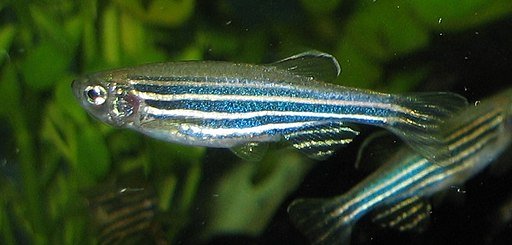
There have been significant breakthroughs in utilizing genetic engineering to combat mercury pollution. One compelling example involves genetically engineered zebrafish, which have been modified to express specific proteins that enable better mercury uptake and conversion. These fish demonstrate the potential of using aquatic life to significantly lower mercury levels in contaminated water bodies.
The Ethical Considerations

While the science behind genetic pollution fighters is promising, it raises important ethical questions. The release of genetically modified organisms (GMOs) into the wild could have unforeseen ecological consequences, such as disrupting existing ecosystems or outcompeting native species. It’s crucial that these considerations are carefully weighed and addressed through robust regulatory frameworks.
Public Perception and Acceptance
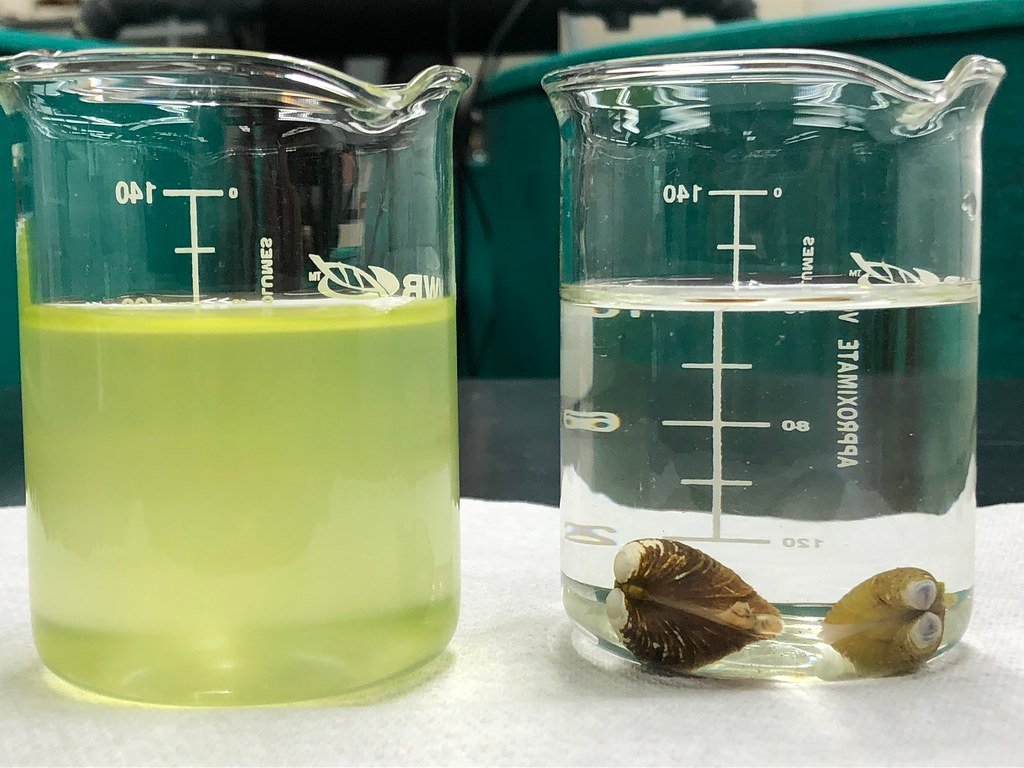
The use of GMOs in environmental applications often receives mixed reactions from the public. Understanding and addressing these concerns through transparent communication and stakeholder engagement is vital to gaining support for such innovative solutions. Building public trust involves educating communities about the science, benefits, and safety measures associated with genetically engineered organisms.
The Future of Genetic Pollution Fighters
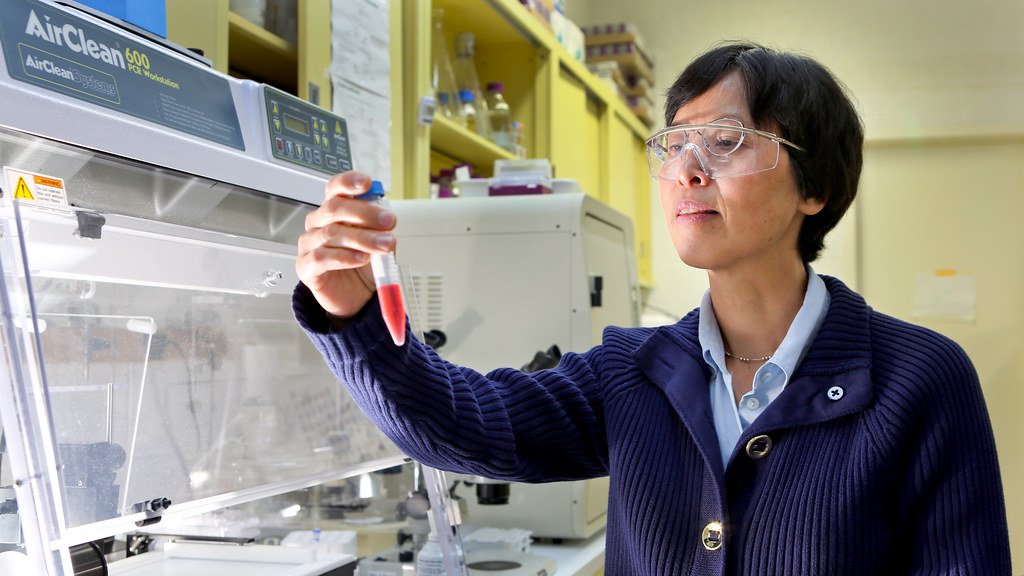
The potential for engineered animals to help control mercury pollution signals a shift towards more biological approaches in environmental management. Continued research and technological advancements will likely yield even more efficient and versatile organisms capable of tackling a variety of pollutants, not just mercury.
Regulatory Challenges and Considerations

The deployment of genetically engineered organisms for environmental purposes requires stringent regulatory oversight to prevent potential ecological disruptions and ensure environmental safety. Developing comprehensive guidelines and conducting thorough risk assessments will be crucial in the responsible application of this technology.
Conclusion: A Promising Tool with Cautious Optimism

Engineered animals as a solution to mercury pollution represent a significant leap forward in environmental biotechnology. While the technology is still evolving, its potential to provide sustainable and effective remediation strategies cannot be overlooked. Balancing innovation with ethical and ecological considerations will be key to harnessing the full potential of these genetic pollution fighters. As researchers continue to push the boundaries of genetic engineering, the hope remains that these efforts will lead to a cleaner and safer world.


