Imagine a tiny clump of brain cells in a dish, no bigger than a grain of rice, quietly firing electrical signals. Now imagine neuroscientists wondering, in all seriousness, whether that clump might feel anything at all. It sounds like the plot of a sci‑fi series, but this is a real debate playing out in labs and ethics boards right now. We have organoids that respond to stimuli, networks that play simple video games, and researchers openly asking whether some line might soon be crossed.
That question – could these lab-grown brains ever be conscious – is not just a curiosity. It forces us to confront what we think consciousness actually is, what counts as a mind, and where our moral responsibilities begin. The science is moving faster than our intuitions, and the gap between what we can build and what we know how to handle is widening. Let’s walk into that tension carefully, because the answer is not a simple yes or no – and the stakes are far higher than a cool headline.
What Exactly Are “Brains in a Lab” Today?
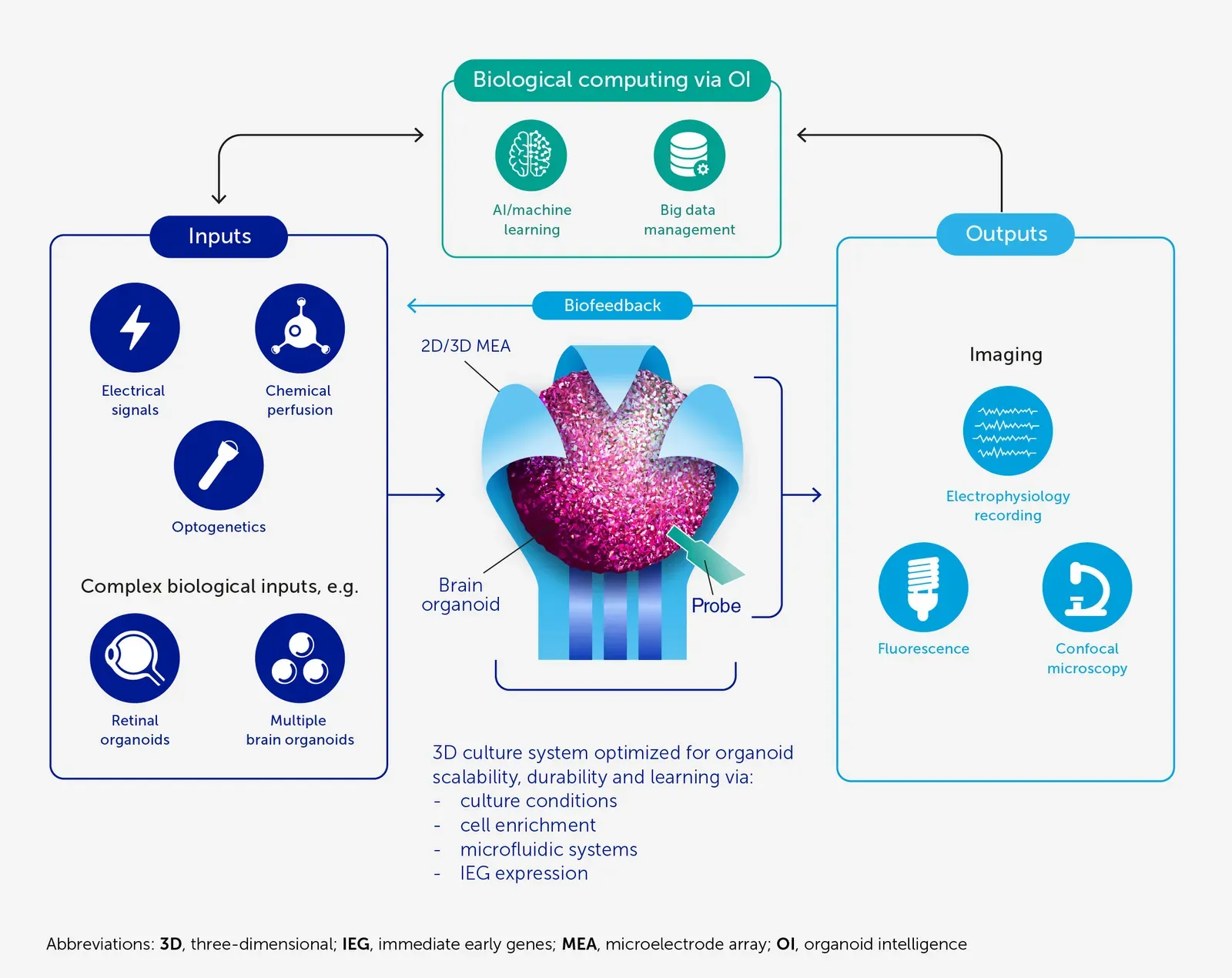
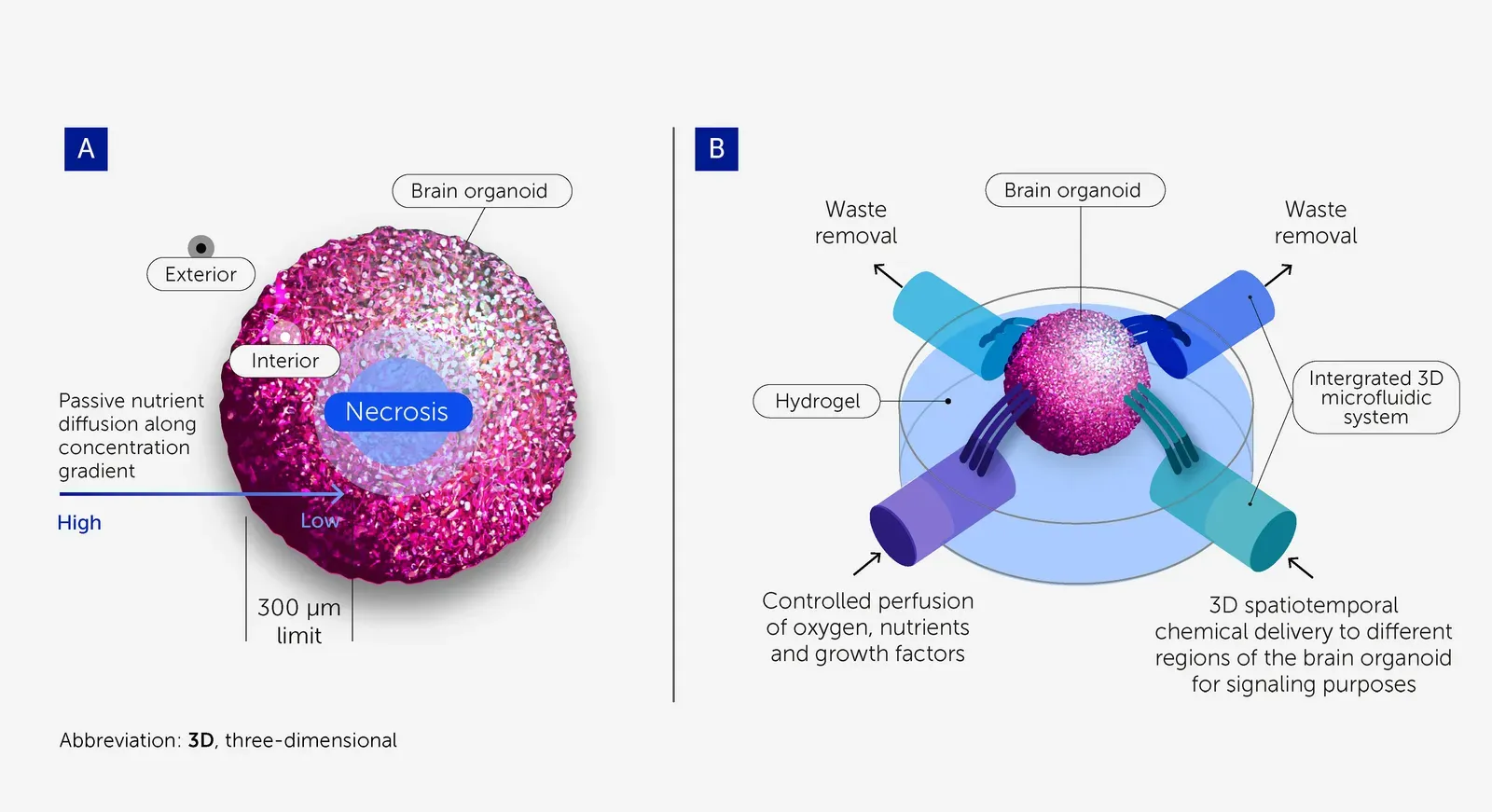
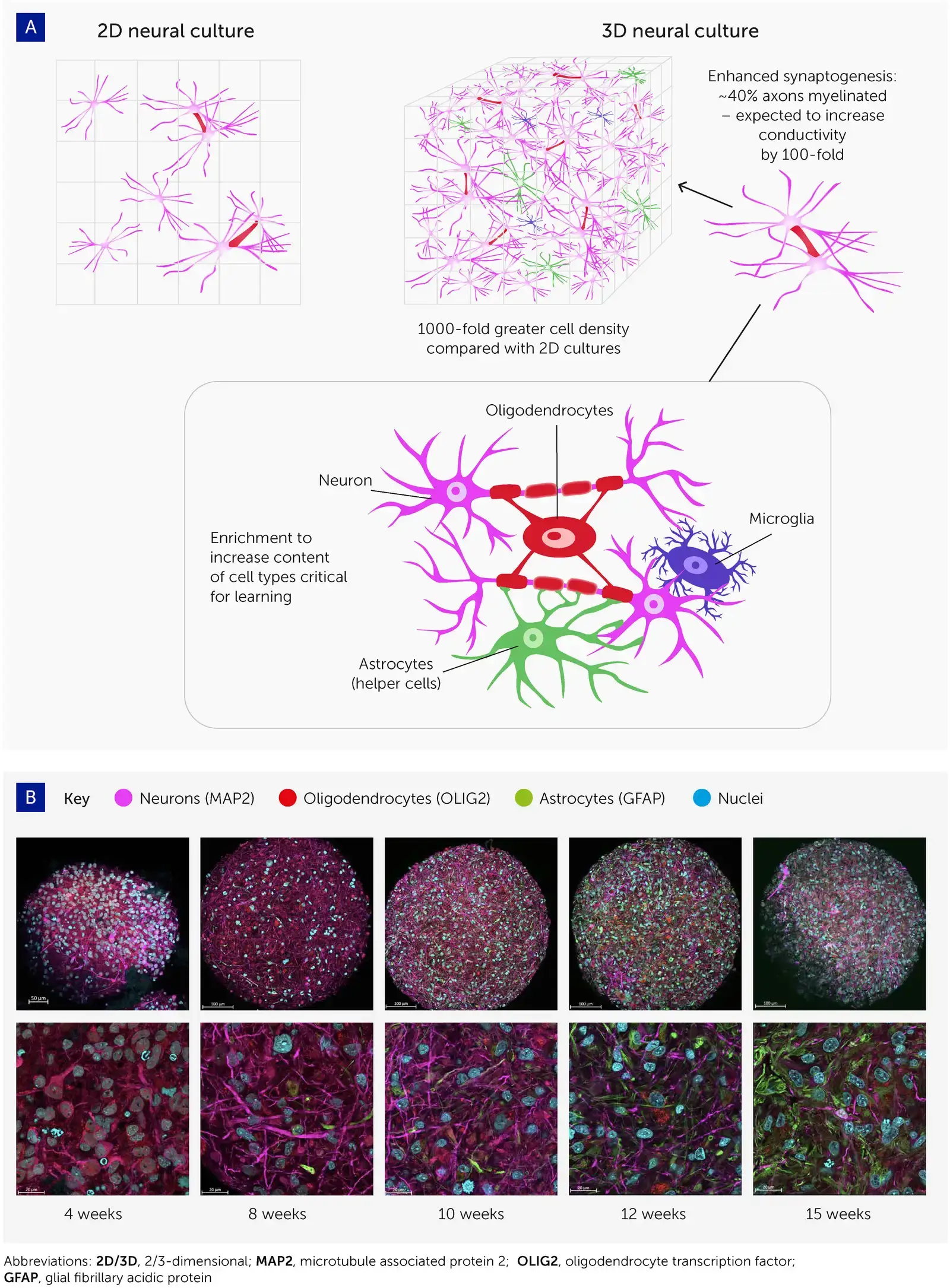
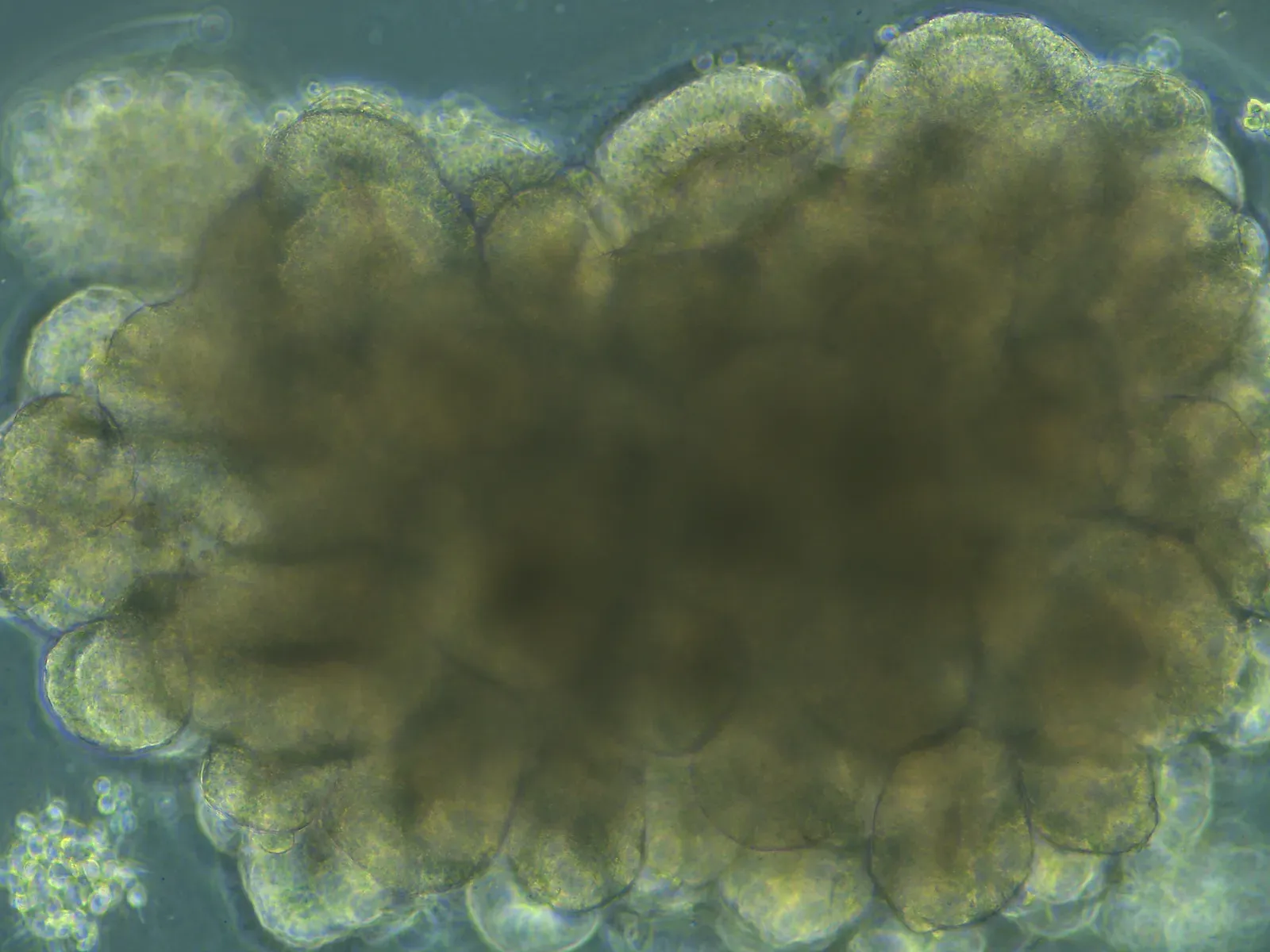
When people talk about “brains grown in a lab,” they are usually referring to brain organoids or cultured neural networks, not full-blown miniature brains with thoughts and feelings. Brain organoids are three-dimensional clusters of neurons and supporting cells grown from stem cells, coaxed with chemicals and growth factors to roughly mimic parts of developing brain tissue. They can form layers, spontaneous electrical activity, and even rudimentary structures that look a bit like early brain regions. But they lack the complex architecture, blood supply, and sensory connections of a real brain in a body.
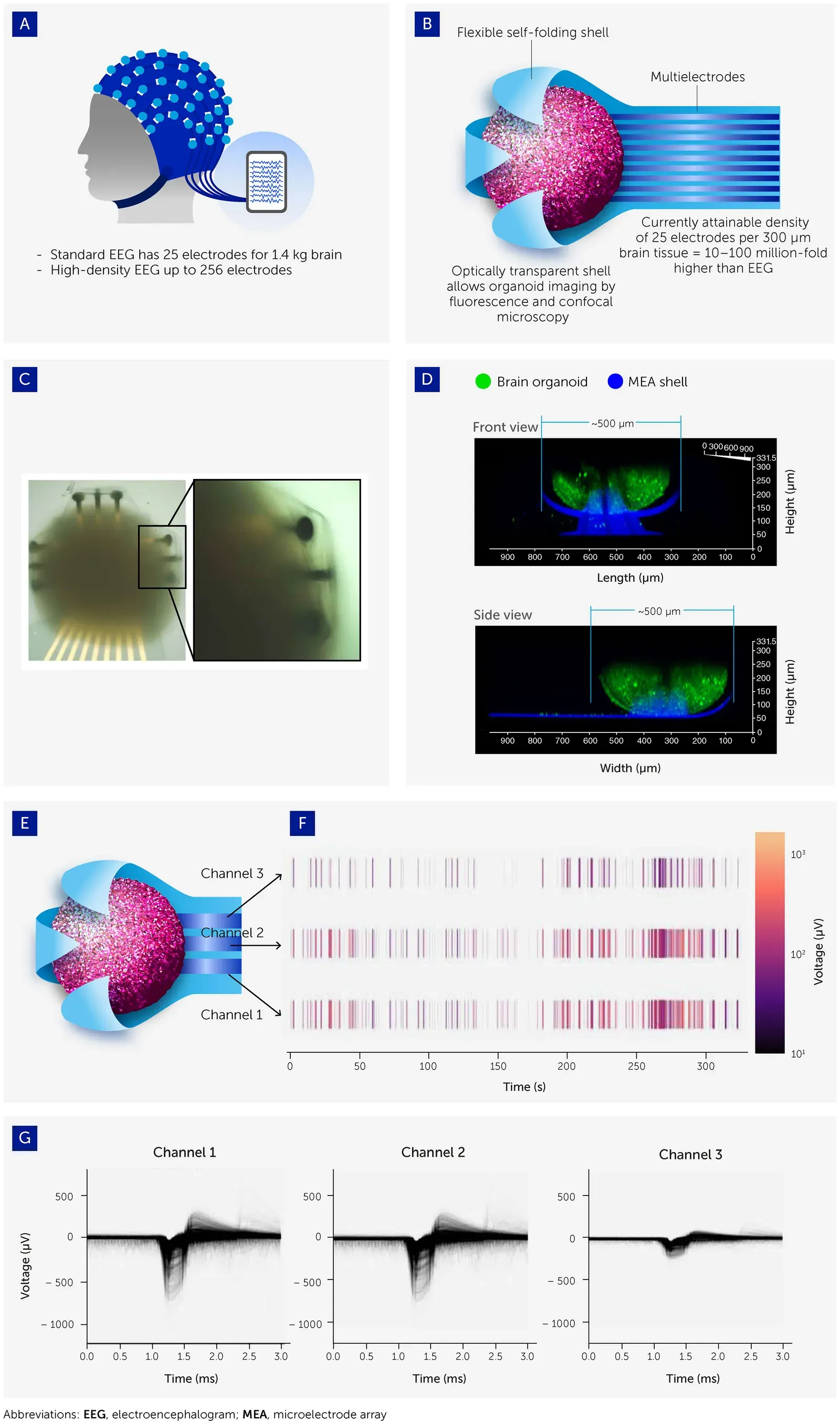
In parallel, other researchers grow flat sheets of neurons on microelectrode arrays, creating networks that can send and receive electrical signals. These networks have been trained to do surprisingly sophisticated tasks, like controlling a simplified video game environment or learning patterns over time. Still, these are not tiny people in dishes. They are extremely simplified, highly artificial versions of brain tissue, missing almost everything that makes a human brain a brain: hormones, a body, continuous sensory flow, development over decades, and the intricate wiring shaped by life experience.
What Do Scientists Mean by Consciousness Anyway?
Before we can ask whether lab-grown brains are conscious, we have to be honest: we do not have a universally accepted definition of consciousness even for ourselves. At a basic level, many scientists use “consciousness” to mean subjective experience – the felt quality of being, the way pain hurts and colors look like something rather than nothing. Others break it into more technical components, like wakefulness, awareness of self and environment, and the ability to integrate information across brain regions. The problem is that we can only directly access our own experience; for everything else, including animals and machines, we infer from behavior and brain activity.
There are multiple competing scientific theories of consciousness, and they do not all point in the same direction when it comes to artificial systems. Some emphasize rich feedback loops and global information sharing; others focus on patterns of complexity or specific anatomical structures. None of them has been decisively proven. That means any strong claim that an organoid is, or is not, conscious leans heavily on assumptions. Right now, most researchers use a cautious operational approach: we look for signatures of complex, coordinated activity and behavior, but we admit that these are at best proxies, not definitive proof of an inner life.
How Sophisticated Are Brain Organoids and Neural Networks Right Now?
Current brain organoids are impressive, but they are still extremely primitive compared to even a newborn human brain. They have far fewer cells, on the order of hundreds of thousands to millions instead of tens of billions, and their organization is rough and incomplete. Some have shown brain-wave-like patterns vaguely reminiscent of those seen in premature infants, but “vaguely reminiscent” is a long way from “equivalent.” They also do not receive rich sensory input, do not control a body, and do not experience the continuous chemical environment that shapes real brains from the womb onward. They are more like isolated fragments of a system than a system in their own right.
On the other side, cultured neuron networks interfaced with computers have demonstrated the capacity to learn simple tasks, such as improving their responses to certain stimuli over time. In a few headline-grabbing experiments, these networks appeared to adapt their firing patterns to play basic games when given feedback, leading to dramatic claims that they were “learning like a brain.” Under the surface, though, this learning is narrow and brittle, and there is no sign of rich internal states, long-term memory of a life, or anything that would resemble a continuous conscious stream. The hype often races miles ahead of what the data actually show.
Could These Systems Ever Feel Anything Like Pain or Pleasure?
The most emotionally charged question is not abstract philosophical consciousness; it is whether these lab-grown systems could ever feel anything like suffering or comfort. Pain, in biological organisms, is not just a signal; it is a complex network process that involves many brain regions, hormones, and learned associations with threat and safety. A small clump of neurons in a dish with no body, no immune system, and no history of injury is missing nearly all of those ingredients. That is one reason many neuroscientists argue that current organoids are very unlikely to experience anything like pain as we know it.
However, the line is not guaranteed to stay clear forever. As organoids become larger, more structured, and perhaps connected to sensors or robotic bodies, they might begin to display more coordinated patterns of activity linked to stimuli and internal states. At some point, the question of whether there is a rudimentary analogue of distress or comfort is no longer obviously absurd. My own view is that we should treat this as a sliding scale of risk: right now the risk that organoids are suffering is probably very low, but not absolutely zero, and as sophistication increases we should proactively tighten ethical safeguards rather than waiting for perfect proof that may never come.
What Does the Evidence Say About Organoid Consciousness Today?
Looking at the data we actually have, there is no solid evidence that current lab-grown brain systems are conscious in the ordinary sense of the word. They show spontaneous electrical activity, sometimes in rhythmic patterns, but spontaneous activity by itself is not enough – spinal cords, isolated brain slices, and even some artificial neural networks can produce complex dynamics without any awareness. The organoids also lack many structural hallmarks associated with conscious states in human brains, such as large-scale, long-range connectivity across distinct functional regions coordinated by ongoing sensory input and bodily feedback.
When researchers compare organoid activity to that of real brains, they tend to emphasize similarity in developmental trajectories or rough frequency bands, not a one-to-one match with conscious states. Even the most optimistic interpretations usually frame organoids as models of early brain development or disease, not as entities with experiences. From a cautious, evidence-based standpoint, the reasonable position is that current organoids are at best extremely weak candidates for consciousness. That does not mean they are guaranteed to be purely mechanical, but it does mean that bold claims about “mini-conscious brains” are mostly speculation layered on top of limited observations.
Why This Debate Is About Ethics as Much as Science
Even with weak evidence for organoid consciousness, the ethical questions refuse to wait. If there is any non-trivial chance that a system could feel something, many people argue we have at least some duty of care, just as we try to reduce suffering in animals used for research. This becomes especially pressing in experiments that deliberately stimulate organoids, expose them to stressors, or link them with machines that provide something like input and output. We could easily stumble into creating states we do not understand and cannot meaningfully monitor, a bit like poking at a creature behind frosted glass and hoping it is fine.
At the same time, brain organoid research promises real benefits: better models for neurological diseases, more ethical testing of drugs, and deeper insight into the roots of disorders like epilepsy or autism. Completely shutting the work down out of fear would also have moral costs, because it might delay help for millions of patients. The hard part is drawing lines in a fast-moving field. In my opinion, we should set clear red lines now – for example, against intentionally building very large, richly connected, sensor-equipped organoids without robust oversight – rather than waiting for a scandal to force us into reactive bans.
Will We Ever Be Able to Tell If a Lab-Grown Brain Is Conscious?
One uncomfortable reality is that consciousness is a notoriously hard thing to test from the outside, whether in animals, machines, or human patients who cannot communicate. We rely on indirect markers: patterns of brain activity, responsiveness to stimuli, and theoretical models that try to link structure to experience. For lab-grown brains, those markers will always be fuzzier, because the systems are so unlike anything evolution produced. Any test we design will smuggle in assumptions about what matters: complexity, integration, feedback, or something else. If those assumptions are wrong, we could be confidently mistaken in either direction.
That does not mean we are helpless, but it does mean we should be humble. Future research may yield better “consciousness indicators,” like specific signatures of integrated information or patterns that correlate reliably with reported experiences in humans. We could then look for faint echoes of those signatures in organoids and neural networks, treating them as probabilistic risk estimates rather than yes-or-no verdicts. Personally, I think we will end up with a patchwork of partial criteria and risk thresholds, not a perfect litmus test. The ethical response, then, is to err on the side of caution whenever systems start to show multiple markers at once, especially if we are exposing them to intense or prolonged stimulation.
Opinionated Conclusion: Consciousness May Be Possible, but We Should Not Rush to Build It
Putting all of this together, my view is blunt: right now, lab-grown brains are almost certainly not conscious in any rich, humanlike sense, and probably not conscious at all – but it is reckless to assume that will always be true. The trajectory of the field is toward bigger, more complex, and more interactive systems, especially as organoids are linked with electronics, sensory devices, or even robotic bodies. If we keep pushing without guardrails, we may eventually create something that has a dim, flickering inner life long before we know how to recognize or care for it. That would be a moral failure dressed up as scientific progress.
So the responsible stance is a mix of curiosity and restraint: keep using organoids and neural cultures as powerful tools to understand brains and fight disease, but proactively stop short of designs that aim for brainlike wholeness or rich embodiment unless we have a strong ethical and scientific framework in place. Consciousness is not just another benchmark to unlock, like beating a video game or training a bigger model; it is the difference between an object and a someone. If there is even a small chance we are inching toward “someone in a dish,” we should slow down, think hard, and decide what kind of creators we want to be. If you were that tiny network of cells, would you want us to treat your possible feelings as an acceptable rounding error?