
Imagine wandering through the steamy, emerald-green rainforests of Borneo, where the air hangs heavy with moisture and the sounds of life echo from every direction. Suddenly, a shadow darts above your head—not a bird, but a small mammal, soaring effortlessly from tree to tree. Moments later, a sleek lizard launches itself into the air, spreading its ribbed flaps to glide gracefully through the canopy. It feels almost magical, as if you’ve stepped into a world where gravity’s rules are bent by nature’s inventiveness. Borneo’s flying mammals and gliding reptiles are living proof that evolution never stops surprising us, turning the impossible into the everyday. Their feats aren’t just wild tricks—they’re the result of millions of years of adaptation, survival, and sheer biological brilliance.
The Rainforest: A Vertical Arena of Wonders

Borneo’s rainforests are among the oldest and most complex ecosystems on Earth, with towering trees that rise like skyscrapers and a tangled web of vines and branches. This vertical complexity creates a unique challenge for animals: getting around without touching the ground, where danger often lurks. Instead of walking or climbing, some have evolved to travel through the air, using gliding as a shortcut across the forest’s vast three-dimensional maze. The dense canopy provides a perfect stage for these aerial artists, making the rainforest a living laboratory for gravity-defying adaptations. This environment rewards those who can leap, glide, or even “fly” from one tree to another, turning the ordinary act of movement into a breathtaking spectacle.
Colugos: The True “Flying Lemurs”
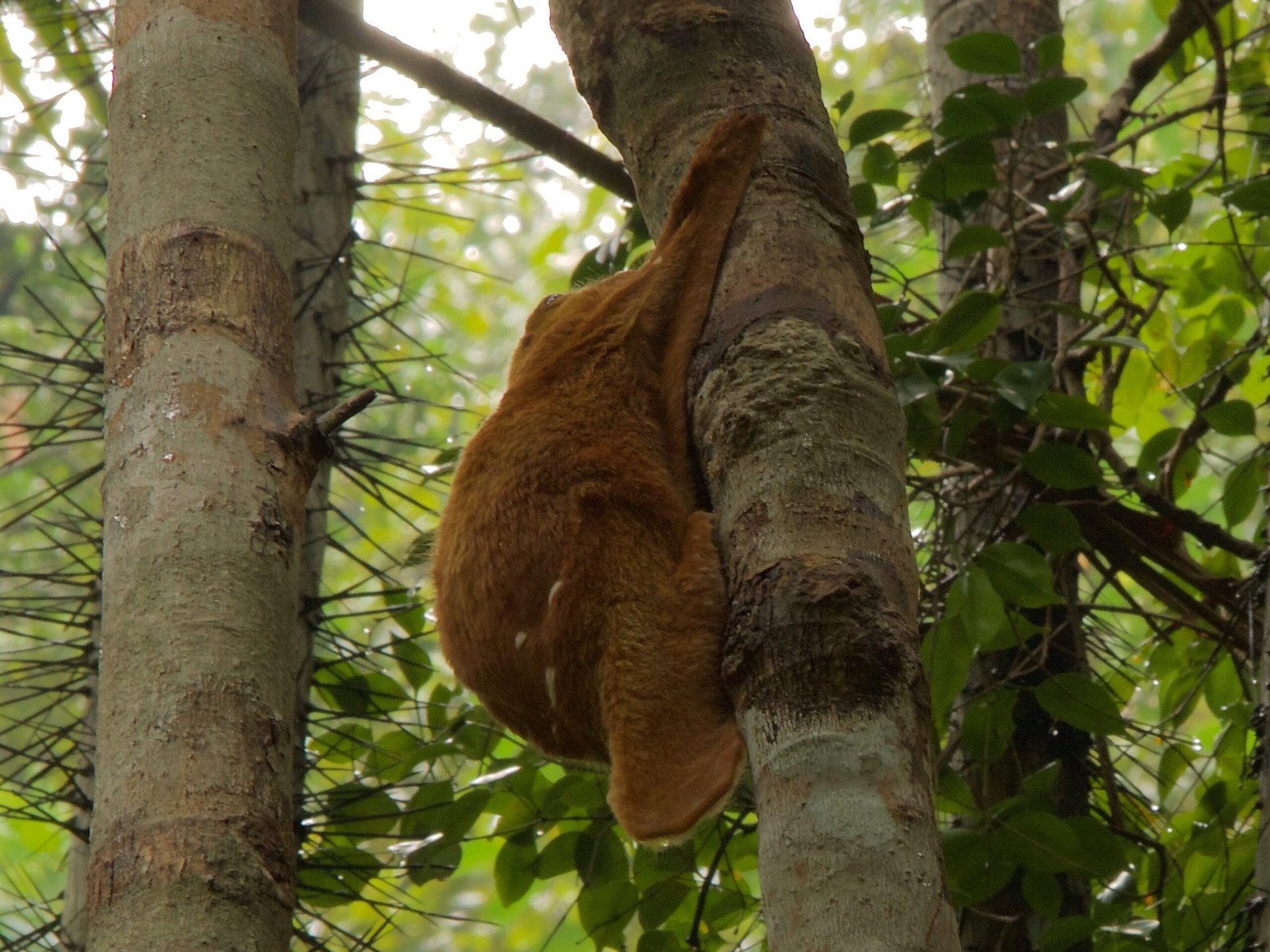
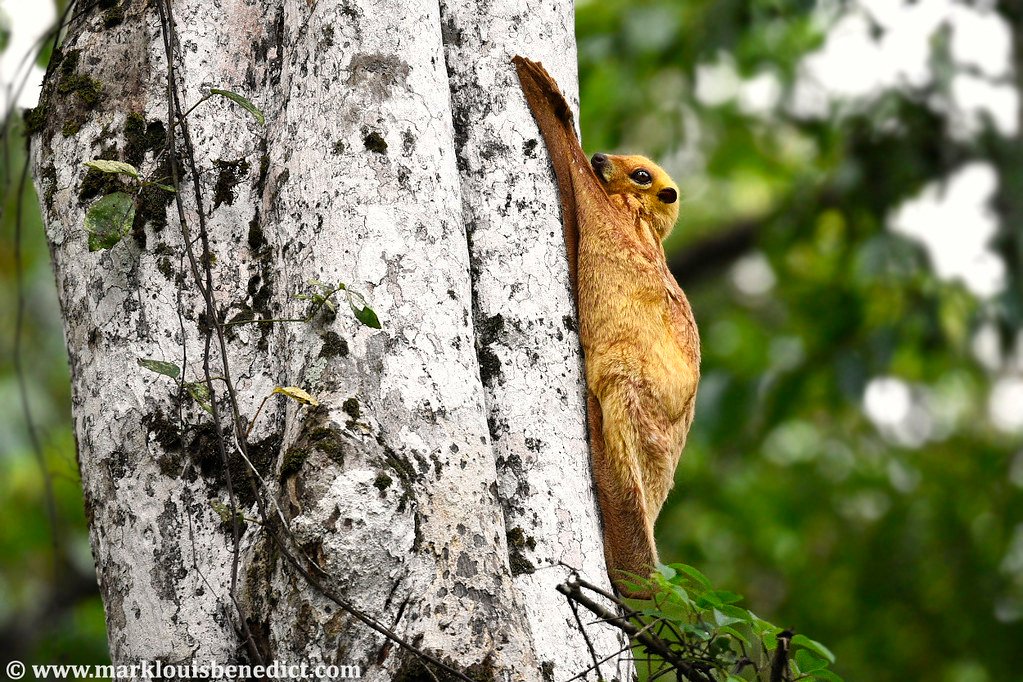
Colugos, sometimes misleadingly called “flying lemurs,” are neither true lemurs nor capable of powered flight. Instead, these remarkable mammals possess a giant membrane of skin, called a patagium, stretching from their neck to the tips of their fingers, toes, and even their tails. At night, colugos glide silently through the forest, covering distances of over 70 meters in a single leap. These gentle creatures are perfectly adapted to their aerial lifestyle, with lightweight bodies and large eyes that help them navigate the dimly lit canopy. Their glides are so controlled and graceful that they seem to float on air, making them one of Borneo’s most enchanting sights. Yet, despite their acrobatics, colugos remain elusive, rarely seen except by the luckiest explorers.
Flying Squirrels: Nighttime Gliders of the Canopy
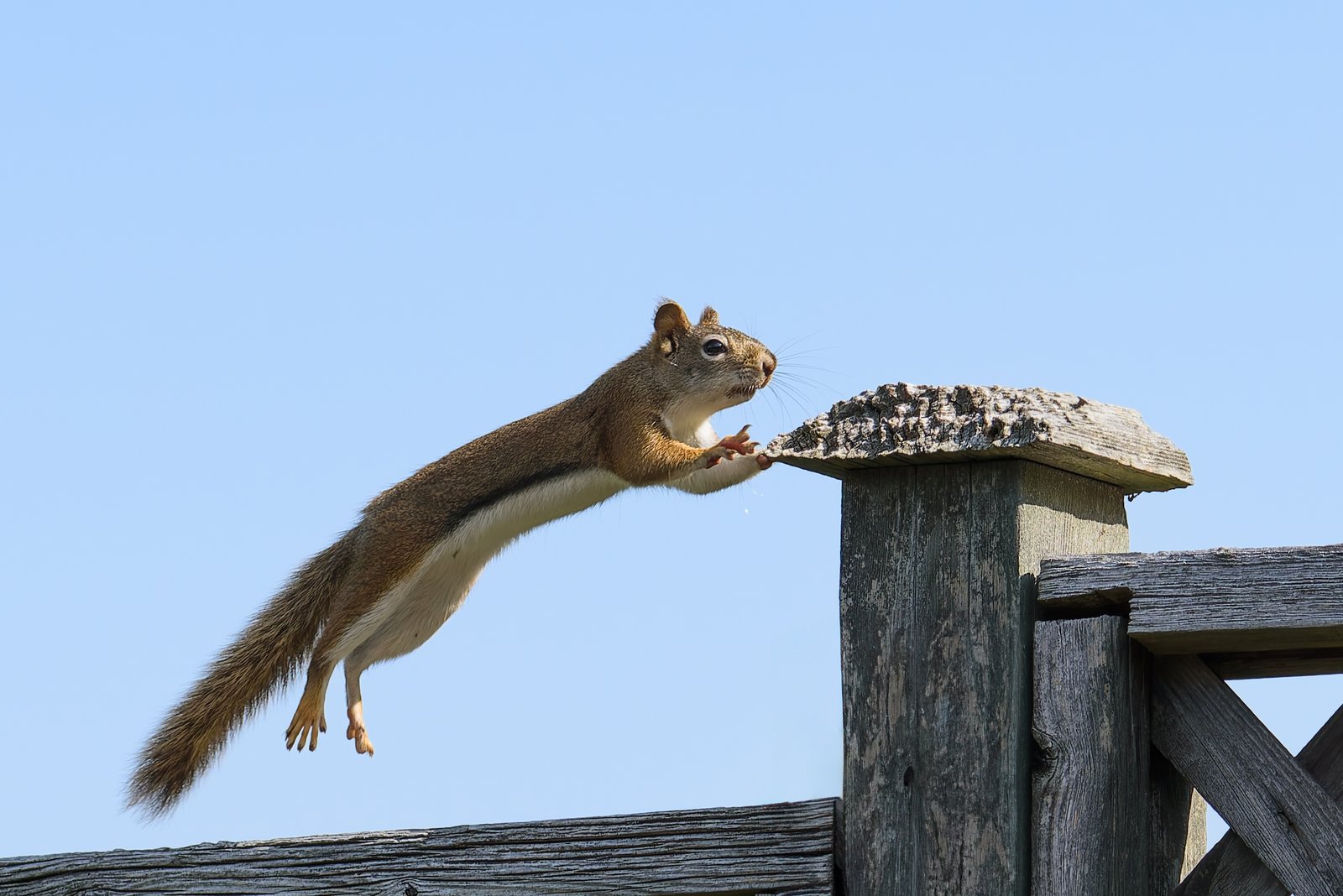
Borneo is home to an astonishing variety of flying squirrels, each with its own unique twist on the art of gliding. These nocturnal rodents use a furry patagium that stretches between their limbs, acting like a living parachute. When threatened or searching for food, flying squirrels leap from branch to branch, steering through the air with surprising precision. Scientists have recorded glides spanning up to 100 meters, with some species even executing sharp turns mid-flight. Their large, luminous eyes help them see in near-total darkness, while their flat tails act as rudders, allowing for agile maneuvers. In the hush of Borneo’s night, the brief flutter of a gliding squirrel is a fleeting, unforgettable moment—proof of nature’s ingenuity at work.
Draco Lizards: The Flying Dragons of Borneo
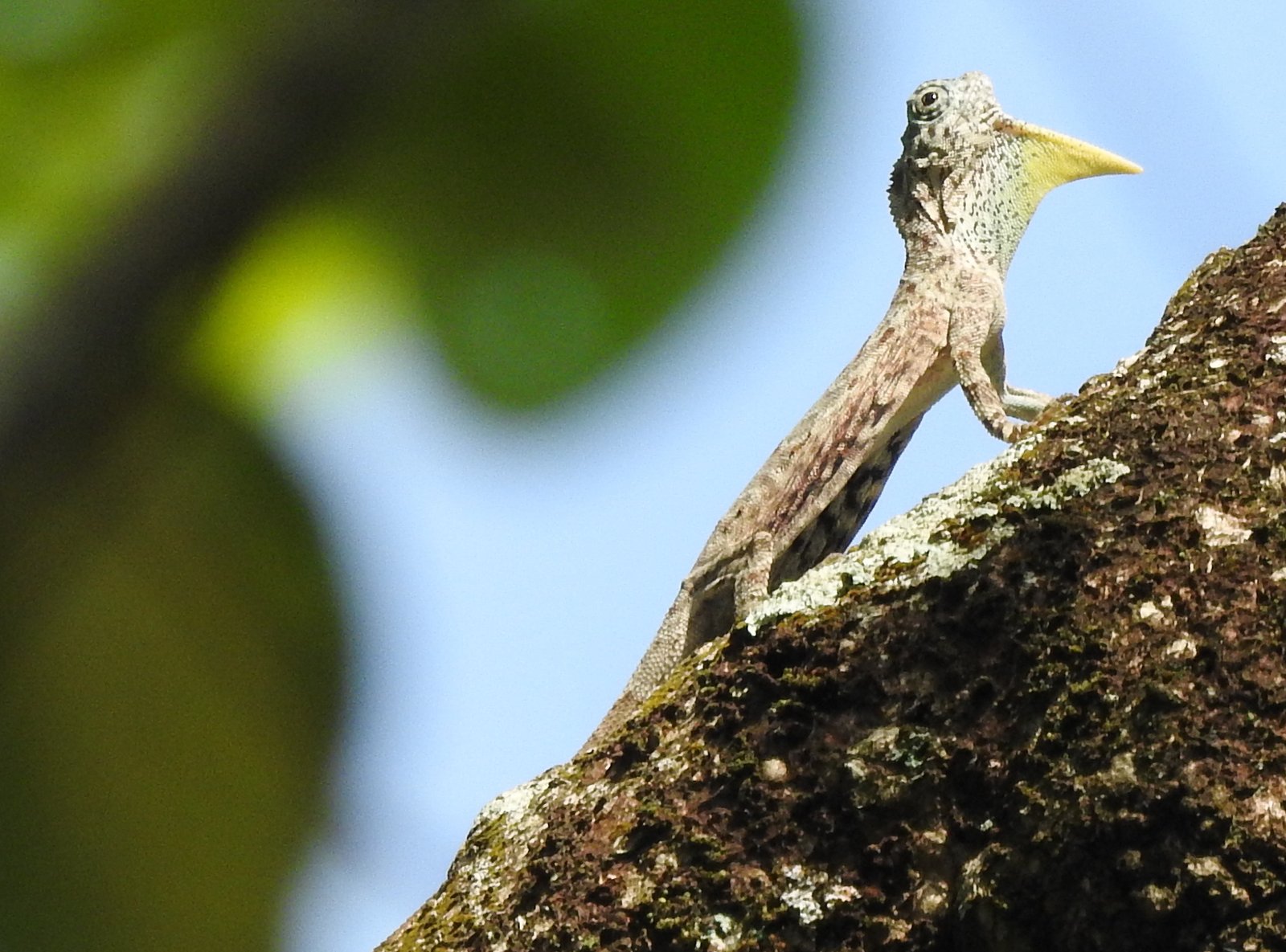
Few sights in Borneo are as mesmerizing as the Draco lizard, often nicknamed the “flying dragon.” These small reptiles have elongated ribs covered by flaps of skin, which they unfurl to create makeshift wings. With a powerful push from a tree trunk, the Draco leaps into the air, gliding effortlessly for distances up to 30 meters. Its tail, long and slender, acts like a steering wheel, allowing for swift changes in direction. These “dragons” don’t just glide for fun—gliding helps them escape predators, find food, and even attract mates. Their dazzling orange and yellow wings flash brightly in the sunlight, making every glide a tiny, airborne display of beauty and survival.
Paradise Tree Snakes: Slithering Through the Air
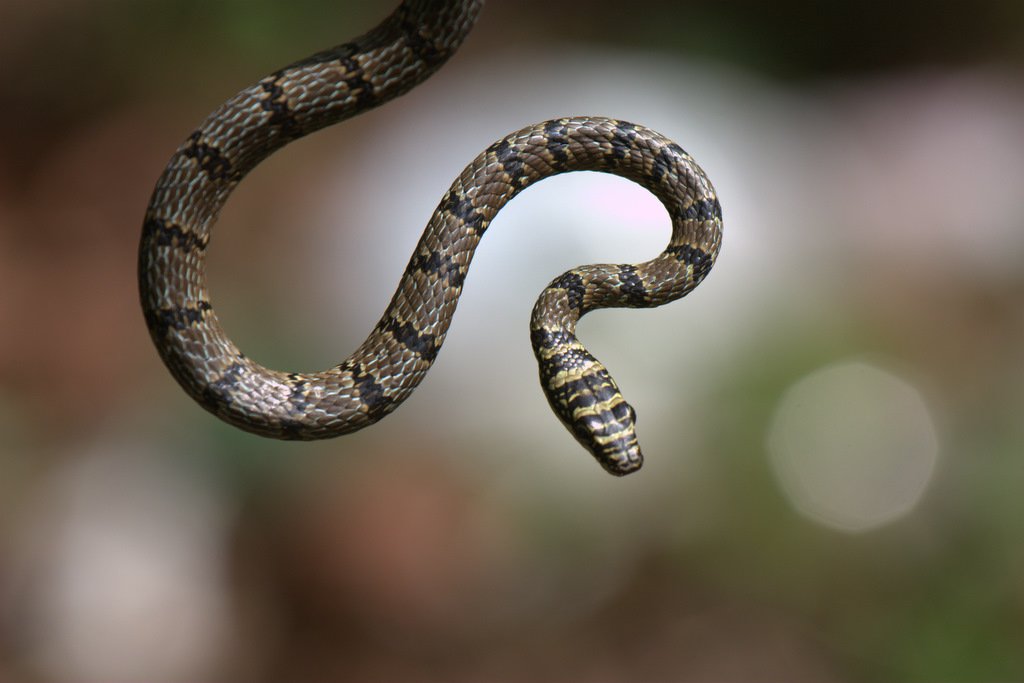
It might sound unbelievable, but some snakes in Borneo have mastered the art of gliding. The paradise tree snake, for example, flattens its body into a ribbon and launches itself from high branches. By undulating in midair, it can travel up to 10 meters in a single glide, steering with remarkable accuracy. Scientists have discovered that these snakes adjust the shape of their bodies to maximize lift, turning what should be a fall into a controlled, calculated flight. Watching a snake “fly” through the rainforest is both thrilling and a little eerie, a reminder that in Borneo, almost anything is possible.
Why Gliding? The Survival Advantage
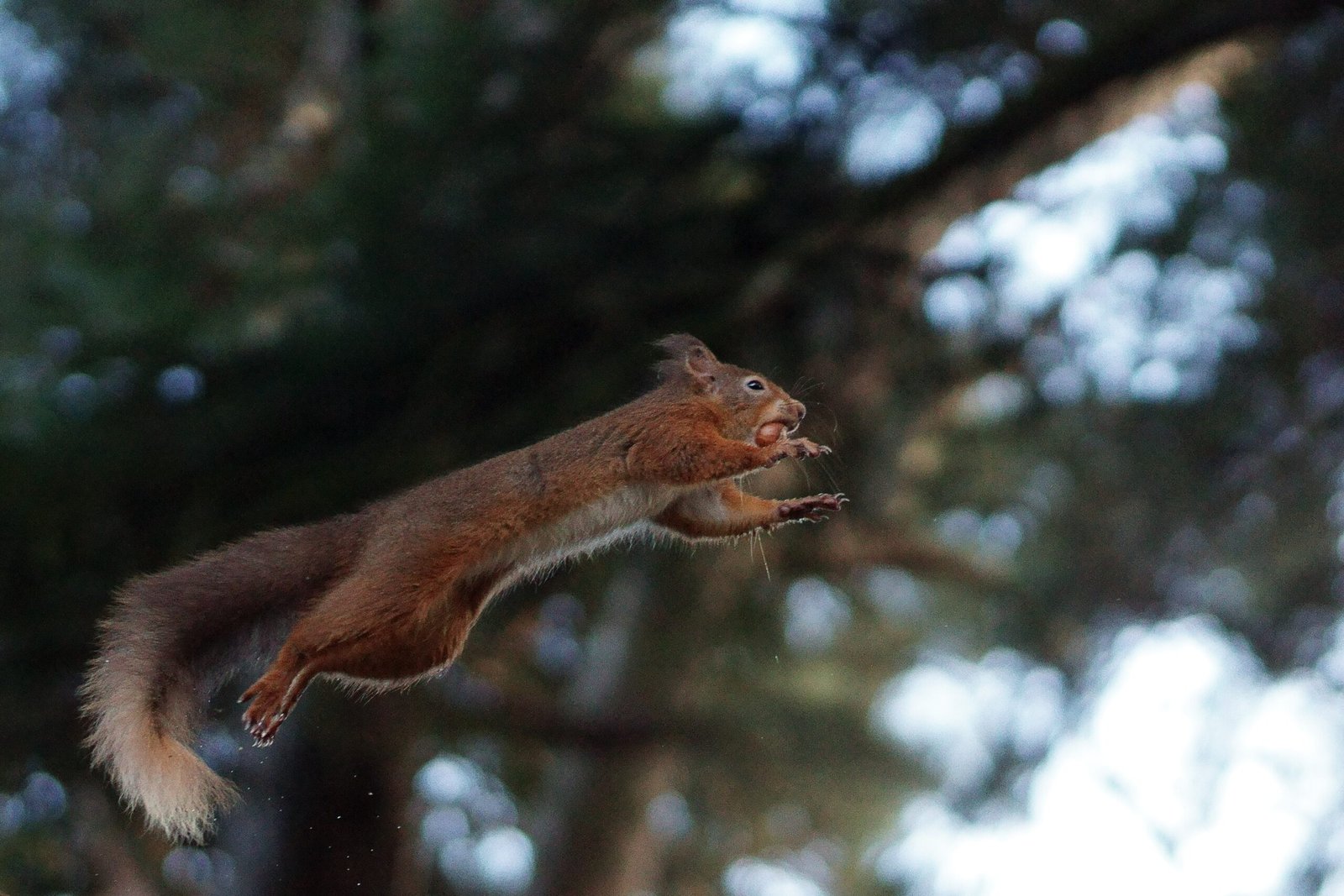
Gliding isn’t just a flashy behavior; it’s a vital adaptation for survival in Borneo’s challenging environment. The thick undergrowth below the canopy is often filled with predators or obstacles, making ground travel risky. By gliding, mammals and reptiles can move quickly between trees to escape danger, find food, or search for mates. This aerial strategy also conserves energy, allowing animals to cover greater distances with less effort. In a landscape where competition is fierce and resources are scattered, the ability to glide gives these creatures a crucial edge, turning the forest’s verticality into an opportunity rather than a barrier.
Anatomy of a Glide: Nature’s Engineering Marvel
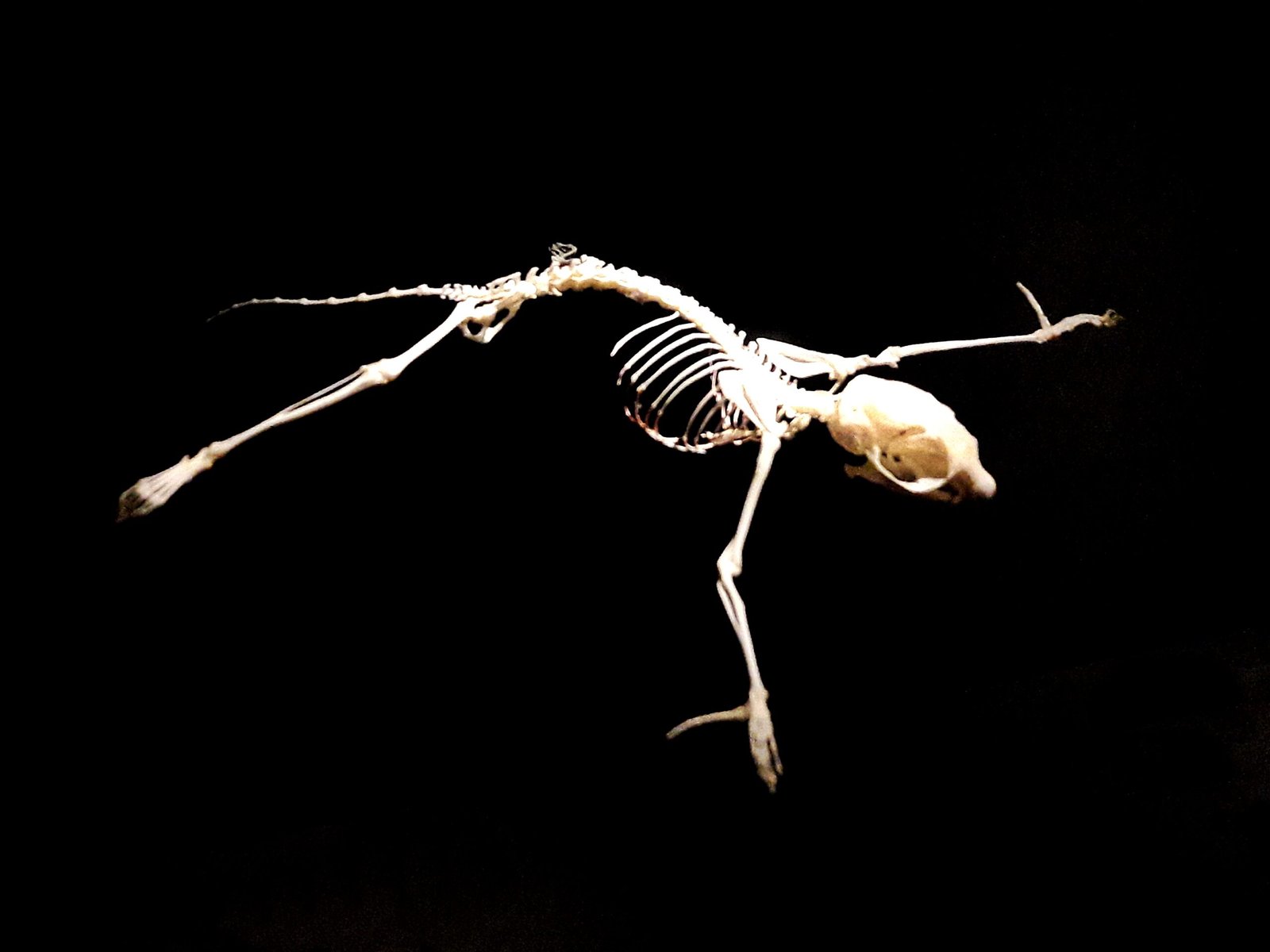
The secret behind these animals’ aerial feats lies in their anatomy. Whether it’s the expansive patagium of a colugo or the rib-supported wings of a Draco lizard, each gliding animal has evolved specialized structures to maximize lift and stability. Scientists have studied the microstructure of their membranes, discovering tiny fibers and scales that reduce drag and improve control. Strong, flexible limbs act as shock absorbers for landing, while tails provide steering and balance. Evolution has shaped every detail, transforming ordinary bodies into biological gliders that rival anything built by human engineers.
Gliding in the Face of Extinction
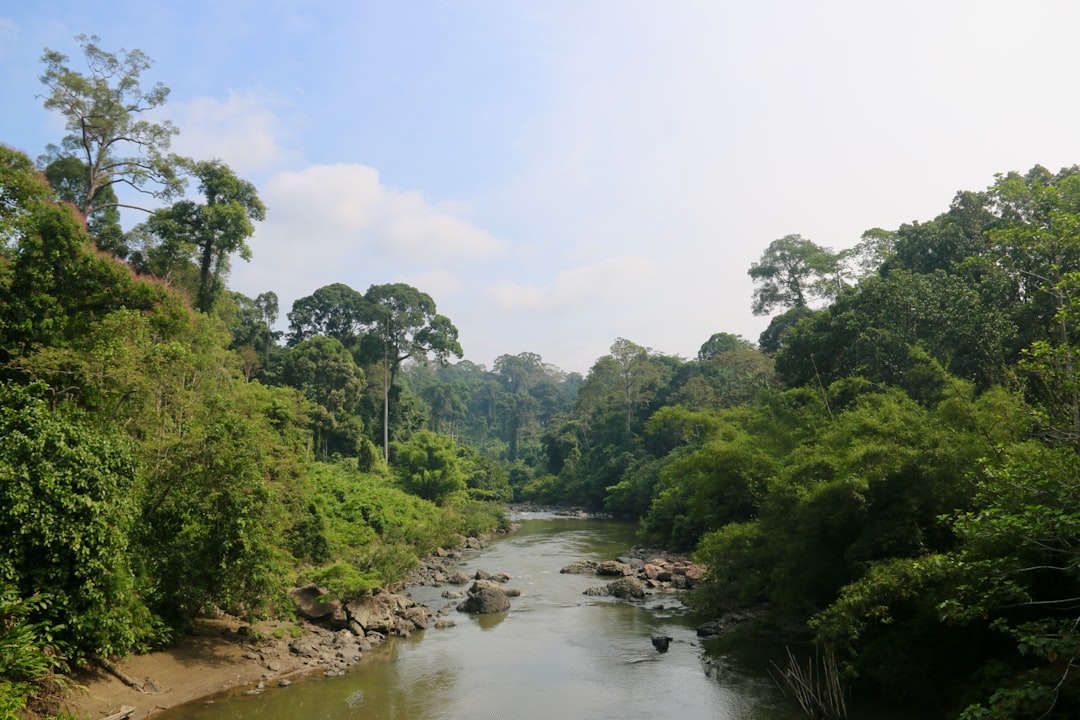
Sadly, the very forests that make gliding possible are under threat. Logging, agriculture, and development have chipped away at Borneo’s ancient woodlands, shrinking the habitats that colugos, flying squirrels, and Draco lizards depend on. As trees disappear, the distances between safe landing spots grow wider, making gliding more dangerous and less effective. Conservationists warn that without urgent action, these gravity-defying wonders could vanish, taking with them secrets that scientists are only beginning to unlock. Protecting their rainforest home is more than an environmental cause—it’s a race to preserve some of evolution’s most astonishing achievements.
The Future of Borneo’s Aerial Wonders
Researchers continue to uncover new species and behaviors in Borneo’s forests, suggesting that we’ve only scratched the surface of what’s possible. Advanced tracking technology, high-speed cameras, and even drones are helping scientists capture gliding in action, revealing details never seen before. Some hope these discoveries might inspire new designs in robotics, aviation, and beyond—proving that the lessons of nature often outshine our own inventions. As long as Borneo’s forests stand, the story of its flying mammals and gliding reptiles will keep evolving, challenging our understanding of what life can achieve.
What Can We Learn From Borneo’s Gravity-Defiers?
Borneo’s gliders teach us that nature is endlessly creative, always finding new ways to solve old problems. Their adaptations are not just feats of physics but stories of survival, innovation, and resilience. They show us how life can flourish in even the most demanding environments, turning obstacles into opportunities. By studying these creatures, we gain insight into evolution’s power and the fragile balance that keeps our world so wonderfully diverse. Their existence is a call to marvel, to protect, and to never stop asking: What other mysteries are soaring above our heads, waiting to be discovered?