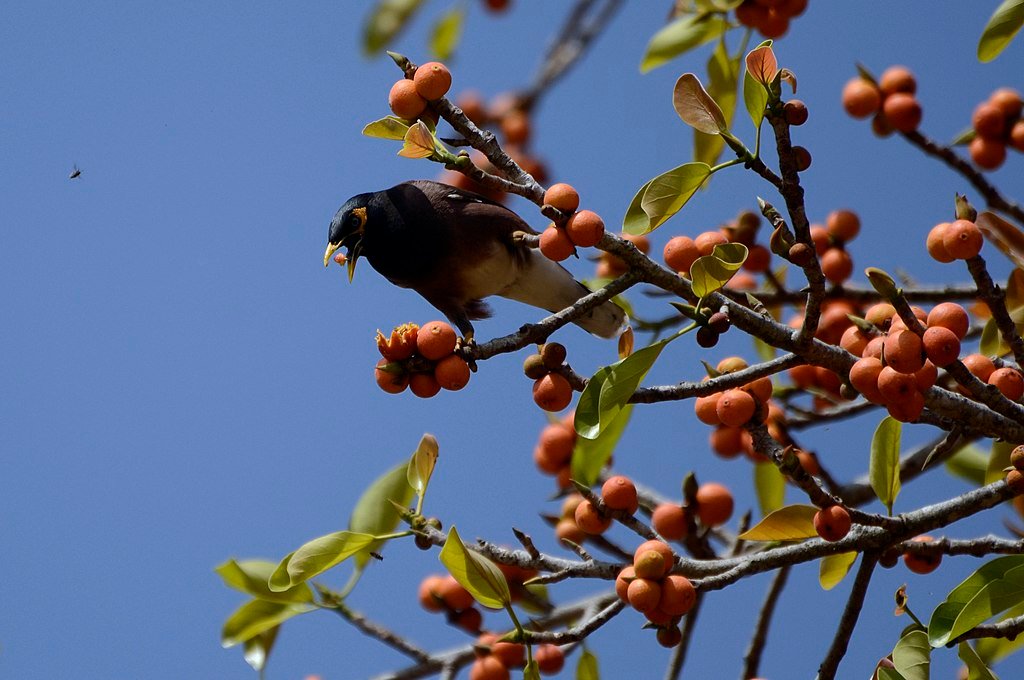

New research has revealed that birds may regularly consume alcohol through their diet, particularly species that feed on nectar and fruit. Scientists have detected traces of ethyl glucuronide, a byproduct of alcohol metabolism, in the feathers and liver samples of various bird species. This discovery suggests that exposure to ethanol is more widespread among birds than previously recognized, leading researchers to explore its impact on avian physiology and behavior.
How Birds Ingest Alcohol Through Fermented Foods
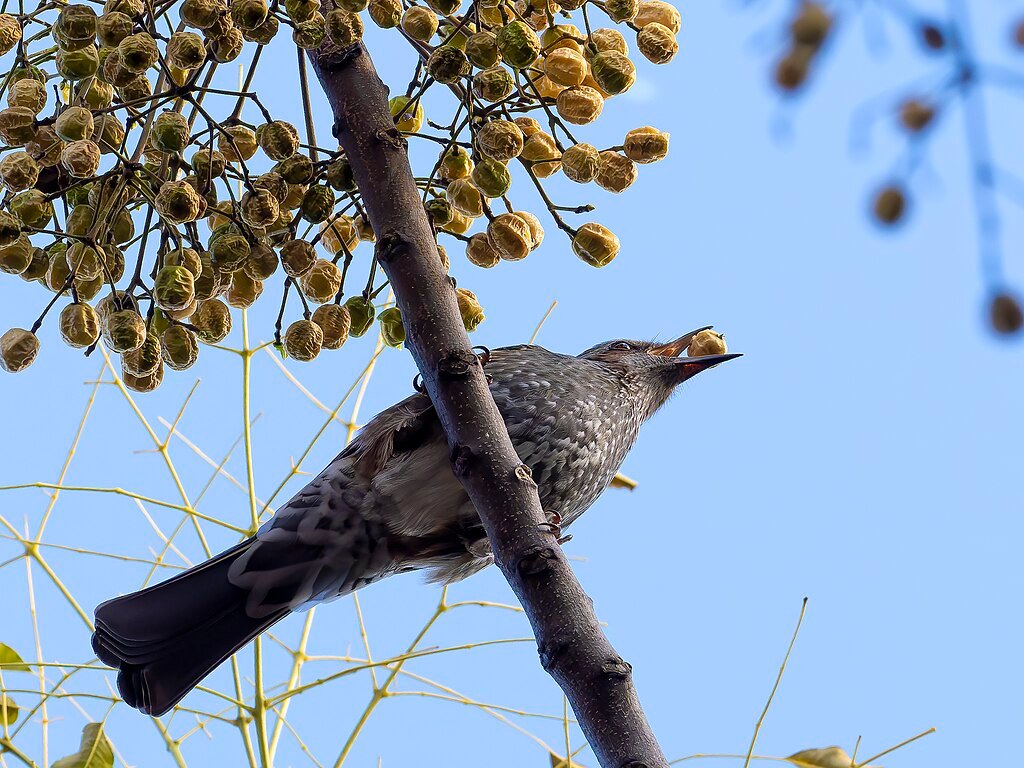
Many birds consume foods that naturally undergo fermentation, such as ripe fruits and nectar. Sugary substances can ferment due to microbial activity, producing ethanol as a metabolic byproduct. Nectar-feeding species, including hummingbirds, frequently ingest small amounts of alcohol when consuming fermented flower nectar. Frugivorous birds also encounter ethanol when eating overripe fruit, making alcohol exposure a natural part of their diet.
Detecting Alcohol in Avian Species
Scientists are conducting chemical tests on 17 bird species to measure levels of ethyl glucuronide, a compound that remains in the body after alcohol breakdown. The study focused on preserved specimens from the Museum of Vertebrate Zoology in Berkeley, California. The analysis confirmed detectable alcohol exposure in nectar-feeding birds and fruit eaters, but it also unexpectedly found traces in insectivorous and seed-eating species.
The Effect of Alcohol on Bird Physiology and Behavior
Alcohol consumption can influence avian behavior, potentially affecting motor coordination and cognitive function. Researchers suspect that ethanol exposure may impair flight performance in extreme cases, making birds more susceptible to predation and accidents. However, many birds appear to tolerate alcohol intake without adverse effects, suggesting that some species may have evolved mechanisms to metabolize ethanol efficiently. Further research is needed to determine whether birds experience intoxication and how it impacts survival strategies.
Artificial Nectar Feeders and Urban Alcohol Exposure
Urban environments may contribute to unintentional alcohol exposure in birds through artificial nectar feeders. Sugar water left in feeders for extended periods can ferment, increasing ethanol levels and potentially affecting birds that rely on these food sources. Researchers suggest monitoring fermentation rates in artificial feeders and replacing nectar frequently to minimize alcohol intake in nectarivorous species.
Future Research Directions in Avian Alcohol Metabolism
Understanding alcohol metabolism in birds could provide insights into how different species adapt to their environments and dietary variations. Future studies may explore whether birds develop tolerance to ethanol over time and how seasonal changes in food availability influence alcohol exposure. Researchers also aim to investigate whether ethanol consumption has any long-term effects on bird health or reproductive success.
Conclusion
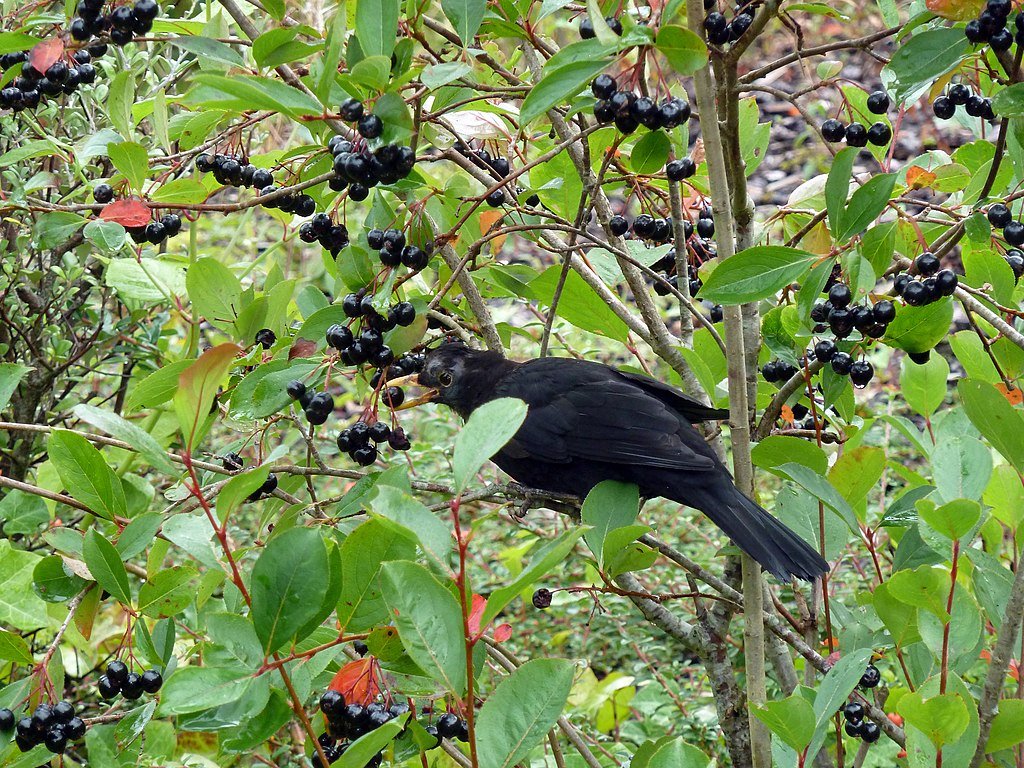
The discovery that birds regularly consume alcohol through fermented foods challenges previous assumptions about avian diets. As scientists continue to study ethanol metabolism in birds, their findings may provide insights into how different species adapt to environmental changes and dietary shifts. This research could also inform conservation efforts, particularly in urban areas where human-provided food sources may inadvertently influence avian physiology.
Source: