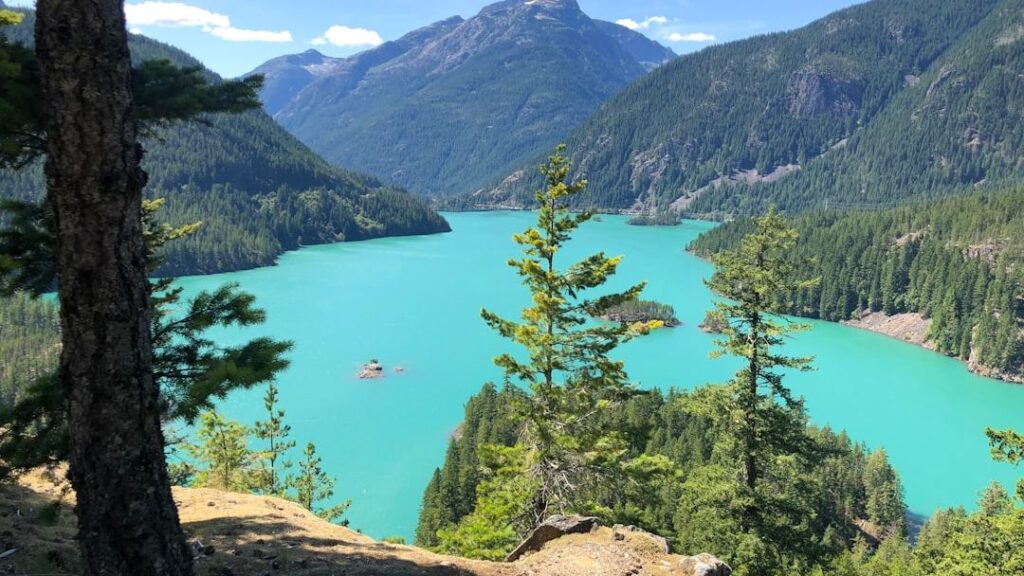
Once upon a time, the heart of Australia wasn’t the arid and rugged landscape we know today. Instead, it was a vast, shimmering sea teeming with life. Imagine standing in the middle of the Outback, not surrounded by red sands but by the gentle waves of an ancient ocean. This isn’t a scene from a fantasy novel but a fascinating chapter from Earth’s geological history. The transformation of Australia’s inland from a watery expanse to the iconic desert landscape is a testament to the planet’s ever-changing nature. But how did this extraordinary transformation occur?
The Ancient Seas of Gondwana

Millions of years ago, Australia was part of the supercontinent known as Gondwana. During the Paleozoic era, around 540 to 250 million years ago, vast seas covered much of what is now Australia. These waters were home to a diverse array of marine life, including trilobites, brachiopods, and early fish. The seas were shallow and warm, creating an ideal environment for these ancient creatures. As tectonic plates shifted and climates changed, these seas began to retreat, leaving behind rich deposits of marine sediments that would later become fossils.
The Rise of the Eromanga Sea

Fast forward to the Mesozoic era, approximately 140 million years ago, when the Eromanga Sea emerged. This inland sea covered large parts of central and eastern Australia. It was a time when dinosaurs roamed the land, and marine reptiles like ichthyosaurs and plesiosaurs swam in the waters. The Eromanga Sea was not a static body of water; it expanded and contracted over millions of years due to fluctuating sea levels. This dynamic nature contributed to the diverse fossil record we find today, offering a glimpse into a world long gone.
Fossilized Treasures of the Inland Sea

The legacy of Australia’s ancient seas is etched into the landscape through its abundant fossils. Sites like Coober Pedy and Lightning Ridge are famous for their opalized fossils, where the remains of marine creatures have turned into stunning opals. These fossils provide invaluable insights into the prehistoric ecosystems that once thrived in the region. Paleontologists have discovered everything from ammonites to giant marine reptiles, painting a vivid picture of life beneath the waves. These discoveries not only captivate our imagination but also deepen our understanding of Earth’s evolutionary history.
Geological Forces at Play

The transformation of an ocean into the arid Outback was driven by powerful geological forces. As the Australian continent drifted northward, it experienced significant uplift and erosion. This process led to the gradual draining of the inland seas, creating vast plains and sedimentary basins. The once-thriving marine environments gave way to new habitats, including lush forests and expansive deserts. The remnants of these ancient seas are still visible today in the form of salt lakes and dry riverbeds, reminders of a bygone era.
Climate Change and Its Impact

Climate has played a pivotal role in shaping Australia’s landscape. Over millions of years, shifts in global climate patterns caused fluctuations in sea levels, impacting the extent of the inland seas. As the climate became drier, the seas receded, leaving behind arid environments. The Outback’s current climate is characterized by extreme temperatures and limited rainfall, a stark contrast to its watery past. Understanding these changes helps scientists predict future climate impacts and underscores the importance of studying Earth’s history to prepare for tomorrow.
The Role of Tectonic Activity

Tectonic activity has been a driving force behind the evolution of Australia’s landscape. As the continent moved northward, it experienced significant geological upheaval. This movement caused the land to rise and the seas to retreat, a process that took millions of years. The formation of the Great Dividing Range and other mountain ranges further influenced the region’s climate and hydrology. These tectonic processes continue to shape the continent today, reminding us of the dynamic nature of our planet.
Modern-Day Echoes of the Ancient Seas

While the ancient seas have long since vanished, their influence is still felt today. The rich deposits of minerals and fossils left behind by these seas have become valuable resources. The opal fields of Coober Pedy and the mineral-rich basins of the Outback owe their existence to the ancient marine environments. Additionally, the unique flora and fauna of the region have adapted to the harsh conditions left in the wake of the receding seas. These modern-day echoes serve as a testament to the enduring legacy of Australia’s inland ocean.
The Connection Between Past and Present

The story of Australia’s inland sea is a compelling reminder of the interconnectedness of Earth’s systems. The transformation from ocean to desert was not a sudden event but a gradual process shaped by a combination of factors. By studying the past, scientists can draw connections to present-day environmental challenges. The lessons learned from Australia’s geological history can inform conservation efforts and guide sustainable practices in the face of ongoing climate change. This connection between past and present underscores the importance of preserving our planet’s natural heritage.
Lessons from the Ancient Seas

The history of Australia’s inland sea offers valuable lessons for humanity. It highlights the resilience of life and the adaptability of ecosystems in the face of change. The fossils and geological formations left behind serve as a reminder of the Earth’s capacity for transformation. These lessons are particularly relevant today as we grapple with the impacts of climate change and environmental degradation. By understanding the past, we can better navigate the challenges of the future and work towards a more sustainable world.
A Journey Through Time

Reflecting on the story of Australia’s inland sea is like embarking on a journey through time. It invites us to imagine a world vastly different from our own, where oceans once covered the land we now call the Outback. This journey is not just a scientific exploration but an invitation to appreciate the beauty and complexity of our planet. As we delve into the past, we are reminded of the wonders of nature and the enduring spirit of discovery. What other secrets does the Earth hold, waiting to be uncovered by curious minds?