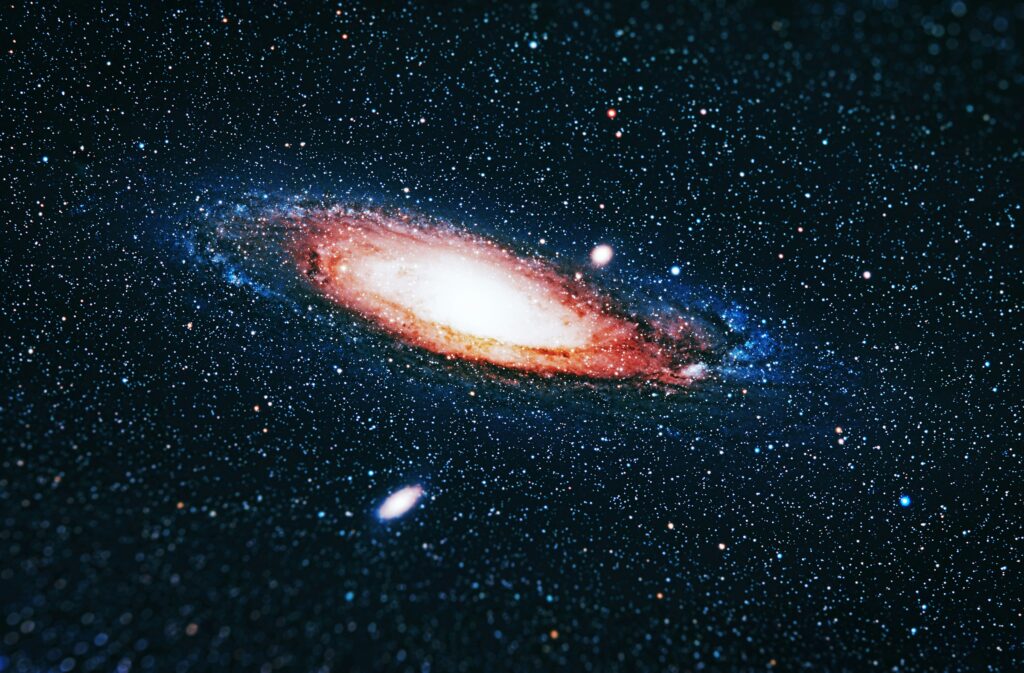

Take a second and picture the night sky you grew up with: the familiar constellations, the hazy band of the Milky Way, that comforting feeling that the cosmos is mostly static and eternal. Now imagine discovering that, on the largest scales, our entire galaxy is already in the slow-motion grip of a collision that started long before our species appeared and will keep unfolding long after it is gone. The serene sky is actually the surface of an ongoing, titanic reshaping of our home in the universe.
Astrophysics has quietly rewritten the story of our cosmic neighborhood over the last few decades. Andromeda is not just some distant spiral galaxy we admire in long-exposure photos; it is a massive partner in a gravitational dance with the Milky Way, the two locked together in a process that is already underway. Once you see the evidence, the idea that everything above us is stable starts to feel quaint, almost old‑fashioned, like thinking continents never move because you cannot see them drift.
The Local Group: A Gravitational Family Drama
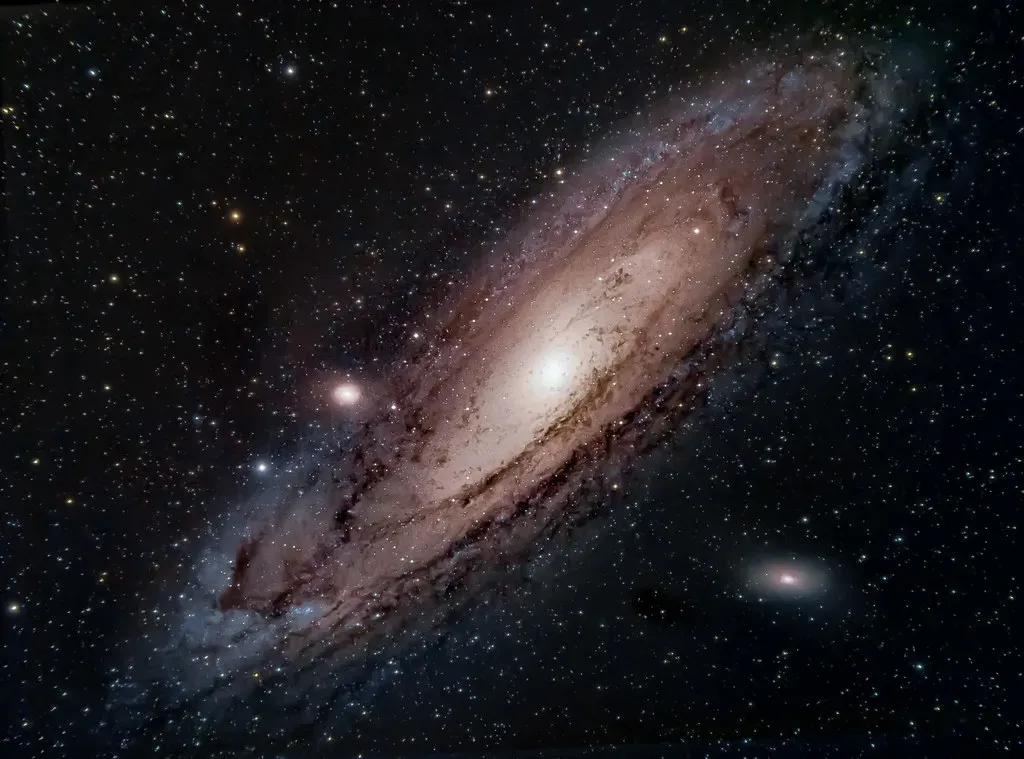
At the simplest level, the Milky Way and the Andromeda galaxy are members of the same small cosmic neighborhood, a cluster of galaxies called the Local Group. This is not a random assortment of islands in space; it is a bound family, held together by gravity like a group of skaters linked by invisible cords on a frictionless rink. The Milky Way and Andromeda are the two heavyweights, each with its own retinue of smaller satellite galaxies that orbit like moths around bright lamps.
Because they share this gravitational neighborhood, their motions are not independent. The Local Group has a common center of mass, and over billions of years, its members spiral, fall, and tug on one another in a slow, complex choreography. The simple fact that the Milky Way and Andromeda are both massive and relatively close on cosmic scales guarantees interaction. They cannot just politely ignore each other any more than two massive planets could quietly pass in the same small solar system without disturbing orbits.
Andromeda Is Already Moving Toward Us
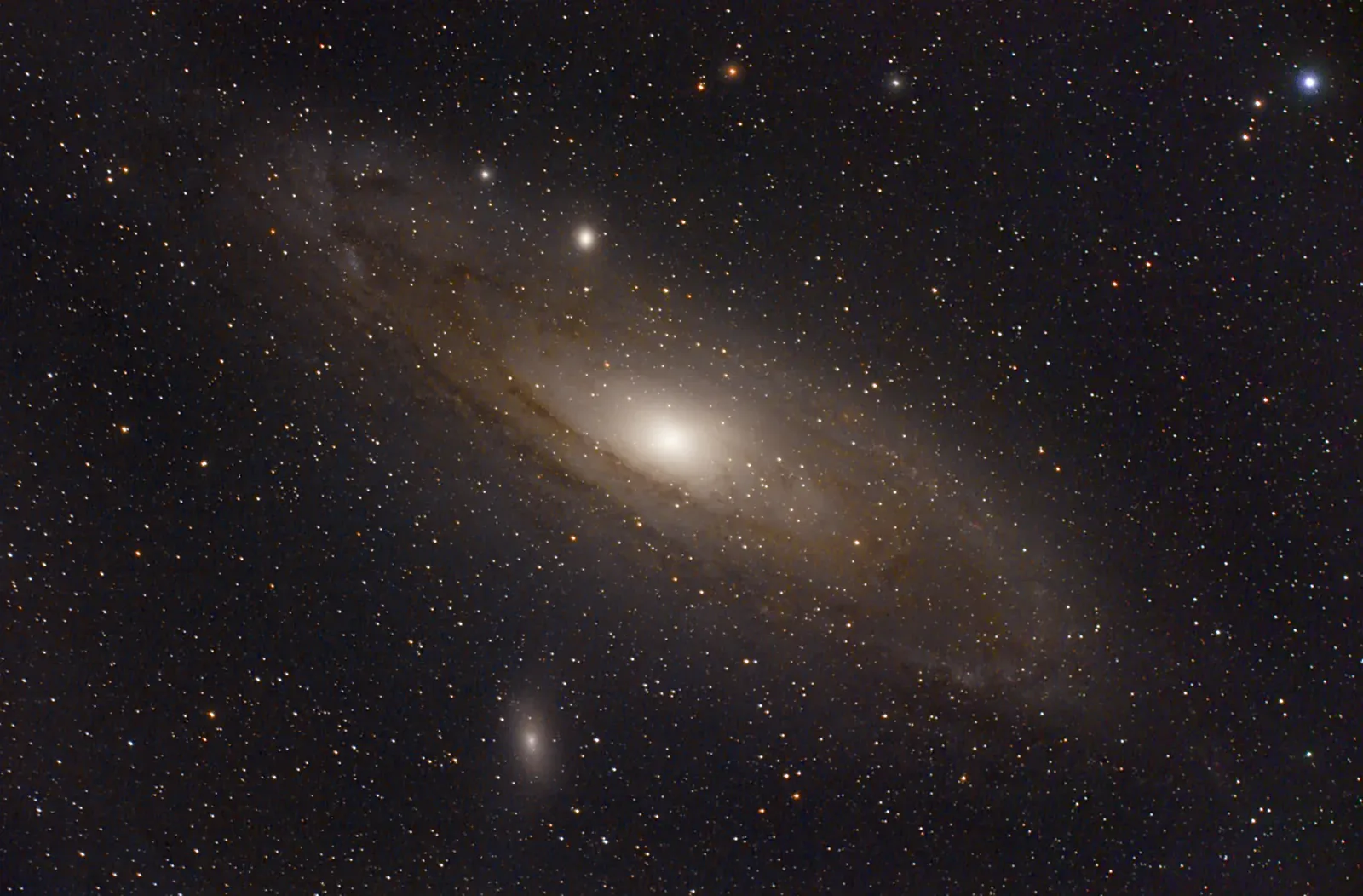
Long before we had stunning space telescopes, astronomers measured Andromeda’s light and realized something startling: its spectrum is blueshifted. That means the light waves are squashed, shifted toward shorter wavelengths because the galaxy is moving toward us, not away. In a universe where most galaxies are receding as space expands, Andromeda is one of the rare big ones coming in our direction, a smoking gun that gravity is overwhelming expansion on these local scales.
More precise measurements from space telescopes have nailed down both the radial motion toward us and the sideways, or tangential, motion across the sky. The numbers show that Andromeda is not missing us by a comfortable margin; it is on a generally converging path. When you combine its speed, distance, and direction, you are not looking at a future chance encounter, you are looking at a continuation of a process that is already running. The cosmic equivalent of the collision has left the parking lot and is slowly rolling down the hill toward the intersection.
Tidal Forces: The Invisible Hands Already Stretching Both Galaxies
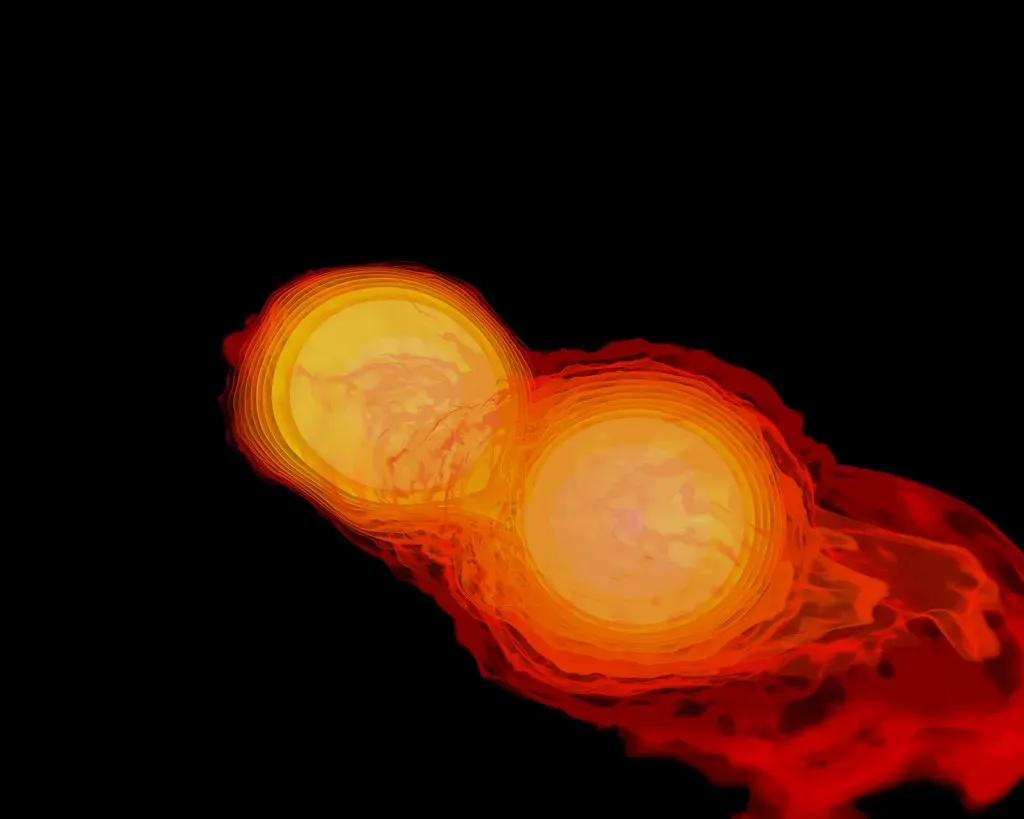
When people hear “galaxy collision,” they tend to imagine two solid objects smashing together like cars on a highway. Reality is stranger and more subtle. Galaxies are mostly empty space, made of stars that are incredibly far apart compared to their own sizes. The real action comes from tidal forces: differences in gravity from one side of a galaxy to the other that stretch, twist, and reshape the overall structure. Even across the current distance between the Milky Way and Andromeda, those tidal forces exist and are not zero.
Right now, the gravitational pull of each galaxy on the other is already slightly distorting their dark matter halos and outer stellar envelopes. You can think of it like two massive ocean tides barely beginning to ripple across huge beaches; the main waves will take billions of years to arrive, but the water has already started to respond. On the scale of human lives, nothing seems to happen. On the scale of eons, these small tugs add up, guiding each galaxy into an ever tighter embrace, the merger effectively in progress long before any dramatic visual change appears.
Dark Matter Halos: Where the Merger Really Started
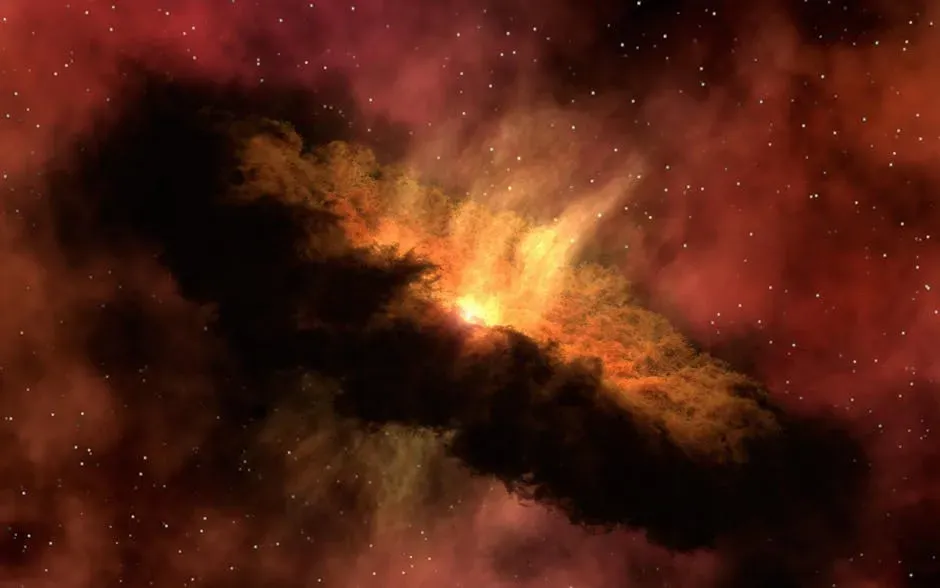
The visible parts of galaxies are just the tip of the iceberg. Surrounding the Milky Way and Andromeda are huge halos of dark matter, vast spherical envelopes that are far larger than the bright disks of stars and gas we see in photographs. These halos overlap in influence much earlier than the luminous parts of the galaxies ever will. In a sense, the dark matter components of the Milky Way and Andromeda have been part of the same gravitational structure for a very long time.
Computer simulations suggest that the halos do not wait for some future calendar date to begin interacting; they have been trading momentum and shaping each other’s infall for billions of years. Seen from this perspective, asking when the “merger” starts is a bit like asking when a river begins: at the spring, the first trickle, or where the flow becomes obvious? If your definition of a merger includes the slow, large‑scale blending of dark matter halos, then the Andromeda–Milky Way union is not a distant event; it is an ancient process that has been underway since long before humans, mammals, or even complex land life existed.
Galactic Collisions Rarely Destroy Stars, but They Rewrite the Sky
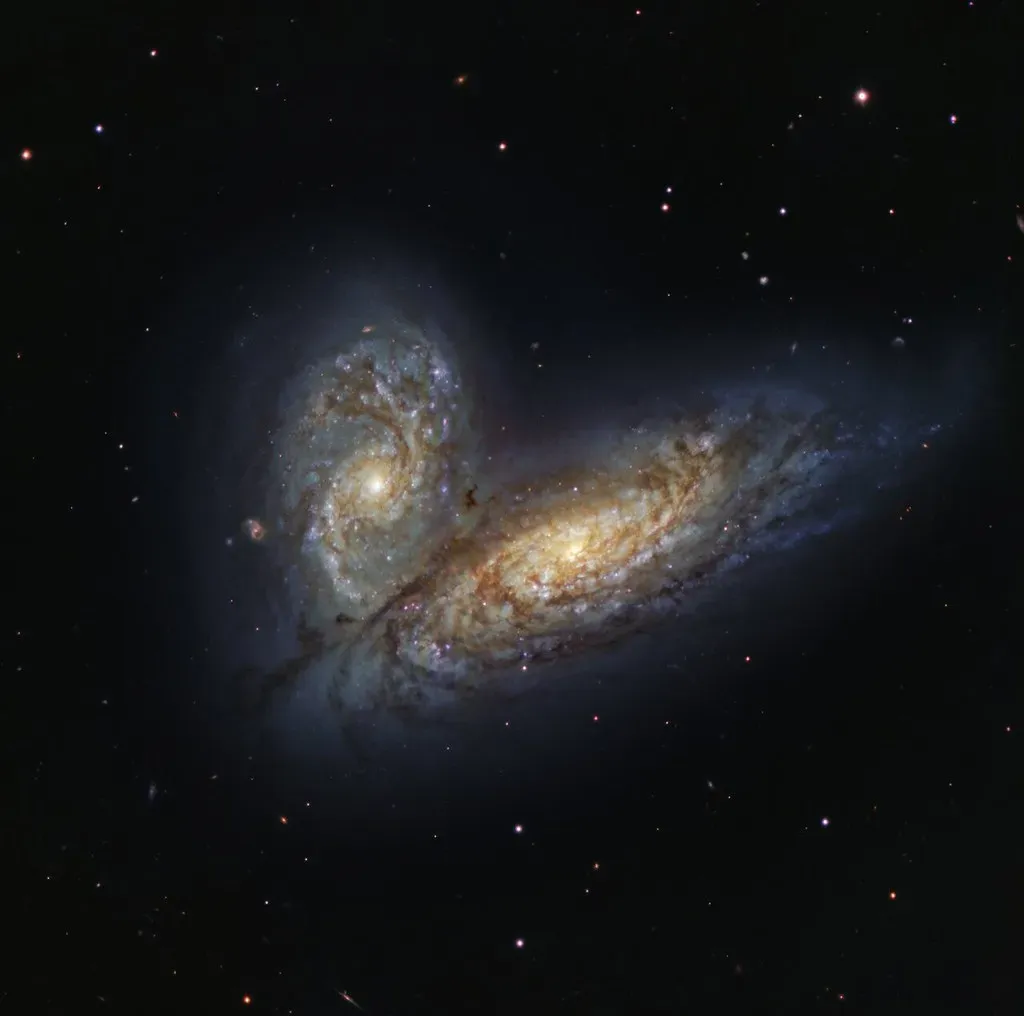
Here is the part that feels almost unfairly anticlimactic: when the Milky Way and Andromeda finally overlap more dramatically, individual stars will almost never collide. The distances between stars are so enormous that even in a merger, they mostly slip past one another. The real drama happens in orbits and gas. Stellar paths through the galaxies will be thrown into new configurations, and giant clouds of gas will crash, compress, and ignite new waves of star formation.
From a hypothetical future planet, the sky would be transformed again and again over hundreds of millions of years. You might see long, ghostly tidal streams, multiple bright cores in the sky, and eventually a more rounded, merged galaxy instead of a neat spiral. Our constellations, our zodiac, all the familiar patterns we project onto the stars are incredibly temporary; they are delicate doodles on a page that is being slowly crumpled and reshaped. The merger is not about annihilation; it is about radical redecoration on an almost unimaginably grand scale.
A Timeline Measured in Billions, Not Headlines
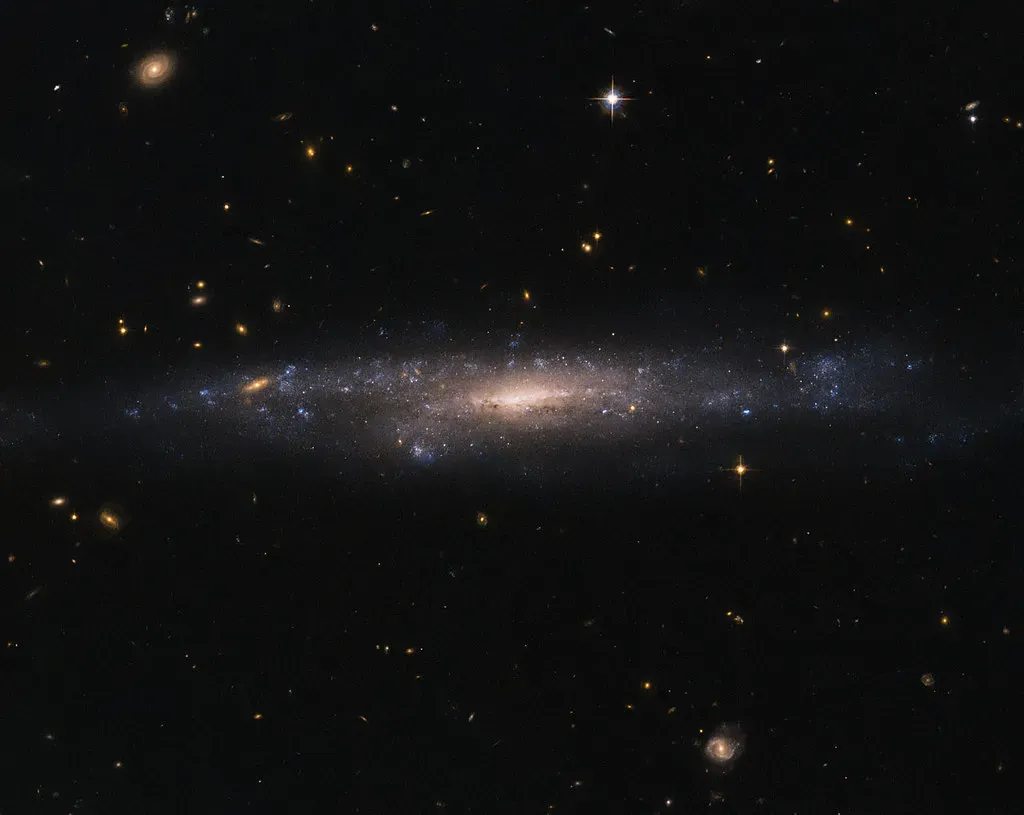
A common misconception is that there will be a calendar day when the Milky Way and Andromeda suddenly “hit” each other, as if the event could be assigned a year and plastered across news alerts. In reality, the encounter is a long sequence of close passes, distortions, and gradual blending that spans several billion years. There will be phases where the galaxies overlap visually, pull apart slightly, then fall together again, like two dancers looping tighter and tighter circles around a shared center.
What matters for the story we tell today is that this entire saga is part of a continuum that already includes us. The same laws of gravity that will one day fuse these galaxies are active now, quietly dictating their motions. Calling the merger a “future” event can be misleading, because the groundwork and early stages are deeply in the past. Humanity appears in the middle of a multi‑billion‑year chapter and mistakes it for the opening scene simply because that is when we walked into the theater.
What This Means for Our Place in the Universe
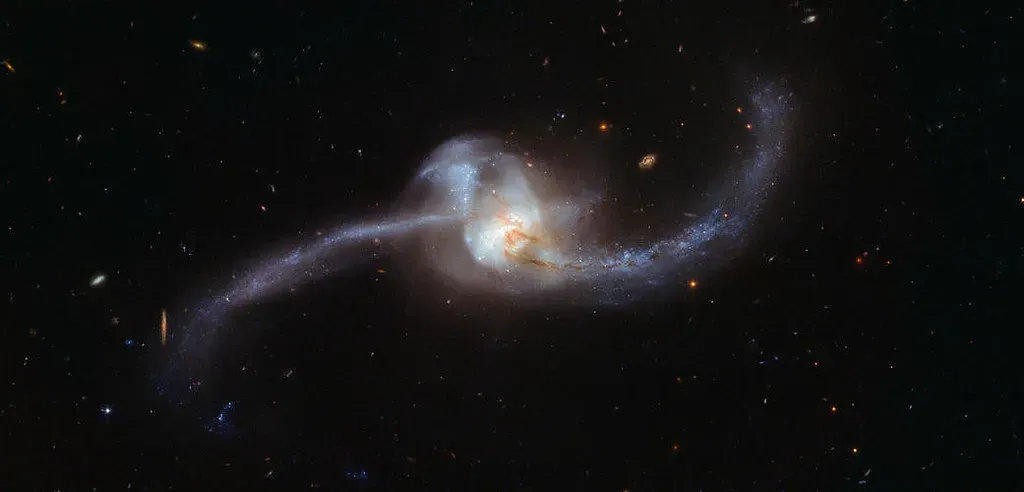
There is something humbling, and honestly a bit thrilling, about realizing that our home galaxy is not a stable stage but a participant in an enormous, slow drama. It strips away the comfortable illusion that the cosmos is a fixed backdrop and instead casts it as a living, evolving environment. The atoms in your body are already part of a galaxy on a collision course, and that has been true since long before there were humans to name constellations or point telescopes at Andromeda.
For me, this changes the emotional tone of stargazing. When I look up, I do not just see a quiet sky; I see a snapshot in the middle of a transformation, like pausing a movie halfway through the major plot twist. Our species arrived embarrassingly late to this story, yet we have managed to decode enough physics to figure out what is going on. That combination of smallness and insight is one of the few genuinely awe‑inspiring things about being human in 2026.
Opinionated Conclusion: We Live in a Merging Universe, Whether We Like It or Not
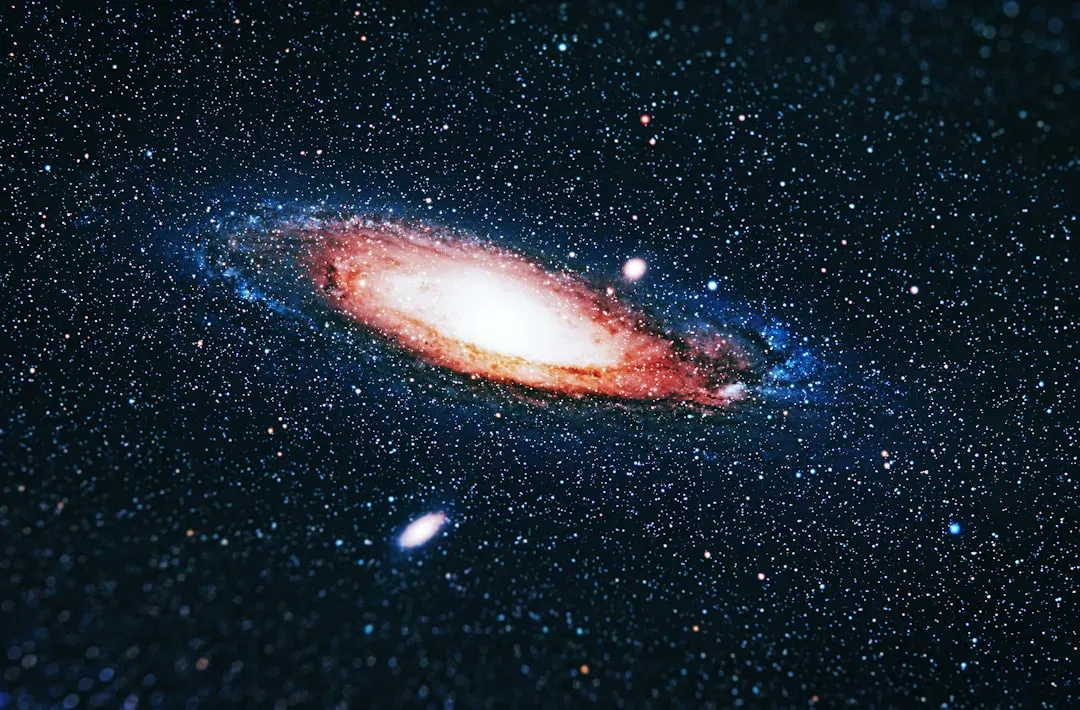
I think we cling too hard to the idea that stability is normal and change is the exception. The Andromeda–Milky Way merger is a clean, undeniable reminder that on cosmic scales, the opposite is true. Galaxies form, collide, merge, and transform; the so‑called peaceful phases are just intermissions between acts. Pretending that the merger is some far‑off curiosity that does not really concern us feels a bit like insisting tectonic plates are irrelevant because you personally have not felt an earthquake this year.
To me, the honest, slightly uncomfortable takeaway is this: our sense of cosmic security is built on ignoring the timescales on which real change happens. The merger that will reshape our sky and our galaxy is not a future footnote, it is a long, ongoing process we just happened to drop into halfway through. Accepting that does not make the universe scarier; it makes it more honest and, in a strange way, more intimate. After all, how often do you get to say that your galaxy is already in a relationship – and has been, quietly, since long before anything like you existed?