
If someone told you the best clock in the universe isn’t made by humans, but by a dead star spinning hundreds of times every second, would you believe them? It sounds like sci‑fi exaggeration, yet that’s exactly what astrophysicists study every day when they look at rapidly rotating neutron stars known as millisecond pulsars. These exotic objects spin so steadily that, in some cases, they keep time more reliably than the finest atomic clocks humanity has ever built.
There’s something oddly emotional about that idea: far out in deep space, the crushed core of a long‑dead star is quietly ticking away, pulse after pulse, for millions or even billions of years. No moving gears, no batteries, no engineering team doing maintenance – just gravity, nuclear physics, and magnetism working together like a cosmic metronome. Once you truly grasp what a neutron star is, and how it can spin around 700 times every second without flying apart, it changes the way you think about both time and the fragility of everyday life here on Earth.
What Exactly Is a Neutron Star, And Why Is It So Extreme?
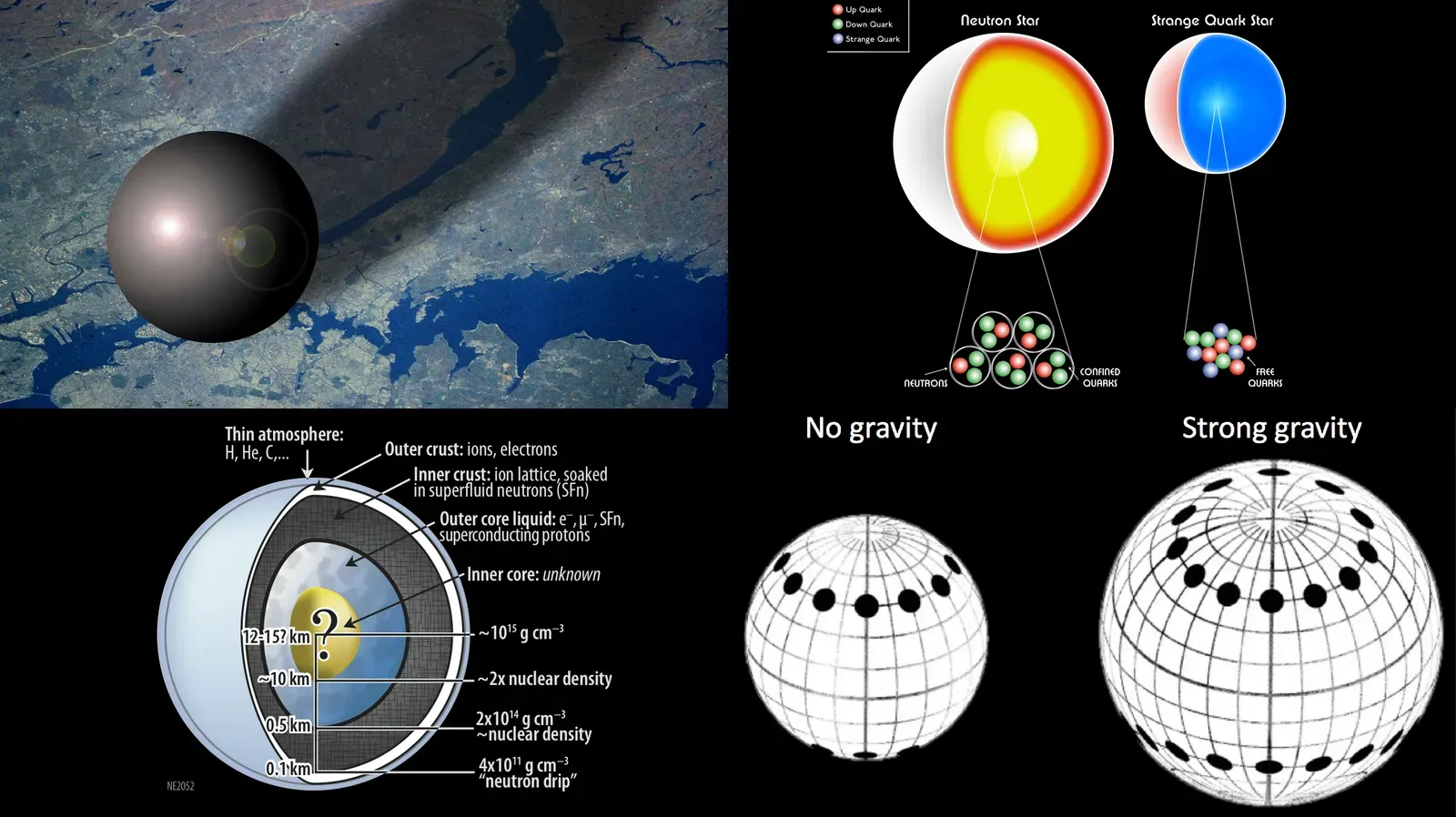
A neutron star is what’s left after a massive star, far bigger than our Sun, explodes in a supernova and collapses in on itself. The core is squeezed so brutally that electrons and protons effectively merge into neutrons, packing matter into a density that defies normal intuition: imagine cramming more mass than the Sun into a ball only about the size of a major city. One teaspoon of neutron star material would weigh more than a mountain, and its gravity at the surface is so intense that if you dropped something from just a few feet up, it would hit the surface at a huge fraction of the speed of light.
Because of this incredible compression, neutron stars are like cosmic laboratories where the rules of physics are pushed into regimes we can’t reproduce on Earth. Their internal structure is still not fully understood; physicists argue about whether their cores contain exotic states of matter, from superfluid neutrons to more exotic combinations of quarks. Yet despite all that uncertainty, their basic global properties – mass, size, rotation – are precise enough to behave like remarkably stable physical systems. That combination of extreme conditions plus predictable behavior is what makes them such powerful tools for measuring the universe.
From Collapse to Cosmic Metronome: How Do They Spin 700 Times Per Second?
To understand why a neutron star can spin hundreds of times every second, think back to a kid on an ice rink pulling their arms in to spin faster. That simple trick is conservation of angular momentum in action: when the radius shrinks, the spin speeds up. A dying star operates on the same principle, except instead of a skater going from a few meters wide to a bit narrower, an object the size of the Sun collapses down to roughly twenty kilometers across. The result is a staggering increase in rotation speed, sometimes giving birth to a star that spins tens or hundreds of times per second.
Some neutron stars, called millisecond pulsars, go even further and reach rates around seven hundred rotations per second or more, which is about forty‑two thousand spins every minute. They often get spun up over time by stealing matter from a companion star in a binary system, like a vampire star siphoning gas from its neighbor and using that infalling material to gain rotational speed. It sounds unstable, but the crushing gravity and rigid, ultra‑dense crust hold the star together against the outward flinging forces that would tear apart any normal object. So you end up with this bizarre reality: a city‑sized ball of nuclear matter, spinning so fast it puts any human‑made flywheel to shame, yet staying intact and predictable for ages.
Why Pulsars Behave Like the Universe’s Most Precise Clocks
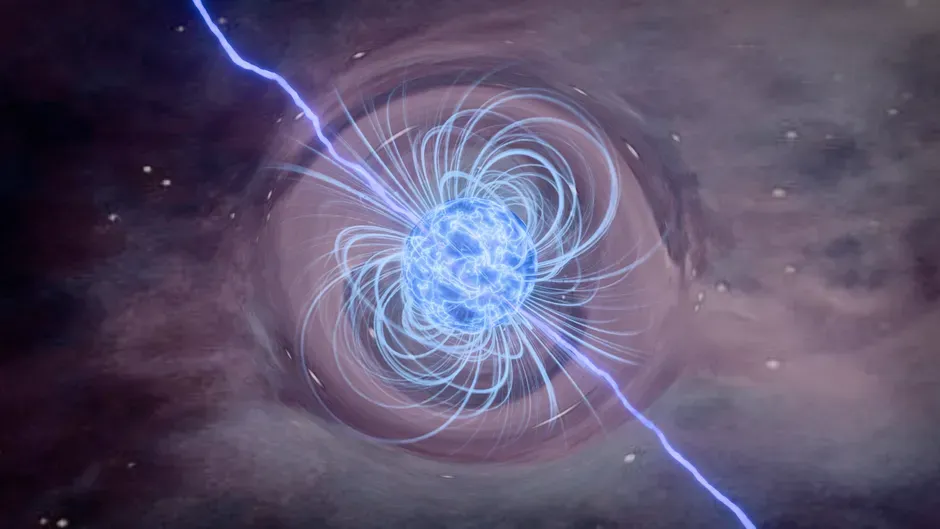
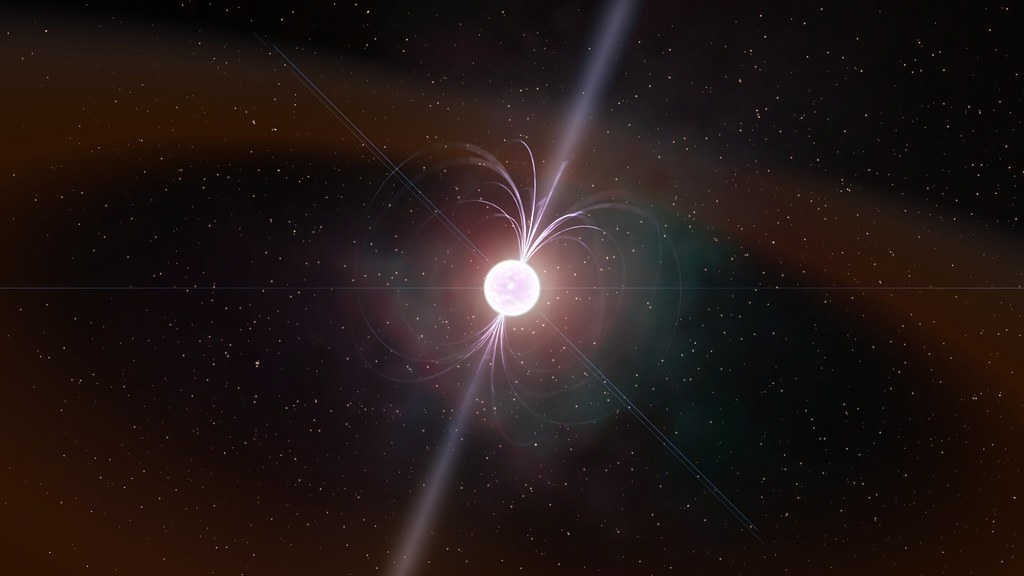
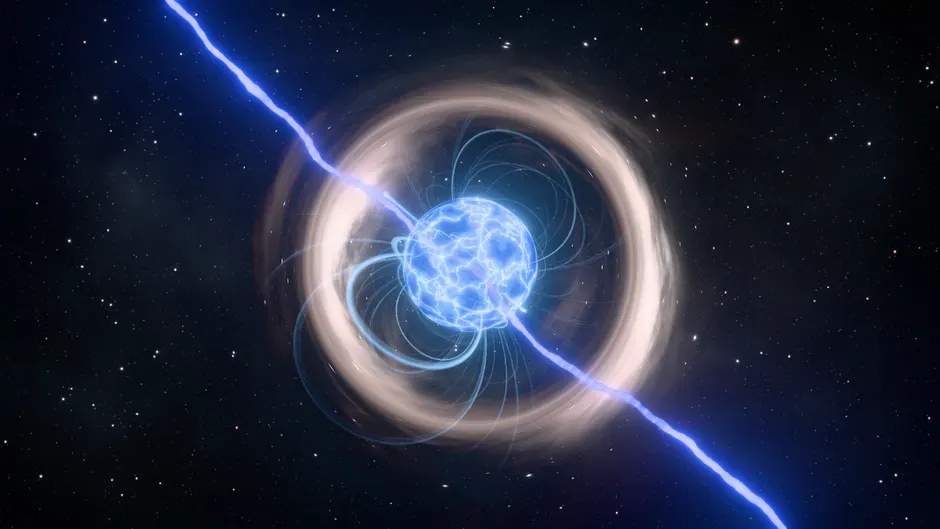
Not all neutron stars are good clocks, but a special subset – millisecond pulsars – are astonishingly stable. These stars emit beams of radio waves (and sometimes X‑rays or gamma rays) from their magnetic poles, and as they spin, those beams sweep across space like lighthouse beams. Each time the beam crosses our line of sight, we see a pulse, which arrives with such regularity that the time between pulses can be measured to tiny fractions of a microsecond. For some pulsars, the timing is so consistent that it rivals or surpasses the stability of the best atomic clocks over long periods.
The reason they are so good at keeping time is that there’s almost nothing out there to slow them down or disturb their motion. In the vacuum of space, there’s no friction, no environment like air or water to sap their energy, and their enormous moment of inertia makes them incredibly resistant to external nudges. Yes, they do very gradually lose spin energy and slow down over millions of years, but that slow change is itself extremely smooth and predictable. In practice, when astronomers monitor a stable millisecond pulsar, they can predict when the next pulse will arrive with mind‑bending accuracy, sometimes better than one part in many millions over years of observation.
Comparing Neutron Star “Clocks” to Human‑Made Atomic Clocks
On Earth, the gold standard for timekeeping is the atomic clock, which measures the vibration of atoms – often cesium or hydrogen – to define the second with incredible precision. These machines are stunning achievements of engineering and quantum physics, and modern time standards and technologies like GPS practically rest on their shoulders. Over months and years, the best of these clocks drift by an unimaginably tiny amount, and they have to be corrected using careful calibration and comparisons between labs around the world.
Neutron stars, in a way, play in the same league. When astronomers fold the arrival times of pulses from a stable millisecond pulsar and compare them over long spans of time, they find that the pulsar’s rotation rivals the steadiness of atomic clocks. Over months to years, some pulsars maintain a nearly constant rhythm that differs from perfect regularity by less than the tiniest fraction of a heartbeat in human terms. The universe, without blueprint or budget, has somehow built a timer from collapsed starlight that can compete with the most meticulous devices human scientists have painstakingly assembled in vacuum chambers and clean rooms.
How Pulsar Timing Lets Us Detect Invisible Ripples in Space‑Time
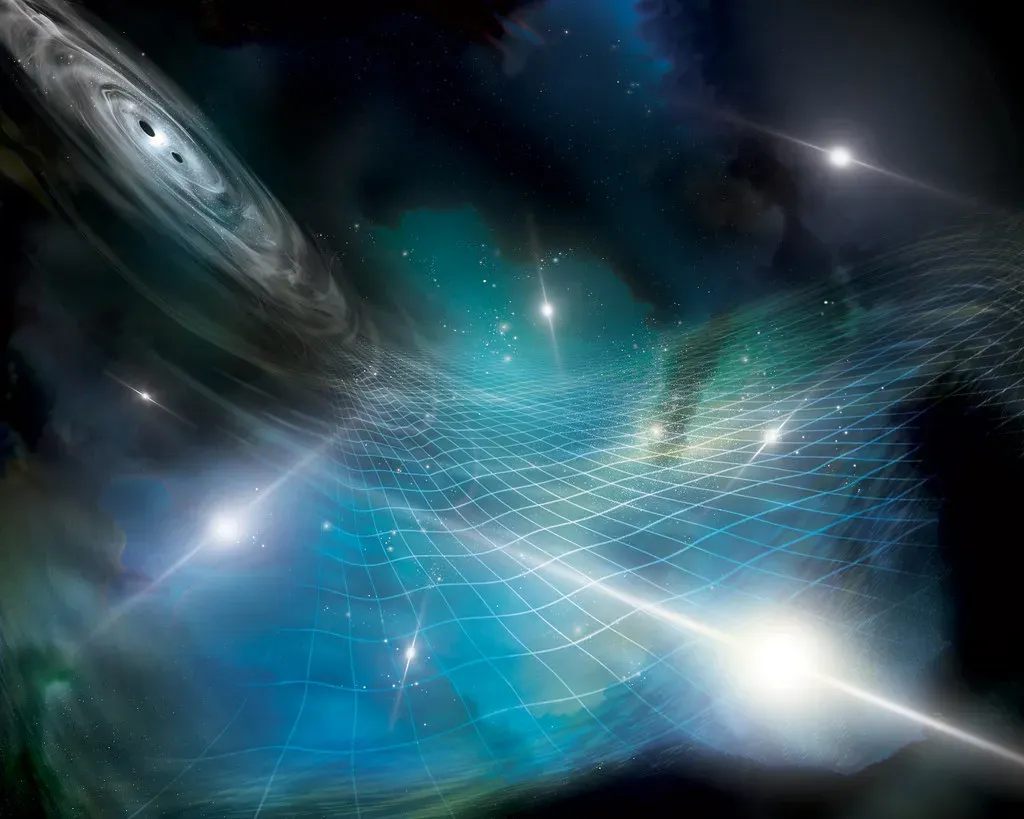
Once you realize you have a set of extremely stable, naturally occurring clocks scattered across the galaxy, the next step is obvious: use them as a giant cosmic detector. That’s the idea behind pulsar timing arrays, which string together observations of many millisecond pulsars to look for tiny distortions in the arrival times of their pulses. If a long‑wavelength gravitational wave passes through our part of the galaxy, it subtly stretches and compresses space‑time as it goes, changing the distance between Earth and various pulsars by a nearly imperceptible amount. That minuscule change shows up as a pattern of early or late pulses in the data.
Over the last several years, collaborations around the world have used pulsar timing to pick up hints of a background of gravitational waves generated by the slow dance and collisions of supermassive black holes in distant galaxies. The fact that we can even attempt this kind of measurement is a testament to how clock‑like these neutron stars really are. If their pulses were even slightly sloppy, the signal would be lost in the noise. Instead, these spinning remnants of dead stars let us reach across millions of light‑years and sense deep, slow‑motion events we’ll never see directly with our eyes or even with traditional telescopes.
The Cracks in Perfection: Glitches, Noise, and Cosmic Messiness
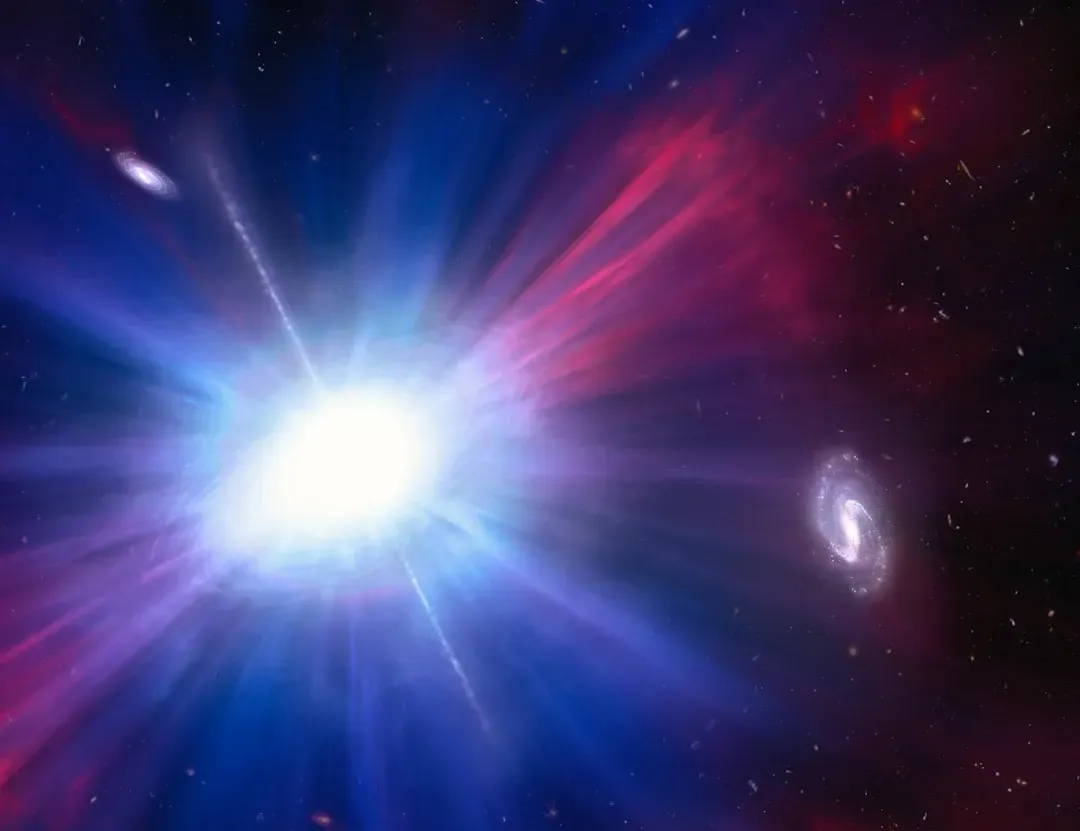
Calling neutron stars “perfect clocks” is a bit of poetic license, and any astronomer will quickly point out the exceptions. Pulsars can experience sudden, tiny jumps in rotation speed called glitches, likely caused by shifts in their ultra‑dense interior or crust. They can show timing noise, longer‑term irregularities on top of their otherwise smooth spin‑down. Some pulsars are also in binary systems, where orbital motion and interactions with a companion star add further complications to their timing patterns. These effects do not completely undermine their usefulness, but they do remind us that they’re still physical objects, not ideal mathematical constructs.
In practice, researchers model all these messy details with great care, stripping out known effects to recover the underlying clock‑like behavior. What’s impressive is that after accounting for glitches, orbital motion, and slow changes in rotation, the residual timing can still be astonishingly clean. It is like listening to an orchestra warm up, identifying each instrument, and then subtracting them one by one until all that remains is the pure tone of a single violin. Neutron stars aren’t flawless, but the fact that we can tame their imperfections and still use them as detectors of gravitational waves and precision probes of physics is, in my opinion, even more satisfying than some impossible standard of absolute perfection.
What These Stellar Clocks Teach Us About Time, Gravity, and Ourselves
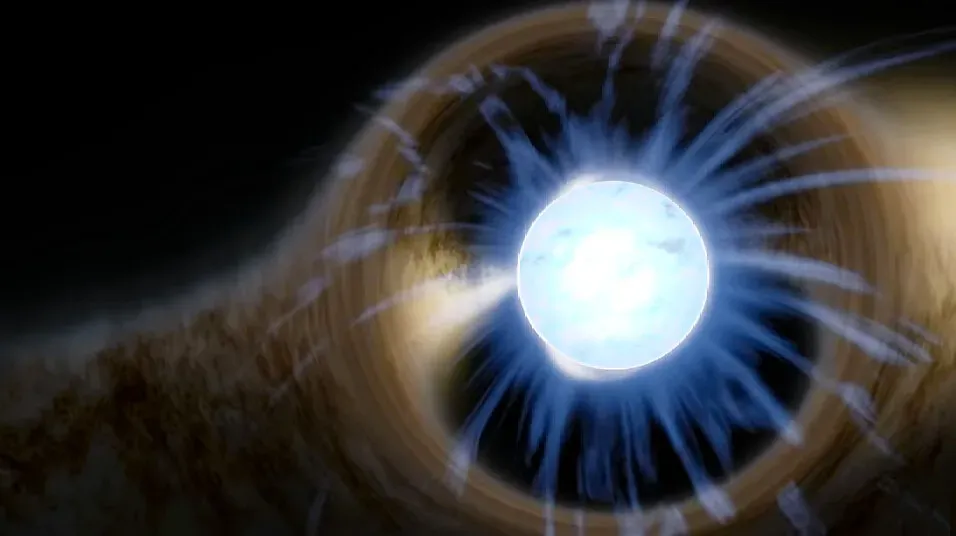
Millisecond pulsars force us to confront how strange time really is. On our daily scales, time feels messy: we’re late, we lose track, our devices glitch, and nothing seems perfectly regular. Yet out among the stars, enormous dead suns are ticking away like metronomes, obeying laws of physics that do not care about human chaos. Their pulses let us test general relativity, map out the distribution of matter in the galaxy, and probe gravity in conditions that would crush anything we could ever build. They show that timekeeping is not just a human obsession; it is woven into the very motion of the cosmos.
On a more personal level, I find it humbling and weirdly comforting that somewhere far beyond our solar system, a neutron star could be spinning for billions of years, beating like a distant mechanical heart. Our lifetimes are brief; our clocks will eventually fail, our power grids will flicker, and our devices will become obsolete. But for unimaginably long stretches of cosmic history, these spinning remnants will keep turning, pulse after pulse, barely changing. In a universe that often feels random and unstable, the idea that nature has built its own near‑perfect clocks from the ashes of exploded stars feels like a quiet promise that some rhythms endure, no matter what we do down here.
Conclusion: The Most Honest Clocks We Have Are Dead Stars
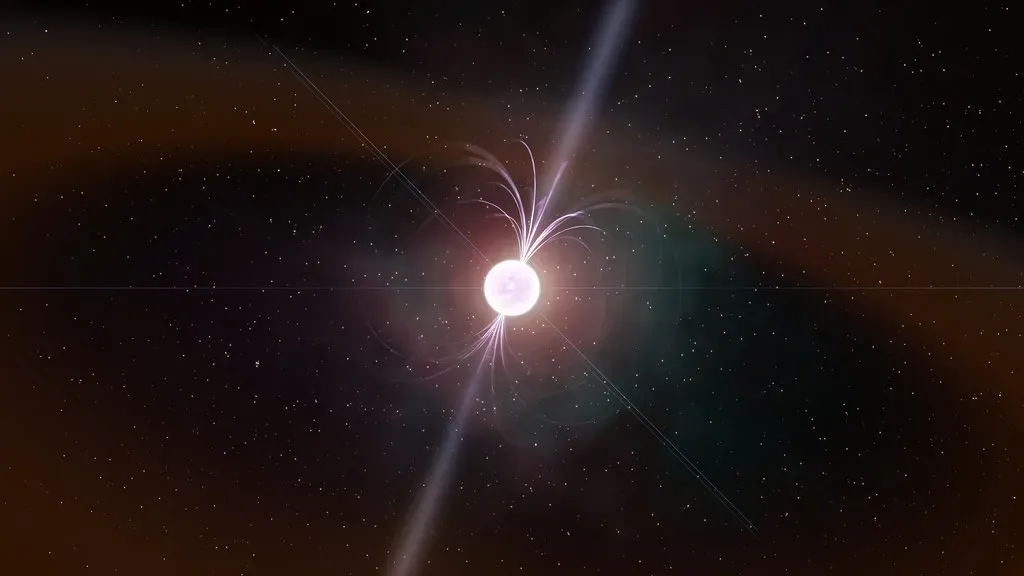
When you step back and compare our best atomic clocks to a neutron star whirling around seven hundred times per second, it’s tempting to declare a winner. For short‑term precision and controlled conditions, human‑made devices still rule, and we should be proud of that. But over long cosmic timescales and vast distances, I think neutron stars win on sheer audacity: no power cables, no maintenance, just physics doing its thing, turning stellar corpses into instruments so stable that we can use them to weigh black holes and listen for ripples in space‑time. To me, that makes them the most honest clocks we have, because they do not care that we are watching.
If anything, millisecond pulsars remind us that the universe didn’t wait for us to invent timekeeping before it started running on precise, predictable rhythms. We stumbled onto these stellar clocks late in the game and quickly pressed them into service to test our theories and stretch the reach of our instruments. That move feels very human: we find something beautiful and immediately turn it into a tool. The opinion I can’t shake is that this is exactly what we should keep doing – treat neutron stars not just as curiosities, but as partners in measurement, as cosmic instruments that quietly outclass us. In a sense, the universe has already produced its own master chronometers; the real question is how much longer it will take us to learn everything they are trying to tell us about time, gravity, and our place in the grand ticking of the cosmos.