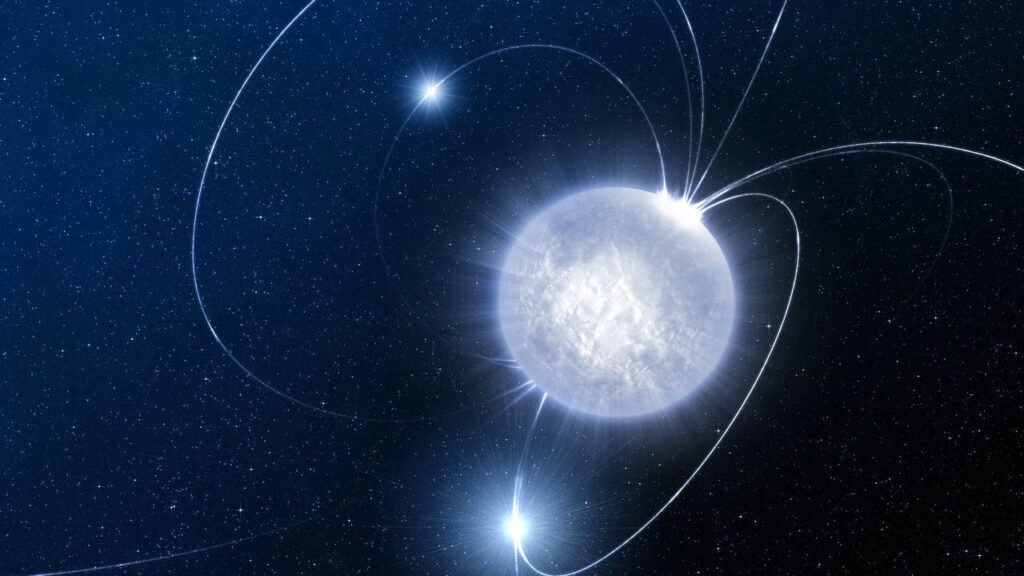

If someone told you there are dead stars out there spinning hundreds of times every single second without flying apart, you might think they were exaggerating. But that is exactly what neutron stars do, and they do it with a kind of terrifying elegance that makes your fastest wristwatch look like a toy. When you dive into what they are and how they behave, you start to realize you are looking at one of the universe’s most extreme, yet surprisingly orderly, creations.
As you peel back the layers of how neutron stars spin, shine, and slowly wind down, you find something even stranger: they act like cosmic clocks. Some of them are so stable that their rotations rival atomic clocks on Earth in timing precision. You are essentially watching a collapsed stellar core, spinning like a lighthouse beam, keeping time across the galaxy better than almost anything humans can build. Once you see neutron stars this way, they stop being just exotic objects and start feeling like the universe’s own timing instruments.
The Violent Birth of a Cosmic Clock
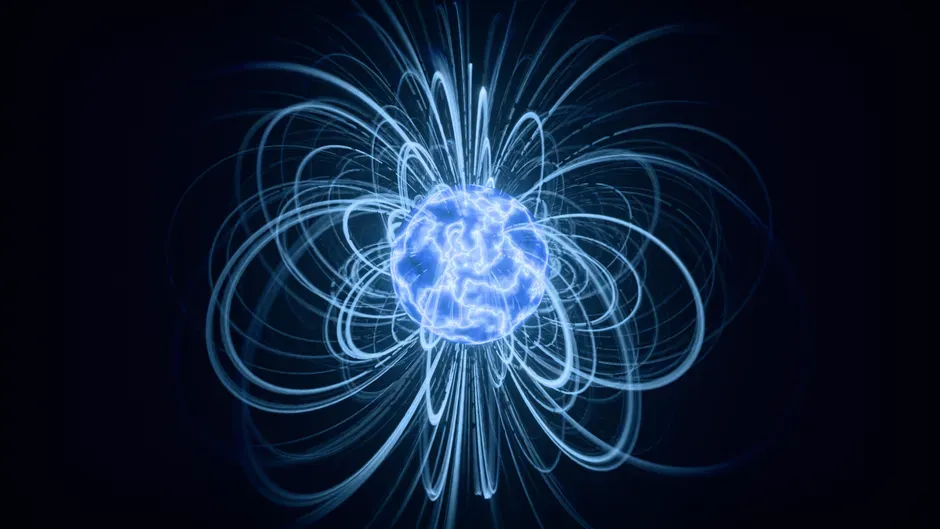
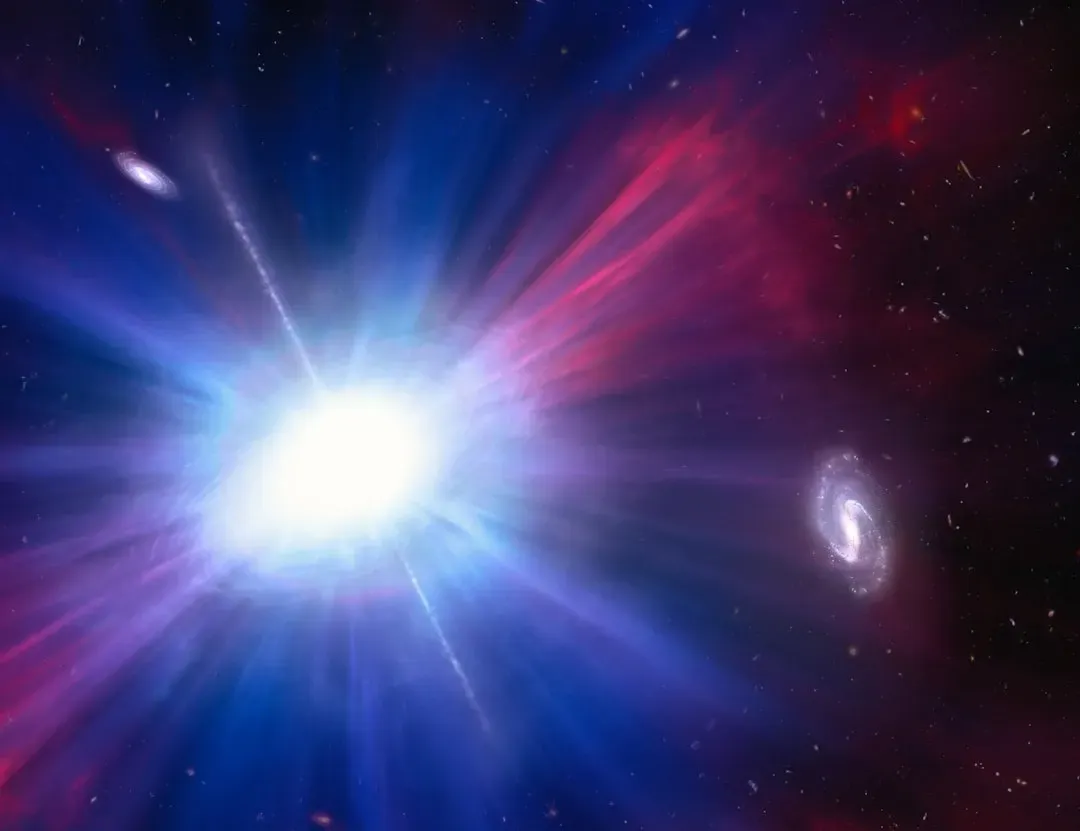
You meet a neutron star only after a star has died in one of the most dramatic ways imaginable: a supernova. When a massive star exhausts its nuclear fuel, its core collapses under its own gravity, and outer layers are blasted into space in an explosion that can briefly outshine an entire galaxy. What’s left behind is not empty space but a shrunken, ultra-dense remnant only about the size of a city.
That remnant is your neutron star, born hot, compact, and rapidly spinning because of something you probably learned in school without realizing how far it goes: conservation of angular momentum. Imagine an ice skater pulling in their arms to spin faster; now replace the skater with a star that shrinks from about the size of the Sun to about twenty kilometers across. The spin speeds up dramatically, turning a once-ordinary star into a tiny, whirling timepiece that starts ticking the moment it forms.
What It Really Means to Spin 700 Times per Second
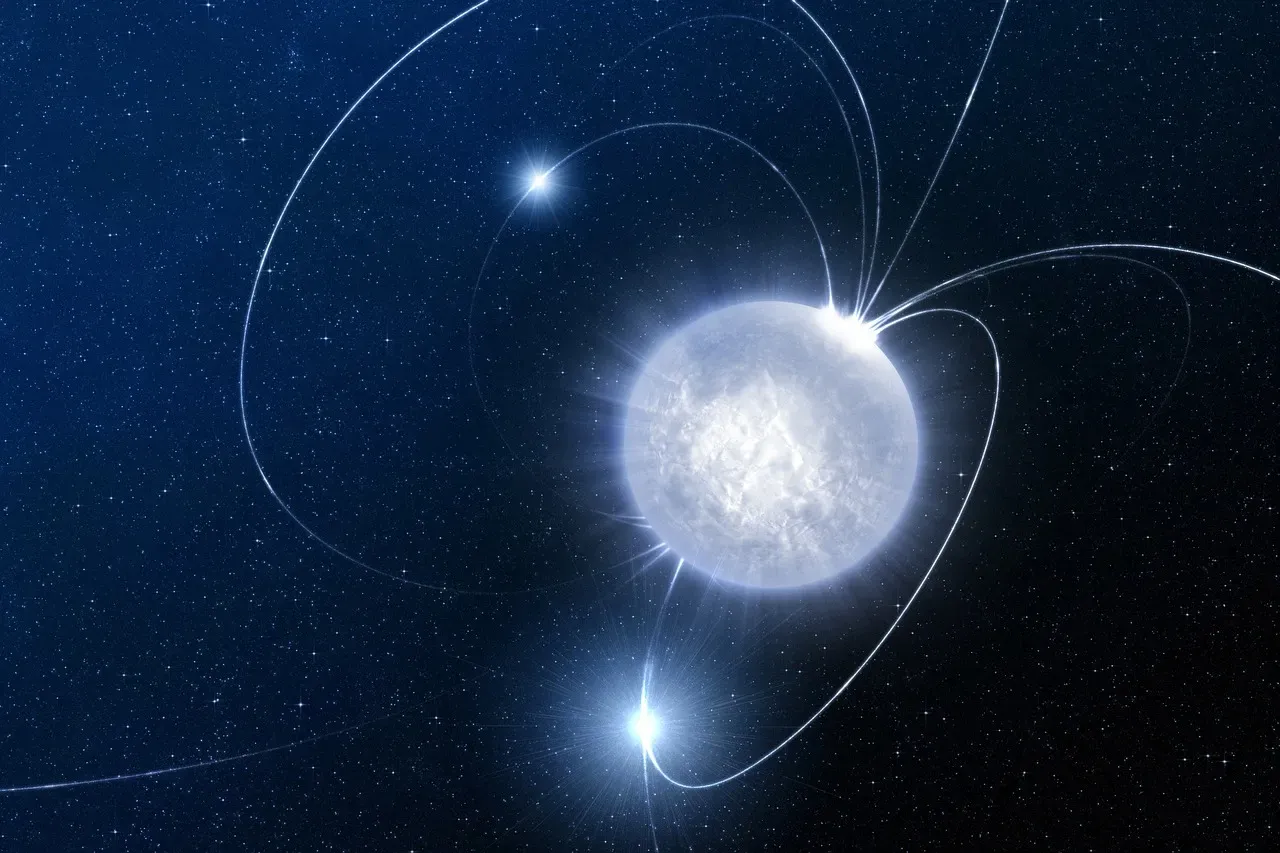
When you hear that a neutron star can spin 700 times per second, it sounds like just another big number, but you can ground it in your everyday experience. Picture a point on the star’s equator going all the way around in less than one thousandth of a second. If you turned that into a speed, you would be talking about material moving at a significant fraction of the speed of light, circling a sphere only about as wide as a large metropolitan area.
You would expect anything spinning that outrageously fast to tear itself apart, yet neutron stars hold together. Their internal matter is packed so densely that a teaspoon of it would weigh as much as a mountain. That crushing density, held in place by intense gravity and the strange physics of tightly packed neutrons, lets the star survive spin rates that would obliterate almost any other structure you can imagine. At around 700 rotations per second, you are seeing the upper limit of nature’s endurance test for matter.
Why Neutron Stars Don’t Rip Themselves Apart
You might wonder what actually keeps such a compact star intact when it is spinning so fast, and the answer is a delicate balance between gravity and internal pressure. Gravity is trying relentlessly to crush the star further, while the degenerate matter inside, made mostly of neutrons, pushes back. This bizarre form of matter behaves differently from anything you touch in daily life, because quantum mechanics starts to dominate at these densities.
As the star spins, centrifugal forces work to fling material outward, but they never quite win as long as the spin stays below a certain critical limit. Researchers use models of the so-called equation of state of neutron star matter to estimate this breakup speed, and the neutron stars you observe spinning hundreds of times per second are skating right up to that edge without crossing it. You are watching a constant tug-of-war where gravity, quantum pressure, and rotation reach an uneasy but remarkably long-lived truce.
How Pulsars Turn Spin into a Celestial Metronome
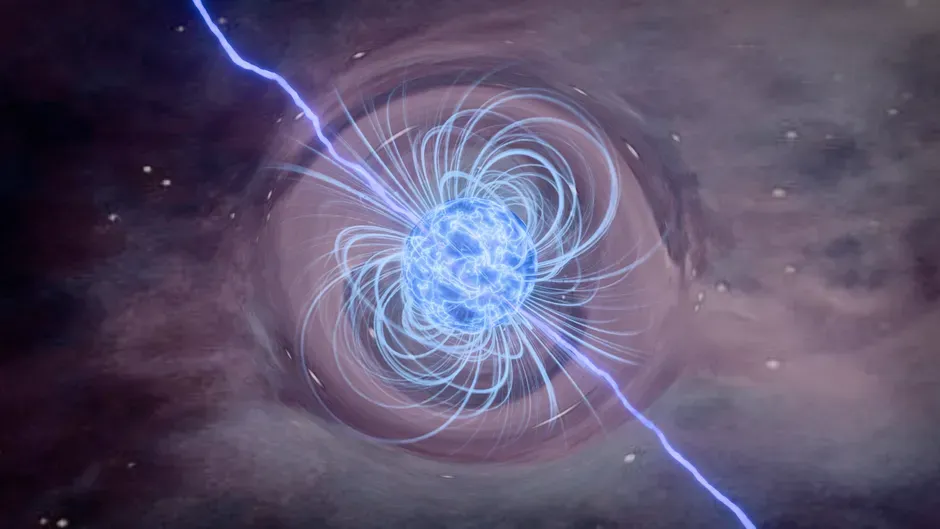
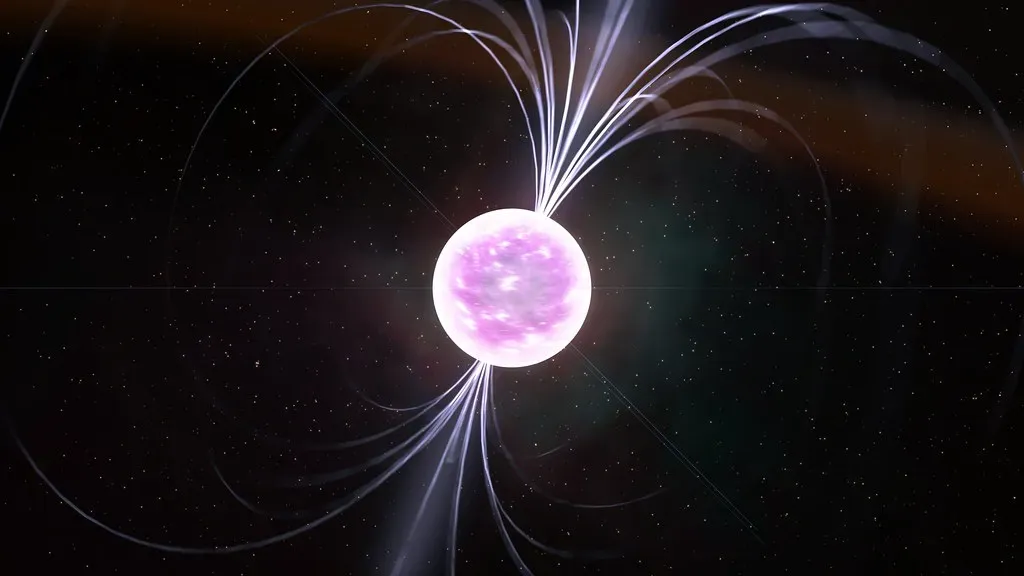
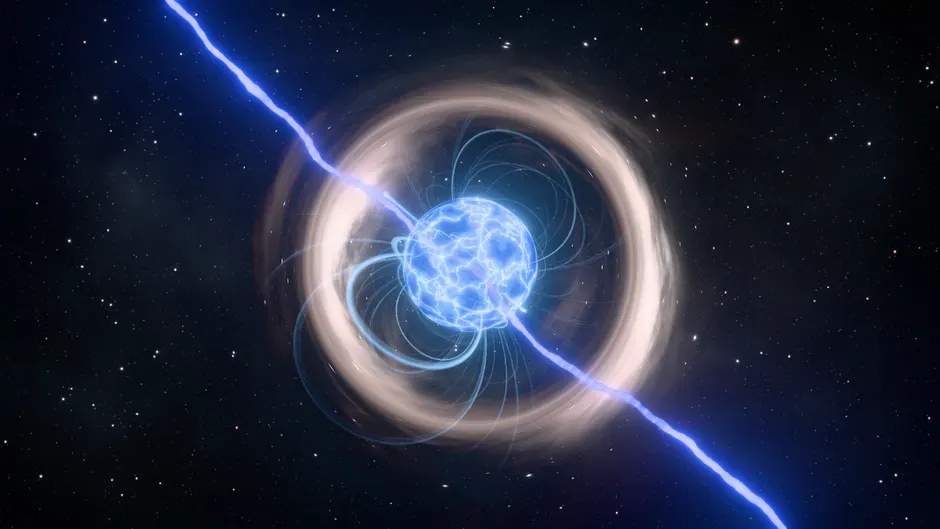
You do not directly see a neutron star spinning; what you see is a pulsar, which is just a neutron star that sweeps beams of radiation across space like a cosmic lighthouse. The star has an intense magnetic field that funnels charged particles out along its poles, creating beams that flash every time they rotate into your line of sight. Each pulse reaching your telescope is like the tick of a clock, telling you the star has completed one more spin.
When you record those pulses over time, you find that some pulsars are astonishingly regular. Millisecond pulsars, which have been spun up to periods of only a few thousandths of a second, repeat their pulses so steadily that you can predict their arrival times long in advance. Compare that to everyday timekeeping, and suddenly this dead star becomes a metronome on a cosmic stage, ticking away the rotation count with a stability that rivals the most sophisticated atomic clocks on Earth.
Spinning Up: The Story Behind Millisecond Pulsars
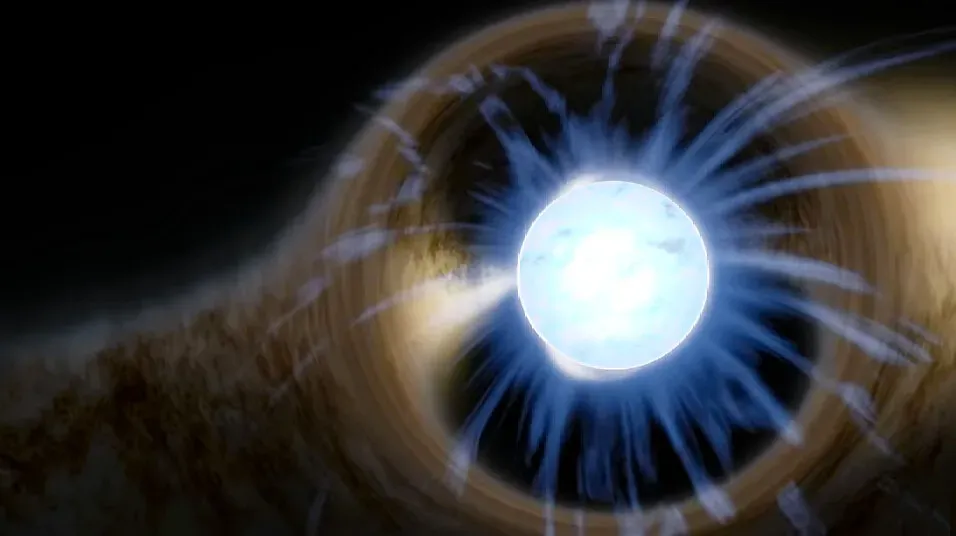
If you are wondering how a neutron star ends up spinning hundreds of times per second in the first place, the secret often lies in a long, messy relationship with a companion star. In many systems, a neutron star orbits another star and slowly steals material from it over millions or billions of years. As this gas spirals inward, it forms a disk and transfers angular momentum to the neutron star, gradually whipping it into a faster and faster spin.
This process, called accretion, is like someone steadily pushing a playground merry-go-round, giving it more and more speed until it becomes a blur. Once the mass transfer slows or stops, you are left with what astronomers call a millisecond pulsar: an old neutron star, now spinning rapidly, with its magnetic field and rotation locked into a long-lasting, remarkably stable state. From your perspective, that tortured history leaves behind an object that suddenly behaves like a well-behaved timekeeper.
Timing So Precise It Challenges Your Best Clocks
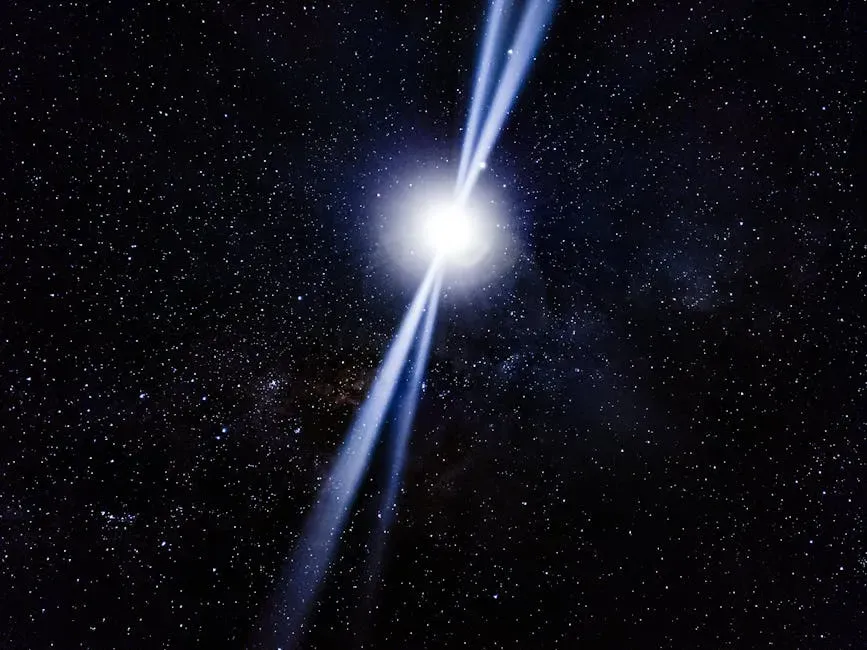
When you look at some of the best-timed millisecond pulsars, you find that their rotational stability over long periods can compete with, and sometimes surpass, your laboratory clocks. The spacing between their pulses changes only slightly over many years, and the small variations that do appear can often be traced to predictable effects, like the motion of the pulsar in a binary orbit or the influence of the interstellar medium. That means you can use them as reference beacons to measure time and space across the galaxy.
To appreciate how wild that is, imagine using a collapsed star thousands of light-years away as a remote piece of timing infrastructure. You can stack years of pulse arrivals, measure tiny delays, and track how precisely the star maintains its spin. Over long baselines, that steadiness turns a neutron star into more than just an astrophysical curiosity; it becomes part of a network of natural clocks that you can use to probe the universe itself, from testing general relativity to searching for faint gravitational waves stretching spacetime.
Limits of Perfection: Glitches, Drifts, and Gravitational Ripples
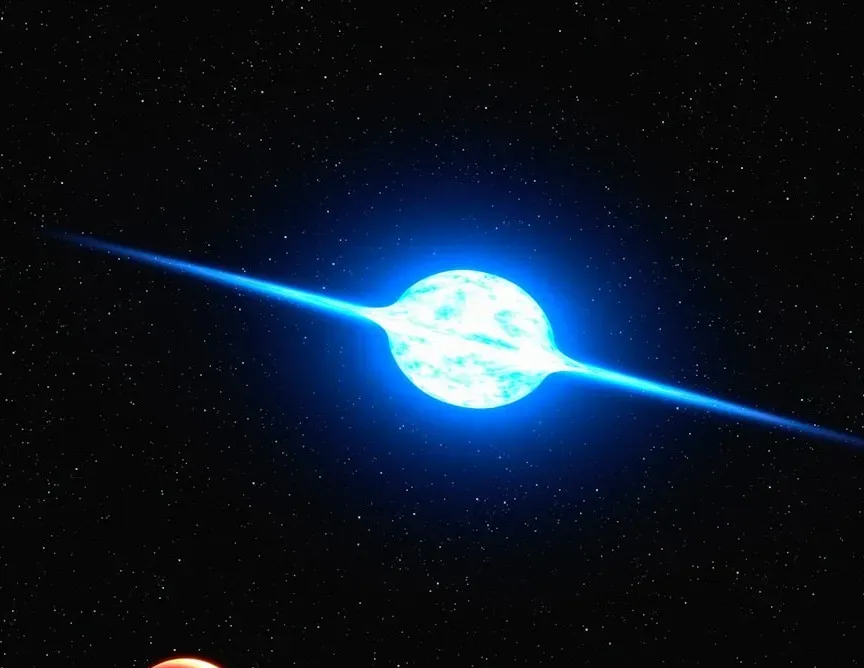
Calling neutron stars nearly perfect clocks does not mean they are flawless, and this is where things get even more interesting. Sometimes you see sudden changes in their rotation rate called glitches, where the star abruptly spins a bit faster. These are thought to come from the strange interior, where a superfluid component can suddenly transfer angular momentum to the crust, like a hidden gear snapping forward. From your timing perspective, that shows up as a sharp jump in the pulse arrival pattern.
Even when neutron stars are stable, you still see slow drifts and small fluctuations caused by physical processes in and around the star. The magnetosphere can change, the star can lose energy over time, and spacetime itself can be disturbed by passing gravitational waves that slightly shift the arrival times of pulses. Those imperfections do not ruin the clock; they turn it into a sensitive detector. By watching how the tick of the neutron star clock deviates from perfect regularity, you get a window into deep physics far beyond what you can reach in any Earth-based lab.
How Neutron Star Clocks Compare to Your Everyday Timekeepers
If you line up a spinning neutron star next to your favorite human-made clocks, you get a humbling comparison. Your wristwatch is limited by gears, batteries, and temperature, and even your best quartz clocks drift on human timescales. Atomic clocks, which use transitions in atoms as their reference, are incredibly precise, but they are artificial instruments carefully shielded in controlled environments. A neutron star is just out there in the wild, enduring radiation, accretion, magnetic storms, and the vacuum of space, and still manages to keep time.
There is also a kind of poetry in the fact that a dead star can rival the devices you spent decades refining in labs. While no individual neutron star is perfectly stable forever, the best of them, especially millisecond pulsars, have stabilities over long timescales that make them useful as independent checks on your man-made clocks. You are seeing a convergence where the universe’s own machinery and your technological creations reach similar levels of temporal discipline, each offering something the other cannot easily provide.
Why These Spinning Corpses Matter for the Future of Astronomy
Once you accept neutron stars as natural clocks, you start using them as tools rather than just subjects of study. Networks of precisely timed pulsars, called pulsar timing arrays, let you stretch a web of cosmic stopwatches across the Milky Way. As you monitor them over many years, you can sense tiny distortions in spacetime from gravitational waves passing between you and the stars, effectively turning the galaxy into an enormous detector with pulsars as the synchronized timing nodes.
Beyond gravitational waves, you can use these clocks to refine your understanding of the galaxy’s structure, test theories of gravity, and even explore the properties of ultra-dense matter that cannot be replicated on Earth. When you look at it that way, a neutron star spinning 700 times per second is not just a physics curiosity; it is a piece of infrastructure the universe built for you. All you need to do is point a radio telescope at it, listen patiently, and let its relentless ticking tell you how the universe is shaped and how it changes over time.
Conclusion: Listening to the Fastest Ticking Hearts of Dead Stars
When you step back and take in the whole story, neutron stars feel almost contradictory. They are the collapsed, dead hearts of once-massive stars, born in catastrophic explosions, yet they settle into an eerie kind of order, spinning with near-impossible speed and precision. A neutron star that can whirl 700 times in a single second and remain intact is nature showing you just how far it can push matter, gravity, and rotation before everything breaks, and somehow it does all this while functioning as an astonishingly steady timekeeper.
If you ever find yourself staring up at the night sky and wondering whether the universe has any kind of rhythm, pulsars are your answer. They are the ticks and tocks of stellar corpses, marking out cosmic time scales far beyond your lifetime but still measurable from your small corner of the galaxy. You are, in a very real sense, surrounded by these spinning clocks, quietly keeping time in the darkness – who would have guessed that some of the most reliable clocks in existence are the remains of stars that violently tore themselves apart?