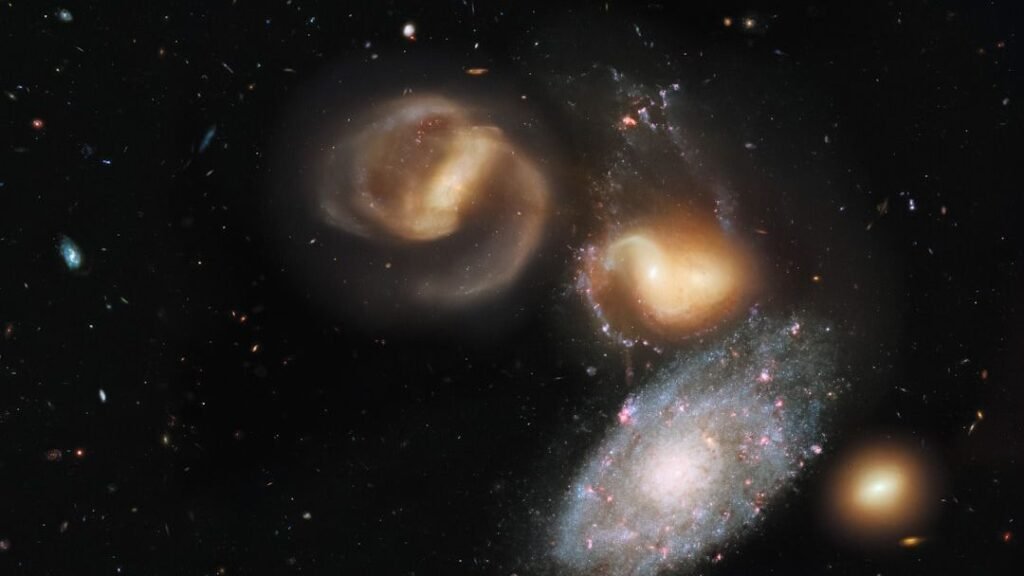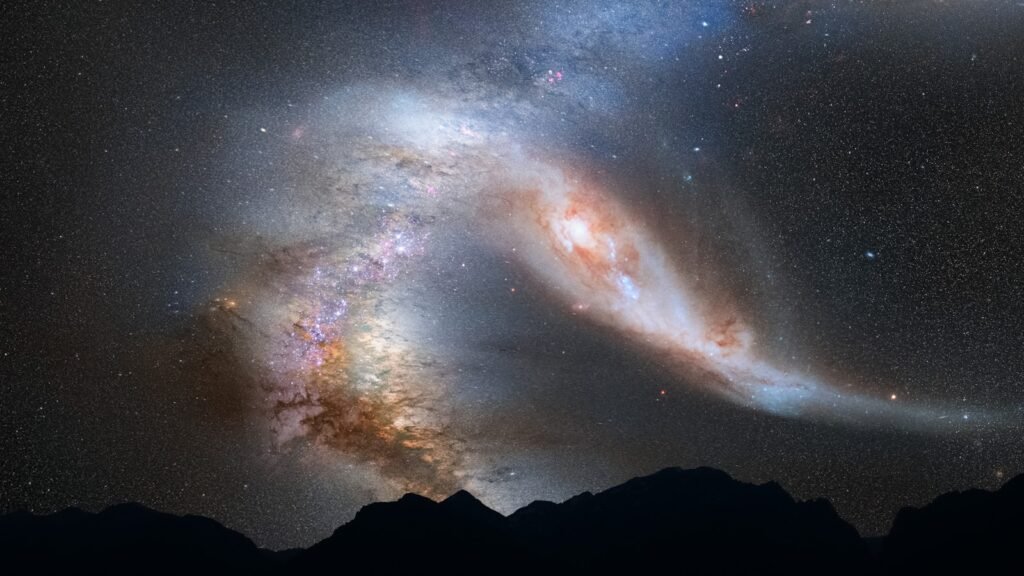

Imagine a cosmic drill bit boring through the universe, not made of steel, but of galaxies – thousands of them – twisting together in a majestic, silent whirl. That is roughly what astronomers have just uncovered: a gigantic, rotating structure that behaves like a tornado made of galaxies, stretching across almost unimaginable distances. This is not just a pretty pattern in the sky; it is a challenge to how we think matter arranged itself after the Big Bang and how gravity sculpts the universe over billions of years. At the same time, deep in the world of the very small, physicists are tracing whispers of a mysterious subatomic particle that may help explain why these huge structures spin at all. The cosmos, it turns out, may be stitched together by both vast, swirling rivers of galaxies and the strange, quantum-scale actors that set them in motion.
The Hidden Clues in a Cosmic Tornado
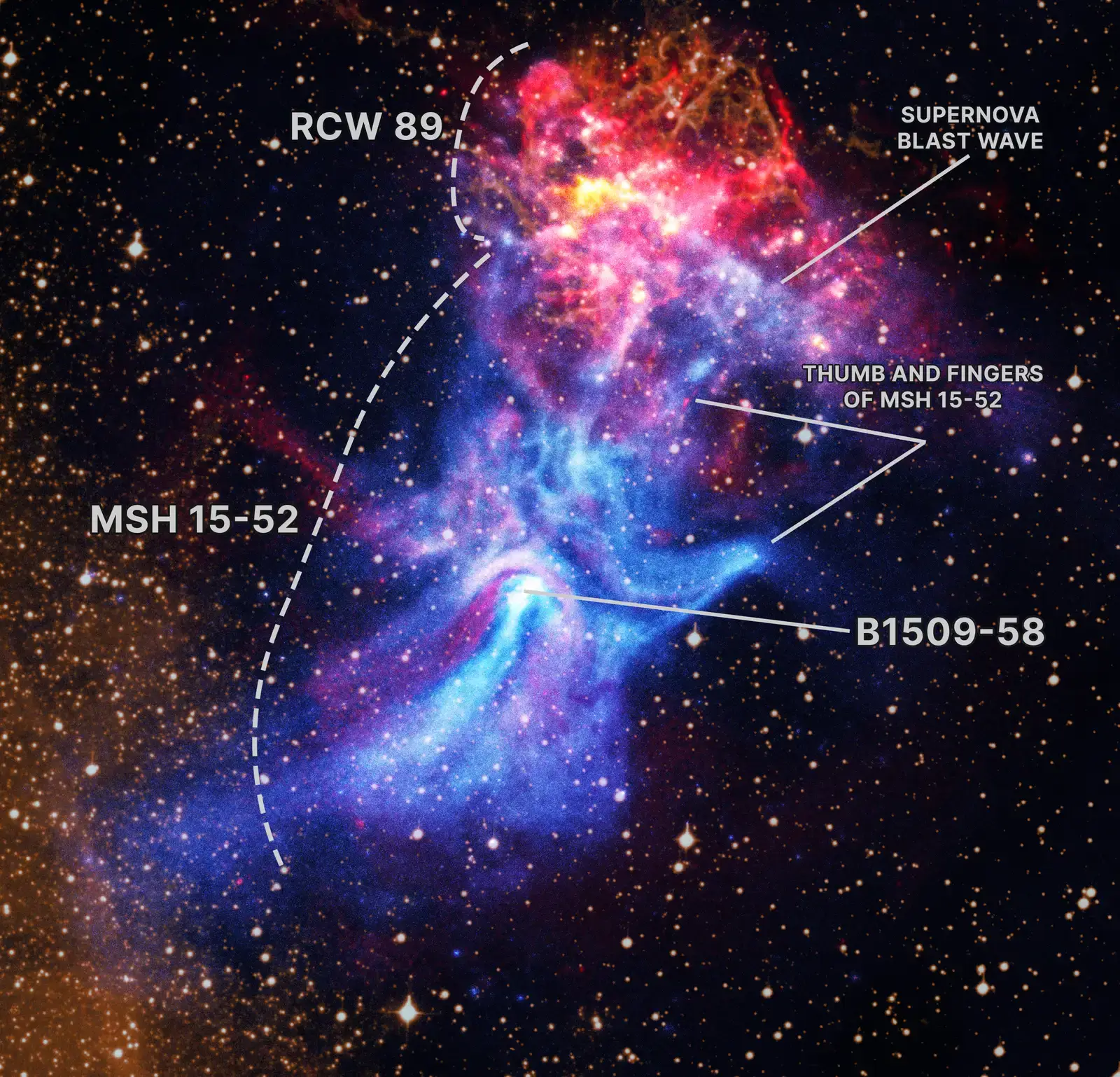
The new discovery began, as these things often do, with data that looked slightly wrong. Astronomers mapping galaxies along a thin, elongated stretch of sky noticed that their motions were not random; they seemed to share a preferred direction of spin, as if the entire structure were rotating as one. This structure is staggeringly long, spanning hundreds of millions of light-years, making it one of the longest spinning formations ever observed. To put that in perspective, our own Milky Way is just a tiny bead on this cosmic thread, like a grain of sand stuck in the grooves of a colossal vinyl record. The clue was subtle: small shifts in the light from each galaxy indicated they were not just moving away due to cosmic expansion, but also orbiting a common axis.
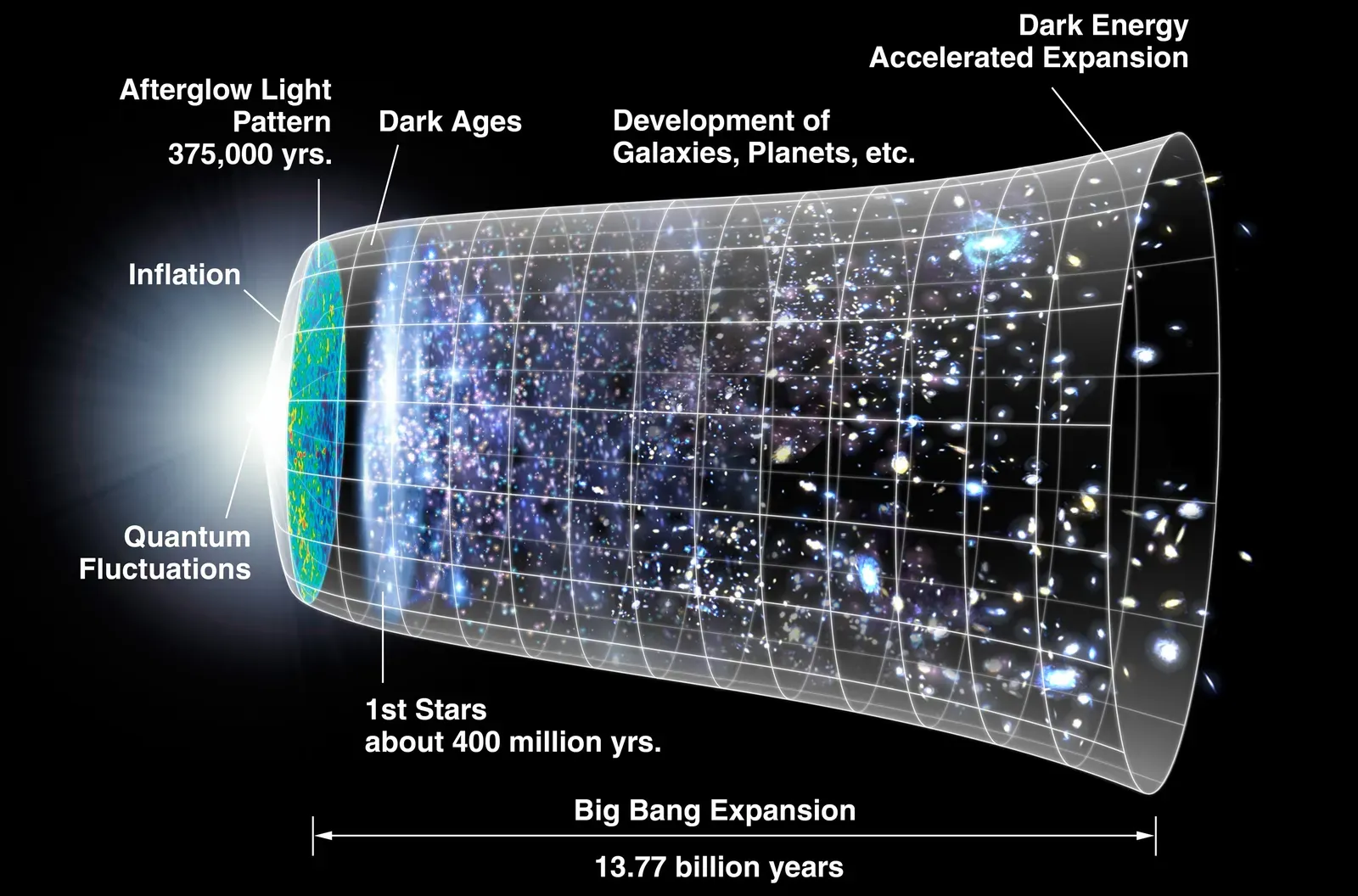
Hidden inside these motions is a deeper puzzle about how rotation emerges on the grandest scales. The standard picture of structure formation says that tiny fluctuations in the early universe were stretched and amplified by gravity, pulling matter into filaments and clusters. But a coherent spin, extending across such enormous distances, hints at some built-in preference – an ancient swirl seeded very early, perhaps even before galaxies existed. That raises uncomfortable questions: Did something about the primordial universe itself favor a particular twist, or are we seeing the fingerprints of new physics that tugs on matter and space-time? The data do not answer that yet, but they have slammed the door on the idea that these gigantic rotations are just coincidences.
From Ancient Sky Maps to Precision Cosmology
Humanity has been tracing patterns in the sky for thousands of years, but only recently have those patterns turned from myth into measurable physics. Early astronomers saw swirling nebulas and spiral shapes, but they had no way of knowing those were entire galaxies, each holding billions of stars. In the twentieth century, with better telescopes and spectroscopy, scientists began to notice that many galaxies rotate and sometimes align their spins with surrounding structures. That was already a surprise, because on such large scales, you might expect directions to average out and no overall twist to dominate. Instead, nature seems to lean toward order in some places, as if invisible cosmic winds had combed the universe.
Today, we are essentially doing what ancient sky-watchers did, but with tools their wildest dreams could not have imagined. Powerful surveys scan millions of galaxies, building three-dimensional maps of the cosmos with exquisite detail. Algorithms comb through these data for correlations in position, speed, and orientation, hunting for large-scale patterns that human eyes would never see. The newly discovered galactic tornado emerged from that digital archaeology, an artifact that only became visible when thousands of separate measurements were layered and compared. It is a humbling thought: the night sky looks still and tranquil, yet our instruments reveal that space is churning on scales that dwarf entire superclusters.
Inside the Swirl: A Subatomic Suspect
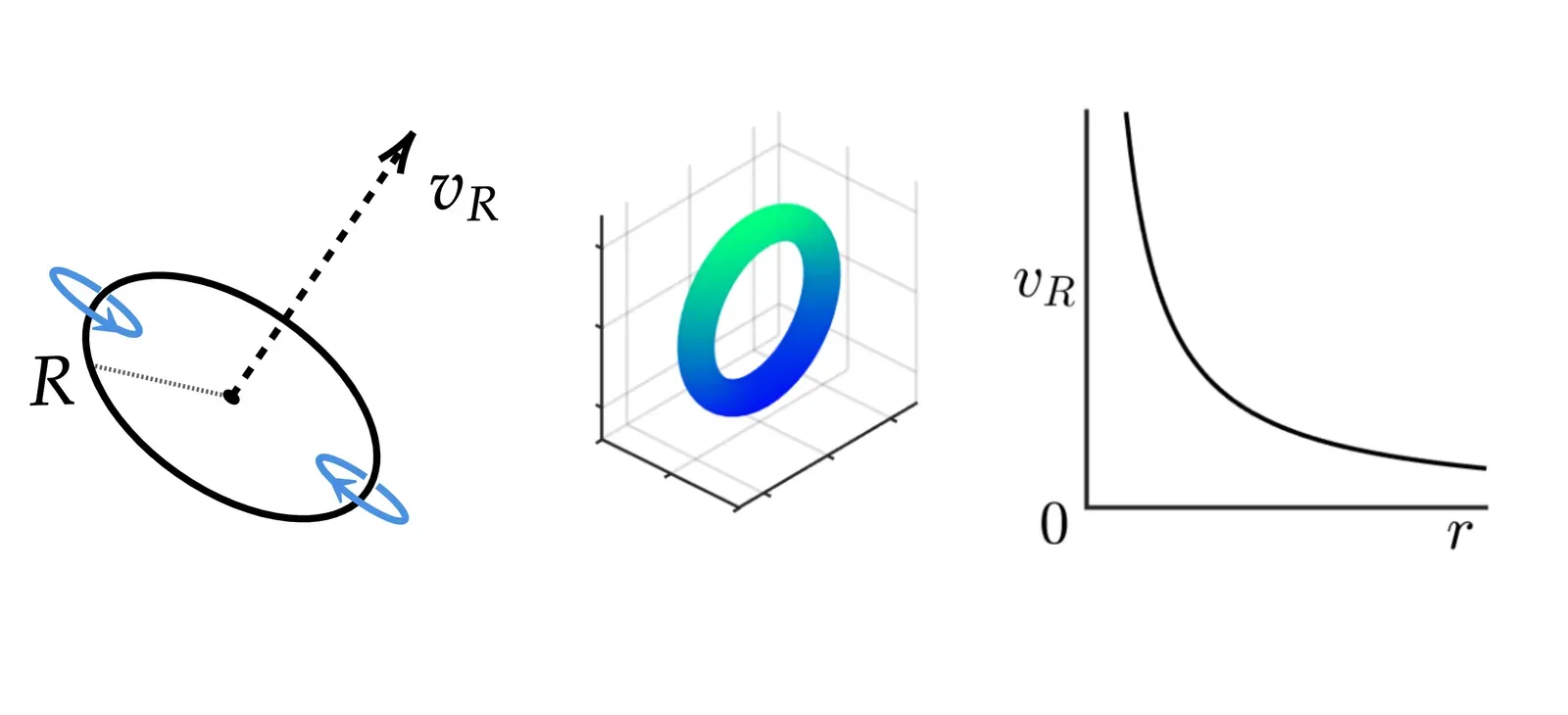
Here is where the story takes a quantum turn. To explain how such an immense structure can coherently spin, some theorists are eyeing a class of hypothetical subatomic particles that behave more like a cosmic field than individual specks. One leading suspect, often discussed in modern cosmology, is an ultralight particle that could act as a kind of ghostly fluid permeating all of space. If it exists, it might carry angular momentum through the early universe, seeding tiny vortices that later grow into galaxy-scale rotations. In other words, the tornado of galaxies we see today could be the fossil imprint of quantum ripples frozen and magnified over billions of years.
Thinking about it this way makes the universe feel like a layered machine, where what happens in the quantum workshop subtly dictates the behavior of the largest gears. The twist in a galaxy filament is not just a gravitational accident but potentially the macroscopic echo of microscopic laws. As a science journalist, I find this bridge between the very small and the very large especially compelling; it is like learning that the direction of a hurricane’s spin depends on the faintest motions of air molecules at its birth. The more precisely astronomers can measure the rotation of structures like this tornado, the more sharply physicists can constrain what kinds of particles and fields could be responsible. And that, in turn, weeds out speculative theories and pushes us closer to a consistent picture of cosmic evolution.
The Hidden Clues in Galactic Motion Data
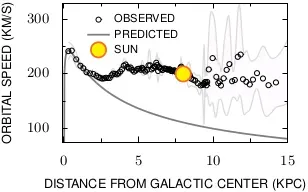
Digging into the evidence feels a bit like auditing the universe’s bookkeeping. Astronomers measure galaxy motions using redshift and blueshift, tiny changes in the color of light caused by motion toward or away from us. When you plot thousands of galaxies along a filament and notice that one side tends to move slightly differently than the other, you start to suspect a shared rotation. The new structure shows this pattern on a scale that is genuinely startling, an almost ribbon-like arrangement where velocities line up more often than random chance would allow. Statistical tests suggest that it is highly unlikely to be a mere fluke, strengthening the case that we are seeing a real, physical spin.
To make this convincing, researchers lean on multiple lines of evidence and cross-checks. They correct for observational biases, like the uneven depth of surveys and the angle from which we see the filament. They also compare with simulations that model how matter should behave in a universe governed by known physics alone. When the real data diverge from those digital universes, it is a sign that something might be missing from our equations. That missing ingredient could be as simple as better accounting for baryonic matter, or as exotic as a new type of dark sector particle that twists space-time in subtle ways.
Why It Matters: Rewriting the Story of Cosmic Structure
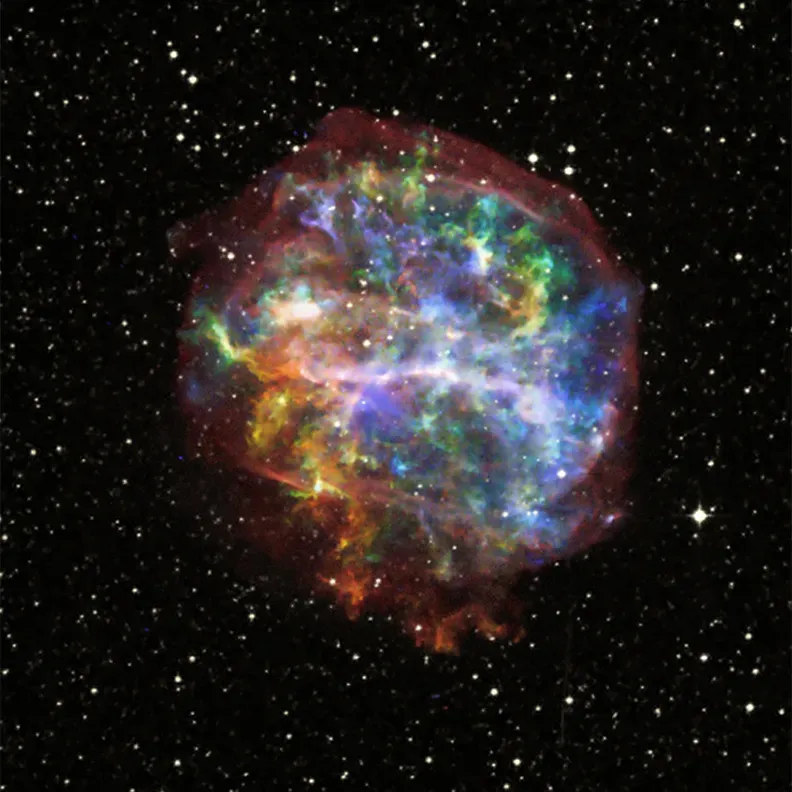
At first glance, a spinning filament of galaxies might sound like an esoteric curiosity, but it cuts deep into our understanding of how everything got here. The standard cosmological model explains a wide range of observations remarkably well, yet it relies on dark matter and dark energy – components we cannot see directly and do not fully understand. When a newly observed structure behaves in a way that model did not strongly predict, it forces us to revisit when and where rotation enters the picture. Did the early universe have a built-in preference for spin, or do interactions between dark matter and normal matter generate it later on?
There is also a philosophical punch to this discovery. If rotation is organized on scales this vast, then the universe might be less random and more structured than we assumed. Compared with traditional views, where galaxy spins largely cancel out when averaged over big volumes, this tornado suggests a hidden architecture in the cosmic web. It reframes simple textbook diagrams of homogenous, isotropic space into something more textured and dynamic. And it quietly reminds us that even supposedly settled science – like the way large-scale structure forms – can be upended by a new, carefully measured anomaly.
Comparing Old and New Cosmic Cartography
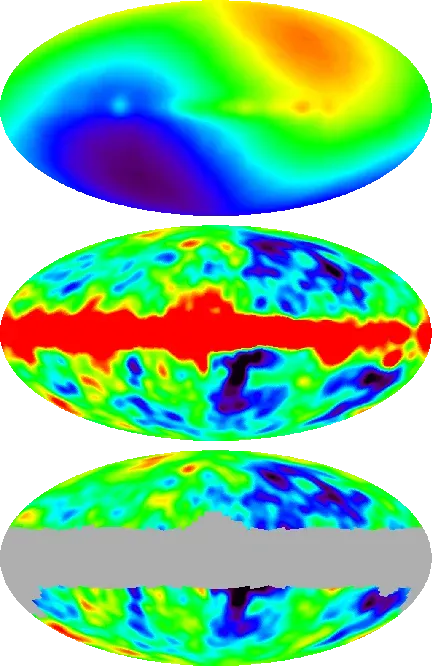
In the early days of cosmology, scientists drew the universe in broad strokes: a smooth expanding fabric dotted with clusters and voids. Large-scale maps from a few decades ago did reveal filaments and walls, but they lacked the resolution to trace detailed motion along those strands. Traditional approaches focused on how much matter was clumped together, not on how that matter might be rotating as a collective whole. It is a bit like mapping all the rivers on Earth without ever measuring which way the eddies spin.
The modern approach is more ambitious and far more demanding on data. Surveys no longer just count galaxies; they extract precise spectra and positions that can feed into high-powered statistical analyses. With enough data, subtle rotational signals emerge, offering a kind of dynamic cartography of the universe in motion. Compared to past methods, which might have smoothed over such nuance, today’s techniques let us ask riskier questions about coherence, alignment, and flow. The discovery of a galactic tornado is a direct payoff from that shift, showing what becomes visible when you insist on not only where things are, but how they move together.
The Future Landscape: Telescopes, Particles, and Global Efforts
Looking ahead, this discovery is less a final answer and more a starting gun. Upcoming observatories, from massive ground-based telescopes to ambitious space missions, will map the universe with unprecedented precision, adding millions more galaxies to our catalogs. With that, astronomers can hunt for other spinning filaments, compare their properties, and see whether the new tornado is typical or a rare outlier. On the particle side, laboratory experiments and colliders will keep probing for signs of the kinds of exotic particles that might help seed such rotations, or at least constrain their properties more tightly.
There is a global aspect here that I find quietly hopeful. International teams already collaborate on sky surveys, data analysis, and simulation, pooling expertise and computing power in ways that would be impossible for a single institution. As the data flood grows, so will the need for open tools, shared archives, and transparent methods to tease out fragile signals like large-scale spin. Alongside that, theorists will wrestle with models that connect early-universe physics, dark matter behavior, and observed cosmic flows into a coherent story. The future landscape of cosmology will be shaped by how well we can weave those threads together, turning a single surprising tornado into a broader understanding of the cosmic web’s hidden choreography.
How You Can Stay Engaged With the Cosmic Story
Most of us will never write code for galaxy surveys or tune detectors a mile underground, but there are still simple ways to connect with discoveries like this. Public data releases from major observatories often come with visualization tools and citizen science projects where volunteers help classify galaxies or flag unusual features. Supporting science journalism, museums, and planetariums helps keep these complex stories accessible, so more people can appreciate why a twisting filament hundreds of millions of light-years away actually matters. Even carving out time to follow reputable science news sources on a regular basis builds a kind of background literacy that makes each new discovery feel less distant and more personal.
On a broader level, paying attention to how scientific funding and policy are shaped is another quiet form of engagement. Large-scale cosmology projects are long-term efforts that depend on stable support, international collaboration, and public trust. When you read about a galactic tornado or a hypothetical subatomic particle that might explain its spin, you are seeing the end result of decades of patient investment. Being informed enough to recognize that – and to advocate for it when needed – is its own small but meaningful step in sustaining the curiosity that got us here. After all, the universe is not obliged to reveal its secrets; we have to choose, collectively, to keep asking hard questions and building the tools to hear its answers.
Suhail Ahmed is a passionate digital professional and nature enthusiast with over 8 years of experience in content strategy, SEO, web development, and digital operations. Alongside his freelance journey, Suhail actively contributes to nature and wildlife platforms like Discover Wildlife, where he channels his curiosity for the planet into engaging, educational storytelling.
With a strong background in managing digital ecosystems — from ecommerce stores and WordPress websites to social media and automation — Suhail merges technical precision with creative insight. His content reflects a rare balance: SEO-friendly yet deeply human, data-informed yet emotionally resonant.
Driven by a love for discovery and storytelling, Suhail believes in using digital platforms to amplify causes that matter — especially those protecting Earth’s biodiversity and inspiring sustainable living. Whether he’s managing online projects or crafting wildlife content, his goal remains the same: to inform, inspire, and leave a positive digital footprint.