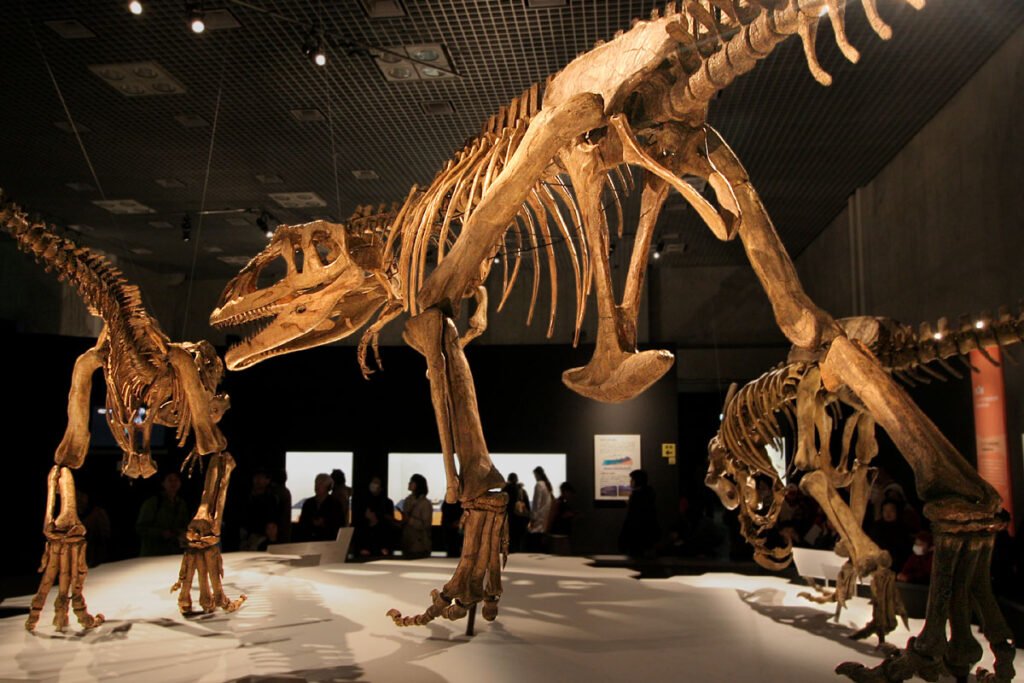

Imagine standing in a windswept landscape where ancient giants once roamed, their massive footprints still embedded in stone after 100 million years. Welcome to Argentina’s Patagonia, a region that has completely revolutionized our understanding of prehistoric life and delivered some of the most jaw-dropping paleontological discoveries in human history.
The Land Where Giants Walked
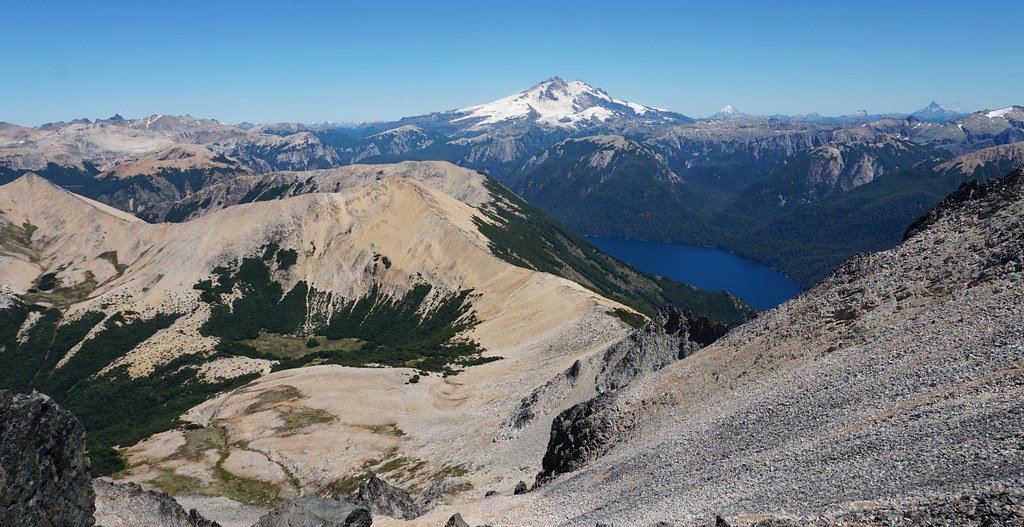
Patagonia stretches across the southern tip of South America like a vast, untamed wilderness that time forgot. This remote region spans both Argentina and Chile, but Argentina’s portion holds the crown for dinosaur discoveries. The landscape here tells a story that began long before humans ever set foot on Earth.
What makes this place so special isn’t just its rugged beauty – it’s the fact that geological forces have perfectly preserved millions of years of prehistoric history. The dry climate, minimal vegetation, and constant erosion work together like nature’s own archaeological team, slowly revealing treasures that have been buried for eons.
Argentinosaurus: The Titan That Changed Everything
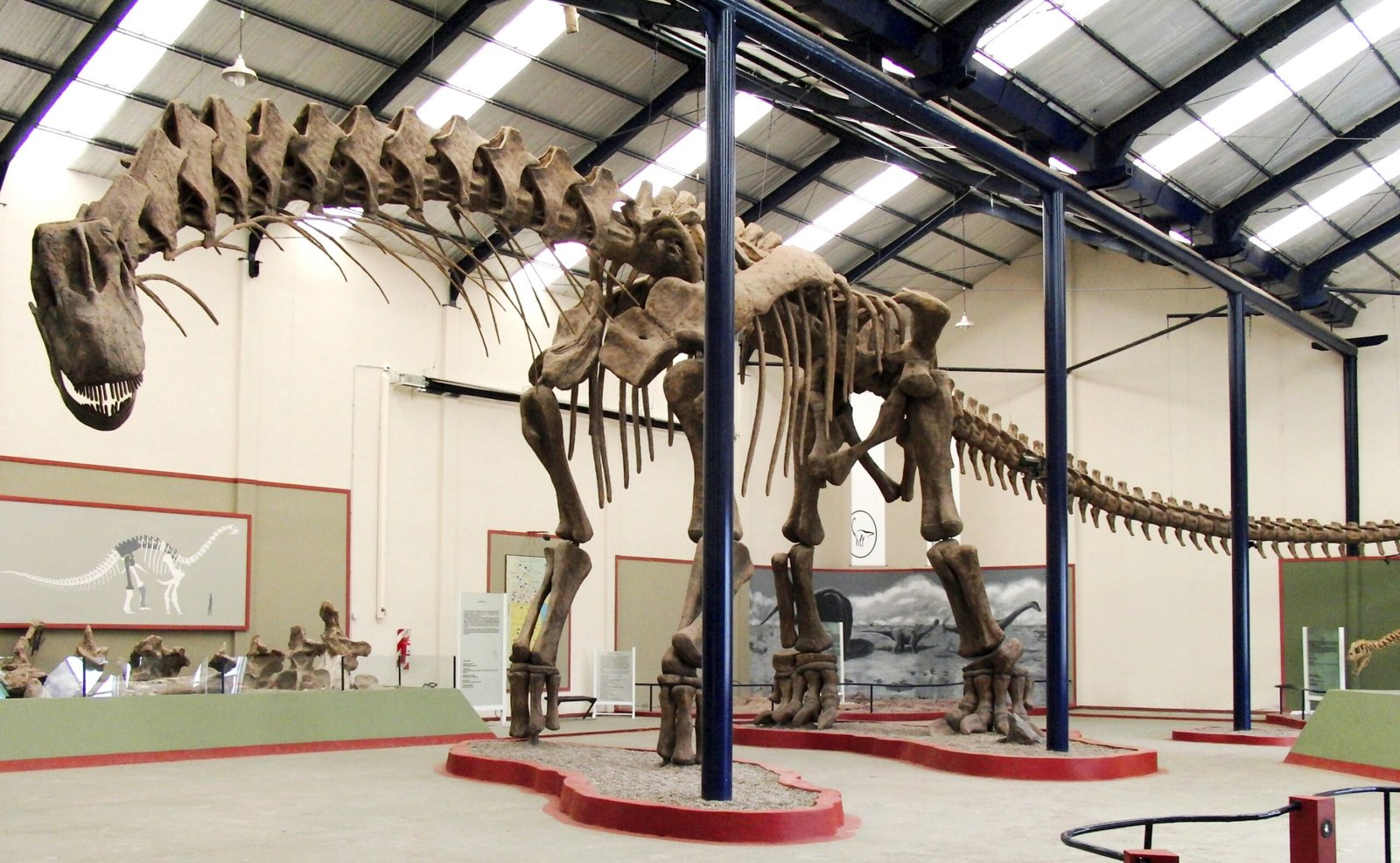
In 1993, paleontologists unearthed something that would shake the scientific world to its core. They discovered Argentinosaurus huinculensis, a dinosaur so massive that it defied everything researchers thought they knew about the limits of life on Earth. This colossal creature measured approximately 115 feet long and weighed between 80 to 100 tons – roughly equivalent to 12 elephants standing on top of each other.
The discovery happened in the Neuquén Province, where local fossil hunter Guillermo Heredia first spotted unusual bone fragments. What seemed like just another find turned into one of paleontology’s greatest triumphs. The sheer size of Argentinosaurus forced scientists to reconsider how such enormous creatures could even exist, let alone thrive.
The Patagotitan: A New Contender for the Crown
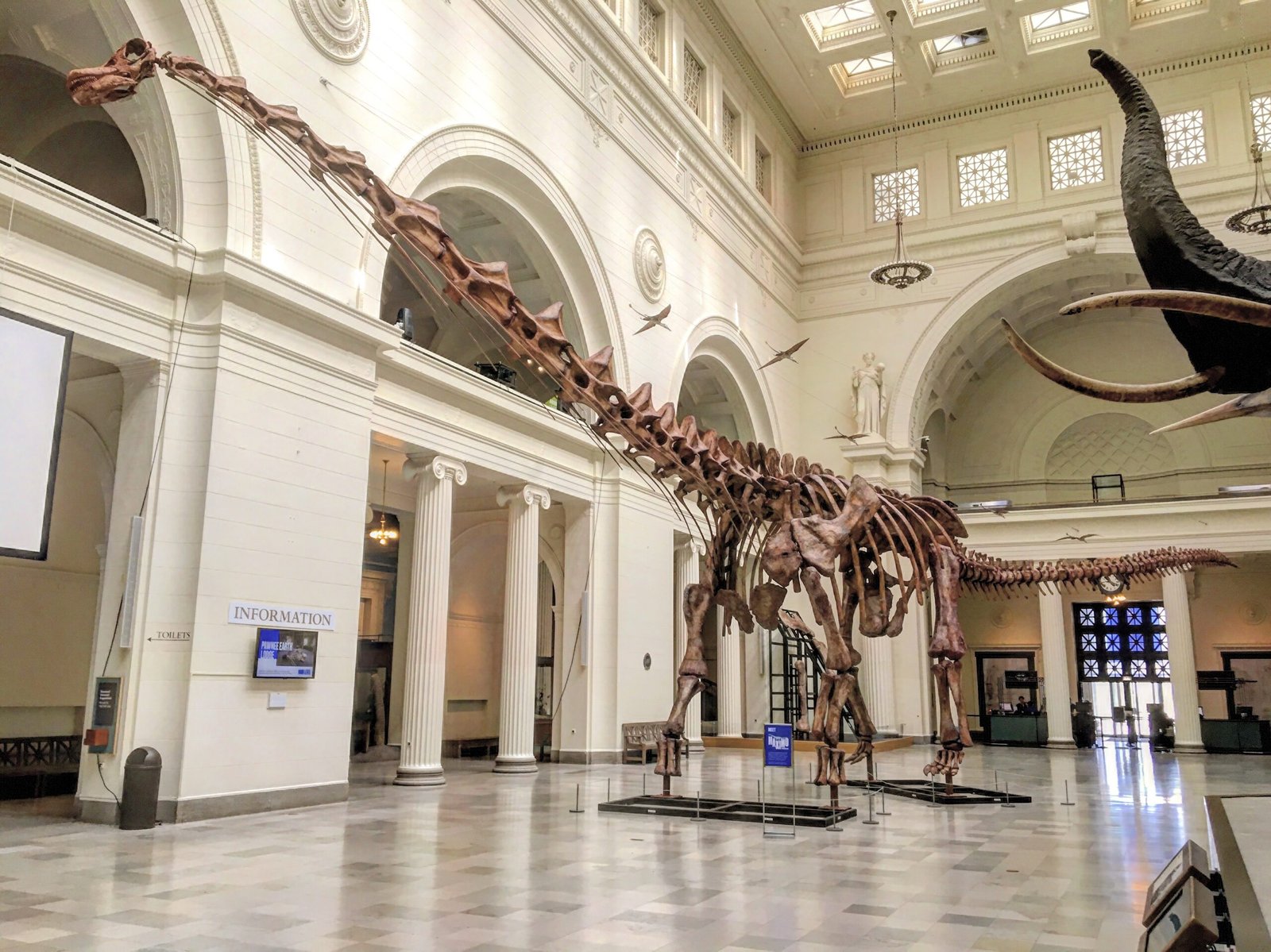
Just when scientists thought Argentinosaurus held the undisputed title, Patagonia delivered another stunning surprise. In 2014, researchers announced the discovery of Patagotitan mayorum, potentially the largest dinosaur ever found. This behemoth measured around 122 feet in length and may have weighed up to 77 tons.
What’s remarkable about Patagotitan is how complete the fossil remains were. Unlike many dinosaur discoveries that rely on fragmented bones and educated guesses, paleontologists found multiple individuals, giving them an unprecedented look at how these giants lived and moved. The discovery site in Chubut Province became a paleontological goldmine, yielding not just one but several specimens.
The Geological Time Machine
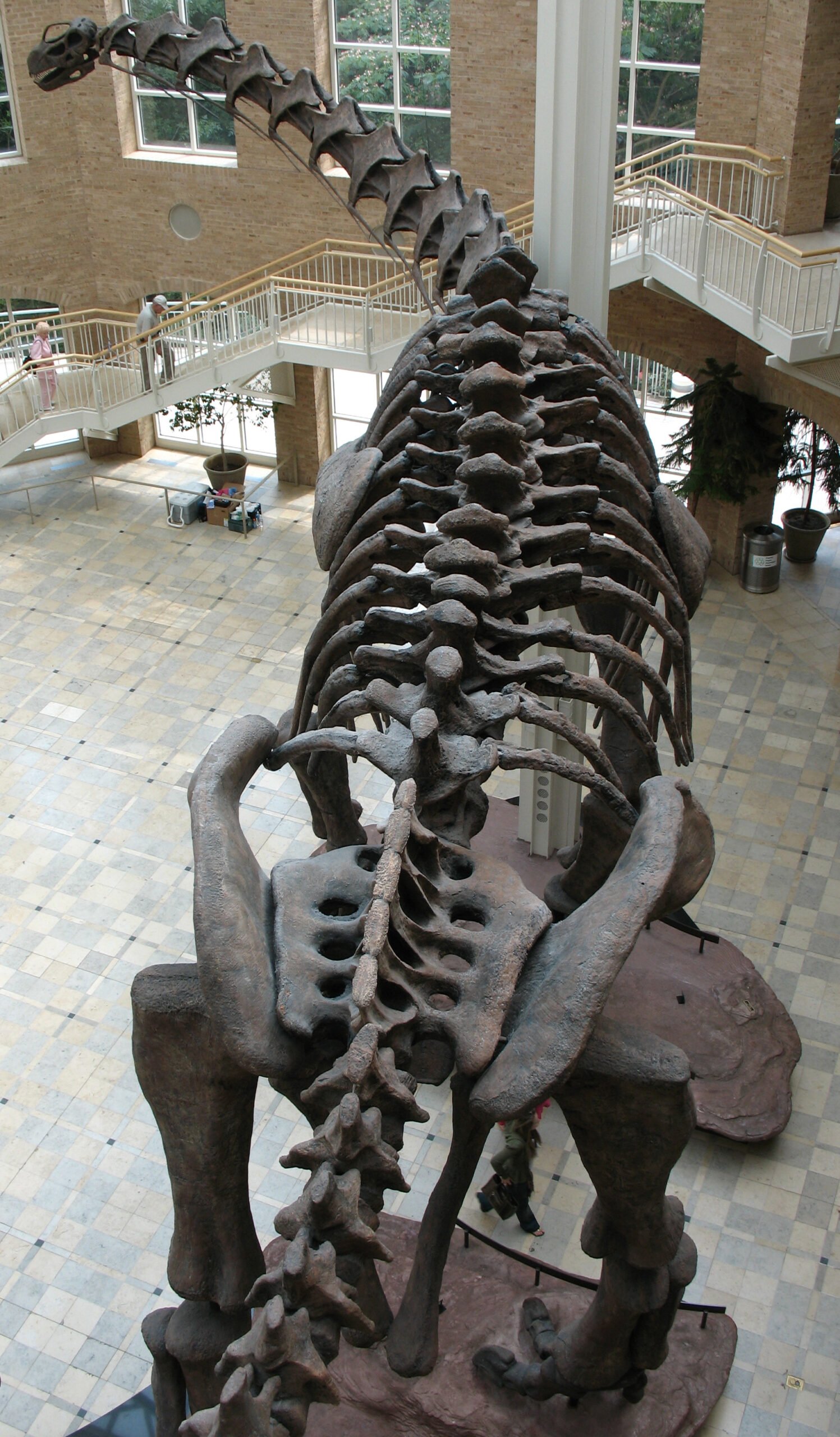
Patagonia’s unique geological composition acts like pages in Earth’s history book. The region’s sedimentary rock layers, formed during the Cretaceous Period, have remained largely undisturbed for millions of years. This natural preservation system creates perfect conditions for fossilization.
The climate during the Cretaceous was dramatically different from today’s Patagonia. Instead of the current semi-arid steppes, lush forests and river systems dominated the landscape. This environment provided ideal conditions for massive herbivores like sauropods to flourish, creating an ecosystem that could support creatures of unprecedented size.
The Neuquén Formation: A Fossil Paradise

The Neuquén Formation represents one of the richest dinosaur fossil deposits on the planet. This geological formation stretches across several provinces and contains multiple layers of sedimentary rock, each representing different time periods. Scientists have identified rocks dating from the Late Jurassic to the Late Cretaceous periods.
What makes the Neuquén Formation extraordinary is its diversity. It’s not just home to giant sauropods – paleontologists have discovered everything from massive predators to tiny mammals that scurried between the feet of giants. The formation acts like a prehistoric snapshot, capturing an entire ecosystem in stone.
The Hunting Grounds of Giganotosaurus
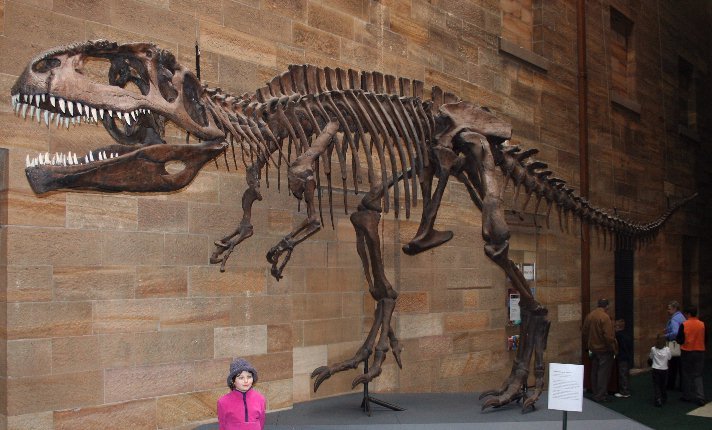
Where there were giant herbivores, equally impressive predators followed. Patagonia gave the world Giganotosaurus carolinii, one of the largest land predators ever discovered. This massive carnivore measured up to 43 feet long and weighed approximately 8 tons, making it even larger than the famous Tyrannosaurus rex.
The discovery of Giganotosaurus in 1993 painted a vivid picture of prehistoric Patagonia as a battleground between titans. Imagine the epic encounters between these massive predators and the enormous sauropods they hunted. The fossil evidence suggests these weren’t isolated incidents but part of a complex ecosystem where size was literally a matter of survival.
The Science Behind the Giants
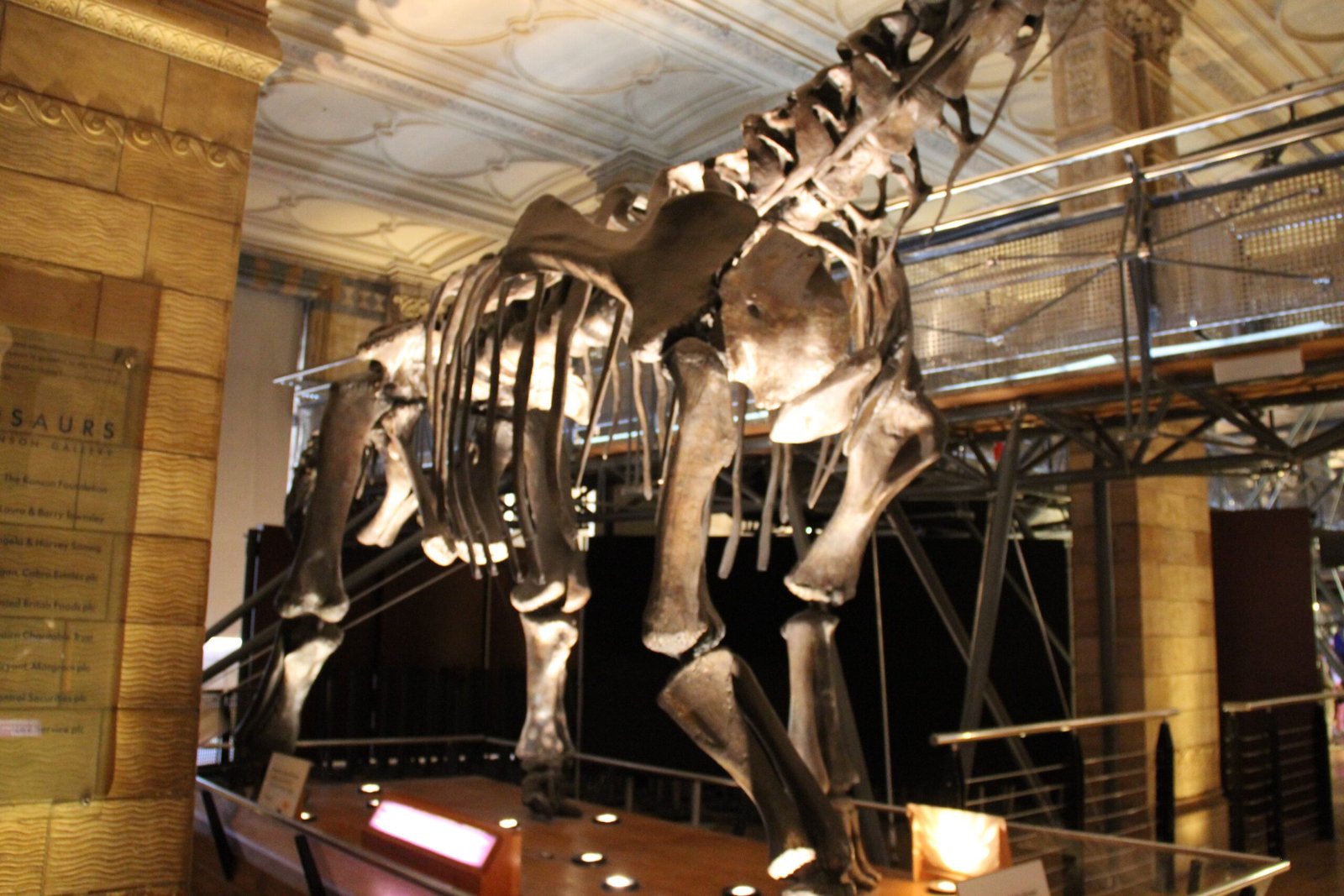
How could animals this large even exist? The secret lies in their unique anatomy and the environmental conditions of their time. Sauropods like Argentinosaurus had hollow bones, similar to modern birds, which reduced their overall weight while maintaining structural strength. Their long necks allowed them to reach vegetation other dinosaurs couldn’t access, giving them a significant advantage in resource competition.
The higher oxygen levels during the Cretaceous Period also played a crucial role. Atmospheric oxygen was approximately 35% compared to today’s 21%, making it easier for massive creatures to maintain their metabolic needs. This richer atmosphere essentially acted like a performance enhancer for prehistoric life.
Modern Paleontological Techniques

Today’s dinosaur hunters use technology that would seem like science fiction to earlier generations of paleontologists. Ground-penetrating radar helps locate fossil deposits before excavation begins. CT scanning allows researchers to examine bones without damaging them, revealing internal structures and growth patterns.
3D modeling has revolutionized how scientists study these ancient giants. Instead of guessing how dinosaurs moved based on static bones, researchers can now create detailed computer simulations. These digital reconstructions help answer fundamental questions about how creatures weighing 100 tons could walk, eat, and survive.
The Egg Mountain Discovery
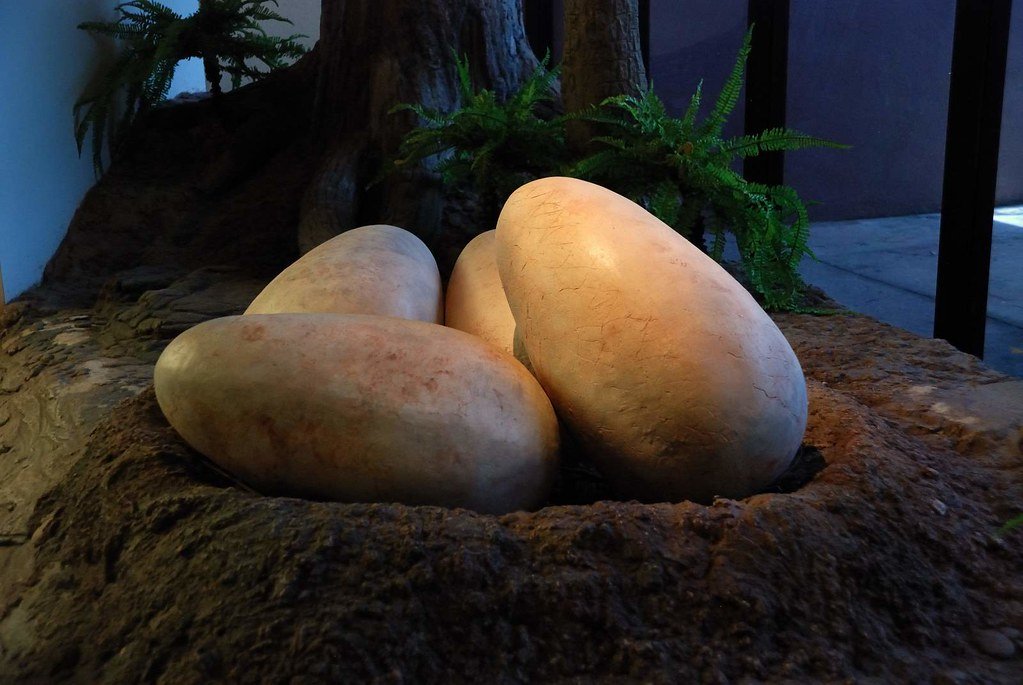
Patagonia’s paleontological treasures extend beyond adult dinosaurs to their most vulnerable stage – eggs and babies. The discovery of massive dinosaur nesting sites has provided incredible insights into the reproductive behavior of these giants. Some sauropod eggs found in the region measure over a foot in diameter.
These nesting sites reveal sophisticated breeding behaviors. Evidence suggests that sauropods returned to the same nesting areas year after year, creating vast communal breeding grounds. The discovery of embryonic remains inside these eggs has given scientists their first glimpse of how the world’s largest creatures began life as surprisingly small hatchlings.
The Dreadnoughtus Discovery
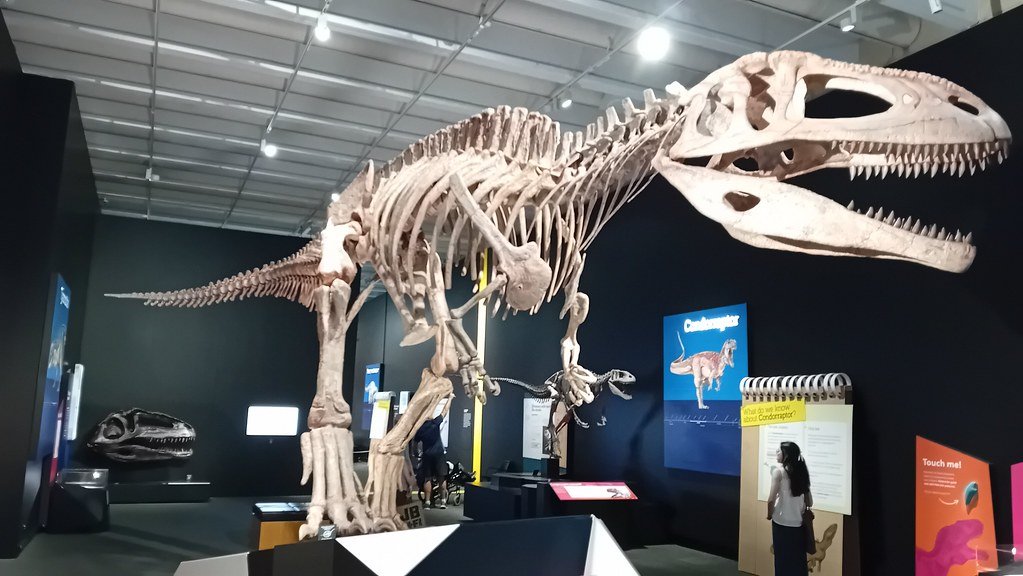
In 2014, researchers announced another spectacular find – Dreadnoughtus schrani, one of the most complete giant sauropod skeletons ever discovered. With about 70% of its skeleton preserved, Dreadnoughtus provided unprecedented insights into the anatomy of these massive creatures. The name itself means “fears nothing,” reflecting the sheer dominance these creatures must have held in their ecosystem.
What makes Dreadnoughtus particularly valuable is the completeness of the fossil record. Unlike other giant sauropods known from fragmentary remains, scientists could study virtually every aspect of this dinosaur’s anatomy. The discovery revealed sophisticated weight-distribution mechanisms and muscle attachment points that helped explain how such massive creatures could move efficiently.
The Role of Climate and Environment

The gigantism seen in Patagonian dinosaurs wasn’t just a random evolutionary quirk – it was a response to specific environmental conditions. During the Late Cretaceous, South America was an island continent, isolated from other landmasses. This isolation created unique evolutionary pressures that favored increasingly large body sizes.
The abundant plant life and warm, humid climate provided the perfect conditions for herbivorous giants to thrive. Massive coniferous forests and fern prairies offered virtually unlimited food sources. This abundance meant that the primary limitation on dinosaur size wasn’t food availability but rather the physical constraints of their bodies and the laws of physics.
The Mapusaurus Pack Hunters
Uploaded by FunkMonk, CC BY 2.0, https://commons.wikimedia.org/w/index.php?curid=8385143)
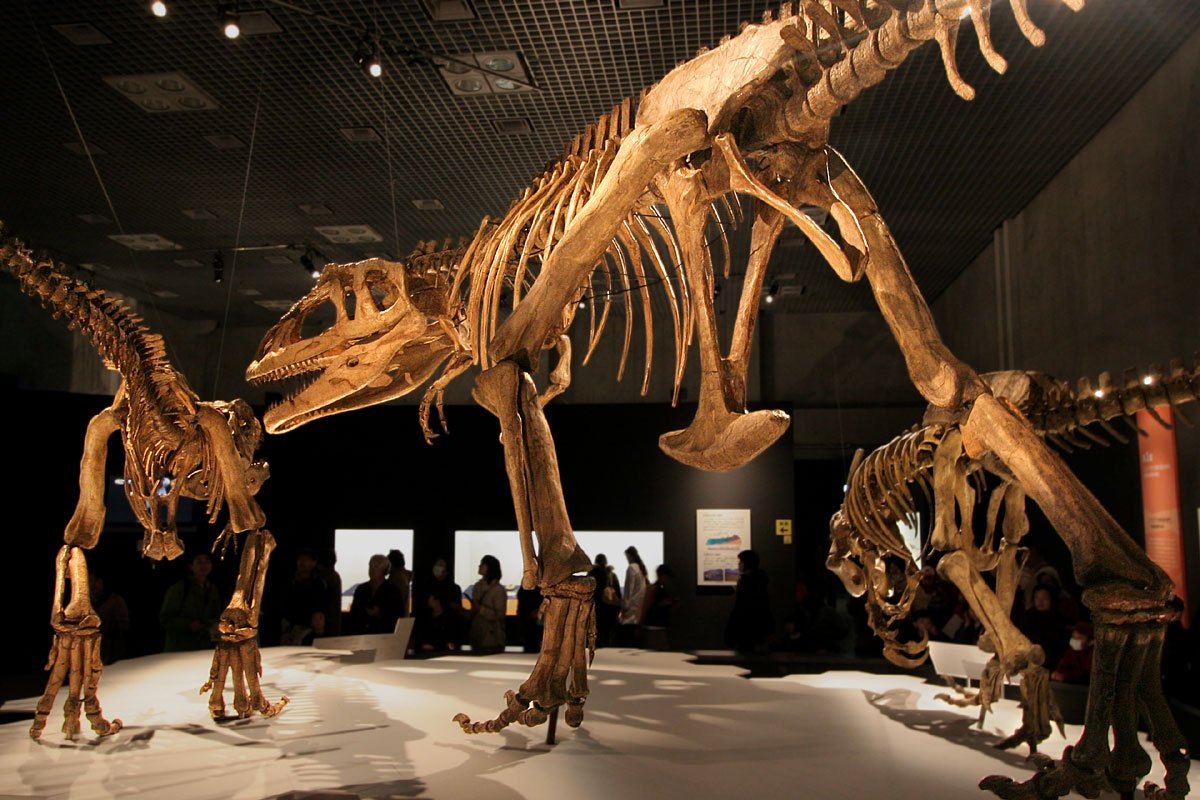
Perhaps one of the most chilling discoveries in Patagonia was Mapusaurus roseae, a massive predator that may have hunted in packs. Multiple individuals were found together, suggesting these 40-foot-long carnivores worked cooperatively to bring down the enormous sauropods that dominated their world. This discovery challenged the traditional view of large predatory dinosaurs as solitary hunters.
The implications of pack-hunting behavior among such massive predators are staggering. A coordinated attack by multiple Mapusaurus individuals could potentially bring down even the largest sauropods. This predator-prey dynamic created an evolutionary arms race that pushed both herbivores and carnivores to ever-greater sizes.
Fossilization Process in Patagonia
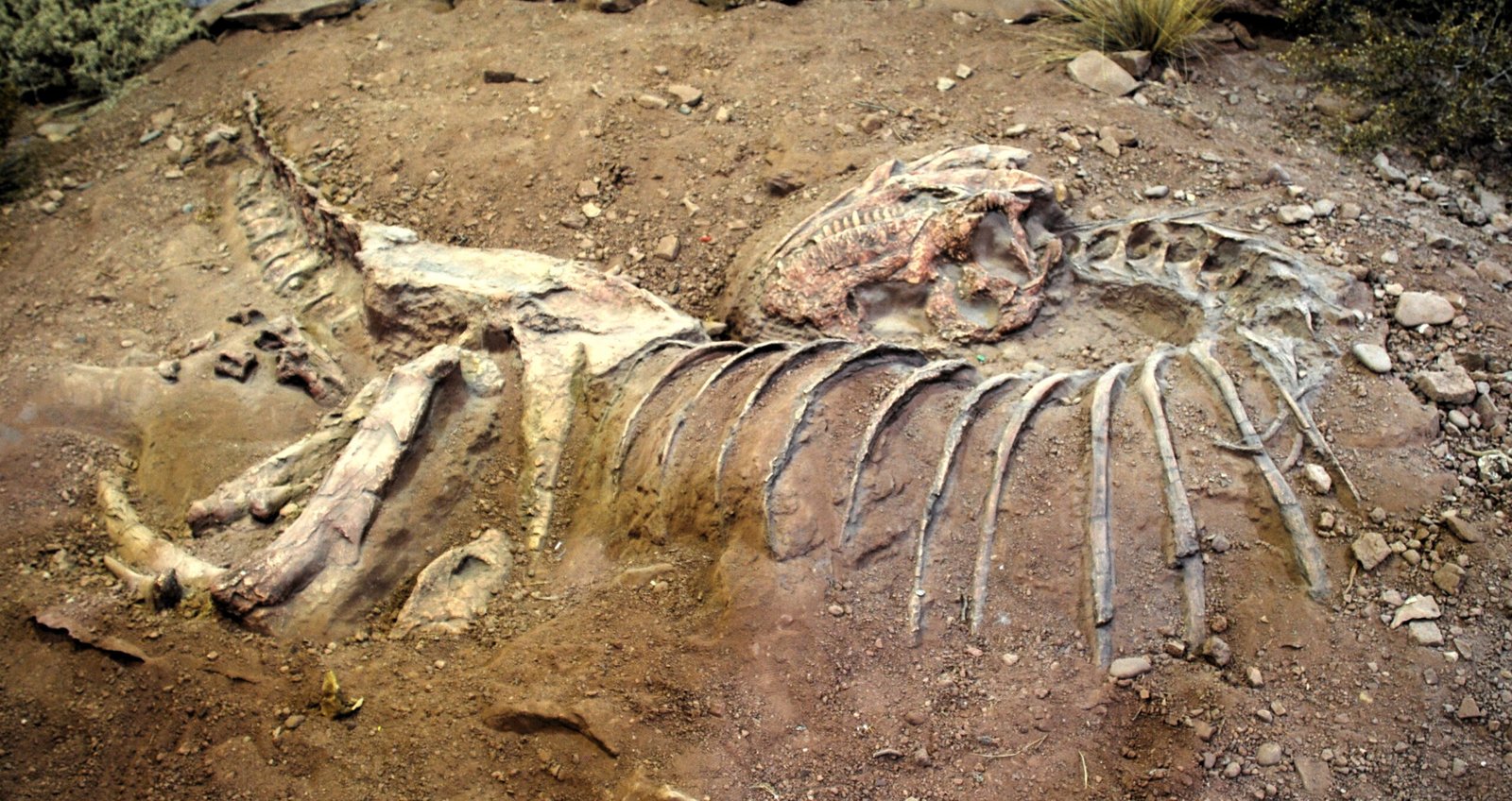
The exceptional preservation of dinosaur fossils in Patagonia results from a perfect storm of geological conditions. Rapid burial by sediments, followed by mineral replacement of organic tissues, created the detailed fossils that paleontologists study today. The semi-arid climate prevents excessive weathering, while seasonal flooding deposited layers of sediment that protected buried remains.
This preservation process happened relatively quickly in geological terms, sometimes within decades or centuries rather than millennia. The result is fossils with incredible detail, including preserved soft tissue impressions, skin patterns, and even evidence of feathers on some species. These details provide invaluable insights into how these creatures lived, moved, and interacted with their environment.
The Titanosaur Family Tree
Uploaded by FunkMonk, CC BY 2.0, https://commons.wikimedia.org/w/index.php?curid=19556691)
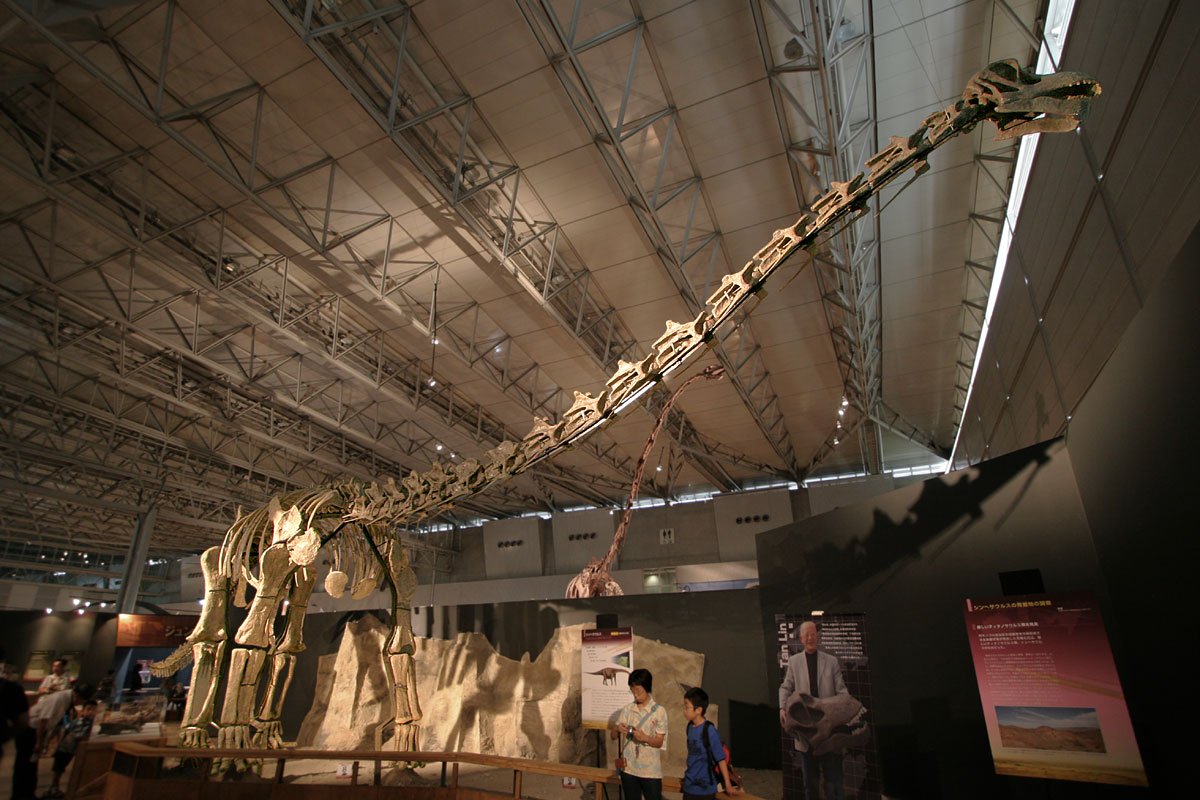
Patagonia has yielded more titanosaur species than any other region on Earth. These massive sauropods represent the final evolutionary flowering of long-necked dinosaurs before the mass extinction event that ended the Age of Reptiles. The diversity of titanosaur species found in Patagonia suggests this region was a major evolutionary center for these giants.
Each new species discovery adds another piece to the puzzle of sauropod evolution. From the relatively “small” 30-foot species to the colossal 120-foot giants, Patagonian titanosaurs show how these creatures adapted to different ecological niches. Some species developed longer necks for reaching tall vegetation, while others evolved more robust bodies for processing tougher plant material.
Technology Meets Paleontology
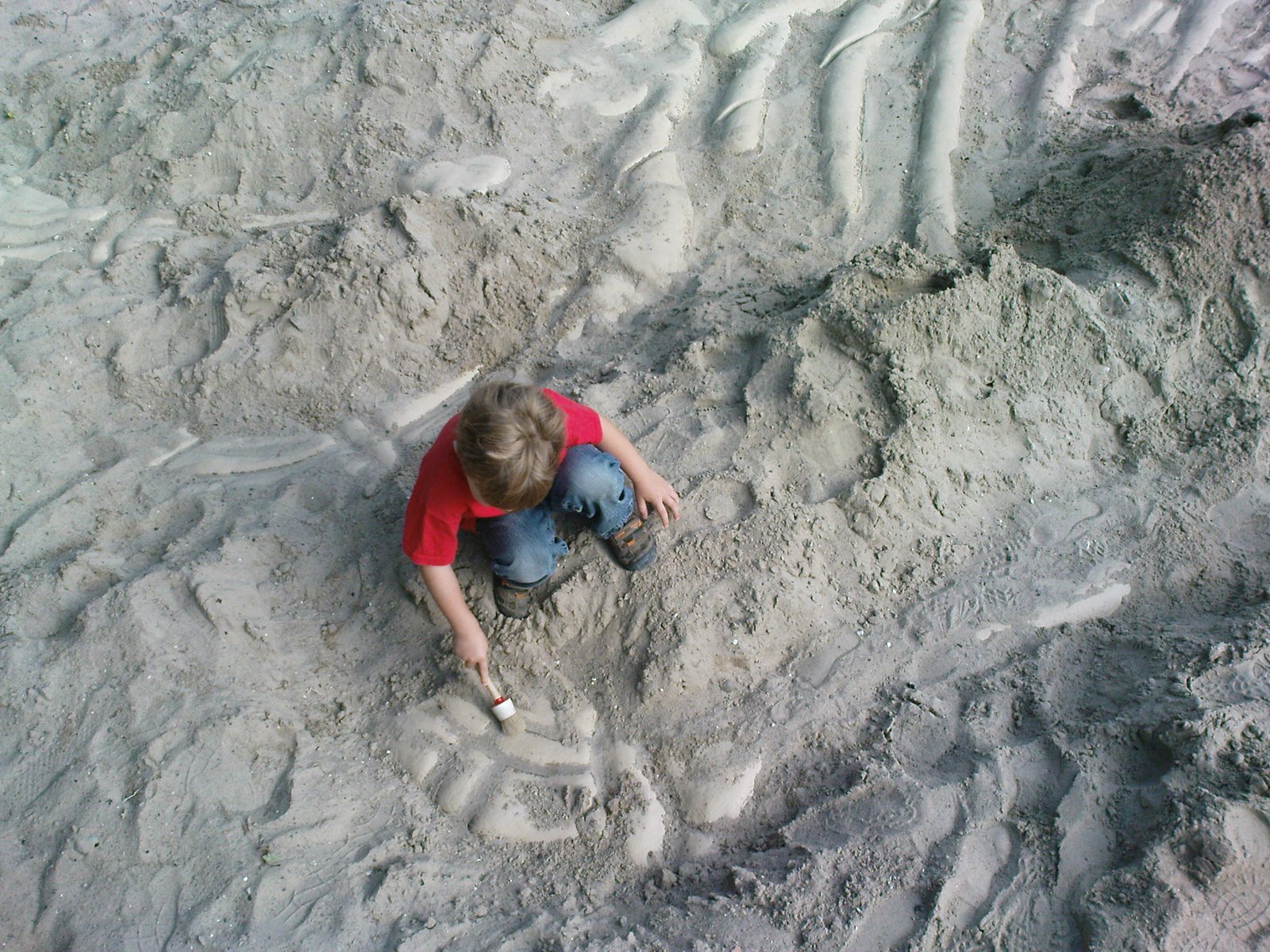
Modern expeditions to Patagonia resemble high-tech operations more than traditional fossil hunts. Satellite imagery helps identify promising geological formations before teams even set foot in the field. Drone surveys map large areas quickly and safely, identifying potential dig sites that might take weeks to find on foot.
Once fossils are discovered, the extraction process involves careful documentation using photogrammetry and 3D scanning. Every bone fragment is precisely mapped before removal, creating digital archives that preserve the exact position and context of each find. This meticulous approach ensures that future researchers can study not just the fossils themselves but also the environmental conditions they were found in.
Conservation Challenges and Opportunities

Patagonia’s paleontological treasures face numerous threats from both natural erosion and human activities. Climate change is accelerating weathering processes, potentially destroying fossils faster than they can be discovered. Industrial development and mining operations pose additional risks to fossil-bearing formations.
However, there’s growing recognition of the region’s scientific value. Argentina has established several paleontological reserves, and international cooperation has increased funding for research and conservation efforts. Local communities are increasingly involved in fossil protection, recognizing that these ancient treasures represent both scientific heritage and economic opportunities through paleotourism.
The Future of Discovery
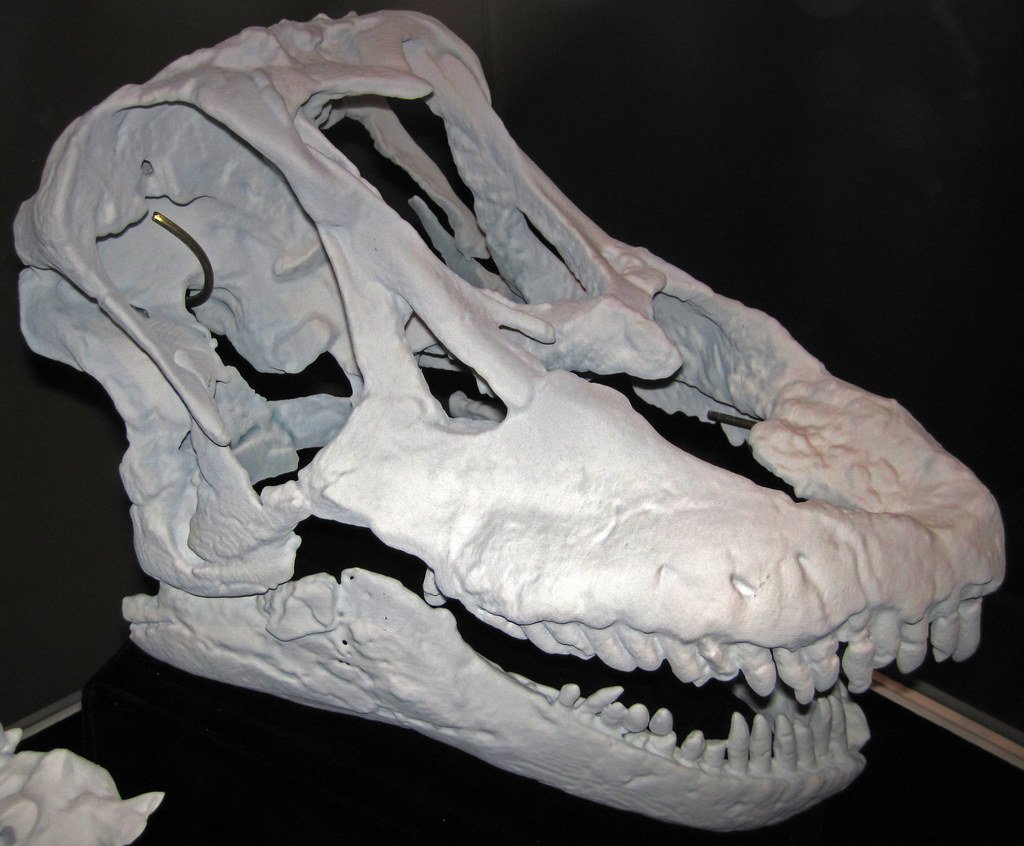
Despite decades of intensive research, scientists estimate they’ve barely scratched the surface of Patagonia’s paleontological potential. New techniques in molecular paleontology are beginning to extract protein sequences from fossilized bones, providing insights into dinosaur biology that were unimaginable just years ago. Machine learning algorithms are being trained to identify potential fossil sites from satellite imagery, accelerating the discovery process.
The next generation of paleontologists will have tools that seem almost magical compared to today’s methods. Advances in genetic analysis might even allow researchers to reconstruct aspects of dinosaur DNA, bringing us closer to understanding these ancient giants at the molecular level. Each new discovery in Patagonia brings us one step closer to answering fundamental questions about life on Earth.
Legacy of the Giants

The discovery of the world’s largest dinosaurs in Patagonia has fundamentally changed our understanding of what’s possible in the natural world. These finds have pushed the boundaries of physics, biology, and imagination, showing us that Earth’s history includes chapters more spectacular than any science fiction story. The legacy of these discoveries extends far beyond academic circles, inspiring new generations of scientists and nature lovers.
Every fossil fragment recovered from Patagonia’s ancient deposits adds another piece to the grand puzzle of life on Earth. These discoveries remind us that our planet has hosted incredible diversity and that there are still countless mysteries waiting to be uncovered. The giants of Patagonia teach us that the natural world is capable of producing wonders beyond our wildest dreams, and that the story of life on Earth is far more remarkable than we ever imagined.