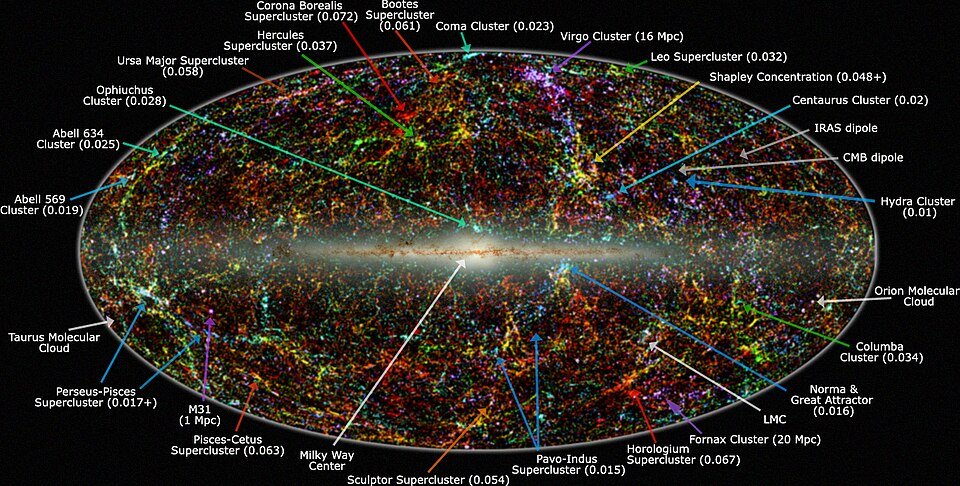

Imagine a planet the size of Jupiter, wrapped in darkness, with no sunrise, no parent star, and no familiar sky – just an endless night lit only by distant galaxies. For decades, this kind of world sounded like pure science fiction, a playground for novelists and movie directors. Now, astronomers are quietly gathering evidence that such “rogue planets” may not just exist, but might actually outnumber the stars themselves. That possibility turns our neat picture of solar systems inside out and raises unsettling questions about how many lonely worlds wander the galaxy. As our telescopes sharpen and new surveys come online, the mystery is shifting from “do they exist?” to “how many are out there, and what strange stories do they tell?”
The Hidden Clues: Worlds Found in the Dark
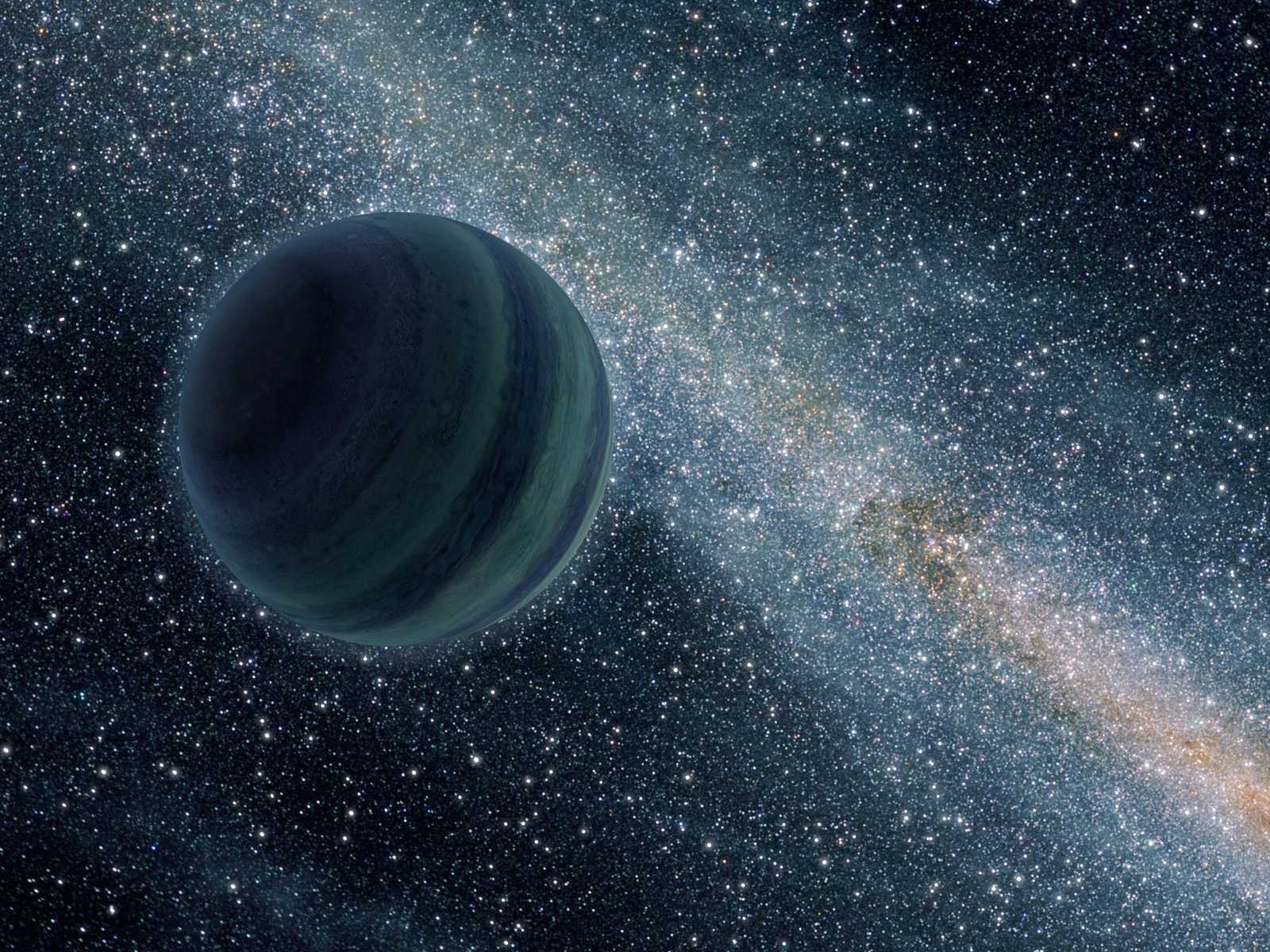
Free-floating planets, also called rogue or interstellar planets, are incredibly hard to spot because they do not shine like stars or reflect a nearby sun. Instead, they are almost entirely black against the blackness, detectable only when they briefly betray themselves through gravity or a faint residual heat. Astronomers first started seriously hunting for them with gravitational microlensing surveys, watching for tiny temporary brightening of background stars as an unseen object passed in front. These fleeting blips in brightness can hint at a planet-mass object drifting between us and a distant star, like a cosmic fingerprint that vanishes in days or even hours. The fact that we can infer a whole world from a barely noticeable change in starlight still feels like a magic trick, but it is now standard practice in deep-sky surveys.
In recent years, infrared telescopes have added more clues by spotting isolated, still-warm planetary-mass objects in nearby star-forming regions. They glow faintly in the infrared, suggesting they are young – still shedding the heat from their birth, even without a host star. Some of these objects blur the line between oversized planets and undersized brown dwarfs, the so-called failed stars, and scientists still argue about how to classify them. That debate itself illustrates how strange this corner of the universe is: our usual categories of “star” and “planet” start to fall apart once you remove the comforting anchor of a solar system.
How Do Planets Lose Their Suns?
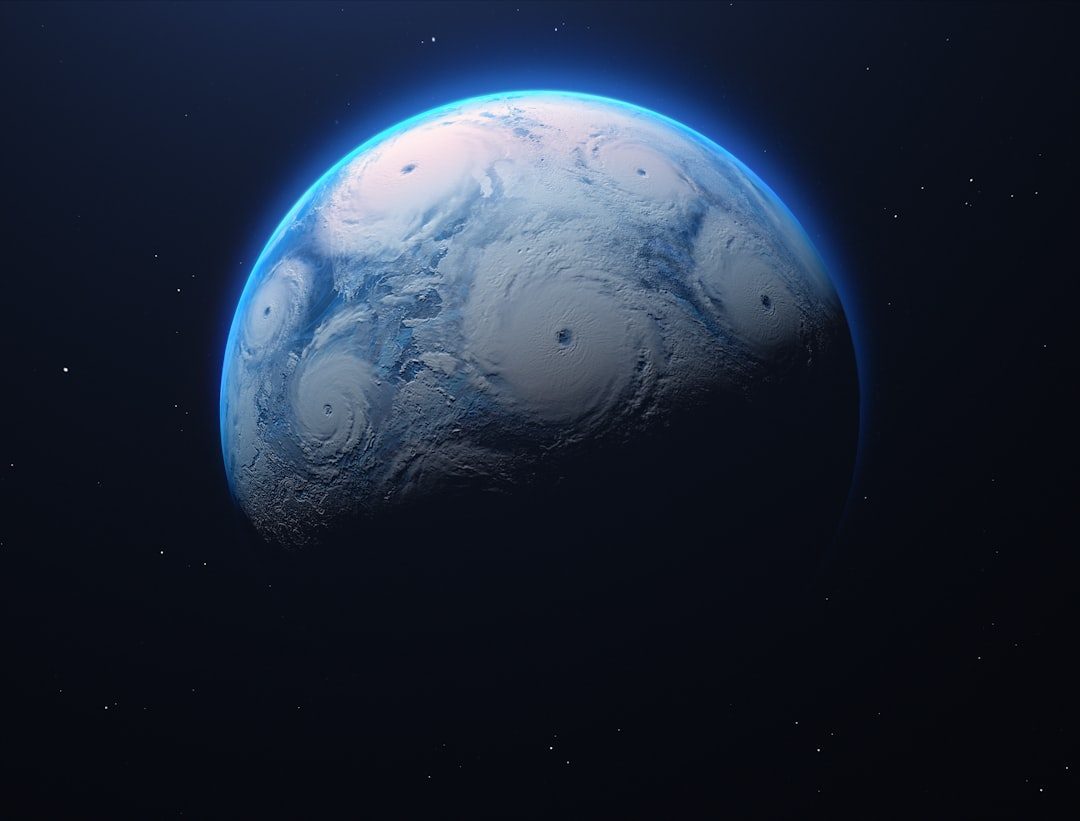
If rogue planets exist in large numbers, something in the universe must be very good at kicking planets out of their homes. One leading explanation is violent gravitational chaos in young planetary systems, where newborn planets jostle for stable orbits like marbles in a crowded bowl. When a massive planet migrates inward or outward, it can sling smaller neighbors away at escape velocity, hurling them entirely out of the system. In some simulations of early solar system evolution, this kind of gravitational pinball is not the exception but the rule. That picture implies that planetary systems might be littering the galaxy with exiled worlds as a natural side effect of their growth.
Another route to planetary exile happens in dense star clusters, where many stars are born close together. There, a passing star can tug gravitationally on a planetary system and strip off one or more planets, especially those on wide orbits. Over millions of years, this gentle harassment can peel planets away until they drift freely through the galaxy, no longer tied to any single star. There is even the possibility that some roving objects form more like small stars, collapsing directly from gas clouds without ever circling a sun. Whether “born free” or “kicked out,” each of these origins sketches a different life story for a rogue planet – and we are only beginning to tell those stories with data instead of speculation.
From Science Fiction Trope to Serious Science
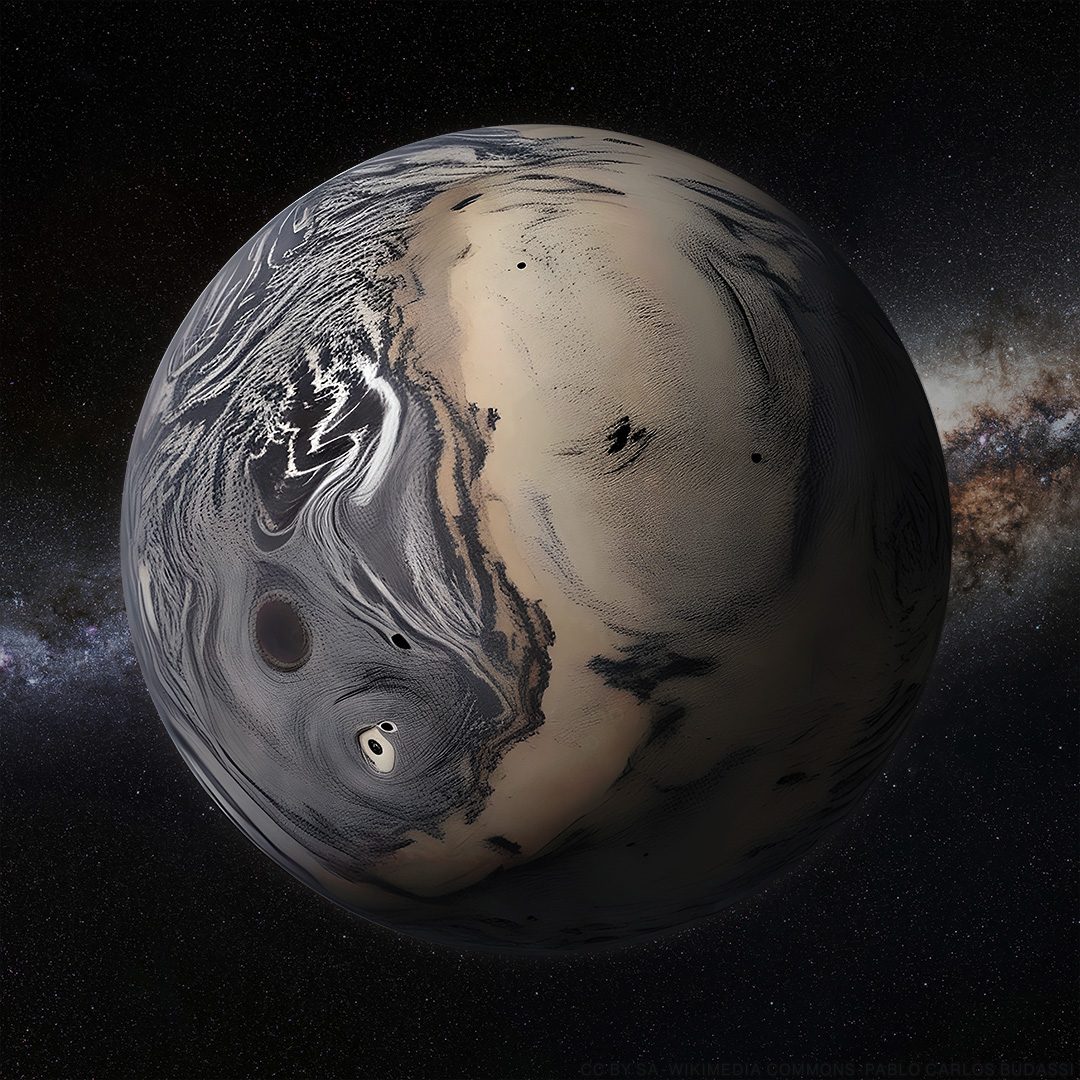
For much of the twentieth century, the idea of a starless planet was more at home in science fiction paperback covers than in peer-reviewed journals. Writers imagined cold, hostile worlds crawling with exotic life or serving as secret bases hidden in the interstellar dark. When astronomers first started finding exoplanets in the 1990s, most attention went to the strange “hot Jupiters” hugging their stars at blistering distances, not to unseen wanderers. That early focus shaped public imagination: a planet was still something that orbited a sun, even if it did so in a weird way. The notion of a truly free-floating world sounded like a narrative flourish, not a realistic category on the cosmic inventory.
That attitude began to shift as microlensing surveys and deep infrared observations reported candidates that did not fit neatly into any known system. Astronomers cautiously described them as planetary-mass objects without obvious host stars, and more and more such detections started to pile up. The turning point came when surveys suggested that these objects might be surprisingly common – possibly as numerous as, or even more numerous than, the stars themselves. Suddenly, rogue planets were not just exotic footnotes, but a serious population that theory had to explain. Science fiction had quietly walked into the data room and taken a seat at the table.
What It Would Be Like on a Rogue Planet
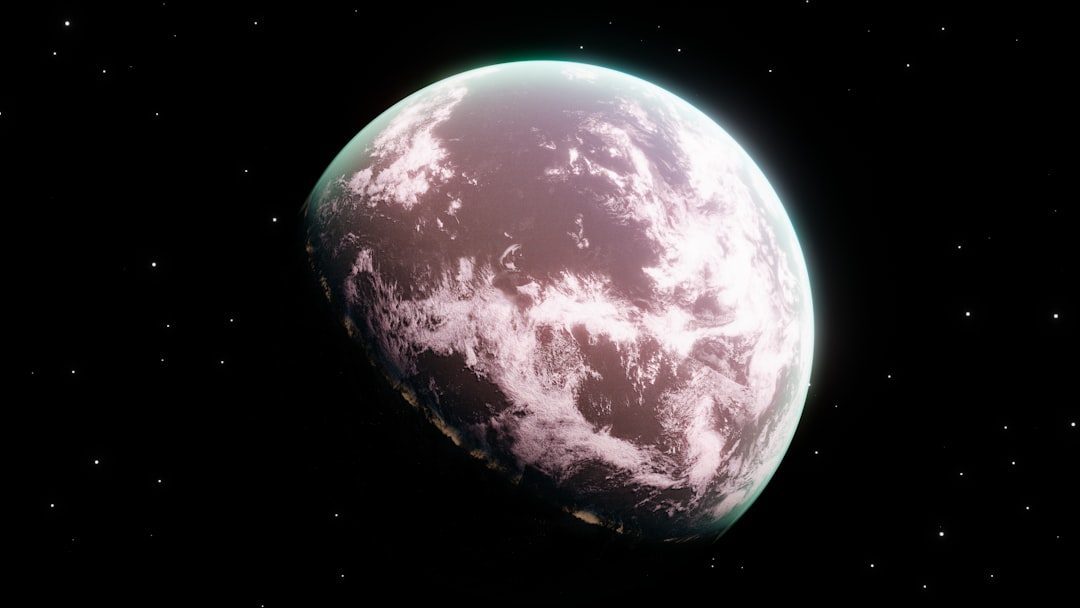
Strip away the poetic language and you are left with a stark question: what is it actually like on a planet with no sun? At first glance, the answer seems simple: unimaginably cold, utterly dark, and completely lifeless. A world drifting through interstellar space would receive only a faint drizzle of starlight from distant suns, not enough to warm its surface in any meaningful way. Temperatures on the surface would likely plunge to near the background chill of space, turning any exposed water into rock-hard ice. It sounds like the ultimate dead world, the cosmic equivalent of an abandoned building.
But that picture softens once you remember that planets have internal heat sources of their own. Radioactive elements in the interior, leftover heat from formation, and tidal stresses from any moons could keep a planet’s interior warm for billions of years. If a thick atmosphere or a global ice shell traps that heat, liquid water could exist in buried oceans, similar to what scientists suspect on Europa or Enceladus in our own solar system. In that scenario, a rogue planet becomes less like a dead rock and more like a self-contained thermos bottle in the dark. Life, if it ever emerged there, would not see stars – it would know only the glow of hydrothermal vents and chemical energy. That image is both deeply alien and strangely hopeful.
Why Rogue Planets Matter Much More Than a Cosmic Curiosity
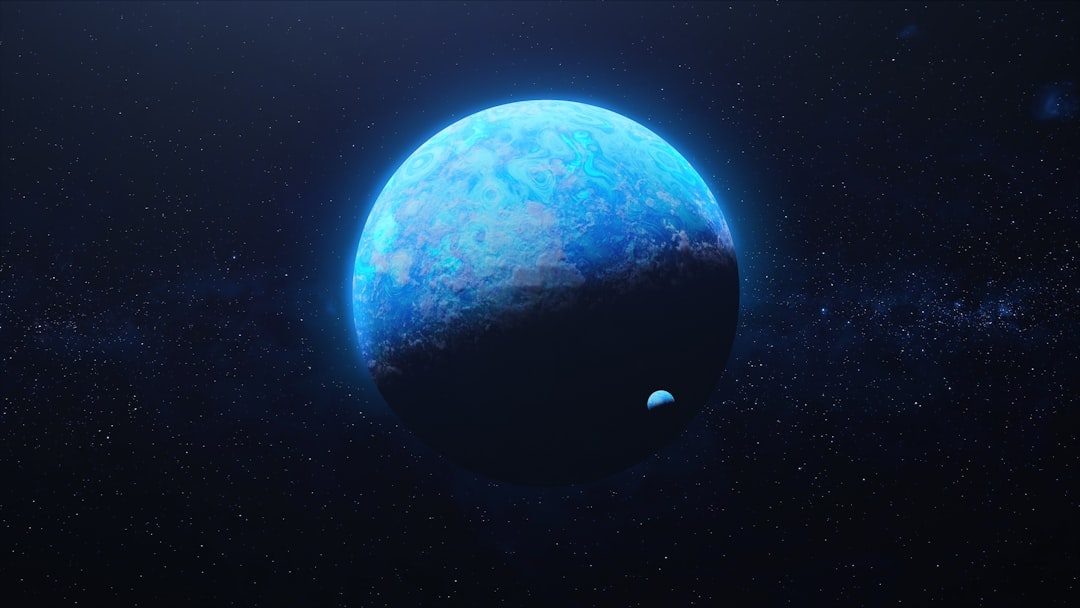
At first, free-floating planets might sound like a niche topic, an oddball detail in the crowded field of exoplanet research. But they actually force scientists to confront big questions about how common planets are, how violently they evolve, and how resilient life might be. If there are many more rogue planets than stars, it means that planetary formation is extremely prolific, and that ejection is a normal outcome rather than a rare accident. That, in turn, reshapes how we think about the early history of our own solar system: did we once have extra planets that were thrown out into the dark? The more we learn about these drifters, the less our cozy, stable orbits look like the default outcome.
Rogue planets also widen the habitable real estate of the galaxy in a way that feels almost unfair. Traditional definitions of the habitable zone focus on distance from a star, assuming sunlight is the main power source for biology. Free-floating worlds suggest a different kind of habitable zone, one defined by internal heat and insulation, not distance from any sun. That shift connects rogue planets to other strange places we already study, like subsurface oceans on icy moons. In a sense, they are extreme test cases for the idea that life can thrive wherever there is energy and liquid water, even if the sky above is forever black.
The Hunt: How We Actually Find Invisible Worlds
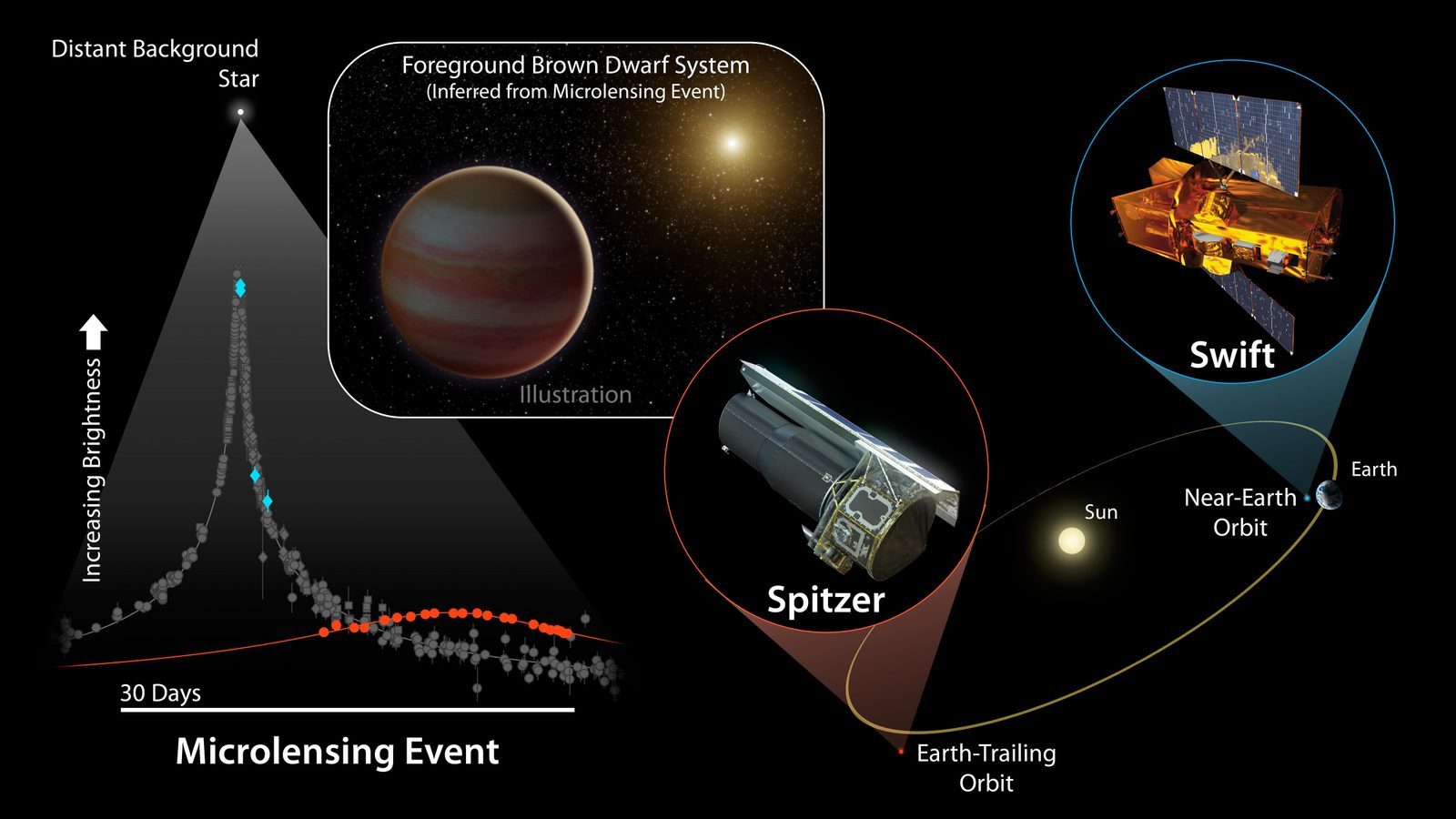
Hunting for a dark planet with no nearby star is a bit like trying to catch a ghost by the shadow it casts. Gravitational microlensing remains the sharpest tool we have: as a rogue planet passes in front of a background star, its gravity bends and amplifies the starlight for a short time. The pattern and duration of that brightening can reveal the mass of the lensing object, pointing to a planet rather than a star. This method, however, demands relentless patience and huge sky coverage; the events are rare, unpredictable, and one-time-only. You cannot go back and recheck a target later, which means every detection has to be squeezed for information before it fades.
To boost these odds, projects like the upcoming Nancy Grace Roman Space Telescope and ground-based networks of wide-field telescopes are being designed with microlensing campaigns in mind. Infrared observatories – both in space and on the ground – complement this by directly imaging some young, still-warm rogue candidates in nearby stellar nurseries. Each approach has trade-offs: microlensing can reach great distances but offers brief and limited data, while infrared imaging gives more detail but only for relatively close and massive objects. Together, though, they act like two different listening devices tuning in on the same faint population. As data accumulates over the next decade, we should move from anecdotal hints to statistically solid counts.
Beyond Our Solar System: A Galaxy Full of Exiles
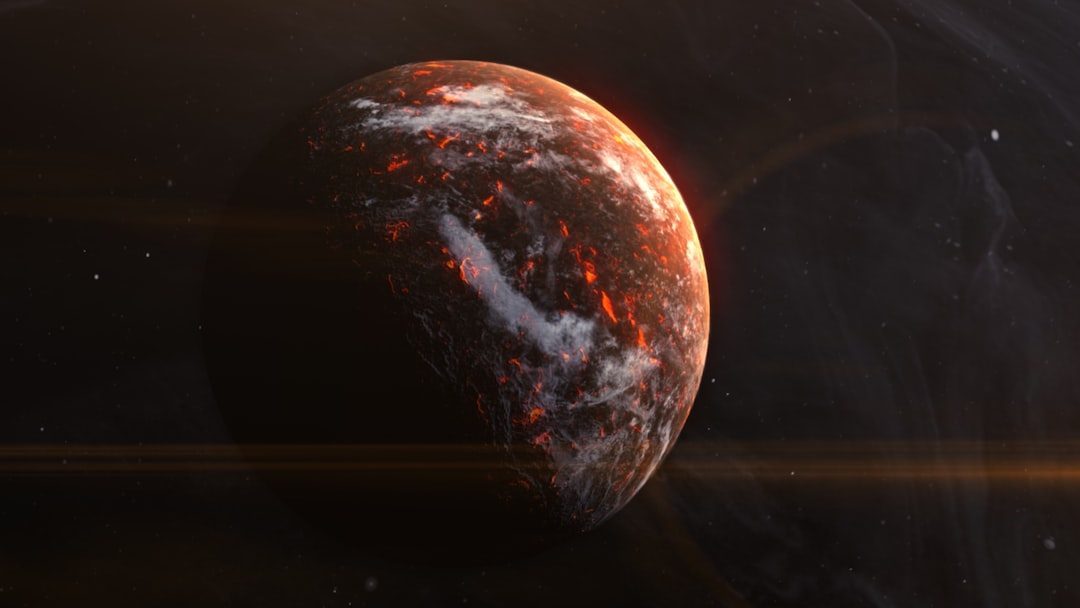
Once you accept that stars may be surrounded by swarms of potential escapees, the galaxy starts to look like a vast sea of exiled worlds. Some estimates, based on early microlensing data, have even proposed that there might be as many or more rogue planets than stars in the Milky Way. Even if that upper bound is revised downward with better data, the total number is still likely measured in the billions or trillions, not in the thousands. Each one carries a frozen record of its original home system – its composition, structure, and possible moons all shaped by a star that is now far away. In that sense, rogue planets are like drifting fossils, preserving clues to planetary histories that we may never otherwise see.
This perspective also blurs the boundaries between “our backyard” and the wider galaxy. A rogue planet could, in principle, pass relatively close to our solar system over cosmic timescales, its presence betrayed only by subtle gravitational tugs. While there is no credible evidence for a large undiscovered rogue world currently lurking nearby, the idea that such a visitor could cruise through our cosmic neighborhood is not completely far-fetched. It underscores how porous star systems really are: gravity does not respect borders. Instead of neat, isolated families of planets, we may be living inside a messy, interacting ecosystem of stars and wandering worlds.
The Future Landscape: New Telescopes and Wild Possibilities
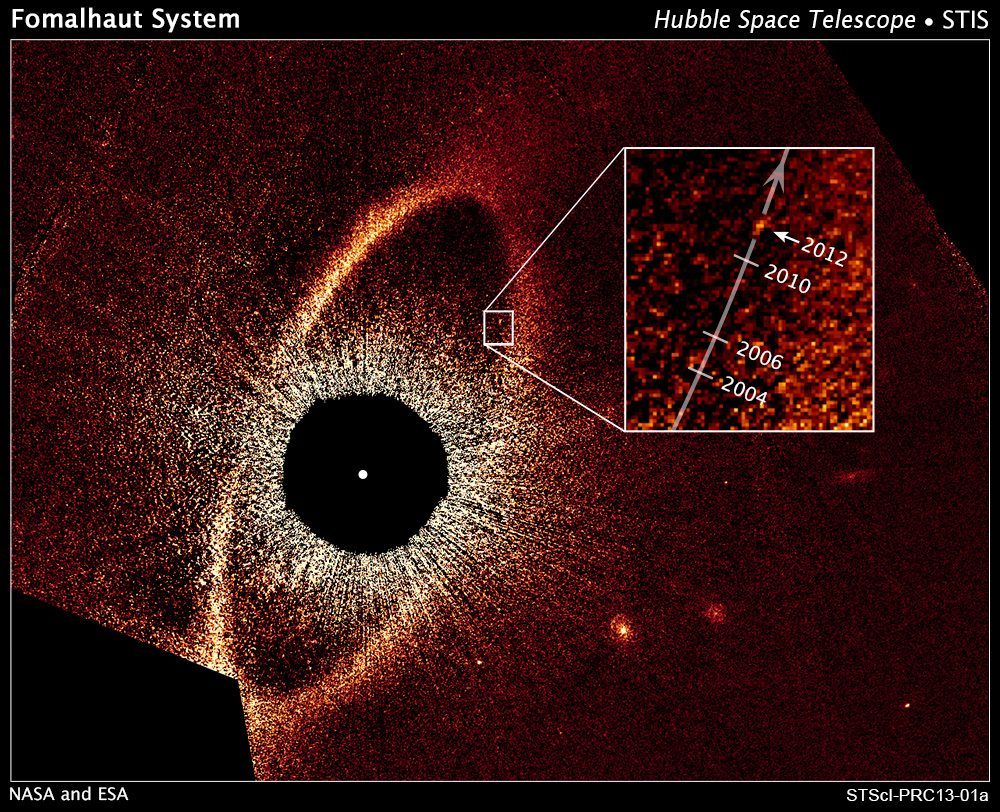
The next decade is poised to turn rogue planets from a speculative niche into a well-characterized population. Space telescopes like Roman, along with expanded ground-based surveys, are expected to catch far more microlensing events, including those caused by objects with masses similar to Earth. That would be a major shift, moving the conversation beyond gas giants to rocky, potentially Earth-like rogues. At the same time, improvements in infrared detectors and adaptive optics will allow astronomers to image fainter and cooler free-floating candidates in nearby star-forming regions. A more complete census will reveal whether the galaxy truly teems with these worlds or whether they are rarer than early hints suggested.
On the more speculative side, some scientists have begun to wonder whether future technologies could ever let us send probes – or even crewed missions – to a nearby rogue planet. In that scenario, such a world becomes not just a scientific curiosity but a waystation, a dark island in the interstellar sea. That possibility is far beyond our current engineering, but it shapes how some thinkers imagine humanity’s distant future in space. More immediately, refining our understanding of rogue planets will feed back into models of planetary formation, migration, and habitability. Every new detection tightens the picture of how solar systems are built, broken, and rearranged.
What You Can Do: Staying Curious About the Dark Between the Stars
It might seem like rogue planets are so remote and abstract that ordinary people have no real way to engage with the topic. But public curiosity and support play a quiet, powerful role in shaping which missions get funded and which big questions science chooses to chase. If you follow space news, pay attention to microlensing surveys, new exoplanet catalog announcements, and upcoming missions like Roman that will probe this hidden population. Sharing these discoveries, even in casual conversations or on social platforms, helps keep the spotlight on the dark corners of the cosmos. In a very real sense, our collective fascination nudges agencies and policymakers toward bold, curiosity-driven projects.
You can also support organizations that promote astronomy education, citizen science, and dark-sky protections, all of which feed into our ability to study faint phenomena. Some microlensing surveys and exoplanet projects even invite volunteers to help sift through data or classify light curves, turning the hunt for invisible worlds into a collaborative effort. Staying curious, asking questions, and backing science literacy in your community are small acts that scale surprisingly well. Each time you choose to care about a world that no one has ever seen, you cast a kind of vote for exploration over complacency. In a galaxy that may be crowded with silent, wandering planets, that choice feels like a fitting response.
Suhail Ahmed is a passionate digital professional and nature enthusiast with over 8 years of experience in content strategy, SEO, web development, and digital operations. Alongside his freelance journey, Suhail actively contributes to nature and wildlife platforms like Discover Wildlife, where he channels his curiosity for the planet into engaging, educational storytelling.
With a strong background in managing digital ecosystems — from ecommerce stores and WordPress websites to social media and automation — Suhail merges technical precision with creative insight. His content reflects a rare balance: SEO-friendly yet deeply human, data-informed yet emotionally resonant.
Driven by a love for discovery and storytelling, Suhail believes in using digital platforms to amplify causes that matter — especially those protecting Earth’s biodiversity and inspiring sustainable living. Whether he’s managing online projects or crafting wildlife content, his goal remains the same: to inform, inspire, and leave a positive digital footprint.